Compound Bow Cable Slide Vs Roller: Which Is Best for Accuracy?
Archery has grown far beyond its ancient roots. Today, modern compound bows use advanced technology to deliver accuracy, speed, and comfort. But every archer knows that small details can make a big difference. One often-overlooked part is the cable slide, a small piece that controls how the cables move as you draw and release the bow. In recent years, archers have faced a choice: stick with the classic cable slide or switch to a newer roller system. Both have their fans, but how do they really compare? Understanding these options will help you choose what’s best for your style, your bow, and your goals.


What Is A Compound Bow Cable Slide?
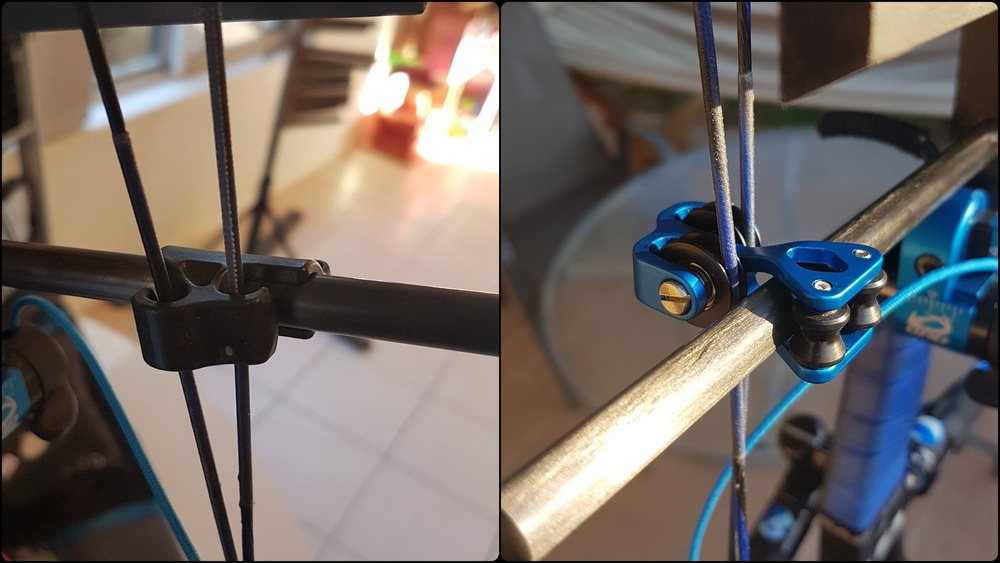
A cable slide is a simple plastic or metal piece that sits on the cable guard rod, just above the handle of your compound bow. Its main job is to keep the cables away from the arrow’s path. When you draw the bow, the slide moves along the rod, guiding the cables smoothly to the side.
Without a slide, the cables could touch the arrow or even your hand. This not only makes shooting unsafe but also reduces accuracy. The cable slide keeps everything in order, helping you shoot more consistently.
How Does A Cable Slide Work?
When you pull back the string, the slide moves along the rod. The cables are fixed in the slide’s grooves. As the slide moves, it keeps the cables from crossing into the arrow’s path, but also allows enough movement for the bow to function correctly.
Pro Tip: Lubricate your cable slide’s rod with a tiny bit of bow-specific oil. This can reduce friction and noise, but don’t overdo it, too much oil attracts dust.
What Is A Roller System?
The roller system is a newer design that replaces the sliding block with a set of small ball bearings or wheels. These rollers fit into the cable guard and let the cables glide on wheels instead of sliding on a solid surface.
When you draw the bow, the rollers turn smoothly, reducing friction and making the draw cycle feel lighter. Many high-end compound bows now come with roller guards as standard equipment.
How Does A Roller System Work?
Instead of forcing the cables to slide, the rollers spin as the cables move. This design aims to cut down on resistance and wear, making the bow feel smoother with each shot.
Some roller guards use two wheels for each cable, while others have a single roller for both. The basic idea is always the same: let the cables roll, not drag.
Comparing Cable Slide And Roller Systems
Every archer wants a bow that feels good, shoots accurately, and lasts for years. Your choice between a cable slide and a roller system can affect all these things. Let’s break down the main differences.
Key Differences At A Glance
Here is a side-by-side look at the two systems:
| Feature | Cable Slide | Roller System |
|---|---|---|
| Friction | Moderate to high | Low |
| Noise | Can be squeaky | Usually quieter |
| Wear on Cables | More wear over time | Less wear |
| Maintenance | Simple | Needs cleaning |
| Price | Low | Higher |
Advantages Of Cable Slides
Cable slides have been around for decades. Many archers still choose them, especially for simpler bows or when they want to keep costs down.
1. Simple And Reliable
The cable slide is as basic as it gets. There are no moving parts to break or jam, so you can trust it to work shot after shot. For beginners, simplicity is a big plus.
2. Easy Maintenance
If something goes wrong, it’s usually easy to spot and fix. Most problems come from dirt or lack of lubrication. Cleaning and replacing a slide takes just a few minutes and requires no special tools.
3. Low Cost
Most cable slides cost less than $10 and are widely available. If you want a low-budget setup or need to replace a broken part quickly, a slide is a practical choice.
4. Good For Most Archers
For target shooting or hunting at moderate ranges, many archers find the slide works just fine. Unless you’re pushing your equipment to the limit, you might not notice the small amount of extra friction.
Example: When I started archery, I used a basic cable slide for over two years. It never failed, and I only switched when I moved to a higher-end bow.
Disadvantages Of Cable Slides
Even though they are simple, cable slides do have some limits.
1. Increased Friction
Because the slide drags along the rod, it creates friction. Over hundreds of shots, this friction can add up. You might feel the bow draw is a bit stiff, especially if the rod is dry or dirty.
2. Possible Cable Wear
As the cables rub in the slide, they can slowly wear down. Over time, you may see small flat spots or fuzz on your cables. This isn’t dangerous right away, but it means you’ll need to check and replace cables more often.
3. Can Be Noisy
Some slides squeak or make noise as they move. This isn’t a problem at the range, but for hunters, noise can scare game animals away. A noisy slide can be fixed with lubrication, but it’s something to watch.
Advantages Of Roller Systems
Roller guards are considered “next generation” hardware for compound bows. They offer several real benefits, especially for serious archers.
1. Reduced Friction
Roller systems use ball bearings or wheels to let the cables move smoothly. This means less friction, making the draw cycle easier and more consistent. For archers shooting hundreds of arrows a week, this can reduce fatigue.
2. Less Wear On Cables
Because the cables glide instead of rubbing, they last longer. You won’t see as much fuzz or flat spots, and your cables keep their shape better.
3. Quieter Operation
Most roller systems are nearly silent. This gives hunters an advantage, especially when stalking game or waiting for the perfect shot.
4. Smoother Shooting Experience
Many archers say that roller guards make their bow “feel” better. The draw is smoother, and the let-off (the point where it gets easier to hold) is more gentle. This can improve accuracy, especially for long shooting sessions.
Pro Tip: If you shoot in tournaments or hunt animals that are easily spooked, the quiet and smooth action of a roller system can be a big help.
Disadvantages Of Roller Systems
No system is perfect, and roller guards have their own set of drawbacks.
1. Higher Cost
Roller systems are more expensive to buy and replace. Some high-end models can cost several times more than a basic slide.
2. More Complex Maintenance
Rollers have moving parts that can collect dirt or rust. If a bearing seizes up, it can ruin your cables or even damage the bow. Regular cleaning and checks are a must.
3. Not Always Compatible
Some older bows can’t accept a roller system without major changes. You may need to drill holes or buy special adapters, which is not ideal for everyone.
4. Heavier Weight
Although the difference is small, rollers add a bit of weight to your bow. For most people, it won’t matter, but if you’re counting every ounce for long hunts, it’s something to think about.
How Each System Affects Performance
Your choice between a slide and a roller can impact how your bow shoots, especially in certain situations.
Speed And Accuracy
A smoother draw cycle means less “stacking” (where the bow feels harder to pull near the end) and more consistent shots. While the speed gain from a roller system is usually small (often less than 5 feet per second), many archers feel they get tighter groups at long distances.
Cable Life
Rollers are much gentler on cables. If you shoot often or use expensive custom strings, this can save you money and time in the long run.
Noise Level
For hunting, the quiet action of rollers can be a real advantage. Target shooters may not care as much, but it’s still nice to reduce distractions.
Consistency
With less friction, your shot-to-shot feel is more uniform. This is important for competition shooting, where even a small change can hurt your score.
When To Choose A Cable Slide
A cable slide is the right choice if:
- You’re on a budget and want the cheapest, easiest option
- You don’t shoot hundreds of arrows a week
- You prefer easy maintenance and don’t mind a little extra friction
- Your bow is older or not compatible with roller systems
When To Choose A Roller System
Go with a roller system if:
- You shoot often (weekly or more)
- You’re focused on hunting or high-level target shooting
- You want the smoothest, quietest draw possible
- You’re willing to do a little extra maintenance
Real-world Scenarios
Let’s look at how these systems play out in different situations.
Target Archery
Target shooters demand repeatable accuracy. Small improvements in smoothness and cable wear can add up. Many top-level target bows now use roller guards, but a well-maintained slide is still common for club-level competition.
Bowhunting
Noise and reliability are crucial for hunters. A squeaky slide can ruin a hunt. Roller guards offer quieter operation, but in cold, muddy conditions, a simple slide might be more reliable. Some hunters carry a spare slide just in case.
Youth And Beginner Archers
For new archers, simplicity is king. A cable slide is cheap, easy to replace, and works well for learning. Rollers are usually not necessary unless the archer plans to upgrade soon.
High-volume Shooters
If you shoot thousands of arrows each year, cable wear becomes a real cost. Rollers help protect your investment in strings and cables.
Installation And Compatibility
Before switching from a slide to a roller (or vice versa), check your bow’s specifications. Some bows can accept either with no trouble. Others need a specific type of guard rod or even a new riser.
Here’s a quick look at typical compatibility:
| Bow Age/Type | Cable Slide | Roller System |
|---|---|---|
| Modern (last 5 years) | Yes | Usually yes |
| Older (10+ years) | Yes | Sometimes, with adapter |
| Youth Bows | Yes | Rarely |
Warning: Never force a part onto your bow. If you’re not sure, ask a pro shop or the manufacturer.
Maintenance Tips For Both Systems
No matter which system you choose, a little care goes a long way.
- Check your cables for wear or fuzz every month.
- Clean the cable slide rod or roller bearings with a dry cloth; avoid water.
- Use only bow-safe lubricants, and never spray WD-40 or other household oils on your bow.
- Replace worn parts before they break. Cable slides and rollers are cheap compared to a full bow repair.
- If your bow starts making new noises, inspect the cable guard area first.
Common Mistakes To Avoid
Many beginners make these errors:
- Using too much lubricant, which attracts dust and dirt
- Ignoring early signs of cable wear
- Trying to fit a roller system on an incompatible bow
- Forgetting to check for noise after cleaning or replacing parts
Pro Tip: Keep a spare cable slide in your bow case. Even if you use a roller system, it can save your hunt or practice session if something goes wrong.
Expert Insights: What Do Top Archers Prefer?
While opinions differ, many top target and hunting archers prefer roller systems for their smoothness and durability. However, some still use slides for simplicity or when shooting in harsh conditions.
A key insight: No single system is always best. The right choice depends on your needs, your bow, and how much you shoot.
Frequently Asked Questions
What Should I Look For When Replacing My Cable Slide Or Roller System?
Check your bow’s compatibility before buying a new part. Measure the diameter of your cable guard rod, and note the distance between your cables. Choose a quality brand known for durability. Also, consider how easy the part is to install and clean.
Can I Switch From A Cable Slide To A Roller System Myself?
Switching is possible on many modern bows, but not all. You’ll need to remove the old slide and install the roller guard, often using the same mounting holes. On older bows, you may need an adapter or even professional help.
Always follow your manufacturer’s guidelines.
Will A Roller System Increase My Arrow Speed?
Most archers see a very small speed gain, often less than 5 feet per second. The main benefit is a smoother, quieter draw cycle. Don’t expect a major boost in speed; focus instead on feel and long-term cable health.
Are There Any Risks To Using A Roller System In Wet Or Dirty Conditions?
Rollers can collect dirt or grit, which may cause the bearings to seize. In very muddy or rainy conditions, you may need to clean the rollers more often. Some hunters in extreme environments prefer cable slides for this reason, as they are less likely to jam.
Where Can I Learn More About Compound Bow Parts And Maintenance?
A good starting point is the Wikipedia page on compound bows. You can also visit archery pro shops, join online forums, or take classes from certified archery instructors. Always use information from trusted sources.
Choosing between a cable slide and a roller system isn’t just a technical decision, it’s about matching your gear to your goals and habits. Whether you’re chasing trophies in the woods or shooting bullseyes at the range, the right cable guide can make your shooting smoother, quieter, and more enjoyable. Remember, there’s no single “best” system, only the best one for you. Take time to check your bow, learn what works, and enjoy the process of becoming a better archer.