How to Aim Compound Bow: Master Precision Skills
Are you ready to improve your archery skills with your compound bow? Aiming accurately can be the difference between hitting your target and missing it entirely. For more on this, see our guide on Is a Bow.Hunter Safety Course Mandatory in GA? Everything to Know.
For a related aiming question, Elite Rezult Bow: Master Your Aim helps readers compare the next accuracy detail.
For a related aiming question, How Do You Aim When Bow Fishing: Techniques helps readers compare the next accuracy detail.
Imagine the satisfaction of hitting the bullseye with confidence every time. Learning how to properly aim a compound bow might seem intimidating at first, but it’s simpler than you think. With the right techniques, you can transform your aim from frustrating misses to consistent hits.
In this guide, you’ll discover straightforward tips and tricks to enhance your accuracy and boost your confidence. Whether you’re a beginner or looking to refine your skills, this article will equip you with everything you need to know about aiming a compound bow effectively. Ready to shoot straight and true? Let’s get started!
Credit: zenbowhunter.com
Compound Bow Basics
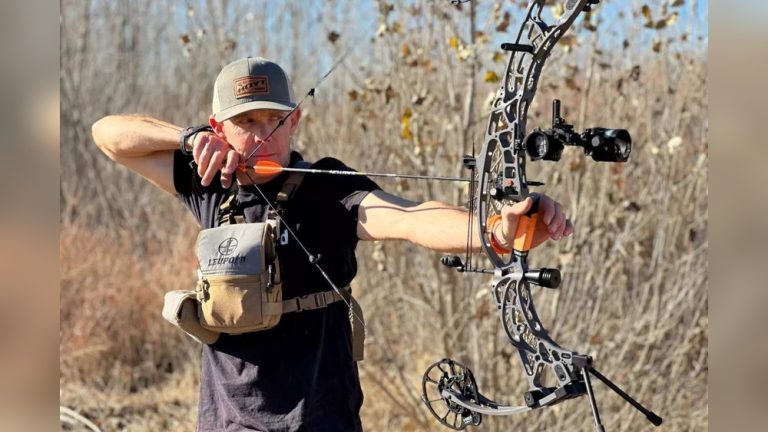
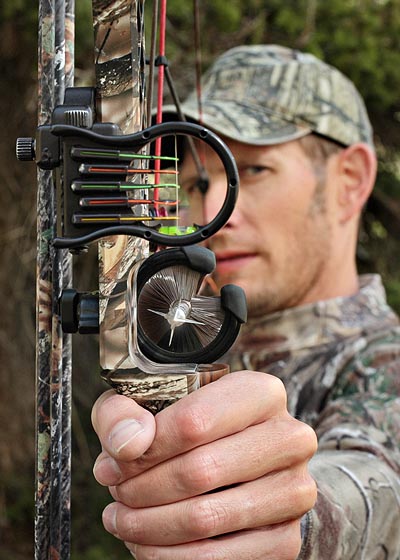
Learning to aim a compound bow involves understanding its unique mechanics. Focus on steady grip and relaxed posture. Align the sight pin with your target for accuracy.
Parts Of A Compound Bow
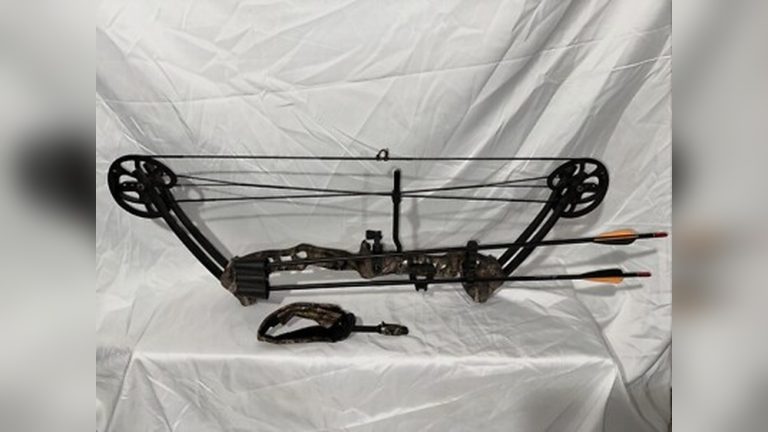
A compound bow has several key parts. The riseris the central part. It connects everything. The limbsattach to the riser. They bend back when you draw the bow. This stores energy. The camsare wheels at the ends of the limbs. They help you pull back the string easier. The stringis what you pull to shoot. The arrow restholds your arrow in place. The gripis where you hold the bow. The stabilizerhelps steady your aim. Sightshelp you aim better. Each part plays a role. Together, they make shooting fun.
Understanding Bow Mechanics
The compound bow uses pulley systems. This makes it easy to draw. Limbs store energy. Cams help release the energy. When you pull the string, the cams rotate. This is called let-off. It reduces the tension. It helps you hold the string back longer. More time to aim. The bow is powerful. It shoots arrows fast. Accuracy is key. Learn how each part works. Aim carefully. Practice makes perfect.
Setting Up Your Bow
Draw length is how far you pull the bowstring. It must match your arm length. Use a measuring tape to find your perfect fit. A wrong draw length makes shooting hard. Most bows have an adjustment feature. Check your bow’s manual for instructions. Safety is important. Make sure all adjustments are secure. Test the draw length before shooting. Practice will help you get it right. With each step, be patient.
Tuning your bow helps it shoot straight. Start by checking the bowstring. Strings should be tight and not worn out. Next, look at the bow limbs. They must be even and not twisted. Use tools to adjust them if needed. Inspect the arrow rest. It should hold the arrow steady. Also, see if the sight is aligned. A correctly tuned bow improves your aim. Practice often to keep it in top shape.
Choosing The Right Arrows
Arrows come in different materials. Carbon arrows are light and strong. Aluminum arrows are heavier. They are great for beginners. Some arrows combine materials. These are carbon-aluminum arrows. They offer the best of both worlds. Think about what fits your style. Each material changes how the arrow flies. Choose wisely for best results.
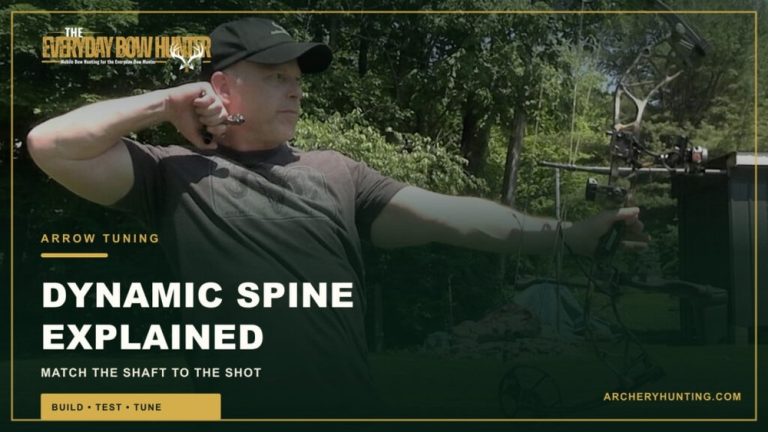
Arrow spine is important. It tells how much an arrow bends. Stiff arrows bend less. Flexible arrows bend more. The right spine helps arrows fly straight. Check the arrow’s label for spine information. Use a chart to match spine to your bow’s weight. Get help from an expert if unsure. Good spine means better aim.
Grip And Stance
Hold the bow with a relaxed hand. Avoid gripping too tightly. This can cause the bow to twist. Place the bow in the web between your thumb and index finger. Keep your fingers curled, not straight. This helps in keeping control. Make sure your wrist is relaxed. A stiff wrist can affect your aim. Practice holding the bow often. This helps build muscle memory. A proper grip is key for accuracy.
Stand with your feet shoulder-width apart. This gives you balance. Turn your body slightly sideways. Point one foot towards the target. Keep your knees soft, not locked. This helps you stay flexible. Keep your back straight. Posture is important for a good shot. Look straight ahead, eyes focused on the target. Maintain a calm and steady stance. Practice often for better results.
Aiming Techniques
Learn to aim a compound bow by focusing on the target and aligning your sight pin. Keep a steady grip and adjust your stance for better accuracy. Practice regularly to improve your consistency and shot precision.
Using Sight Pins
Sight pins help you aim better. They are small dots on your bow. Each pin shows a different distance. Use the top pin for closer targets. The lower pins are for far targets. Focus on one pin at a time. This helps you aim straight.
Focus And Target Alignment
Keep your eyes on the target. Your bow must be steady. Align the sight pins with the target. Breath slowly to stay calm. Hold your bow tight and steady. Release the arrow smoothly. Watch it fly to the target. Practice makes you better.
Credit: www.youtube.com
Breathing And Release
Proper breathinghelps in aiming the bow. Take a deep breath. Hold it gently. Aim at your target. Now, slowly let the air out. This calms your body. Your arms feel steady. Your eyes focus better. Breathing is like a secret tool. Use it well. It makes a big difference.
The releaseof the arrow must be smooth. Keep your fingers relaxed. Let the string slip away. Do not pull hard. Your hand should move back gently. This keeps the arrow straight. Practice helps. Try again and again. Soon, it feels natural. Smooth release makes the arrow fly true.
Improving Accuracy
Practice helps you shoot better. Try shooting every day. Consistency makes your aim better. Use the same grip always. Stand in the same way each time. This helps your body remember the best way to shoot. Repeat your steps every time you shoot. Doing things the same way helps you improve.
Check how your shots land. Notice any patterns. Are they too high or low? Adjust your aim to fix this. Make small changes. Observe how these changes affect your shots. Keep track of your progress. Write down what works and what doesn’t. This helps you learn more about your shooting style.
Advanced Skills
Learning to aim a compound bow involves understanding grip, stance, and focus. Proper alignment and steady breathing are crucial. Practice helps in improving accuracy and confidence.
Mastering Long-range Shots
Aiming at long-range targets can be tricky. Focus on your breathing first. Calm and steady breaths help stabilize your aim. Practice makes it easier. Use a consistent draw length every time. This helps accuracy. Adjust the sight for long distances. Small changes matter a lot.
Long-range shots need patience. Rushing can cause errors. Find the right balance between speed and precision. Confidence in your shot helps too. Believe in your skills. It improves your focus.
Dealing With Wind And Weather
Wind changes your arrow’s path. Observe the wind direction carefully. Adjust your aim based on the wind strength. Light winds need slight changes. Strong winds need more adjustments. Weather also affects your shot. Rain can make the bowstring slippery. Dry it before shooting. Cold weather can stiffen the bow. Warm it up for better performance.

Credit: www.wikihow.com
Frequently Asked Questions
How Do You Aim A Compound Bow Accurately?
To aim a compound bow accurately, focus on your posture, grip, and sight. Ensure your stance is stable and aligned. Use a consistent grip and position your sight pin on the target. Practice regularly to improve your precision and consistency.
What Is The Best Way To Hold A Compound Bow?
Hold the compound bow with a relaxed grip, avoiding tension in your hand. Align your knuckles at a 45-degree angle to the bow. This minimizes torque and enhances control. Ensure your grip is consistent for every shot to maintain accuracy.
How Can I Improve My Bow Shooting Skills?
Improving bow shooting skills requires regular practice and attention to technique. Focus on your form, breathing, and release. Use a target to measure progress. Consider professional lessons or workshops to refine your skills and receive expert guidance.
Why Is Anchor Point Important In Aiming?
The anchor point is crucial because it ensures consistency in your shots. It refers to a specific spot on your face where you draw the bowstring. A consistent anchor point helps maintain uniformity in your aiming, leading to more accurate shooting.
Conclusion
Aiming a compound bow takes practice and patience. Start with a solid stance. Focus on the target, keeping your sight steady. Adjust your grip for control. Follow through after releasing the arrow. Regular practice improves accuracy. Stay calm and breathe evenly during aiming.
Consistency is key for improvement. Remember, safety always comes first. Proper alignment of the bow and your body helps. Adjusting sights can aid precision. Every shot builds skill and confidence. Enjoy the process and have fun. With time, aiming becomes second nature.
Keep practicing and enjoy the sport.