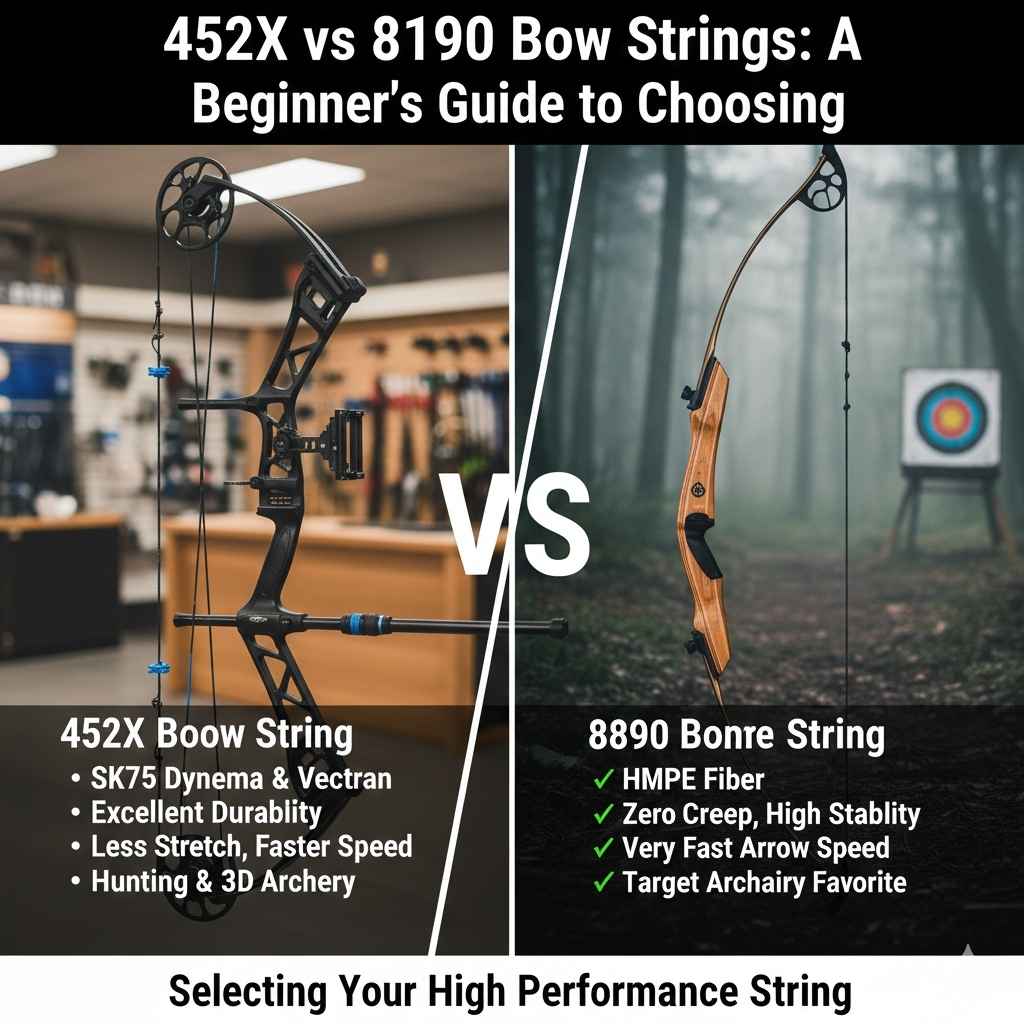
Choosing the right bow string can feel tricky, especially when you’re just starting. The differences between string materials and their performance can seem like a lot to take in. That’s why we’re here to help! This guide, focusing on 452X vs 8190 Bow Strings: Comparison Guide, breaks down the key aspects in a simple, step-by-step way. Don’t worry, we’ll explain everything clearly. We’ll explore the main differences, so you can confidently pick the string that’s perfect for your needs. Let’s get started!
What Are Bow Strings Made Of? A Look at Materials
Bow strings are like the engine of your bow. They take the energy from your draw and send it flying to your arrow. Choosing the right material is essential for accuracy, speed, and how your bow feels when you shoot. Different materials give different results, and the choice depends on your shooting style, bow type, and what you want to achieve. Knowing your options empowers you to make an informed choice.
Understanding the Basics of Bow String Materials
The core of a bow string’s performance starts with its material. Modern bow strings are usually made of synthetic fibers. These fibers are strong, durable, and don’t stretch as much as natural materials. This lack of stretch, or “creep,” is important for consistent accuracy. Two common types are discussed here: 452X and 8190.
- Dyneema (452X): Dyneema is an Ultra-High Molecular Weight Polyethylene (UHMWPE) fiber. It is super strong for its weight and shows very little stretch. It’s often used in high-performance bow strings and is valued for its speed and stability. Dyneema also has excellent abrasion resistance.
Dyneema fibers are made by a special process that aligns the molecules in a way that maximizes their strength and resistance to wear. It is known for its light weight and is frequently used in items where weight is a primary factor.
- BCY X (8190): BCY X, also known as 8190, is a blend of HMPE (High Modulus Polyethylene) and Vectran fibers. This combination gives it a unique balance of properties. Vectran adds extra stability and helps reduce stretch, while HMPE provides the strength. It is a good choice for people who want accuracy and consistency.
BCY X combines the best features of different fibers for optimal performance. The Vectran fibers offer a high level of stability, while the HMPE fibers ensure the durability and strength of the string.
- Material Blends: Some bow strings use a blend of materials. These mixtures are designed to combine the best aspects of different fibers. For instance, a blend could add stability from Vectran and strength from Dyneema.
Material mixtures often balance different needs such as speed, stability, and durability.
- Serving Material: The serving is the outer wrapping of the string. It protects the string from wear and provides a consistent surface for nock fit. The serving can affect how the arrow releases from the bowstring.
The serving material’s density can affect how the arrow is launched. Serving materials are chosen to resist abrasion from the arrow nock.
452X vs 8190 Bow Strings: Comparing Key Features
Deciding between 452X and 8190 bow strings means considering several factors. Each string has unique properties that affect its performance. This comparison helps you know the strengths and weaknesses of both choices. We’ll explore these differences to guide your selection.
Strength and Durability
The strength and durability of a bow string are key to its life and performance. A stronger, more durable string means it can withstand repeated use and the force of the bow. Durability determines how long your string will last before it needs replacement. Selecting the right string means you won’t have to change it too often.
- 452X: 452X is recognized for its great strength. It can handle heavy draw weights and repeated use. Its construction helps to resist wear from the bow’s use.
The strength of 452X comes from the Dyneema fibers, making it a reliable option for all types of archers.
- 8190: BCY X (8190) offers good durability. It’s designed to withstand the wear and tear of archery, offering a good life before needing a change.
The blend of HMPE and Vectran in 8190 contributes to its robustness. Vectran fibers add to its wear resistance.
- Serving Durability: The serving material’s durability is important, as it protects the string where the arrow nock attaches. A durable serving ensures consistent arrow release and a longer string life.
Consistent arrow release relies on the serving material’s durability. The choice of serving materials affects performance in the long term.
- Stretch Resistance: Both strings have low stretch, which helps maintain accuracy. Less stretch means your arrow’s flight path stays consistent over time.
Choosing a string with low stretch is necessary for a high degree of precision in archery.
Speed and Performance
The speed and performance of a bow string greatly impact the arrow’s flight. A faster string transfers more energy to the arrow, resulting in a flatter trajectory and potentially greater range. A high-performing string can improve your accuracy and consistency. Several factors combine to affect the speed and overall performance of the string.
- 452X: 452X is known for its speed. Its material allows for efficient energy transfer, increasing arrow velocity. This characteristic is beneficial for archers who want to maximize their arrow speed.
The construction of 452X results in an arrow speed that is favored in competitive archery.
- 8190: BCY X (8190) provides good speed. It may not be as quick as 452X. Still, the material blend gives a balance between speed and stability.
The mix of HMPE and Vectran fibers helps balance speed and the stability necessary for good arrow flight.
- Energy Transfer: The effectiveness of the string at transferring energy to the arrow is crucial. Strings that transfer energy efficiently lead to faster arrow speeds.
Maximizing energy transfer is essential to increase performance for archers.
- Creep: Minimizing creep, or the stretch of the string over time, is necessary for maintaining accuracy. Both string materials show a small amount of creep, but it is a factor in archery.
A bow string with little creep keeps the bow’s settings consistent, aiding accuracy and enhancing shot precision.
Feel and Stability
The feel and stability of a bow string affect the overall shooting experience. A stable string helps in consistent shooting, while the feel can impact your confidence and enjoyment. These factors influence how the bow responds when you draw, release, and hit the target. Your choice can impact comfort and the precision of each shot.
- 452X: 452X typically provides a firm feel. Some archers like this for its direct feedback. This feeling can allow them to better control their shots.
The firm feel of 452X allows for direct feedback to help improve the archer’s shot control.
- 8190: BCY X (8190) often provides a slightly smoother feel due to its blended material. Many archers find this more forgiving and comfortable.
The blend in 8190 offers a softer feel, which can boost confidence and improve shooting comfort.
- Vibration Dampening: The string’s ability to dampen vibration is vital for shot stability. Reduced vibration enhances accuracy and improves the overall shooting experience.
Less vibration contributes to a more predictable shot. This is key to consistency.
- Consistency: A consistent string provides predictability in your shots. This consistency results in improved accuracy over time.
Consistency in bow strings enables an archer to become more accurate.
Choosing the Right Bow String: Practical Application
Selecting the right bow string depends on several factors. Considering your style, bow type, and goals will guide you to the perfect string. Whether you seek speed, stability, or a combination of both, knowing your options helps you choose correctly. The choice is a balance of what you want and need from your archery equipment.
Archery Style and Target Use
Your archery style and how you use your bow influence string choice. Different styles and targets benefit from different string characteristics. Knowing your needs will help you choose wisely. Considering how you shoot is key to optimizing your setup.
- Target Archery: Accuracy and consistency are crucial in target archery. Strings that offer high stability and minimal stretch are generally preferred. This helps maintain the bow’s settings over many shots.
Strings used in target archery contribute to the precise shot accuracy necessary for this sport.
- Hunting: In hunting, speed and durability are important. Bowhunters want a string that can handle varying conditions. String choice can affect arrow penetration.
Hunters must balance speed and durability to ensure their bow is fit for diverse hunting circumstances.
- 3D Archery: 3D archery needs a balance of characteristics. Both speed and stability are significant. String choice affects how quickly and accurately you hit targets.
3D archers need a string that balances accuracy and speed to succeed in varying scenarios.
Bow Type and Compatibility
Your bow’s type and its compatibility with different strings are critical considerations. Different bows are designed to work best with different string materials and constructions. Considering this guarantees optimal performance. Ensure the string you choose is right for your equipment.
- Compound Bows: Compound bows often use high-performance strings like 452X because of their speed and stability. Compatibility with the cams and limb designs is crucial.
Choosing the right string for compound bows is essential for maximizing performance.
- Recurve Bows: Recurve bows benefit from strings that offer a smooth feel and consistent performance. 8190 or other blends can provide the necessary balance.
Recurve archers seek strings that improve accuracy.
- String Material and Bow Design: Consider your bow’s manufacturer’s recommendations. Each bow has specific material preferences. This ensures your bow operates safely and efficiently.
Following manufacturer suggestions is necessary to guarantee safe, optimal use.
Personal Preferences and Shooting Goals
Your personal preferences and shooting goals are essential to your choice of string. Think about the features that matter most to you. Whether it’s speed, feel, or a balance of both, your choice should match your needs. Your goals help you choose what best supports your success in archery.
- Accuracy vs. Speed: Do you prioritize accuracy or speed? If accuracy is the main goal, stability and consistency are crucial. If speed is essential, the material must handle energy transfer efficiently.
Choosing the right string should align with your archery goals.
- Feel and Comfort: Some archers like a more direct feel for better feedback. Others prefer a string that is more forgiving.
Personal preferences regarding the feel of the string should guide your choice.
- Budget and Value: String costs vary. Consider your budget and the value you want. Both 452X and 8190 offer different price points.
Make your choice according to your budget and the value you expect from your purchase.
Understanding Technical Terms
Let’s define some important terms related to bow strings. This information will help you know the technical aspects of string selection.
- Draw Weight: Draw weight is the force needed to pull the bowstring back to full draw. It’s measured in pounds. Different string materials are rated for different draw weights. Understanding your draw weight is necessary for choosing a safe string.
Draw weight is a crucial specification to consider when selecting bow strings. Match the string’s draw weight rating to your bow’s draw weight. This ensures safety and optimal performance. If the string is not rated for your bow, it could break.
- Creep: Creep is the stretch a string experiences under load over time. Low creep is desirable. It helps maintain the bow’s settings and improve accuracy. Strings with low creep keep your bow in tune for a longer period.
Creep influences the string’s performance and accuracy. A string with lower creep keeps the bow’s settings consistent over time. Regularly check your string and replace it when it shows too much creep.
- Serving: The serving is the protective wrapping around the bow string. It’s the part that contacts the arrow nock. It affects arrow release. High-quality serving prevents string wear and promotes consistent shooting.
Serving material influences the string’s life and the arrow’s release. Choose a serving material that’s suited to your arrow nocks. Proper serving is critical to prevent string damage.
- AMO Length: The AMO (Archery Manufacturers Organization) length is a standard measurement for bowstrings. It provides a reference for ensuring the string fits your bow correctly. Knowing the AMO length is necessary for string replacement.
The AMO length ensures the bowstring fits the bow. Using the correct length prevents improper functioning. If your bowstring is too long or short, your bow may not shoot arrows correctly.
- Strand Count: The strand count is the number of individual fibers that make up a bow string. A higher strand count generally makes the string stronger. Strand count affects the bow’s performance.
The strand count influences a bowstring’s strength. Select a bow string with the correct strand count.
Frequently Asked Questions
Question: What is the main difference between 452X and 8190?
Answer: The main difference lies in their materials and feel. 452X is made of Dyneema and is known for its speed and firm feel. 8190 is a blend, offering a more balanced approach to speed and stability, with a slightly softer feel.
Question: Which string is better for target archery?
Answer: Both can be used, but many target archers prefer 8190 for its balance of stability and accuracy. The blend in 8190 often provides more consistency over long shooting sessions.
Question: How do I know if I need to replace my bow string?
Answer: Check for wear and tear, serving separation, fraying, or any signs of damage. Also, if you notice your bow’s performance changing, it might be time for a new string.
Question: Can I use 452X on a recurve bow?
Answer: Yes, you can. However, many recurve archers prefer the smoother feel of 8190 or other blended materials. This preference comes down to individual feel.
Question: How often should I replace my bow string?
Answer: This depends on how often you shoot and the string’s quality. As a general guideline, replace your string every 1-2 years, or more often if you shoot frequently or see wear.
Final Thoughts
Choosing between 452X and 8190 bow strings is a matter of understanding your needs and goals. Both strings offer excellent performance. 452X excels at speed and is favored by many competitive archers. 8190, a blend of materials, strikes a balance between speed, stability, and comfort. The best choice depends on your shooting style, bow type, and what you want from your equipment. Your budget, personal preferences, and the specific demands of your archery activities should all factor into your choice. Consider the aspects we have covered when picking a string.
By learning what makes each of these strings special, you’re well-equipped to select the one that helps you achieve your best shots. Keep practicing, and enjoy your archery journey!