
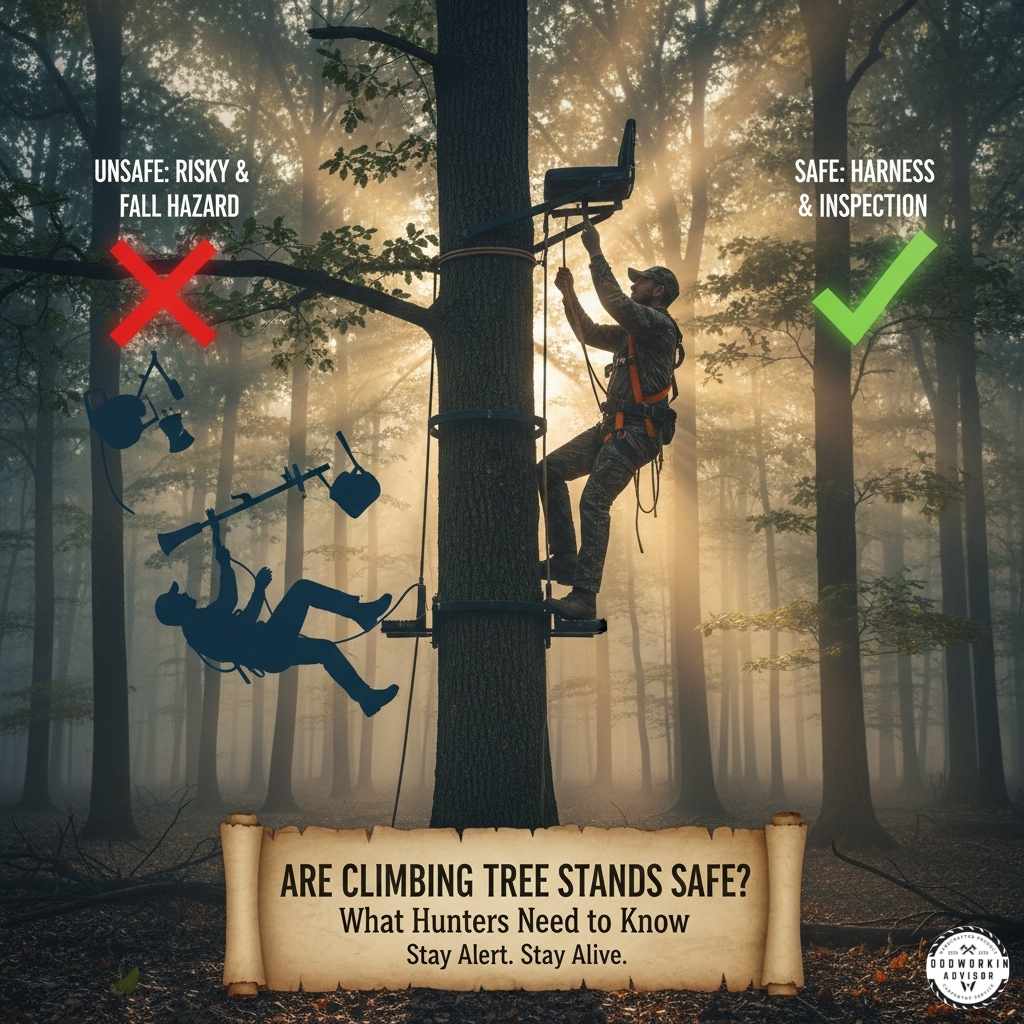
Thinking about using a climbing tree stand? You’re probably wondering, Are Climbing Tree Stands Safe? What Hunters Should Know. It’s a common question, especially for those just starting out. It can feel like there’s a lot to consider before you get up in the trees. Don’t worry, though. This guide makes everything easy to follow. We’ll explore the important stuff so you can stay safe on your next hunt. Get ready to learn step-by-step how to make sure your climbing tree stand experience is safe and enjoyable.
Understanding Climbing Tree Stands
Climbing tree stands offer hunters a way to elevate their position, providing better visibility and a scent advantage over game. They’re called “climbing” stands because they allow hunters to ascend and descend trees without using external ladders or steps. These stands are usually made of lightweight materials, and they attach to the tree using a combination of straps, cables, or gripping mechanisms. They are designed to be portable, allowing hunters to easily move to different locations. Knowing the different types, features, and how they function is the first step toward safe use. A good grasp of these basics will help hunters choose the right equipment and use it properly.
Types of Climbing Stands
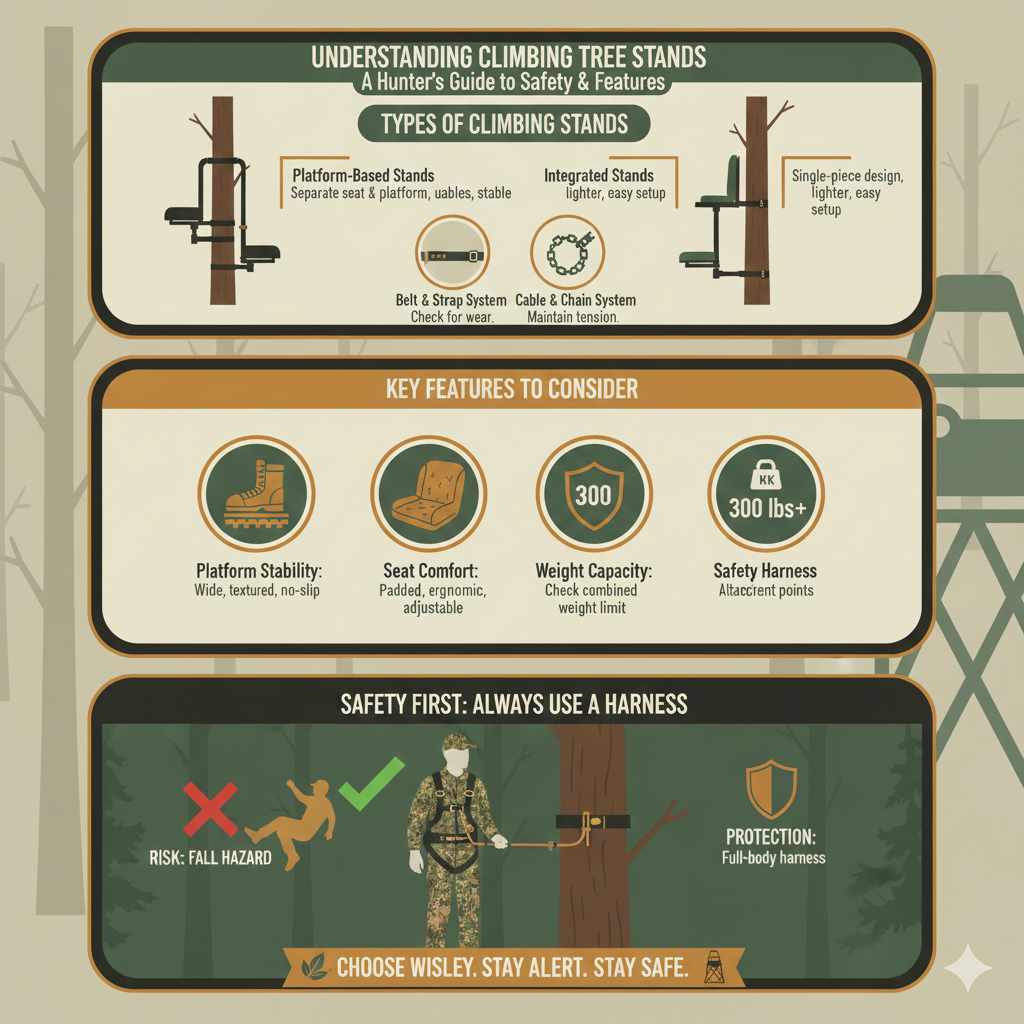
Climbing stands come in different styles. The most common types include those that use a platform and a seat that are connected by cables. These stands rely on the hunter’s weight to grip the tree securely. Other designs are more integrated, with the platform and seat combined into a single unit. These variations have different strengths and weaknesses, so picking the right one is key to safety and comfort. Think about the type of trees you hunt, your hunting style, and your personal preferences when making your choice.
- Platform-Based Stands: These stands separate the foot platform from the seat platform. The hunter typically uses their feet to push the platform up the tree and then pulls the seat up. This design can be very stable, offering a secure base.
- Integrated Stands: These are single-piece designs where the seat and platform are connected. They’re often lighter and easier to set up but might not be as stable on all tree types.
- Belt or Strap Systems: Most climbing stands use a belt or strap system to attach to the tree. These systems must be checked regularly for wear and tear. Always ensure the straps are tight before climbing.
- Cable or Chain Systems: Some stands use cables or chains to grip the tree. Make sure these are properly installed and maintained to prevent slippage.
Key Features to Consider
Climbing stands are packed with different features. Some are all about comfort, while others focus on safety. One important aspect is the type of platform; it must offer a stable and secure base for your feet. Next, look at the seat; make sure it’s comfortable for long periods. Finally, consider features like backrests, armrests, and footrests for a better hunting experience. Always prioritize stands that meet industry standards for safety, and pay attention to weight capacity. Understanding the different features and how they impact performance is important.
- Platform Stability: A stable platform is a must. Look for wide platforms that provide ample space to stand comfortably. Textured surfaces on the platform reduce the chance of slipping.
- Seat Comfort: If you’re going to be up in the stand for hours, you’ll need a comfortable seat. Padded seats and ergonomic designs help reduce fatigue. Make sure the seat is adjustable to suit your body type.
- Weight Capacity: Always check the stand’s weight capacity and be sure it can handle the combined weight of you, your gear, and clothing. Exceeding the weight limit can lead to a dangerous failure.
- Safety Harness Compatibility: Your stand should be compatible with a full-body safety harness. Look for models that have attachment points for your harness, so you are always securely connected.
Safety Equipment: The Essentials
Using the right safety gear can make a big difference when hunting from a climbing tree stand. A full-body safety harness is the most important piece of equipment. It keeps you connected to the tree from the ground to the top and back down. A lineman’s belt is critical for ascending and descending. It wraps around the tree and allows you to move safely while adjusting your stand or handling other tasks. Before each climb, inspect your gear for wear and tear. Proper care and use of safety gear can protect you from serious injuries.
Harness Types and Fit
Safety harnesses are not all the same. There are different types, so you need to pick the one that fits you best and offers the right level of protection. Full-body harnesses distribute the force of a fall across your entire body. They’re much better than chest or waist belts, which can cause serious injuries. A properly fitting harness is a key aspect of safety. Check the sizing charts provided by the manufacturer. Make sure the harness fits snugly without restricting your movement. Test the harness at ground level to get used to how it feels and works before you go up in the trees.
- Full-Body Harnesses: These harnesses distribute the force of a fall across the shoulders, chest, and legs. They’re the safest option for tree stand hunting.
- Chest Harnesses: Chest harnesses offer limited protection. They can cause serious injuries during a fall and aren’t recommended.
- Waist Belts: Waist belts are the least safe and should never be used for tree stand hunting. They provide minimal fall protection.
- Proper Sizing: Ensure the harness fits properly. It should be snug but still allow freedom of movement. Adjust the straps to fit your body type.
Lineman’s Belt and Lifeline Importance
A lineman’s belt and a lifeline are critical safety components. The lineman’s belt keeps you attached to the tree while you’re setting up the stand or making adjustments. A lifeline is a separate rope that stays attached to the tree from the ground to above your stand. You attach your safety harness to the lifeline using a carabiner. If you slip, the lifeline stops you from falling very far. Lifelines prevent falls during setup, climb, and descent, making them essential. Using these items properly significantly reduces the risk of serious injury while tree stand hunting.
- Lineman’s Belt: Use a lineman’s belt when climbing up and down the tree. It attaches to the tree and allows you to keep both hands free while moving.
- Lifeline: A lifeline is a rope that attaches to the tree above your stand. Your harness connects to it with a carabiner. This prevents long falls.
- Carabiner Use: Use high-quality carabiners to connect your harness to the lifeline and other safety devices. Make sure they are rated for the loads they’ll bear.
- Regular Inspections: Inspect the lineman’s belt, lifeline, and carabiners before each use. Check for wear, tears, and any damage. Replace anything that looks worn.
Proper Tree Stand Setup and Use
Setting up your climbing tree stand correctly is essential for safety. First, choose a healthy tree of the right species and diameter. Make sure the tree is straight and free of any dead limbs. After selecting your tree, follow the manufacturer’s instructions. Secure the stand properly and double-check all connections. Before climbing, always wear your safety harness and attach it to the lifeline. The right setup can help prevent accidents and make your hunting experience much safer.
Choosing the Right Tree
Choosing the right tree is one of the first steps toward safe tree stand hunting. Look for a healthy, straight tree without any dead limbs that could fall. The tree should be of a species that is strong enough to support the weight of the stand and you. Avoid trees with loose bark or signs of disease. The diameter of the tree is also important; it needs to be within the range specified by the manufacturer for your stand. Inspect the tree carefully before you climb it. This includes checking for any hazards, such as wasp nests or overhead power lines. Choosing the right tree lays the foundation for a safe experience.
- Tree Species: Look for sturdy trees such as oaks, maples, or hickories. Avoid trees that are known to be weaker, like softwoods or dead trees.
- Tree Diameter: Make sure the tree’s diameter is within the manufacturer’s recommended range for your stand. Too small or too large can compromise stability.
- Tree Health: Avoid trees with signs of disease or decay. Look for any visible damage, such as cracks, loose bark, or insect infestations.
- Obstructions: Make sure the tree is free of any obstructions. Avoid trees with branches or other hazards that could interfere with your climb or hunting.
Attaching and Securing Your Stand
Properly attaching and securing your stand is critical. Carefully follow the manufacturer’s instructions to ensure you assemble the stand correctly. Start by attaching the platform to the tree. Make sure the attachment points are secure and properly aligned. After securing the platform, attach the seat portion of the stand. Double-check all straps, cables, and connections. Ensure everything is tight and won’t slip during use. A poorly secured stand can lead to a fall. Take your time, pay close attention to each step, and don’t take shortcuts. It could save your life.
- Following Instructions: Always follow the manufacturer’s instructions for setting up your climbing tree stand. These instructions will guide you through each step.
- Secure Attachment Points: Make sure all straps, cables, and attachment points are securely fastened. Double-check everything before climbing.
- Weight Distribution: Check that the stand is properly balanced and that your weight is distributed evenly. This will help prevent slippage.
- Final Checks: Before climbing, perform a final inspection of the stand. Check all connections, straps, and cables to make sure everything is in place and secure.
Avoiding Common Mistakes
There are some common mistakes that hunters make that can lead to accidents when using climbing tree stands. One of the most common errors is not using a safety harness and lifeline. Also, many hunters fail to inspect their equipment regularly. Failing to choose the right tree for your stand is another issue. By avoiding these mistakes and paying close attention to safety, you can significantly reduce your risk of accidents. Practicing safe habits is key to staying safe and enjoying your hunting experience.
Ignoring Safety Gear
One of the biggest mistakes is skipping safety gear, or not using it correctly. A safety harness and lifeline are must-haves. Never climb a tree stand without wearing a properly fitted full-body harness and connecting it to a lifeline. You should always use a lineman’s belt when setting up your stand, ascending, or descending. Many accidents happen when hunters try to climb without securing themselves to the tree. If you’re not using the correct gear, you’re putting yourself at risk. Wearing the right gear and using it correctly is non-negotiable for safe tree stand hunting.
- Harness Use: Always wear a full-body harness, properly fitted. Attach it to a lifeline at all times while in the tree.
- Lifeline Attachment: Ensure your harness is connected to the lifeline from the moment you leave the ground to when you return.
- Lineman’s Belt Use: Always use a lineman’s belt when climbing up and down the tree or when setting up the stand.
- Gear Inspection: Always inspect all safety gear before each use. Check for any damage or wear and tear.
Improper Tree Selection
Choosing the wrong tree can put you in danger. Hunters might pick trees that are too small, have loose bark, or have dead limbs. A tree that’s not strong enough to support your weight, or that has unstable features, can cause the stand to fail. Always inspect the tree carefully before climbing. Make sure it’s the right species, has the correct diameter, and is free of hazards. When the tree isn’t selected correctly, it can lead to falls. Always prioritize choosing a sturdy, healthy tree for your climbing tree stand.
- Tree Health: Avoid trees with signs of disease or decay. Look for any visible damage.
- Tree Species: Choose strong species such as oaks, maples, and hickories.
- Diameter: Make sure the tree’s diameter falls within the manufacturer’s recommended range.
- Obstructions: Avoid trees with obstructions that could interfere with your climb or hunting.
Preparing for a Safe Hunt
Proper preparation is key to ensuring your safety when using a climbing tree stand. Start by practicing with your stand and safety gear on the ground before going into the field. This lets you get familiar with the equipment and how it works. Always inspect your stand and gear before each hunt. Have a plan in place in case of an emergency, and let someone know where you’ll be hunting and when you expect to return. Being prepared mentally and physically will go a long way in making your hunting experience safer and more enjoyable.
Practice, Practice, Practice
Before you use your climbing tree stand in the field, practice with it at ground level. This helps you get comfortable with the stand’s operation and how to use your safety gear. Set up the stand on a tree in your yard and practice attaching it, climbing, and securing yourself. Practice using your safety harness and lifeline. Familiarizing yourself with the equipment, including how to handle the stand and its various parts, is an excellent habit. This practice is extremely useful and improves your confidence in using the stand correctly. Being prepared and confident can prevent many accidents.
- Set up the Stand: Set up the climbing tree stand on a tree in your yard, following the manufacturer’s instructions.
- Practice Climbing: Practice climbing up and down the tree using the stand, the lineman’s belt, and the safety harness.
- Harness Familiarity: Get used to the feel of your full-body harness and how it fits. Practice attaching it to the lifeline.
- Gear Functionality: Learn how all the components of the stand and safety gear work, including straps, buckles, and attachment points.
Pre-Hunt Inspections and Maintenance
Always inspect your climbing tree stand and safety gear before each hunt. Look for any signs of wear, damage, or malfunction. Check all straps, cables, and connections. Replace any parts that show wear or damage immediately. Maintaining your equipment is an ongoing process. Clean and store your stand properly after each hunting season, and make any repairs or replacements as needed. A well-maintained stand and gear are more reliable and increase your safety. Taking the time for pre-hunt inspections can catch problems before they become accidents.
- Stand Inspection: Check the platform, seat, and all attachment points for any signs of damage or wear.
- Strap and Cable Inspection: Inspect all straps and cables for fraying, cuts, or other damage. Replace any damaged parts.
- Harness Inspection: Check the stitching, buckles, and straps of your safety harness for wear and tear. Replace your harness regularly, as recommended by the manufacturer.
- Seasonal Maintenance: Clean and store your stand properly after each hunting season. Make any necessary repairs and replacements.
Weather and Environmental Considerations
The weather and environment can have a big impact on your safety while hunting from a climbing tree stand. Wind, rain, snow, and extreme temperatures can make climbing and sitting in a tree stand more hazardous. High winds can cause your stand to sway and increase your risk of falling. Wet conditions can make the stand slippery. Before heading out, check the weather forecast and plan accordingly. Staying aware of the environment and making changes to stay safe is very important.
Wind and Stability
Wind can increase the risks associated with climbing tree stands. High winds can make the stand unstable, increasing the chances of the stand swaying or even falling. Always check the wind forecast before your hunt and avoid climbing in high winds. If the wind picks up while you’re in the stand, consider coming down. Always choose trees that are strong and protected from the wind. Wind gusts can change quickly, so pay attention to the wind’s strength. Being vigilant about wind conditions is crucial for your safety.
- Wind Forecasts: Before each hunt, check the wind forecast. Avoid climbing in high winds or during wind gusts.
- Tree Selection: Choose trees that are strong and somewhat sheltered from the wind, if possible.
- Stand Stability: Make sure your stand is securely attached and stable in the wind.
- Wind Awareness: Stay aware of the wind’s direction and speed while you’re in the stand. If conditions change, consider coming down.
Dealing with Rain and Temperature
Rain and extreme temperatures can affect tree stand safety. Rain makes the stand and surrounding areas slippery, increasing the chance of slips and falls. Ice can also form on the stand, making it very dangerous. Always use caution in wet conditions and consider postponing your hunt if conditions are poor. Extreme temperatures can affect your body’s performance and increase fatigue. Dress in layers to stay comfortable and prevent hypothermia or heatstroke. The goal is to always make safe choices that consider the environment.
- Rain Considerations: Avoid climbing in the rain. Wet surfaces are slippery and can increase the risk of falls.
- Temperature Management: Dress in layers to stay warm in cold weather and cool in hot weather.
- Gear Protection: Protect your gear from the elements. Use covers and waterproof bags to keep your equipment dry.
- Emergency Preparedness: Always be prepared for changing weather conditions. Carry extra clothing and emergency supplies.
Frequently Asked Questions
Question: How often should I replace my safety harness?
Answer: It’s best to replace your safety harness every 3-5 years, or sooner if it shows any signs of wear and tear, such as frayed stitching or damaged buckles.
Question: What should I do if my tree stand starts to slip?
Answer: If your stand starts to slip, remain calm. Lean back into your safety harness and lifeline. Slowly and carefully descend to the ground, and inspect the stand and the tree before trying again.
Question: Can I use a climbing tree stand on any type of tree?
Answer: No, you should only use a climbing tree stand on healthy trees with the right diameter. Avoid trees that are too small, have loose bark, or have dead limbs.
Question: What’s the best way to clean and store my climbing tree stand?
Answer: Clean your stand with mild soap and water after each season. Store it in a cool, dry place away from direct sunlight and extreme temperatures.
Question: Should I hunt with a partner when using a climbing tree stand?
Answer: Hunting with a partner is a great way to improve safety. Having someone nearby can provide assistance in case of an accident.
Final Thoughts
Staying safe while hunting from a climbing tree stand requires a smart approach. You’ve explored the importance of choosing the right equipment, focusing on safety harnesses, and knowing how to correctly set up your stand. You’ve also learned about recognizing and avoiding common mistakes, from the incorrect selection of trees to overlooking crucial safety procedures. You also explored the ways weather and environmental conditions can impact your safety. By remembering these key points and making them a part of your hunting routine, you can increase your safety. Always remember, the best way to enjoy your hunt is to return home safely. Make safety your top priority.