
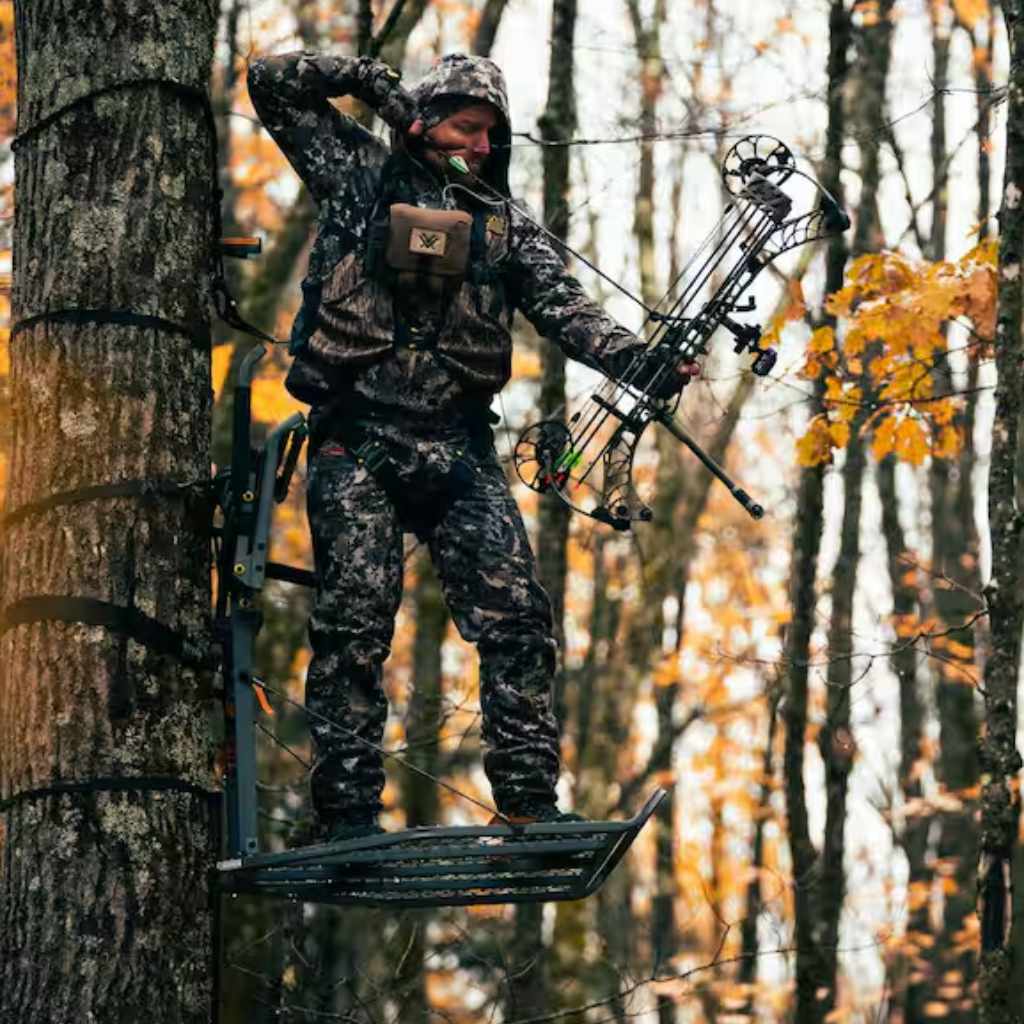
Thinking about using a tree stand for hunting? One common question is, Are Hang-On Tree Stands Safe? Safety Tips & Facts can seem tricky, especially if you’re new to it. Don’t worry, it doesn’t have to be confusing. This post will break down everything you need to know in a clear, step-by-step way. We’ll cover important safety measures and practical advice to keep you secure in the tree. Ready to get started and feel confident in the stand? Let’s explore!
Evaluating Hang-On Stand Safety
When considering the use of tree stands, one of the first and most critical questions is, “Are Hang-On Tree Stands Safe? Safety Tips & Facts.” The answer is complex, as the safety of a hang-on stand depends heavily on several factors. These factors include the quality of the stand itself, proper installation and maintenance, and the user’s adherence to safety protocols. Hang-on stands, unlike ladder or climbing stands, often require a higher level of skill and attention to detail during setup and use. They are fixed to the tree, which can provide a more stable platform but also presents unique challenges.
One primary concern with hang-on stands is the potential for falls. Many hunting-related injuries and fatalities are attributed to falls from tree stands. These falls can occur during the installation, climbing, or descending process, or even while seated in the stand. The risk of injury is further increased by environmental conditions, such as wet or icy weather, or the user’s physical condition, such as fatigue or impaired judgment. Regular inspection of the stand, the use of a full-body harness, and the implementation of a safety system are essential for mitigating these risks. It’s also important to check the tree for any signs of decay or weakness that could compromise the stand’s stability.
Stand Quality and Construction
The build quality of a hang-on tree stand is a significant determinant of its safety. Stands are manufactured from different materials, including steel and aluminum. Steel stands are usually more affordable and can handle heavier weight capacities but can be heavier to carry. Aluminum stands are lighter, making them easier to transport and set up, but may be more expensive. Choosing a stand with a solid construction and using high-quality materials is essential. Inspect the stand for welds, connections, and any signs of damage before each use. Make sure the stand meets industry standards and has been tested for weight capacity. Regularly check for any wear and tear. Damaged or worn components should be
- Material Strength: Steel and aluminum offer different advantages. Steel stands are usually stronger but heavier. Aluminum stands are lighter but require careful inspection. The materials must be able to support the weight of the user and their equipment safely.
For example, if the stand is rated for a 300-pound capacity and you weigh 200 pounds and are carrying 50 pounds of equipment, you still have 50 pounds of headroom for unexpected forces. If you are close to the maximum weight limit, the stand may not be as stable or safe. The higher the weight rating, the safer the stand is.
- Welding and Construction: Examine welds and joints for any signs of cracking or weakness. Proper welding is critical for the stand’s structural integrity. Poorly constructed stands can fail under stress.
If you see any rust, it’s also important to check it. If rust is present, try to clean it off and see if it looks like the welding material is still intact. If it appears damaged in any way, don’t take the risk; replace the stand.
- Weight Capacity: Always choose a stand that exceeds your total weight (body weight plus equipment). Never exceed the stand’s weight limit. This ensures the stand can handle the load under various conditions, including sudden movements or gusts of wind.
If you weigh 220 pounds and have 30 pounds of gear, select a stand with a minimum capacity of 250 pounds or more. This allows for a safety buffer and accounts for the dynamic forces that may occur while in the stand.
Proper Installation Techniques
Incorrect installation is a leading cause of tree stand accidents. Before using any hang-on stand, it’s crucial to follow the manufacturer’s instructions. Select a healthy, stable tree that meets the stand’s specifications (usually a minimum diameter). Avoid trees that show signs of rot, disease, or damage. Using the right hardware, such as tree stand chains or straps, is crucial for attaching the stand securely to the tree. Always use a lineman’s belt when climbing to and from the stand. The belt keeps you connected to the tree, minimizing the risk of a fall. The platform should be level and secure, allowing you to move around comfortably without shifting the stand.
Always inspect the tree for hazards before installation. Be aware of any branches that could interfere with your movement or cause an obstruction. Be sure to understand your stand’s locking mechanism and how to properly set it. Make sure the stand is securely fastened and that all connections are tight. Finally, check the stand’s stability before putting your full weight on it. This confirms that it’s properly installed and will support your weight. Take your time during the setup process, and if you are unsure about any step, seek help from a knowledgeable person or consult the manufacturer’s instructions.
- Tree Selection: Choose a live, healthy tree of the appropriate diameter and species. Avoid trees with any signs of decay, damage, or leaning that could compromise its stability. A sturdy tree is fundamental to a safe setup.
Select a tree with a minimum diameter of 12 inches for a tree stand. This ensures that the tree can provide adequate support for the stand and the hunter. Select a straight tree that is clear of obstructions.
- Use of a Lineman’s Belt: A lineman’s belt is vital for safe climbing. Use the belt to secure yourself to the tree while ascending and descending. This prevents falls during the most dangerous parts of the process.
The lineman’s belt should be used anytime your feet are off the ground, during the initial ascent, and as you set the stand. Using a lineman’s belt will help prevent slips and falls.
- Correct Hardware: Always use the recommended chains or straps provided by the manufacturer. These are designed to hold the stand securely to the tree. Ensure all hardware is in good condition, free from rust or damage.
The straps should be snug, not loose, to prevent the stand from moving or shifting. Regularly inspect these components for wear and tear, and replace them if necessary to maintain safety.
Safety Equipment for Tree Stand Use
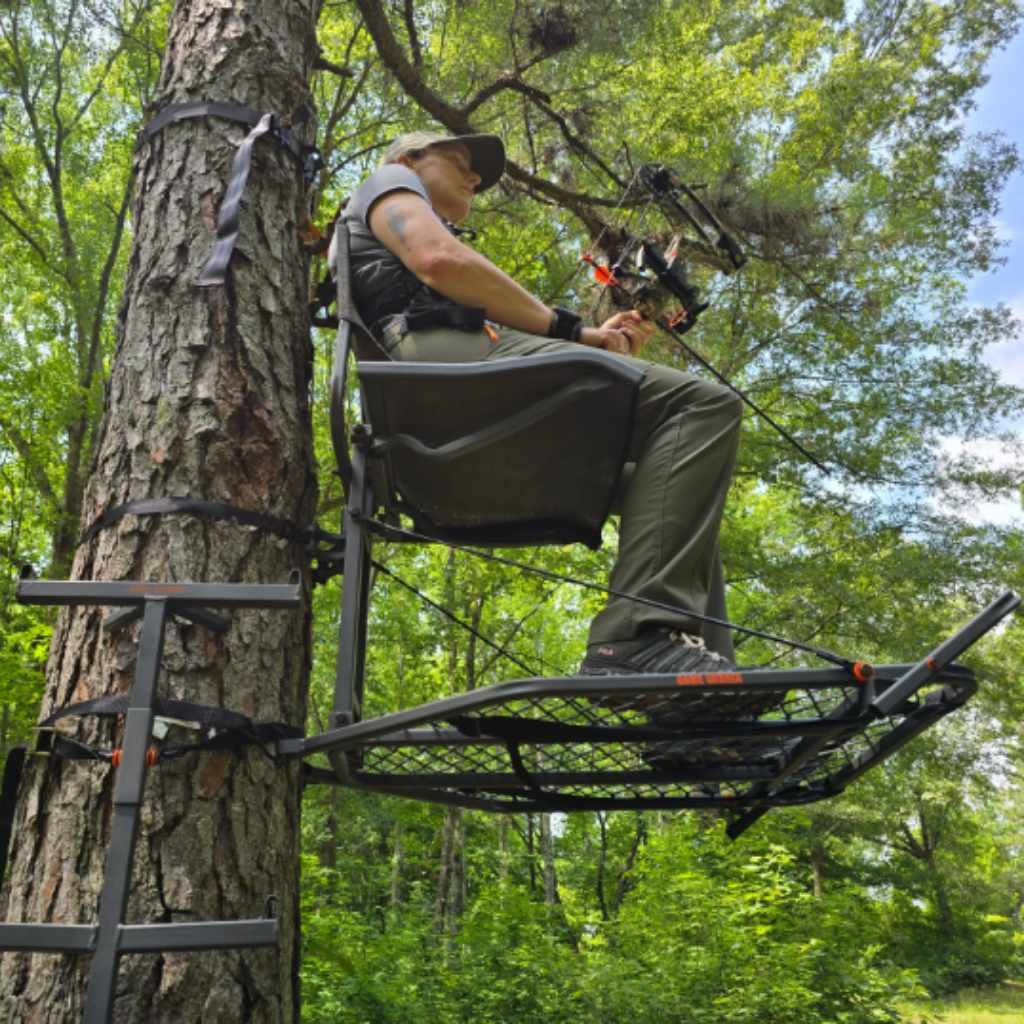
Using the right safety equipment is non-negotiable for anyone using hang-on tree stands. The foundation of any safety plan is a full-body harness. This harness is designed to distribute the impact of a fall across the body, reducing the risk of serious injuries. Make sure the harness fits correctly and is properly adjusted before each use. Never use a tree stand without wearing a full-body harness. In addition to a harness, a safety rope or lifeline system is highly recommended. This system keeps you connected to the tree from the ground up, providing continuous fall protection. Practice using your safety gear before hunting season to become comfortable with it.
Carry a safety plan and communication devices. Let someone know where you will be hunting and when you expect to return. Consider carrying a cell phone, a personal locator beacon (PLB), or a two-way radio to be able to call for help if needed. Carry a first-aid kit with supplies to handle any minor injuries. A whistle can also be helpful for signaling for assistance. Before going up, review the manufacturer’s instructions for the stand and harness. Take time to inspect all equipment for wear and tear. Inspecting your gear before each hunt ensures you’re prepared for unexpected situations. This preparation can make a big difference.
Full-Body Harnesses and Their Importance
A full-body harness is a key piece of safety equipment for tree stand hunters. The harness should fit snugly, with the chest strap positioned at the sternum and the leg straps properly adjusted. Regularly inspect your harness for any signs of damage, such as tears, cuts, or frayed webbing. If there is damage, replace the harness immediately. Test the harness’s fit and function by practicing in a safe environment. Attach the harness to a secure anchor point and test its ability to support your weight. This helps you get used to wearing the harness and ensures it will perform as intended. Always follow the manufacturer’s instructions for your specific harness model to ensure proper use.
- Proper Fit: Ensure the harness fits correctly and is adjusted to your body size. A poorly fitted harness can cause serious injury in the event of a fall. The harness should be snug enough to prevent excessive movement but not so tight that it restricts breathing or movement.
A properly fitted harness distributes the force of a fall across the body, reducing the risk of severe injury. Adjust the leg straps so they are snug but not constricting, and the chest strap should be at sternum level.
- Inspection and Maintenance: Before each use, inspect the harness for any signs of wear, such as cuts, abrasions, or damage to the stitching. Replace the harness immediately if any damage is found. Proper maintenance, including cleaning and storage, can extend the life of your harness.
To clean a harness, gently wash it with mild soap and water, then air dry. Don’t use bleach or harsh chemicals that can degrade the materials. Store the harness in a cool, dry place away from direct sunlight and chemicals.
- Attachment Points: Always connect your harness to the tree or safety system using the correct attachment points, as indicated by the manufacturer. Using the wrong attachment points can compromise the harness’s effectiveness.
Make sure the attachment points are securely connected to the tree. If your harness has multiple attachment loops, use the ones recommended by the manufacturer. These points are typically designed to distribute the force evenly in the event of a fall.
Lifelines and Safety Systems
A lifeline or safety rope system provides continuous fall protection. This system keeps you connected to the tree from the ground to the stand. This is useful during the climbing and descending phases, which are the most dangerous. Install the lifeline from the ground up before climbing. Attach your harness to the lifeline using a carabiner or a specialized device that slides smoothly along the rope. Never detach from the lifeline until you are safely on the ground. This system makes sure you are always connected to the tree, minimizing the risk of falls.
When selecting a lifeline system, consider its length, strength, and ease of use. Choose a lifeline long enough to reach from the ground to the top of the tree stand. Make sure the lifeline is strong enough to support your weight and is made of durable materials. Test the system before use by verifying that the carabiners or other connectors function correctly. Practice using the lifeline system in a safe environment. This will help you get comfortable with the system and ensure you can use it correctly when it matters. Learn the proper installation and removal procedures, as well as how to manage the excess rope while climbing.
- Continuous Connection: The primary purpose of a lifeline is to provide a constant connection between the hunter and the tree, which eliminates the potential for a free fall. This system helps prevent falls during all phases of tree stand use.
The safety cable runs from the ground up, allowing the hunter to move up and down the tree without ever disconnecting. The harness is connected to a sliding device that travels with the hunter.
- Proper Installation: Install the lifeline according to the manufacturer’s instructions. Incorrect installation can compromise the system’s safety. Always ensure the system is properly anchored at the top and bottom.
The lifeline should be securely attached to the tree using a suitable anchor point. Check the system’s components for damage. Before each use, inspect the rope, carabiners, and other connectors for wear and tear.
- Correct Use: Attach the harness to the lifeline before leaving the ground and remain connected until you return. Never disconnect from the lifeline while in the tree. Make sure you understand how to use the sliding device on the lifeline and how to manage any extra rope.
The sliding device should move freely up and down the lifeline, allowing the hunter to ascend and descend with ease. Regularly check the sliding device to make sure it is operating correctly.
Weather and Environmental Considerations
Weather conditions can dramatically impact the safety of tree stand use. Wind, rain, snow, and ice can all create hazardous situations. High winds can cause the stand to sway or even detach from the tree. Rain and snow can make the stand and surrounding surfaces slippery, increasing the risk of falls. Ice can make trees and climbing surfaces extremely dangerous. Before climbing into a stand, always check the weather forecast. Avoid using a tree stand during periods of high winds, storms, or freezing precipitation. Even moderate weather conditions can compromise safety. Be aware of the dangers and prepare to adjust your plans.
Aside from the weather, your hunting environment can create hazards. Be mindful of the terrain around your tree stand. Uneven ground, fallen branches, and other obstacles can increase the risk of falls. Choose a stand location that provides a clear and safe climbing path. Be aware of the presence of other hunters, and always let someone know where you will be hunting and when you plan to return. Carry a communication device in case of an emergency. Proper planning and attention to environmental factors are crucial for maintaining safety. Adjust your plans if conditions aren’t right.
Wind and Stability
Wind can create dangerous conditions for tree stand users. High winds can cause the stand to sway, making it harder to maintain your balance. In extreme cases, strong winds can even cause the stand to detach from the tree. Before using a tree stand, always check the wind forecast. Avoid using a stand in winds exceeding 20-25 mph. Consider the direction of the wind and its effect on the tree stand location. Trees that are exposed to strong winds may be more susceptible to falling branches or even being uprooted. Stay aware of changing conditions and be prepared to take action if the wind picks up.
- Wind Speed Monitoring: Constantly monitor the wind speed. Use a weather app or a handheld anemometer to track wind conditions. Adjust your hunting plans based on the current and forecast wind speeds.
If winds are expected to increase during your hunt, consider coming down from your stand. Stay aware of the changing wind patterns, and prepare for any sudden gusts.
- Stand Inspection in Windy Conditions: Carefully inspect the stand and the tree attachment points. Ensure that everything is securely fastened and that the stand is not moving excessively. Listen for any unusual sounds that could indicate a problem.
If you experience excessive swaying or movement, consider moving to a different location or abandoning the hunt for the day. Be aware of the impact of wind gusts on your balance.
- Tree Selection and Positioning: Select tree stands in sheltered locations. This can reduce the impact of the wind. Consider the direction from which the wind typically blows, and position yourself accordingly.
Choose trees with a sturdy and well-established root system and avoid trees that are exposed to strong winds. If possible, hunt in areas with natural windbreaks, such as dense forests or hills.
Precipitation and Slippery Conditions
Rain, snow, and ice can create extremely dangerous conditions for tree stand users. Wet surfaces become slippery, increasing the risk of slips and falls. Ice can form on climbing steps, the tree stand platform, and surrounding branches, making them treacherously slippery. Always check the forecast for any precipitation. Avoid using tree stands during or immediately after rain, snow, or freezing rain. When climbing, take slow, deliberate steps and maintain three points of contact. Use non-slip footwear and consider using ice cleats or other devices to improve your grip. If conditions become hazardous, get down from the stand and suspend your hunt.
- Surface Conditions: Snow and ice can form on climbing steps, making them extremely slippery. Rain can make the platform of the tree stand slippery. Always inspect climbing surfaces before ascending or descending.
Carefully brush snow or ice off the steps and platform. Use a boot brush or scraper to remove any obstructions. Choose tree stand locations that receive direct sunlight, as this helps melt ice.
- Footwear and Grip Aids: Wear boots with aggressive treads to increase your traction. Consider using ice cleats or other grip aids, especially if you are hunting in icy conditions. Make sure your footwear is clean and dry.
Non-slip footwear can help improve grip and reduce the chance of slipping. Check your footwear for any wear and tear that could reduce its effectiveness. Practice using your grip aids before going on a hunt.
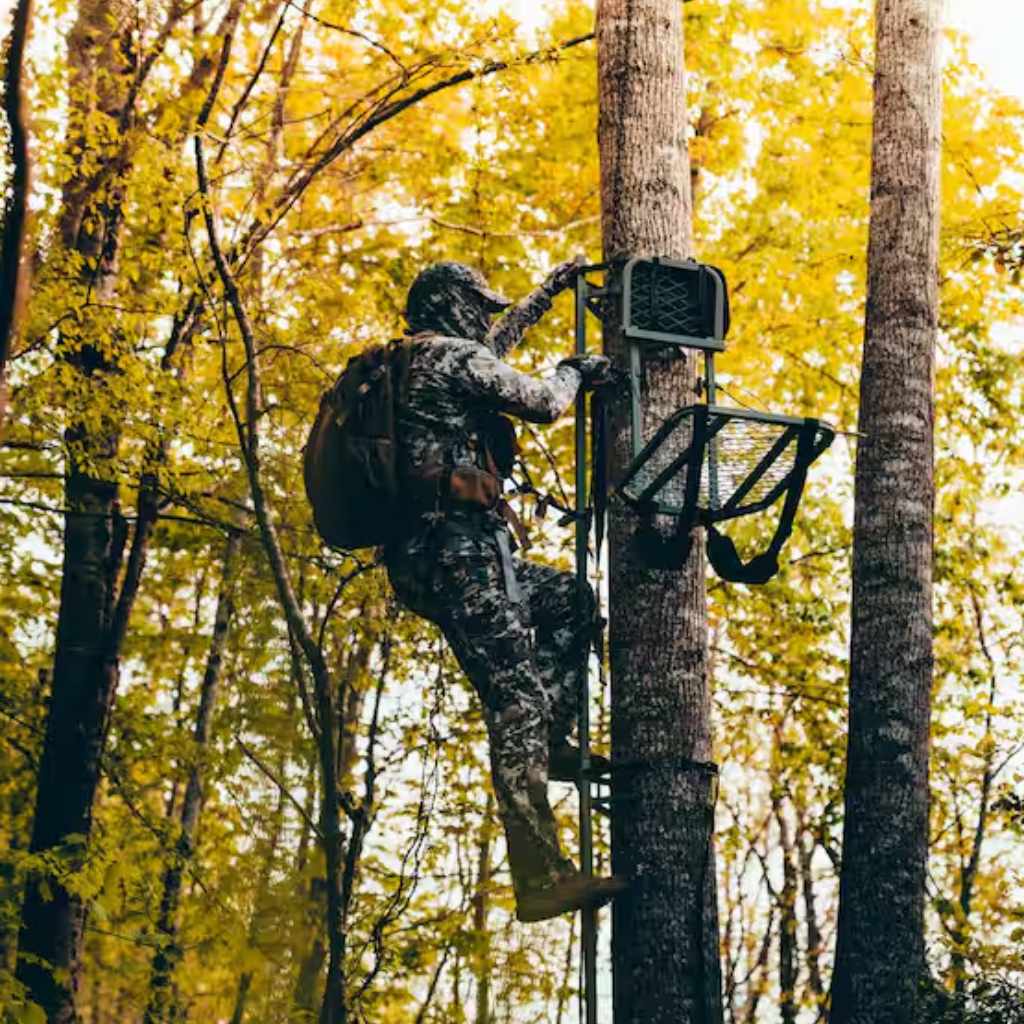
- Climbing Techniques: Climb slowly and deliberately, maintaining three points of contact at all times. Avoid sudden movements or jerking motions, which can throw you off balance. Be sure to use a climbing system and lineman’s belt.
Whenever possible, place your feet directly on the climbing steps, rather than stepping over them. This helps improve stability. When descending, use the same precautions as when ascending.
Proper Hunting Practices and Safety Habits
Safe tree stand use goes beyond equipment and installation; it’s also about adopting good hunting practices and safety habits. Always let someone know where you will be hunting and when you expect to return. Have a communication plan in place, and carry a cell phone, radio, or other device to contact help if necessary. Stay alert at all times, and avoid distractions such as using your phone or reading. Ensure you are familiar with the area. Know the location of potential hazards. Avoid any risky behavior, such as taking shortcuts or climbing in the dark. By integrating good practices into your routine, you can make a big difference in the safety of your hunting experience.
Practice using your equipment before the hunting season. This includes setting up your stand, using your harness, and climbing with a safety rope. Being comfortable with your equipment will increase your confidence and reduce the risk of accidents. Participate in hunter education courses or other training opportunities to enhance your skills and knowledge. Stay up-to-date with safety guidelines. Regularly review your safety protocols and make adjustments as needed. If you ever feel uneasy or uncertain about a situation, don’t hesitate to come down from the stand or change your plans. Your well-being is the top priority.
Avoiding Fatigue and Impaired Judgment
Fatigue and impaired judgment are major contributors to tree stand accidents. When you’re tired, your reaction time slows down. This makes it harder to maintain your balance and make quick decisions. Avoid hunting when you’re excessively tired or haven’t gotten enough sleep. Avoid using alcohol or drugs before or during your hunt. These substances can impair your judgment and coordination. Take breaks during your hunt to rest and refocus. Drink plenty of water and eat regular snacks to maintain your energy levels. If you start to feel fatigued, come down from your stand and rest before continuing.
- Adequate Rest: Get a good night’s sleep before your hunt. Being well-rested improves your alertness and coordination. Plan your hunting schedule so you are not fatigued before or during your hunting experience.
Aim for 7-9 hours of sleep before a day of hunting. Avoid rushing to your hunting spot early in the morning and take breaks during the day to help rest your mind and body.
- Hydration and Nutrition: Stay hydrated by drinking plenty of water and eating regular snacks. Dehydration can lead to fatigue and reduced cognitive function. Bring nutritious snacks to maintain your energy levels.
Pack water and healthy snacks, such as nuts, fruits, and granola bars. Avoid sugary drinks and snacks, which can cause energy spikes and crashes. Eat meals with protein to help sustain your energy levels.
- Recognizing Impairment: Be aware of the signs of fatigue, such as drowsiness, difficulty concentrating, and slow reaction times. Immediately come down from your stand if you start to feel tired or impaired.
If you notice that your reactions are slower than usual, or you start to feel clumsy or uncoordinated, stop hunting. Make sure someone else knows where you are hunting so you have assistance if needed.
Communication and Emergency Planning
A solid communication and emergency plan can save lives. Tell someone where you will be hunting, the specific location, and the estimated time of your return. This person can alert authorities if you don’t return as scheduled. Carry a cell phone, a two-way radio, or a personal locator beacon (PLB) to call for help. Learn the proper way to use your communication device. Make sure your devices are charged before your hunt. Know the emergency contact numbers for the local emergency services. In the event of an accident, remain calm and assess the situation.
Create a backup plan. Identify nearby landmarks or other recognizable features that can help rescuers locate you. Pack a first-aid kit with supplies to treat minor injuries. Make sure you know how to use the items in the kit. Know how to identify and treat common hunting-related injuries, such as cuts, sprains, and insect bites. Practice calling for help and providing your location to emergency responders. Having a well-defined emergency plan gives you peace of mind and increases your chances of a safe outcome in the event of an accident. Always remember that your safety is a team effort.
- Inform Someone of Your Plans: Before each hunt, notify a trusted person of your hunting location, expected return time, and hunting plans. Provide details about the specific stand location and the area you will be hunting.
Give your contact person specific information, such as tree stand location, including GPS coordinates. Include details about your hunting plan, such as what time you plan to be in the stand and when you expect to return.
- Carry Communication Devices: Always carry a cell phone, two-way radio, or personal locator beacon (PLB) with you. Make sure the devices are fully charged and functioning correctly. If you’re using a cell phone, check for cell service in the area.
Learn how to use your communication devices before the hunting season. Make sure you know how to send a distress signal and relay important information about your location and situation.
- Emergency Procedures: In case of an emergency, remain calm and assess the situation. Provide a clear and concise description of the incident, your location, and any injuries or medical needs. Wait for help to arrive.
If you are injured, try to remain in a safe position. Use the communication device to contact emergency services and let them know the situation. Follow any instructions provided by the responders.
Frequently Asked Questions
Question: How often should I inspect my tree stand?
Answer: Inspect your tree stand before every use. Check for any damage, wear and tear, and ensure all parts are functioning correctly. Regular inspections are key to your safety.
Question: What’s the best way to prevent falls from a tree stand?
Answer: Always use a full-body harness and a safety rope or lifeline system. Make sure these are used from the moment you leave the ground to the moment you get back down.
Question: What do I do if my stand becomes unstable while I’m in it?
Answer: If your stand feels unstable, carefully lower yourself to the ground, using your safety gear. Do not attempt to fix it while in the tree.
Question: What should I do if the weather turns bad while I’m hunting?
Answer: If weather conditions worsen, such as strong winds or heavy rain, come down from the stand immediately. Safety always comes first.
Question: Can I use any tree for a hang-on stand?
Answer: No, you should choose a live, healthy tree with the right diameter. Avoid trees with any signs of rot, disease, or damage that could affect the tree’s stability.
Final Thoughts
When considering the question, “Are Hang-On Tree Stands Safe? Safety Tips & Facts,” remember that safety depends on a combination of factors. Choosing the right stand and setting it up correctly is a great start. Always inspect your stand and make sure you’re using top-quality safety gear, including a full-body harness and lifeline. Familiarize yourself with how the wind and weather affect your stand and environment. Always take steps to avoid fatigue and impaired judgment; know your limits. Finally, it’s all about creating good habits and putting safety first. By following these guidelines, you can significantly reduce risks and make the experience more enjoyable. Hunt safely and responsibly!