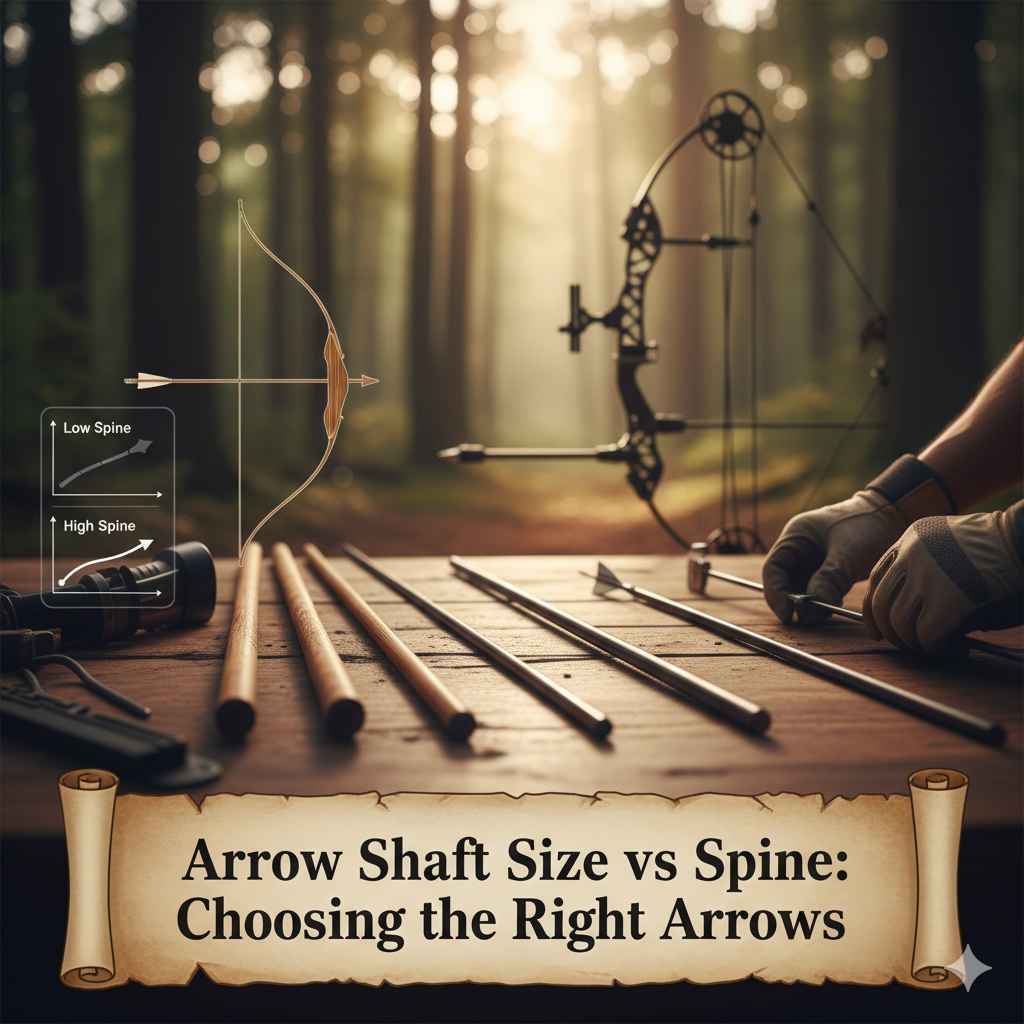
Choosing the right arrows can feel tricky, especially when you’re just starting. The question of Arrow Shaft Size vs Spine: What Matters Most often pops up for beginners. It’s easy to get confused by all the numbers and terms. Don’t worry, though! This post breaks down everything in simple steps. We’ll explore the essential parts of an arrow and give you a clear path to selecting arrows that will fly straight. We’ll start with the basics.
What Makes Up an Arrow?
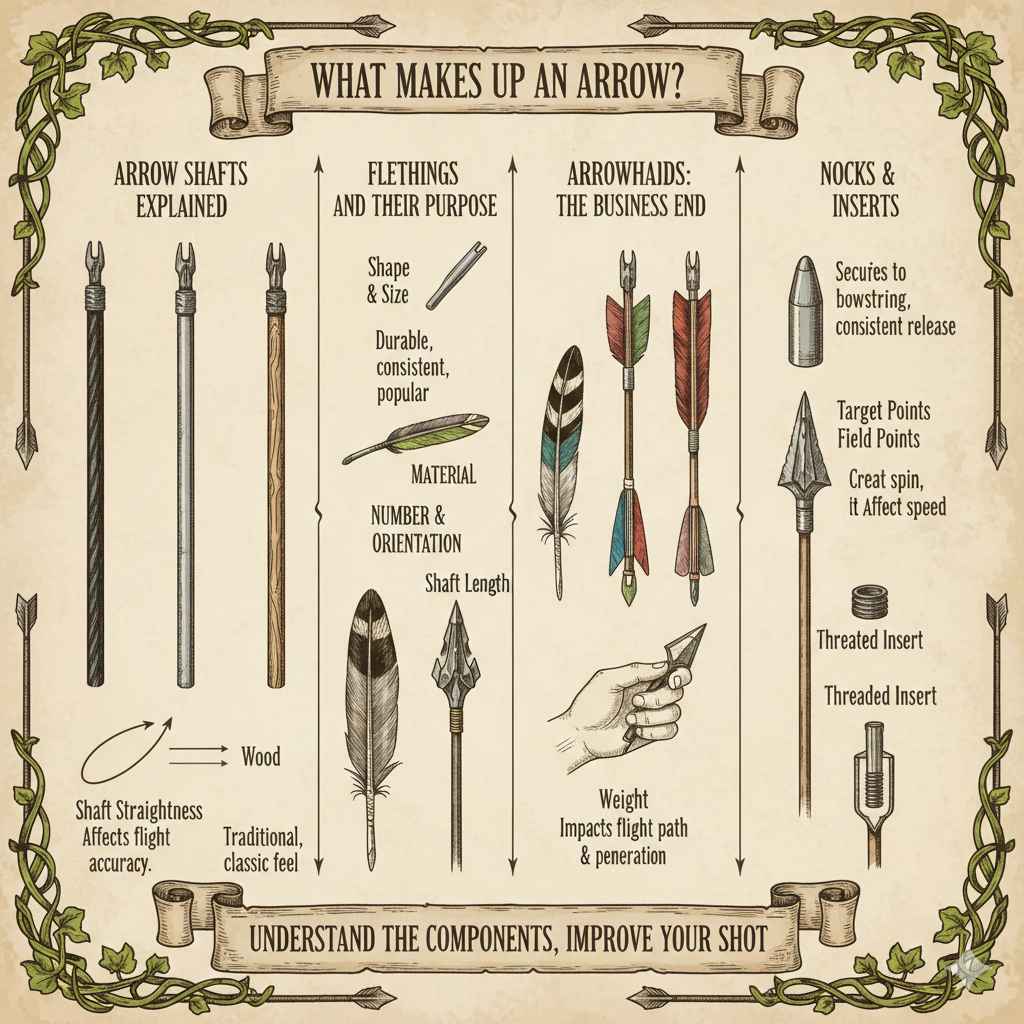
Arrows are simple tools, but each part plays a vital role in their performance. It’s like building a car; every piece is needed for the car to function correctly. The main parts of an arrow work together to send it towards its target accurately. Getting to know each component helps with choosing the correct ones.
Arrow Shafts Explained
The arrow shaft is the long, main body of the arrow. It’s where the fletchings (feathers or vanes) and the arrowhead attach. Arrow shafts are made from various materials, each offering different characteristics. These can be carbon fiber, aluminum, wood, or a combination. The material selected affects the arrow’s weight, durability, and how it performs in flight. Choosing the right material depends on your bow type, draw weight, and what kind of archery you are doing.
- Material Matters: Carbon fiber shafts are very popular due to their lightweight, strength, and great straightness. Aluminum shafts are known for their durability and consistent weight. Wood shafts offer a traditional feel.
- Shaft Length: The length of the shaft is crucial. It needs to fit your draw length perfectly. An arrow too long can drag against the bow, while one too short can cause safety issues.
- Shaft Weight: Arrow shaft weight impacts the arrow’s overall speed and trajectory. Lighter arrows generally fly faster but may be more affected by wind. Heavier arrows can penetrate targets with more force.
- Straightness: The straightness of the shaft affects how the arrow flies. Minor bends can lead to inaccuracies.
The choice of material also affects how the arrow will perform in different conditions. For example, carbon fiber arrows are less affected by humidity compared to wooden arrows. Aluminum arrows offer good resistance to wear and tear. All of these points play a part in choosing the best arrow for you.
Fletchings and Their Purpose
Fletchings, the feathers or vanes attached to the end of the arrow, are what make the arrow fly straight. They act like the “wings” of the arrow, providing stability in flight. These are critical for guiding the arrow and preventing it from wobbling. The number, size, and shape of the fletchings all influence how the arrow flies. Fletchings also affect the arrow’s speed. These are very important to consider when you choose arrows.
- Shape and Size: Larger fletchings give more stability. Smaller fletchings reduce drag and increase speed.
- Material: Fletchings are made from plastic (vanes) or feathers. Feathers often give better flight in windy conditions.
- Number of Fletchings: Most arrows use three fletchings. Some archers use four to gain extra stability.
- Orientation: The way the fletchings are attached matters. This helps with the spin of the arrow in flight.
The materials, sizes, and arrangements of fletchings can be changed for different purposes. Some archers customize their fletchings for better performance in specific conditions. Different shapes can increase speed, and some can help with accuracy. They are crucial for flight stability.
Arrowheads: The Business End
Arrowheads are the points attached to the front of the arrow. They come in many types, each designed for a different purpose. The choice of arrowhead depends on the target and the type of archery being done. Arrowheads affect the arrow’s weight, flight characteristics, and penetration power. Proper arrowhead selection is crucial for achieving the desired results.
- Target Points: These are used for target practice and are designed for penetration and easy removal from targets.
- Broadheads: Designed for hunting, these have sharp blades and are designed for maximum damage.
- Field Points: These are similar to target points but often have a bullet shape.
- Weight: The weight of the arrowhead impacts the arrow’s overall weight and flight path.
Consider the type of archery you are doing when selecting arrowheads. For instance, hunting requires broadheads, while target archery usually requires field points or target points. Arrowheads have a significant impact on how an arrow penetrates a target. All of this can change the arrow’s behavior in flight.
Deciding on Arrow Shaft Size and Spine
When selecting arrows, two key factors stand out: shaft size (diameter) and spine. These characteristics are essential for ensuring the arrow bends correctly when it is shot. Correct bending is vital for consistent and accurate shooting. Let’s explore each in detail, explaining their functions and how to choose the right ones.
Arrow Shaft Size: Diameter Matters
Arrow shaft size is the diameter of the arrow shaft. This measurement, often expressed in inches, millimeters, or a numerical designation (like ’22 series’ for aluminum shafts), affects the arrow’s weight, wind resistance, and overall flight characteristics. The size also impacts the arrow’s ability to fit in the bow and target. Using the correct size ensures the arrow functions as intended.
- Diameter and Weight: A larger diameter typically means a heavier arrow.
- Wind Resistance: Thicker arrows are affected more by the wind.
- Bow Compatibility: Arrow size has to match your bow’s design.
- Target Considerations: Larger diameter arrows can make it easier to see and score your shots.
Choosing the correct shaft size also impacts the arrow’s weight and wind resistance. Keep in mind that a wider diameter can increase the arrow’s weight, affecting its overall speed. On a windy day, a larger diameter arrow might be pushed around more easily than a smaller one. Be sure to select a size that is right for the kind of bow you are using.
Spine Explained: The Flexibility Factor
Arrow spine refers to the stiffness or flex of an arrow shaft. It is critical for the arrow to bend the right amount when it is shot from the bow. The spine rating is a number that indicates how much the shaft bends under a specific weight. Correct spine selection is key for accurate shooting, as it ensures the arrow leaves the bow straight. Choosing the right spine keeps the arrow on a more stable path.
- Spine and Draw Weight: A heavier draw weight requires a stiffer (lower number) spine.
- Dynamic vs. Static Spine: Static spine is a measurement of the shaft’s flexibility. Dynamic spine refers to the actual bending of the arrow when shot.
- Spine Charts: Use spine charts to match your arrow to your bow’s draw weight and arrow length.
- Impact on Accuracy: An arrow with an incorrect spine will flex too much or not enough, leading to inaccurate shots.
Spine is one of the more important factors to consider when choosing arrows. When an arrow is shot, it bends as it leaves the bow. The spine must be matched to the bow’s draw weight and arrow length. If the spine is too weak (too flexible), the arrow may flex too much and hit to the left. If the spine is too stiff, the arrow may flex too little and hit to the right. Accurate shooting depends on the correct spine.
Selecting the Right Arrows for Your Archery
Choosing the correct arrow shaft size and spine is a matter of matching the arrow to your bow and shooting style. Getting this right results in a great shooting experience. This section offers guidance for finding arrows that provide both accuracy and consistency.
Matching Arrows to Your Bow
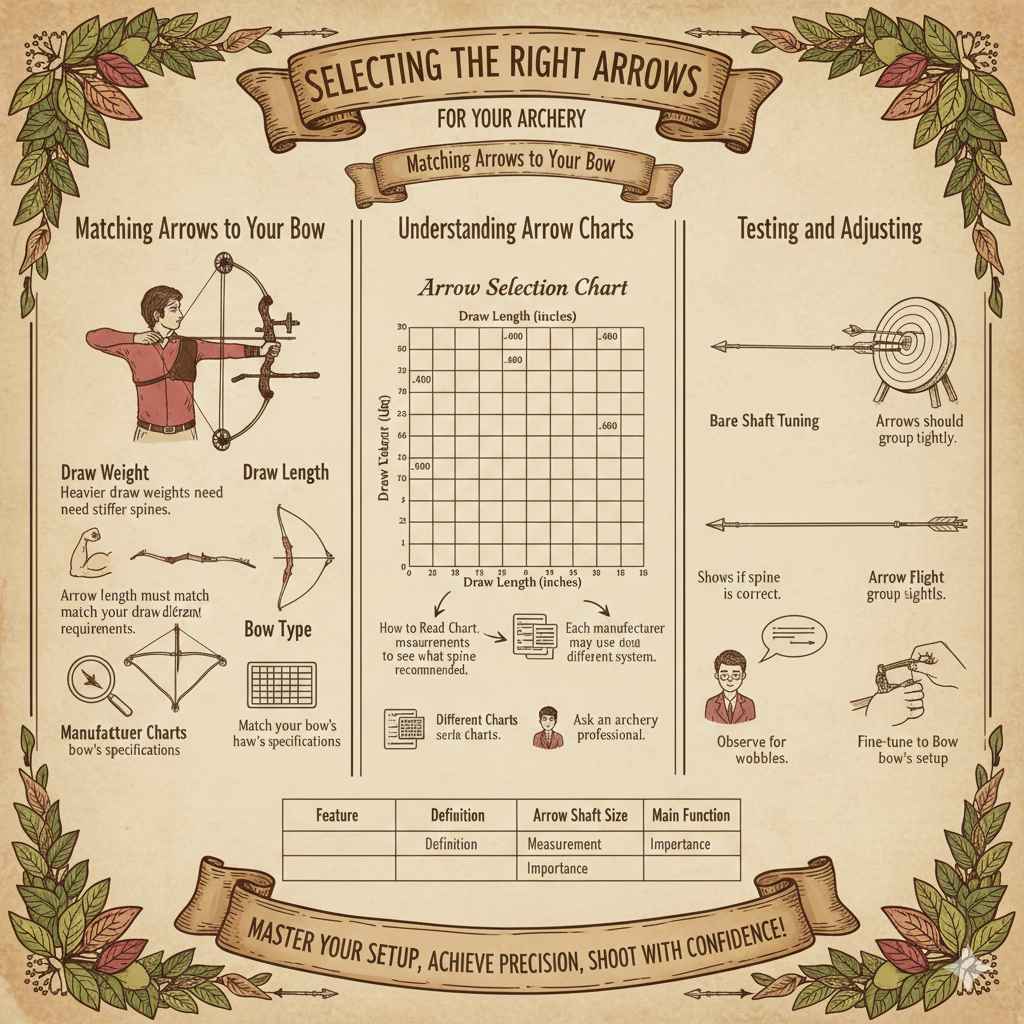
The most important part of selecting arrows is to match them to your bow. Your bow’s draw weight, draw length, and the bow’s design all have an impact. Consider these factors before making a selection. Use the arrow manufacturer’s charts and advice to ensure you select the correct arrows. The ideal arrow works seamlessly with your bow. This can make all the difference.
- Draw Weight: A bow’s draw weight is the force needed to pull the bowstring back. Heavier draw weights need stiffer spines.
- Draw Length: This measures how far you pull the bowstring. Arrow length must match your draw length to ensure safety and performance.
- Bow Type: Different bows have different requirements. Recurve bows, compound bows, and longbows may need different arrow sizes and spine ratings.
- Manufacturer Charts: These charts help match your bow’s specifications to the right arrow.
Your bow’s specifications are essential for arrow selection. Start by checking the draw weight, which is usually written on your bow. Next, measure your draw length. Using this information, you can then consult the manufacturer’s charts. This gives you a starting point. Following these steps can help avoid issues later on.
Understanding Arrow Charts
Arrow selection charts are key tools for archers. These charts use the bow’s specifications and your draw length to recommend the correct arrow spine. There are charts made by different arrow manufacturers, so there can be slight variations. It is essential to use these charts to make the right choice. Arrow charts can help ensure that you select arrows that fly straight and accurate.
- How to Read a Chart: Arrow charts usually have draw weight and draw length. Find your measurements on the chart to see what spine is recommended.
- Different Charts: Each manufacturer may use a different system.
- Using the Chart: Use these charts as a guide.
- Seeking Advice: If in doubt, ask an archery professional for help.
When you consult the arrow charts, look for your draw weight and draw length. Then, follow the chart to identify the correct spine range for your arrow shafts. These charts also consider the point weight. If you plan to use heavier or lighter points, you may need to adjust your spine selection. Take the time to understand the chart before selecting your arrows.
Testing and Adjusting
Once you select arrows, it is helpful to test them. Testing helps you verify the arrow’s performance. You might need to adjust your arrows or bow to ensure optimal results. Start by shooting several arrows at a target and see how they group. If you see arrows hitting to the left or right, it may mean your spine is off. These adjustments help maximize accuracy.
- Bare Shaft Tuning: Shooting arrows without fletchings helps show if the spine is correct.
- Groupings: Arrows should group tightly together.
- Arrow Flight: Observe the arrow flight for any wobbles.
- Adjusting the Bow: Fine-tune your bow’s setup to match the arrows.
To test your arrows, shoot several arrows at a target at a consistent distance. Inspect the groupings of your arrows. Do they hit the target consistently? If your arrows are not grouping well, you may need to adjust your bow or arrows. Pay close attention to how your arrows are flying. This step will help you make adjustments, if needed.
The following table provides a basic comparison between arrow spine and shaft size.
| Feature | Arrow Spine | Arrow Shaft Size |
|---|---|---|
| Definition | Stiffness or flex of the arrow shaft | Diameter of the arrow shaft |
| Measurement | Indicated by a number (e.g., .400, .500) | Measured in inches or millimeters |
| Main Function | Determines how the arrow bends in flight | Affects arrow weight and wind resistance |
| Importance | Crucial for accuracy | Affects arrow speed and wind resistance |
Frequently Asked Questions
Question: How do I find my draw length?
Answer: Stand sideways and have someone measure the distance from your chest to your outstretched fingertips. Add this measurement and divide by 2.5. The number you get is the approximate draw length.
Question: What do the numbers on an arrow shaft mean?
Answer: These numbers, often something like “.400” or “340,” tell you the spine of the arrow. The lower the number, the stiffer the shaft.
Question: Can I use any arrow with any bow?
Answer: No, you can’t. You need to match the arrow’s spine and size to your bow’s draw weight and draw length. Using the wrong arrow can damage your bow or cause injury.
Question: Why is arrow spine so important?
Answer: Spine is very important because it determines how much an arrow bends when shot. If the spine isn’t right, the arrow won’t fly straight.
Question: How often should I replace my arrows?
Answer: Inspect your arrows before each shooting session. Replace them when you find any cracks, bends, or other signs of damage. Even small problems can affect the accuracy of your shots.
Final Thoughts
Choosing the correct arrows, specifically concerning Arrow Shaft Size vs Spine: What Matters Most, isn’t as complicated as it initially seems. The spine of the arrow, and how it bends, is key. Match your arrow to your bow’s draw weight and draw length. Shaft size impacts how the arrow will perform. Material, weight, and arrowheads influence their flight. By taking the time to match the arrows to the bow, testing and adjusting, you can achieve better results. Choosing the right arrows is a skill that helps you to become a better archer. Now, get out there and start shooting.