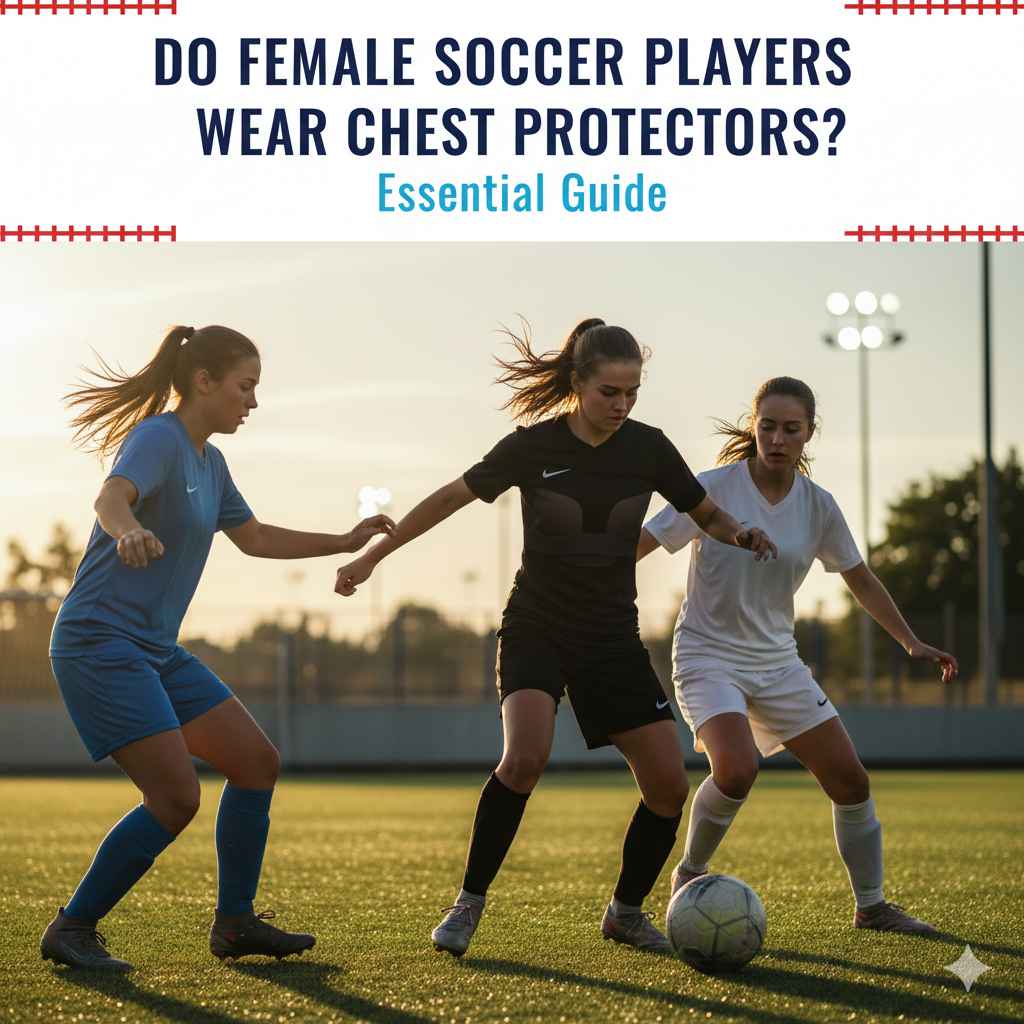
Do Female Soccer Players Wear Chest Protectors? Essential Guide
Do female soccer players wear chest protectors? Generally, no, chest protectors are not standard equipment in competitive female soccer. However, specific goalkeepers or players with prior injuries might opt for specialized, often thinly padded undergarments for protection against hard shots.
Welcome to the field! It is completely normal to wonder about the gear everyone wears when watching soccer. As a beginner, you want to know what is safe and what the rules say. Seeing different padding on players can cause confusion, especially regarding protection for the chest area.
Many people ask, “Do female soccer players wear chest protectors?” The simple answer is usually no, but the full story is a bit more detailed. We will clear up all the confusion right now. This guide will explain the standard rules, what protection is allowed, and why you might see some players wearing something extra.
We are going to break down the official rules and look closely at the types of protective gear that are okay to use. You will walk away knowing exactly what the pros wear and what you can wear to stay safe while enjoying the beautiful game.
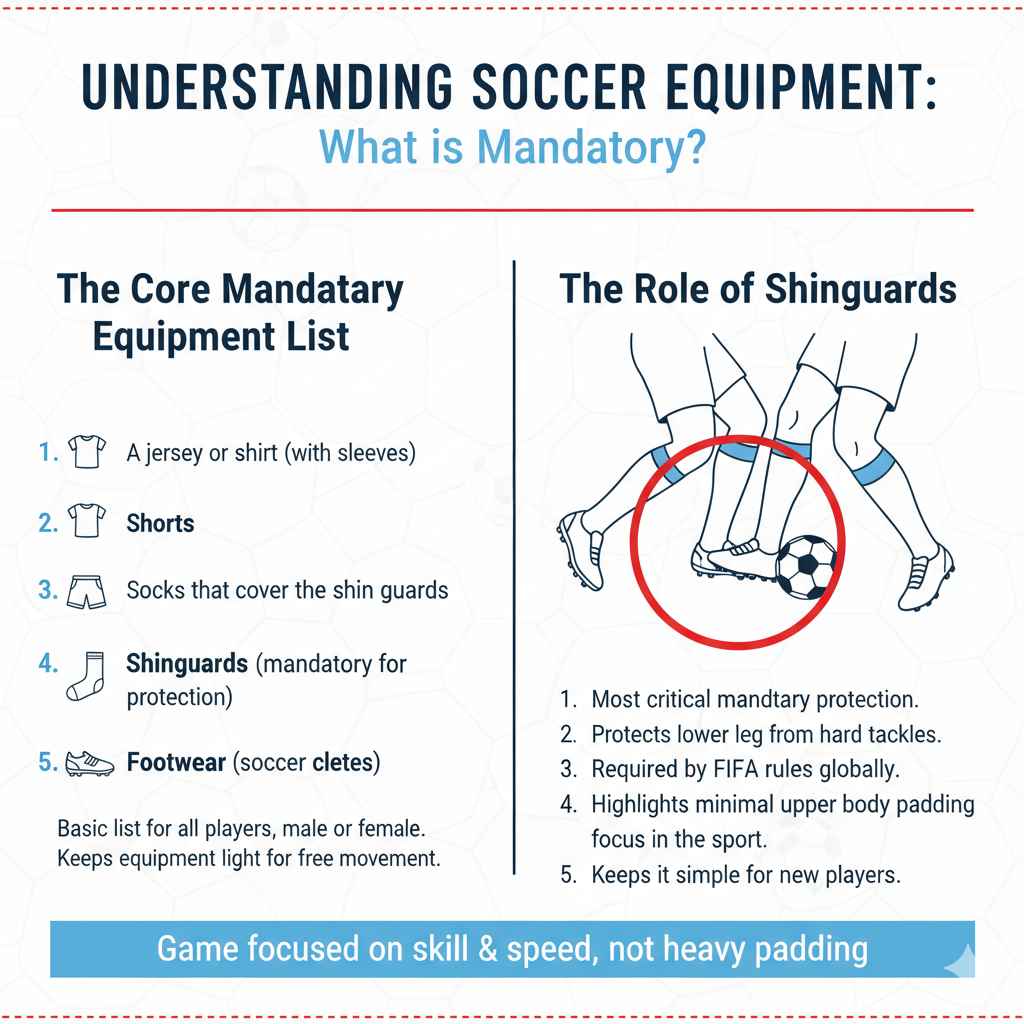
Understanding Soccer Equipment: What is Mandatory?
When we talk about soccer gear, the rules are set by organizations like FIFA (Fédération Internationale de Football Association) and national bodies. These rules focus heavily on safety but keep equipment light to ensure players can run and move freely.
The Core Mandatory Equipment List
For all players, male or female, the basic list of mandatory equipment is very short. This keeps the game focused on skill, not heavy padding. If you are heading to practice, make sure you have these items:
- A jersey or shirt (with sleeves, often required).
- Shorts.
- Socks that cover the shin guards.
- Shinguards (mandatory for protection).
- Footwear (soccer cleats).
The Role of Shinguards
The most critical piece of mandatory protection in soccer is the shinguard. This item protects the lower leg from hard tackles and accidental kicks. Notice that the rules focus protection on the lower legs, not the torso.
Because shinguards are required everywhere, it shows that the sport generally favors minimal upper body padding. This is for speed and maintaining the feel of the game. Keeping it simple helps new players focus on the essentials.
Do Female Soccer Players Wear Chest Protectors? The Official Stance
When asking if female soccer players wear chest protectors, we must look at the specific rules regarding torso protection. This is where the difference between mandatory gear and optional gear becomes clear.
FIFA Equipment Regulations on Torso Protection
FIFA Law 4, which covers player equipment, is very clear. It generally bans any equipment that is dangerous to another player. While light padding is sometimes allowed, bulky or hard chest protectors are usually forbidden because they could cause injury if a player falls on an opponent or is challenged.
For field players (non-goalkeepers), bulky chest protection is simply not standard issue. The protection worn under the jersey is usually limited to what is considered “inner wear,” like thin undershirts or compression tops.
Why Field Players Rarely Wear Chest Protectors
There are several practical reasons why you won’t see chest protectors widely used by female soccer players, especially those playing in the outfield positions:
- Mobility: Extra bulk restricts the range of motion needed for tackling, jumping, and diving for the ball.
- Heat Retention: Soccer is a high-intensity sport. Additional layers, especially padded ones, trap heat, leading to overheating and fatigue.
- Rule Compliance: Large or rigid protectors violate equipment standards and referees will ask players to remove them.
- Game Culture: Unlike sports like hockey or American football, soccer culture emphasizes minimal external padding.
Goalkeepers: The Exception to the Rule
While field players generally skip chest protection, goalkeepers are a different story. Goalkeepers face direct, powerful shots to the chest, stomach, and arms frequently. Because of this, they often utilize specialized padding.
Goalkeeper-Specific Padded Gear
Goalkeepers commonly wear long-sleeved shirts or jerseys that have integrated padding across the chest, ribs, and shoulders. This padding is usually thin, flexible foam designed to absorb impact without adding too much bulk.
Types of Goalkeeper Padding:
- Padded Goalkeeper Jerseys: These are designed specifically for keepers. The padding is usually thin and sewn directly into the fabric over high-impact areas like the shoulders and ribs.
- Impact Shirts (Baselayers): Some keepers wear compression shirts with small, flexible foam pads sewn into the front torso area. These are discreet and often pass inspection easily.
- Rib Vests: While less common at lower levels, some keepers dealing with recurring rib issues might wear a very thin vest designed to protect the lower rib cage, although this often needs referee approval.
It is crucial to note that even goalkeeper protection is typically much less substantial than what you see in sports like ice hockey. The goal is impact absorption, not full collision protection.
When Players Choose Optional Protection: Injury and Prevention
Even when official rules do not mandate chest protection, individual players sometimes choose to wear light padding for personal medical reasons or injury prevention. This is usually done with a doctor’s recommendation or under specific league allowances.
Common Reasons for Choosing Extra Protection
If you see a female player wearing something under her jersey that looks like a protector, it is often for one of these reasons:
- Recovering from Injury: A player might have recently fractured a rib, had sternum surgery, or suffered severe bruising and needs temporary protection while returning to play.
- Bracing Weak Areas: Some players have chronic issues with bruised ribs or existing conditions that make impact painful, even if the ball isn’t moving extremely fast.
- Preventative Measure: In some high-level training environments where shots are extremely powerful, a player might choose a very thin layer for peace of mind, provided it meets equipment rules (i.e., it is not rigid or dangerous).
The Importance of Referee Approval
This is the single most important point for anyone considering extra gear: If the padding is visible, it must be approved by the referee before the game starts.
Referees check equipment to ensure nothing poses a risk. A large, hard plastic shield would almost certainly be disallowed. A thin, flexible, fabric-covered foam layer is far more likely to be permitted if worn underneath the jersey.
Comparing Soccer Protection to Other Sports
To understand why soccer is so light on padding, it helps to see what gear is required in similar sports. This comparison highlights the unique demands of soccer.
| Sport | Mandatory Chest Protection | Primary Goal of Gear |
|---|---|---|
| Soccer (Field Player) | None (Shinguards only) | Maximum mobility and light weight. |
| Soccer (Goalkeeper) | Often uses integrated light foam padding on jerseys. | Impact absorption from direct, high-speed shots. |
| Ice Hockey | Extensive, rigid chest and shoulder pads. | Protection from sticks, pucks, and high-speed collisions with boards/players. |
| Lacrosse (Women’s) | Required shoulder pads, often lightly padded chest/torso area. | Protection from stick checks and ball impact. |
As the table shows, sports involving sticks, constant high-speed body contact, or projectiles (like pucks) require heavy padding. Soccer primarily involves contact through shoulders, hips, and legs, minimizing the need for rigid upper body armor.
How to Choose Safe, Legal Protective Gear (If Needed)
If you, or a player you coach, decides that some form of light chest protection is necessary for comfort or recovery, the choice must prioritize legality and function over heavy padding.
Criteria for Acceptable Protective Undergarments
When looking for something to wear under the jersey, follow these guidelines. For more official guidance, consult local athletic association rules, often found on sites like the NCAA website concerning equipment standards, though specific youth leagues might have variances.
- Flexibility is Key: The padding must be soft and flexible. Rigid plastic or hard foam inserts are generally not allowed.
- Low Profile: The gear must be thin enough to fit entirely under the uniform without significantly altering the appearance of the jersey. It should look like a normal undershirt.
- No Sharp Edges: Ensure any zippers, snaps, or exposed seams are smooth and cannot scrape another player during play.
- Approved Materials: Stick to materials clearly marketed for athletic use (like EVA foam or similar soft compounds).
Examples of Beginner-Friendly “Protection”
These items are often used by keepers or injured players but might be acceptable for field players if deemed safe by the referee:
- Compression Shirts with Thin Mesh Padding: These look like normal athletic shirts but have a very thin layer of foam over the sternum or ribs.
- Athletic Tape/Strapping (Under Supervision): For muscle strains or minor rib soreness, sometimes athletic taping (kinesiology tape) can offer support without being considered “equipment.” Always ask a trainer first.
- Sports Bras (For Support, Not Impact): While not a chest protector, high-quality, supportive sports bras are essential for female athletes to manage breast movement during high-impact activities like running and jumping. They offer internal support but zero impact protection.
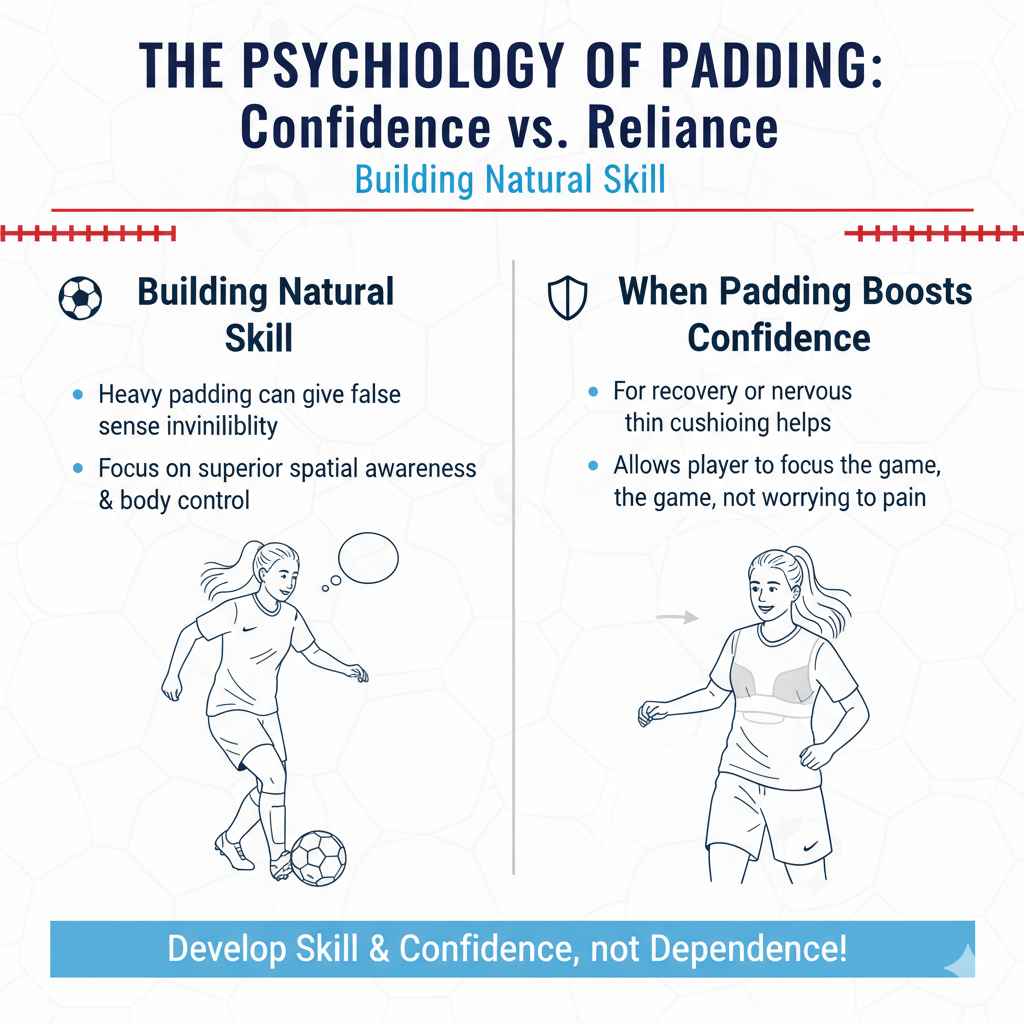
The Psychology of Padding: Confidence vs. Reliance
Understanding gear isn’t just about rules; it’s about how it affects a player’s confidence and skill development. As a beginner, relying too much on padding can actually hinder learning.
Building Natural Skill
In soccer, players learn through practice to use their bodies to shield the ball, position themselves correctly, and anticipate contact. Heavy external padding can sometimes give a player a false sense of invincibility, leading them to take risks or use poor technique when shielding the ball.
The beauty of soccer’s minimal equipment philosophy is that it forces players to develop superior spatial awareness and body control—skills that last a lifetime.
When Padding Boosts Confidence
Conversely, for a player recovering from a minor injury or a goalkeeper nervous about a strong shot, a small layer of cushioning can provide the psychological boost needed to play without hesitation. If a thin, legal piece of gear allows a player to focus on the game rather than worrying about pain, it serves a positive purpose.
Safety First: A Quick Check for Parents and Players
If you are new to the sport and observing gear choices, always prioritize safety checks above all else. Here is a simple checklist for gear compliance:
| Check Item | Standard for Field Players | Standard for Goalkeepers |
|---|---|---|
| Shinguards | Mandatory, fully covered by socks. | Mandatory, fully covered by socks. |
| Visible Padding | Not allowed (must be completely under the uniform). | Light, integrated padding often allowed on long-sleeve tops. |
| Rigidity | No hard or sharp edges allowed anywhere. | No hard or sharp edges allowed anywhere. |
| Jewelry | No jewelry allowed (a major safety hazard). | No jewelry allowed. |
Remember, while chest protectors are not standard for female soccer players, shinguards are non-negotiable for everyone. Getting comfortable with the proper, minimal protection is the first step to confident play.
Frequently Asked Questions (FAQ) for New Soccer Players
Q1: Are female soccer players allowed to wear bras under their jerseys?
A: Yes. Sports bras are considered inner wear and are mandatory for many female athletes for support. They are permitted as long as they are worn underneath the jersey and do not have hard clips or components that could injure another player.
Q2: Can a female field player wear a compression shirt with chest padding for practice?
A: For practice, rules are often looser, so yes, many players use padded compression shirts. However, for an official game, that padding must still be reviewed by the referee to ensure it is not overly bulky or rigid.
Q3: Why do goalkeepers need more padding than field players?
A: Goalkeepers stop high-velocity shots aimed directly at their torso, arms, and hips. Field players primarily deal with accidental contact during running or tackling, which is typically blocked by the body’s natural structure or addressed by lower leg shinguards.
Q4: What happens if a player wears illegal padding during a match?
A: If a referee notices illegal (too bulky, too hard) padding before the game, they will instruct the player to remove it. If it is discovered during the game, the player may be asked to leave the field until they change the equipment to comply with Law 4.
Q5: Is specialized protection for the sternum available for soccer?
A: Yes, specialized sternum/rib protectors exist, but they are usually reserved for specific medical necessity and must be approved by league officials before use in competition. They are very rare in standard amateur or professional play.
Q6: Does FIFA require female players to wear headgear like some male goalies sometimes do?
A: No. FIFA does not mandate protective headgear for any player based on gender. While some players use soft headbands for sweat or minor cuts, protective scrum caps are entirely optional and generally only seen in cases of severe head injury history.
Q7: Where can I find the official rules on player equipment?
A: The primary source is the official IFAB (International Football Association Board) Laws of the Game, specifically Law 4: The Players’ Equipment. You can usually find updated versions directly on FIFA’s official resources or through your national soccer association’s website.
Conclusion: Keeping it Safe and Simple on the Pitch
We hope this guide has cleared up the common confusion surrounding upper body gear in women’s soccer. To summarize, the short answer to “Do female soccer players wear chest protectors?” is that standard field players do not, as the sport relies on agility and minimal equipment.
Goalkeepers are the main exception, utilizing light, integrated padding to handle powerful shots. If you are a beginner or a parent researching gear, focus your budget and attention on the essentials: excellent cleats, proper socks, and mandatory, well-fitting shinguards. These items provide the necessary protection without sacrificing the speed and flow that makes soccer the world’s game.
Trust your coaching staff and league officials when it comes to adding extra items. Keep your gear light, keep it legal, and most importantly, keep your focus on enjoying the run of play. With the right approach, you can step onto the field confidently, knowing you are well-prepared for a safe and fun match!