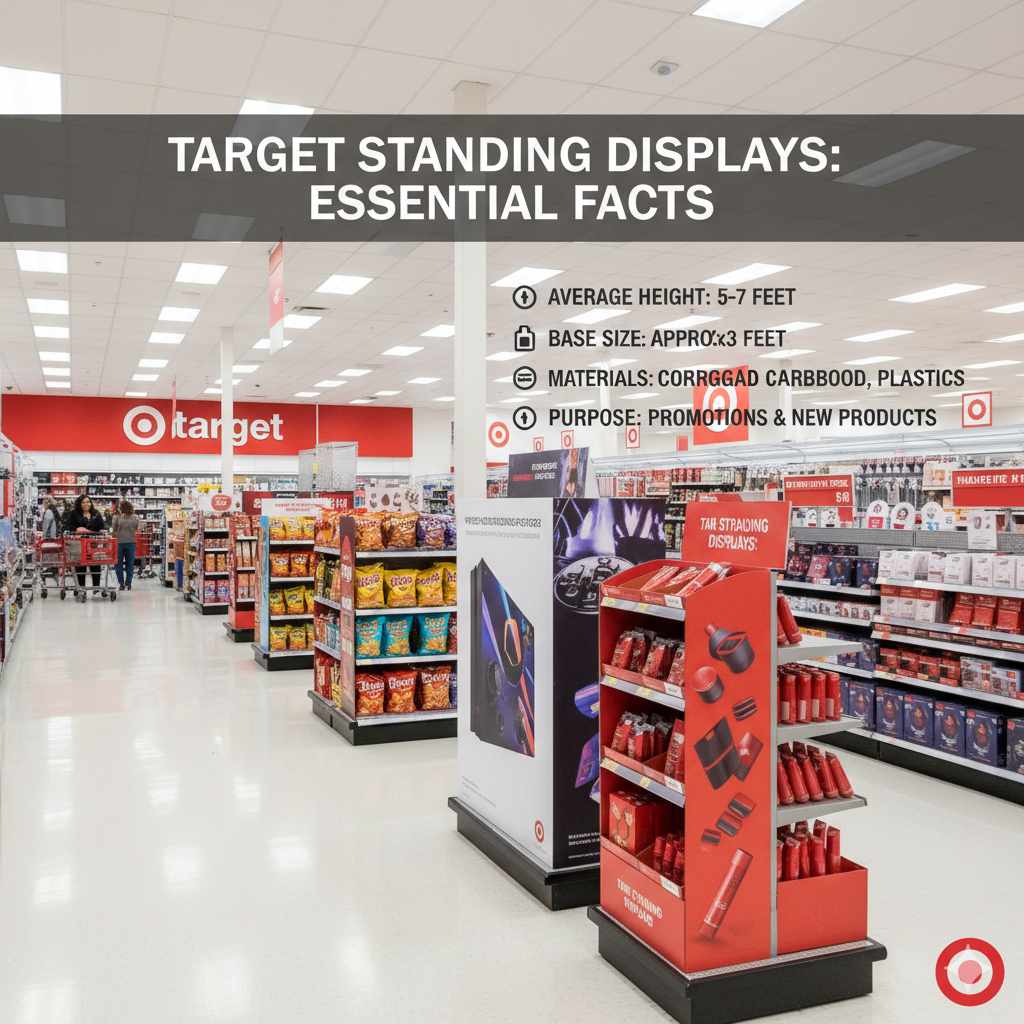
Target standing displays vary in size, but a common setup for beginners uses a large 80cm to 122cm target face on a stand or butt that is at least 3 to 4 feet square. Official competition targets have specific dimensions, like the 122cm face for Olympic-style archery, while stands are built to safely support them.
Hello, fellow archers! Salman Arfeen here. When you first pick up a bow, one of the most exciting steps is setting up your very own target. But a quick search online can leave you feeling a bit lost. You’ll see terms like “122cm face,” “48-inch butt,” and “tripod stand.” It’s easy to wonder, “What size do I actually need?”
Feeling confused is completely normal. Choosing the wrong size can make practice frustrating and even unsafe. A target that’s too small can damage your confidence (and your arrows!), while one that’s too flimsy can be a hazard.
Don’t worry, I’m here to clear it all up. In this guide, we will walk through everything you need to know about target display sizes. We’ll break it down into simple parts, so you can choose the perfect setup for your backyard, club, or practice range. Let’s get you set up for success!
Understanding the Two Key Parts of a Target Display
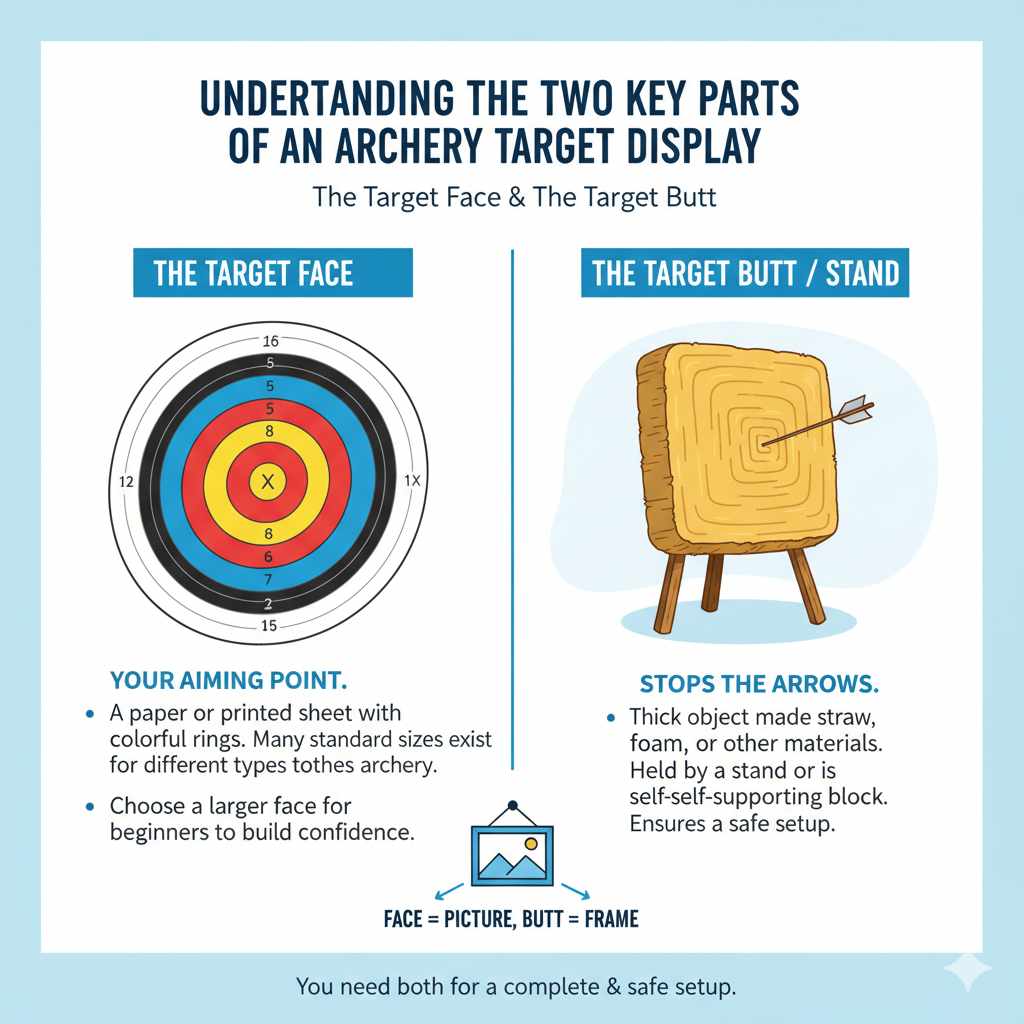
First, let’s simplify what a “target standing display” is. It’s not just one thing; it’s a combination of two main components that work together. Understanding each part makes choosing the right size much easier.
- The Target Face: This is the paper or printed sheet with the colorful rings and scoring numbers. It’s your aiming point. Target faces come in many standard sizes for different types of archery.
- The Target Stand or Butt: This is the large, thick object that the target face is attached to. Its job is to safely stop your arrows. It can be made of straw, foam, or other materials and is held up by a stand or is a large, self-supporting block.
Think of it like a picture in a frame. The target face is the picture, and the target butt is the sturdy frame and backing that holds it. You need both for a complete and safe setup.
The Target Face: Your Aiming Point
The target face is where the action happens. Hitting the yellow “gold” in the center is the goal. The size of the face you use often depends on the distance you are shooting from and the style of archery you are practicing. For beginners, a larger face is always better because it provides a more forgiving aiming area and helps build confidence.
Here’s a look at some of the most common target face sizes and where they are used:
| Use Case / Discipline | Common Diameter | Typical Shooting Distance |
|---|---|---|
| Backyard Beginner | 80 cm (31.5 inches) or 122 cm (48 inches) | 10 – 30 yards (9 – 27 meters) |
| World Archery Outdoor (Olympic Recurve) | 122 cm (48 inches) | 70 meters (for adults) |
| World Archery Outdoor (Compound/Barebow) | 80 cm (31.5 inches) | 50 meters |
| World Archery Indoor | 40 cm (15.7 inches) or 60 cm (23.6 inches) | 18 meters |
| NFAA Indoor (Blue Face) | 40 cm (15.7 inches) | 20 yards |
As you can see, the target face for long-distance Olympic archery is huge—four feet across! This is because hitting it from 70 meters away is incredibly challenging. In contrast, indoor archery uses smaller faces because the distance is much shorter. For your backyard, starting with an 80cm face at 15 or 20 yards is a fantastic way to learn.
The Target Stand or Butt: The Arrow Catcher
The target butt is your most important piece of safety equipment after your personal gear. Its one and only job is to stop arrows safely and effectively, without damaging them. The size of the butt is critical. It must be significantly larger than your target face.
Why? Because even the best archers miss the scoring rings sometimes. You need a generous border around your target face to catch any stray shots. A good rule of thumb is to have at least 6 to 12 inches (15 to 30 cm) of butt material extending beyond the edge of your target face on all sides.
Target butts are made from various materials:
- Layered Foam: This is the most common material for modern target butts. Layers of dense foam are compressed together to stop arrows. They are durable and can handle many shots.
- Straw Bales: The traditional choice. Tightly packed straw, often wrapped in burlap, does a great job of stopping arrows. They can be heavy and may break down in wet weather.
- Bag Targets: These are fabric bags filled with a special synthetic fiber. They are excellent at stopping arrows from both compound and recurve bows and make arrow removal incredibly easy.
Here are some typical dimensions for target butts and the stands that hold them:
| Type of Stand / Butt | Typical Dimensions (Width x Height) | Best For |
|---|---|---|
| Beginner Foam Block | 24″ x 24″ (60cm x 60cm) up to 36″ x 36″ (91cm x 91cm) | Very close-range practice (under 15 yards) with low-poundage bows. |
| Standard Hobbyist Foam Butt | 36″ x 36″ (91cm x 91cm) or 48″ x 48″ (122cm x 122cm) | Backyard shooting, perfect for holding 80cm faces with a safe border. |
| Large Bag Target | 30″ x 30″ (76cm x 76cm) | General practice, easy arrow removal, great for compound bows. |
| Official Competition Butt | 51″ x 51″ (130cm x 130cm) or larger | Archery clubs and official events, designed to safely hold a 122cm face. |
| Tripod Stand (Holder) | Adjustable, with a footprint of about 3-4 feet for stability | Holding foam or straw butts that don’t stand on their own. |
How to Choose the Right Size Target Display for You
Now that you know the components, let’s connect them to your personal archery journey. The right size for you depends entirely on your skill level and goals.
For the Absolute Beginner (Backyard Fun)
If you are just starting out, my advice is simple: go big! Your main goal is to build good form and have fun. Worrying about hitting a tiny dot will only cause frustration. A large target display gives you a huge area to aim at, which builds confidence with every shot.
- Recommended Face Size: 80cm or 122cm. Don’t worry about the scoring rings at first; just focus on hitting the paper.
- Recommended Butt Size: At least 36″ x 36″ (91cm x 91cm), but a 48″ x 48″ (122cm x 122cm) foam or straw butt is even better. This gives you plenty of room for error.
- Shooting Distance: Start close, around 10 to 15 yards. As you get more consistent, you can slowly move back.
This large, forgiving setup makes practice enjoyable. You’ll spend more time shooting and less time searching for lost arrows.
For the Developing Hobbyist (Improving Accuracy)
Once you can consistently hit a large target face from 20-30 yards, you might be ready for a new challenge. This is when you can start thinking about sizing down your target face to improve your precision. You don’t necessarily need a new target butt, just a different paper face.
- Recommended Face Size: Transition from an 80cm face to a 60cm or 40cm face. You can pin this smaller face onto your large target butt.
- Recommended Butt Size: Your 36″ or 48″ butt is still perfect. It continues to act as a safe backstop as you challenge your accuracy.
- Shooting Distance: Continue practicing at distances where you feel challenged but not overwhelmed. Try shooting a 40cm face from 18 or 20 meters, which is the standard indoor distance.
This approach allows you to hone your skills without needing to buy a whole new setup. It’s a cost-effective way to progress in the sport.
For the Aspiring Competitor (Training for Events)
If you have your sights set on participating in archery competitions, it’s time to get specific. Practicing with the official target size and distance for your chosen discipline is crucial for success. You need to train exactly how you will compete.
- Recommended Face and Butt Size: Match the official regulations. For example, if you plan to shoot Olympic recurve, you need to practice on a 122cm face at 70 meters. Your target butt should be large enough to safely hold this face, typically around 130cm x 130cm.
- Resource for Official Rules: The best place for official dimensions is the rulebook for the governing body of your sport. For international competitions, you can check the World Archery Rulebook. For events in the United States, USA Archery follows these rules.
Training on the correct setup builds familiarity and mental confidence. When you step up to the shooting line at a tournament, the target will look exactly like the one you’ve been practicing on for months.
Common Types of Target Stands Explained
The “butt” is what stops the arrow, but the “stand” is what holds it up. Some targets, like large foam blocks, are self-supporting. Others need a stand to hold them at the proper height and angle.
The Square Bale or Block Butt
This is a classic. It’s a large, freestanding block of layered foam or a tightly compressed bale of straw. They are heavy and very stable.
- Pros: Extremely durable, stable, and offers a large stopping area. They don’t tip over easily.
- Cons: Can be very heavy and difficult to move. Straw bales can degrade if left out in the rain.
The Tripod or Easel Stand
These stands are designed to hold a target butt, usually a square foam one that isn’t thick enough to stand on its own. They look like a painter’s easel or a heavy-duty camera tripod.
- Pros: Often lightweight and portable. Many are adjustable, allowing you to set the target at the perfect height.
- Cons: Can be less stable than a heavy block, especially on uneven ground or in windy conditions. Make sure to get one with a wide, sturdy base.
The Bag Target
Bag targets are a popular modern option. They are a fabric shell filled with arrow-stopping fibers and usually have a handle for carrying. They often stand on their own or have a simple frame.
- Pros: Arrow removal is exceptionally easy, often requiring just two fingers. They are very effective at stopping arrows from powerful bows.
- Cons: They can be heavy. Some are not designed to be left outdoors permanently, as the fabric can degrade in the sun and rain. Also, they are not ideal for pinning on different paper faces.
Safety First: Why Target Size is a Safety Issue
We’ve talked a lot about confidence and practice, but the number one reason to get the right size target display is safety. Archery is an incredibly safe sport when practiced correctly, and your target setup is a huge part of that.
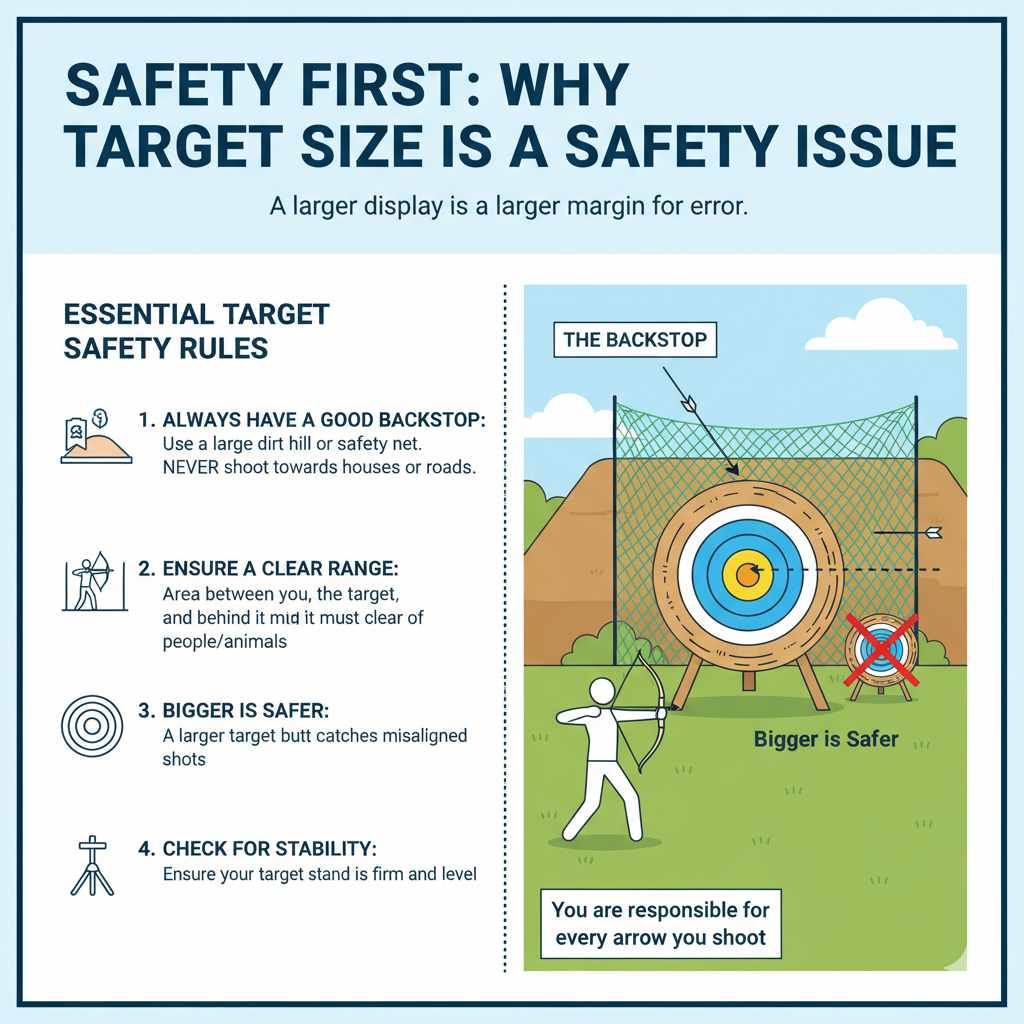
A larger target butt provides a larger margin for error. When you’re learning, your arrows won’t always go where you want them to. A wide target butt ensures that even a misaligned shot is caught safely.
However, the target butt is only your first line of defense. You must always be aware of what is behind your target. This is known as your backstop.
Essential Target Safety Rules:
- Always Have a Good Backstop: Your target should be placed in front of a safe backstop, like a large dirt hill, a thick wall of wood, or a specially designed archery safety net. Never shoot in the direction of houses, roads, or areas where people might be.
- Ensure a Clear Range: The entire area between you and the target, as well as a significant area behind and to the sides of it, must be completely clear of people and animals.
- Bigger is Safer: For beginners, a bigger target display is always a safer target display. It reduces the chance of an arrow missing the butt entirely.
- Check for Stability: Before you start shooting, make sure your target stand is stable and won’t fall over. If using a tripod, ensure its legs are fully extended and on firm, level ground.
Remember, you are responsible for every arrow you shoot. A safe and properly sized target display is the first step in being a responsible archer.
Frequently Asked Questions (FAQ)
What’s a good target size for a 10-year-old?
For a young beginner, I recommend the largest and safest setup possible. Use a large 80cm or 122cm paper face pinned to a big target butt, at least 36 inches square. Start them at a very close distance, like 5-10 yards, to ensure they can hit the target easily and build confidence safely.
How far back should I stand from my target?
If you are new to archery, start close! A distance of 10 yards (about 9 meters) is perfect. At this range, you can focus on your form without worrying too much about your aim. Once you can group your arrows consistently, you can take a few steps back and try from 15 yards, then 20, and so on.
Can I use a small target face on a large butt?
Absolutely! This is a great way to practice. Using a 40cm face on a 48-inch butt gives you the challenge of aiming for a small target while maintaining the safety of a large backstop. Many experienced archers use this method to train for precision.
How do I know if my target stand is stable enough?
Give it a gentle push. A stable stand should feel solid and not wobble or rock easily. If you are using a tripod stand, make sure its legs form a wide base. On soft ground, you might need to press the legs into the dirt slightly. If it’s a windy day, consider placing a sandbag over the base for extra security.
What happens if I miss the target butt completely?
This is why having a safe backstop is not optional—it’s essential. An arrow that misses the butt can travel a long distance with considerable force. A proper backstop, like a large earthen mound or a specially designed archery net, will stop the arrow safely. Never shoot without one.
Do 3D targets have standard sizes?
3D targets, which are foam models of animals, do not have standard sizes in the same way circular targets do. Instead, they are sized to be lifelike replicas of the animal they represent. A 3D turkey target will be much smaller than a 3D deer target. Competitions place them at varying distances to simulate a real hunting scenario.
How high should I set my target?
For general practice and official competitions, the center of the target should be set at 130 cm (about 51 inches) from the ground. This height promotes good shooting posture, with your bow arm parallel to the ground. For kids, you may want to set it a little lower to match their shoulder height.
Putting It All Together: Your Path Forward
Choosing the right size for your target standing display might seem complex at first, but it all comes down to a simple idea: match your equipment to your skill level and your goals.
For beginners, the message is clear: start big and start close. A large target display is your best friend. It builds confidence, promotes good habits, and most importantly, keeps you safe. As your skills grow, you can begin to challenge yourself with smaller target faces and greater distances, all while using that same large butt as a reliable backstop.
Archery is a journey of steady improvement. Don’t rush it. Enjoy the process of learning, celebrate every arrow that hits the mark, and always put safety first. Now you have the knowledge to pick the perfect target, so get out there and let those arrows fly!