Where to Find Arrowheads in Illinois (Legally)
Before you search, know the law: Illinois state law generally prohibits removing Native American artifacts from state parks and historic sites, and Cahokia Mounds specifically bans artifact hunting entirely as a protected UNESCO site. Your best legal options are private land with the owner’s permission, and public river or creek areas where local rules allow surface collecting. Here’s where to look and how to search responsibly.
Illinois River Valleys
Discover hidden treasures in the Illinois River Valleys, where arrowheads await eager explorers. Search along riverbanks and fields for ancient artifacts. Arrowhead hunting here promises excitement and a glimpse into the past.
Popular Sites Along The River
Many people search for arrowheadsby the Illinois River. The riverbanks are full of historic treasures. You might find arrowheads in the sandy areas. Look near bends in the river. These spots often have more items. Near the water, the soil is soft. This makes digging easy. Always be gentle with the ground. Be respectful of nature.
Artifacts Found In Riverbeds
Riverbeds are full of old artifacts. People find pottery and stone tools here. Arrowheads are common too. They might be covered in mud. Sometimes they are hidden under rocks. Use your eyes and hands carefully. Walk slowly and observe the ground. Arrowheads can be tiny. They might be shiny or dull. Each find tells a story. Discover the past by the river.
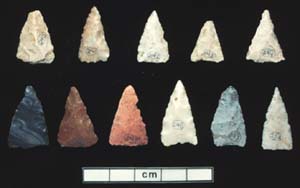
Credit: www.museum.state.il.us
State Parks And Nature Reserves
Important: Illinois state law generally prohibits removing Native American artifacts from state parks, nature preserves, and historic sites. Cahokia Mounds State Historic Site specifically bans artifact hunting anywhere on the property — it’s a UNESCO World Heritage Site protected under both state and federal archaeological law, and removing anything can carry real legal penalties. Before you visit any state park or nature reserve with hunting in mind, call the site office directly and ask about their specific artifact policy; don’t assume it’s allowed just because the land is public.
State parks and historic sites are excellent places to LEARN about Illinois arrowhead history (many have visitor centers and museum displays), but for actual hands-in-the-dirt hunting, your best legal options remain permission-based private land, and public riverbank/creek areas where local regulations allow surface collecting (verify with the county or IDNR first). Mississippi River and Illinois River public access points are commonly used for this, but always confirm current rules for the specific stretch you plan to visit.
Historic Native American Settlements
Illinoisis rich in Native American history. Many tribes lived in this area. They left behind amazing artifacts. These include arrowheads, pottery, and tools. People cherish these items. They tell us about the past.
These areas are important. They hold stories of ancient times. Arrowheadsshow us how people lived and hunted. They teach us about survival and culture. Each piece has a story. Each piece connects us to history.
Protecting these sites is crucial. Many people work to keep them safe. They stop damage and theft. They want future generations to learn. Preservationhelps us respect the past. It keeps history alive for everyone.
Best Pick for Legal Surface Hunting
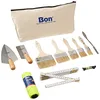
Bon Archaeologist’s Starter Tool Kit
Complete trowel/brush/measuring kit for surface-searching legally accessible private land or riverbank areas — not for use on protected sites like Cahokia Mounds, where hunting is prohibited.
- Best for: surface-searching permitted private land or public riverbanks
- Why we picked it: purpose-built excavation set instead of improvised garden tools
- Main drawback: pricier than a basic single trowel for casual searching
Compare more options
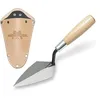 Option 1 Marshalltown Archaeology Pointing Trowel
|  Option 2 3-Piece Soil Sifter Set, 3/6/10mm
|  Option 3 KKOYING Leather Work Gloves
|
As an Amazon Associate we earn from qualifying purchases.
Farm Fields And Private Lands
Asking for permission is important. Always be polite and respectful. Explain why you want to search. Tell landowners about your love for history. Offer to share any arrowheads you find. Some people may say no. That’s okay. Thank them for their time. If they agree, follow their rules. Never disturb crops or animals. Keep the land clean. This helps build trust with landowners.
Choose the right time. After rain is best. It washes away the dirt. Look in places where water flows. Arrowheads often get washed there. Bring a small bag for your finds. Wear comfortable clothes and shoes. Be patient and look carefully. Arrowheads can be small and hard to see. Happy hunting!
Creeks And Small Streams

Credit: www.warrenvillehistorical.org
Creeks with slow water flow are best for finding arrowheads. Spring and fall are ideal times to search. Rain makes the ground softer and exposes arrowheads. Avoid searching during heavy rain; it can wash away artifacts. Look for areas where water bends or slows down. These spots often have deposits of rocks and artifacts.
Illinois streams have many arrowhead types. Chert and flint are common materials. Projectile points are often found near creeks. Stemmed and notched arrowheads are popular finds. Different shapes and sizes show the rich history. Collectors often find triangular points, which are ancient.
Community Events And Guided Tours
Illinois hosts many annual arrowhead hunting events. These events are great for beginners and experts. People gather to share their finds and stories. You can see different types of arrowheads. It’s like a big treasure hunt. Kids and adults both enjoy it. These events often happen in parks or forests. You will need to register early. Spots can fill up fast.
Guided tours offer many benefits. Experts lead these tours. They know the best places to look. Guides help you learn about arrowhead history. You can ask many questions. Safety is also a big part of tours. Guides make sure everyone stays safe. You can also make new friends. It’s fun to share this hobby with others. Tours are a great way to start your arrowhead collection.
Local Museums And Libraries
Illinois has many local museumsand librariesfilled with arrowhead resources. These places often have collections to view. Enthusiasts can learn more about arrowheads there. Museums offer guided toursand workshops. Libraries have books and articles about arrowheads. They may have maps showing where to find them. Visiting these places can be fun and educational.
Enthusiasts can find many resources in Illinois. Libraries often have books about arrowhead hunting. Museums may offer classes on arrowhead history. Some places provide maps to help find arrowheads. Joining a club can be helpful too. Clubs often share tips and locations. Enthusiasts can meet others who love arrowheads.
Talking to local historianscan be very helpful. They know a lot about arrowheads. Historians can share stories and facts. Many are happy to talk about history. They might know secret spots to find arrowheads. Historians can be found at museums and libraries. They often host events and lectures. Connecting with them can be a great way to learn.

Credit: blogs.illinois.edu
Frequently Asked Questions
Where Can I Search For Arrowheads In Illinois?
Illinois offers several promising locations for arrowhead hunting. Try exploring riverbanks, creeks, and areas with historical significance. Sites near Native American settlements are ideal. Always ensure you’re following legal guidelines and respecting private property. Local museums and historical societies can provide insights and tips on the best spots.
What Tools Do I Need For Arrowhead Hunting?
Start with basic tools like a small shovel, trowel, and sifter. Gloves are useful for protection. A map and compass can help navigate remote areas. A notebook is great for recording finds. Always prioritize safety and legal compliance when hunting for artifacts.
How Do I Identify Authentic Arrowheads?
Authentic arrowheads have distinct characteristics like flaking patterns and material type. They’re often made from flint, chert, or obsidian. Look for symmetry and sharp edges. Study guides or expert consultations can help in identification. Museums or online resources offer valuable identification tips and insights.
Are There Legal Restrictions On Arrowhead Hunting?
Yes, hunting arrowheads comes with legal restrictions. Always get permission before exploring private lands. State and federal laws protect certain sites, so research regulations thoroughly. Disturbing archaeological sites can lead to penalties. Respecting local laws is crucial for ethical artifact hunting.
Conclusion
Exploring Illinois for arrowheads offers a unique adventure. Discovering these pieces of history connects us to ancient times. State parks and riverbanks often hide these treasures. Always respect private land and follow local laws. Share your finds with friends and family.
Enjoy the thrill of the hunt and the stories each arrowhead tells. Remember, it’s not just about finding them. It’s about understanding our past. Every discovery adds to our knowledge. Happy hunting, and may your adventures be fruitful!