Alpinestars Vs Leatt Chest Protector: Essential Showdown
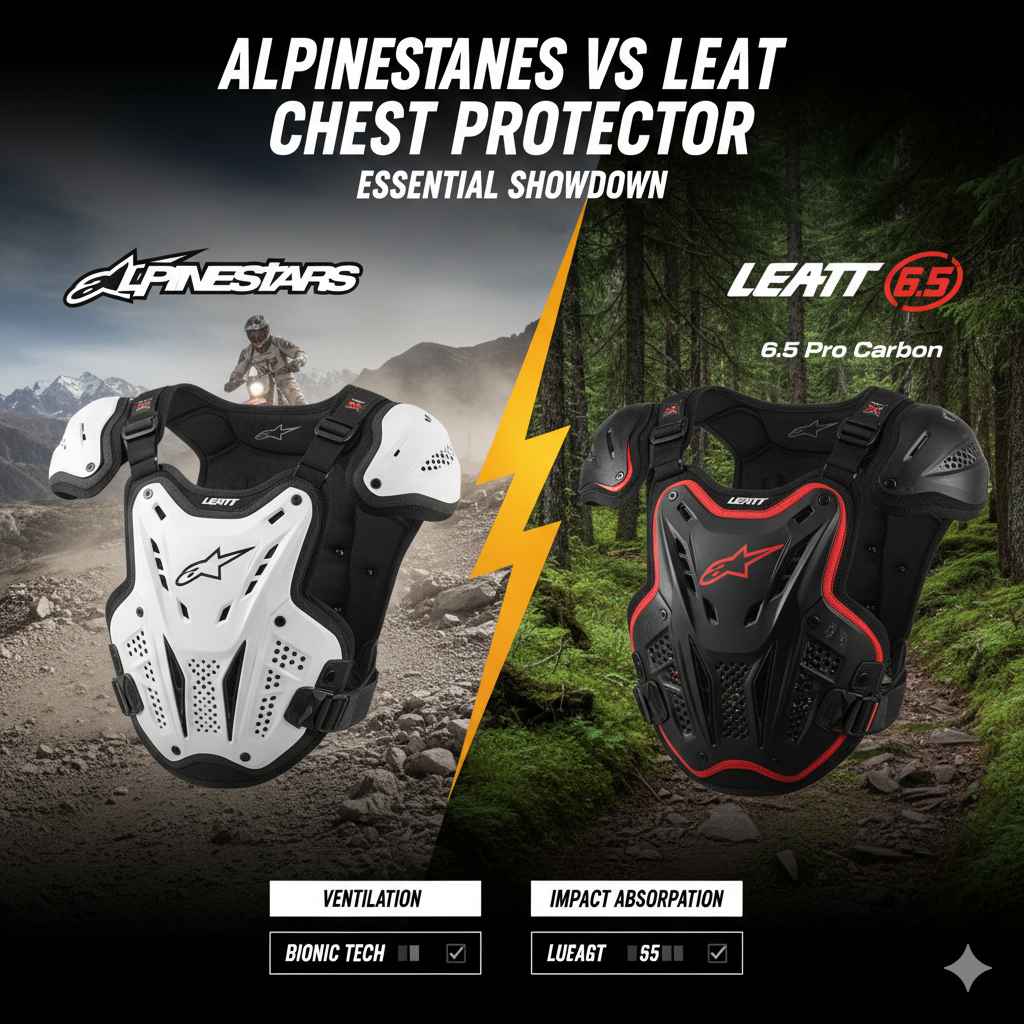
Alpinestars vs Leatt chest protector is a common choice for riders. Both brands offer top-tier protection, but Alpinestars often focuses on integrated body armor systems with flexible designs, while Leatt excels in highly adjustable, modular protection, often featuring their signature neck brace integration and advanced impact absorption materials like BioFoam. Choosing depends on your specific riding needs, comfort preference, and integration requirements.
So, you’re looking to gear up and keep your chest safe while riding dirt bikes, ATVs, or even mountain bikes? That is smart thinking! Protecting your core is one of the best steps you can take for a long, fun riding career. When you start looking around, two names keep popping up: Alpinestars and Leatt. It can feel confusing trying to figure out which one is the right fit for you. They both make fantastic gear, but they do things a little differently. Don’t worry; we are going to break down the Alpinestars vs Leatt chest protector debate simply. Think of me as your friendly coach here to walk you through what matters most: safety, fit, and comfort. By the end of this guide, you will know exactly which protector best suits your style.
Why a Chest Protector is Your Best Riding Buddy
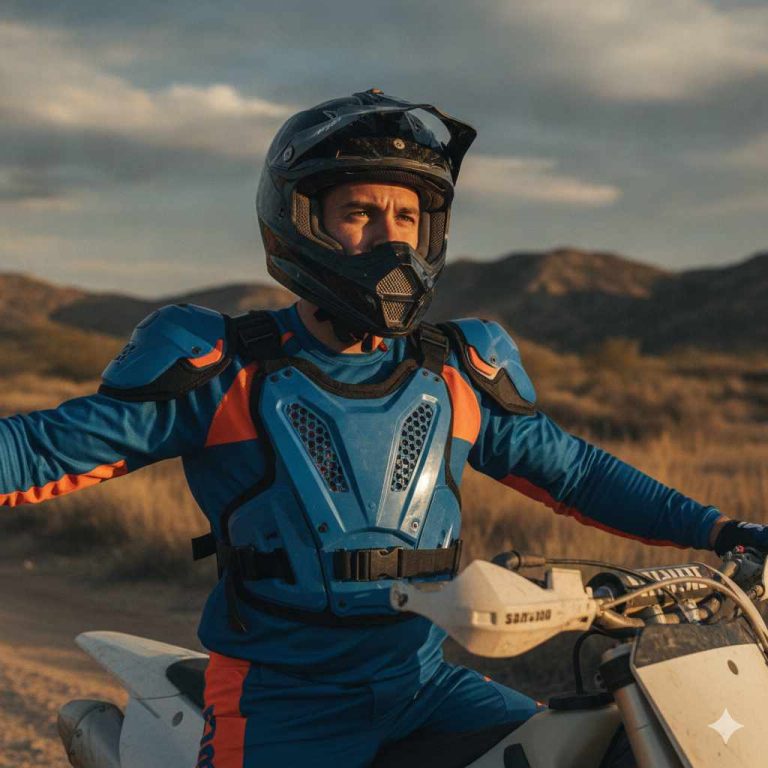
Before we dive into the brand showdown, let’s quickly talk about why you even need this piece of gear. A chest protector, or roost guard, is designed to shield your vital organs, sternum, and back from impacts. These impacts can come from high-speed crashes or flying debris—often called “roost”—kicked up by the bike in front of you.
Riding exposes you to risks, but good protection manages those risks effectively. A quality protector helps:
- Absorb the force from direct hits (like hitting a rock or the ground).
- Keep debris from causing serious injury to your chest and back.
- Offer support and alignment during certain types of falls.
The Centers for Disease Control and Prevention (CDC) emphasizes the importance of proper protective gear in reducing sports-related injuries. Simply put, wearing one means you ride safer and worry less.

Understanding the Core Philosophies: Alpinestars vs Leatt
Alpinestars and Leatt approach chest protection from slightly different angles. Understanding these core philosophies helps you decide which design aligns better with how you ride and what you value most in your gear.
Alpinestars: The Integrated System Approach
Alpinestars, often recognized for their sleek, race-oriented designs, tends to focus on creating protectors that integrate seamlessly with their other protective gear, like neck braces and upper body armor. Their gear often aims for a streamlined profile that fits well under race jerseys.
When you look at an Alpinestars chest protector, you are usually seeing:
- Ergonomic Fit: Designed to move naturally with the rider’s body, minimizing bulk.
- Hybrid Materials: They often use a combination of hard plastic shells for direct impact and softer foams for comfort and secondary protection.
- Adjustability Focus: Straps and adjusters are usually geared toward securing the protector tightly against the body for stability during high-speed maneuvers.
Leatt: Modular and Advanced Impact Technology
Leatt made its name globally famous through its pioneering work with the neck brace. This heritage heavily influences their chest protectors. Leatt often emphasizes modularity and uses proprietary impact absorption technology that goes beyond simple hard plastic.
Key Leatt characteristics include:
- Neck Brace Compatibility: Their protectors are specifically engineered to work perfectly with Leatt neck braces, offering superior alignment and gap filling.
- Advanced Foams: They heavily utilize technologies like their patented 3DF Impact Foam, which is soft and flexible during normal movement but hardens instantly upon impact.
- Ventilation and Coverage: Leatt often provides excellent ventilation channels and extensive coverage, sometimes appearing slightly bulkier due to the extensive foam layers.
Detailed Feature Comparison: Alpinestars vs Leatt Chest Protector
To make the Alpinestars vs Leatt chest protector choice clearer, let’s compare them head-to-head across the most important factors a beginner needs to consider: comfort, safety ratings, adjustability, and ventilation.
1. Comfort and Fit for New Riders
As a new rider, comfort is crucial. If your gear feels awkward or restrictive, you won’t want to wear it, and safety goes out the window. Both brands are generally comfortable, but their approach differs.
Alpinestars Comfort:
Alpinestars gear often feels lighter and perhaps less bulky initially. They tend to use padding that offers good cushioning for longer wear times, especially in their more traditional roost guards. The fit is usually snug and race-oriented.
Leatt Comfort:
Leatt protectors, particularly those utilizing the softer 3DF foam, feel very moldable right out of the box. They conform well to your body shape. However, because they often incorporate more foam for greater impact dispersion, they might feel slightly warmer or larger than a minimalist Alpinestars model.
2. Impact Protection Technology and Safety Ratings
This is where the science comes in. Modern chest protectors are tested against specific international standards. Look for CE ratings, which indicate compliance with European safety standards. A CE EN 1621-3 rating is often what you want for chest protection.
Alpinestars Protection:
Alpinestars often features high-density polyethylene (HDPE) shells combined with high-absorption foam liners. Their flagship protectors, like the A-6 or similar models, focus on large, articulated plates that spread impact forces widely across the torso. They are renowned for their robust, hard-shell protection against sharp objects and direct heavy blows.
Leatt Protection:
Leatt excels here due to its specialized materials. Their use of proprietary non-Newtonian foams means the material reacts intelligently to force. For instance, their advanced models might offer superior protection against lower-energy, high-frequency vibrations while still stopping hard hits. Many Leatt models are designed to work as part of a complete impact management system that includes their neck braces, which is a significant safety advantage if you plan on using a neck brace.
3. Adjustability and Integration (Wearing with Other Gear)
Can you easily put it on? Does it move around while you ride? Does it sit well with your neck brace (if you have one)?
Alpinestars Adjustability:
Alpinestars often uses a system of elastic straps and quick-release buckles that allow for good torso length adjustment. Their design philosophy favors keeping the protector locked down close to the body, which reduces shifting during aggressive riding.
Leatt Adjustability:
Leatt excels in modularity. Many of their protectors allow you to remove shoulder pads or back panels. Crucially, their compatibility with Leatt neck braces is unparalleled—they often have built-in slots or tethers specifically designed to connect the brace securely to the protector, preventing the brace from slipping off the shoulders.
4. Ventilation and Heat Management
Riding generates heat. If your protector traps sweat, you’ll be miserable quickly. Good airflow is non-negotiable.
Alpinestars Ventilation:
Alpinestars tends to use fewer, larger hard-shell plates, which inherently allows for more open space between the plastic and your body, promoting better airflow across the back and chest. Many models feature engineered ventilation channels built directly into the plastic itself.
Leatt Ventilation:
Leatt combats heat with extensive use of perforated BioFoam and honeycomb structures within their softer foams. While the overall coverage might seem higher, the material itself is engineered to breathe exceptionally well. However, in extremely hot, low-speed riding, some riders find the density of the foam can still feel slightly warmer than a purely plastic shell.
Side-by-Side Comparison Table
This table summarizes the primary differences you’ll encounter when comparing standard models from both manufacturers:
| Feature | Alpinestars Chest Protectors | Leatt Chest Protectors |
|---|---|---|
| Primary Focus | Streamlined fit, hard-shell impact distribution | Modular protection, advanced foam absorption |
| Key Material Use | HDPE Shells, high-density foam inserts | 3DF/BioFoam, polymer plates |
| Neck Brace Integration | Good, often requires separate adapters | Excellent, specifically engineered for their braces |
| Weight/Bulk (General) | Often lighter and sleeker | Can be slightly bulkier due to extensive foam coverage |
| Best For | Riders prioritizing slim profile and hard-shell defense | Riders using neck braces or prioritizing advanced energy absorption |
Choosing the Right Type for You: Roost Guard vs. Full Body Armor
When shopping, you’ll notice protectors fall into two main categories. Your choice here heavily influences whether Alpinestars or Leatt offers the better solution for you.
The Roost Guard (Minimalist Protection)
This is a simpler, lighter unit designed mainly to stop roost and glancing blows. It typically covers the chest and back only, often with minimal or no shoulder/arm protection.
When to Choose a Roost Guard:
- You ride mostly on tracks where roost is the main hazard.
- You prefer maximum mobility and minimum bulk under your jersey.
- You already have elbow/shoulder protection built into your jersey or pads.
Both Alpinestars and Leatt make excellent roost guards. Alpinestars often wins on the sheer simplicity and low profile of their basic models. Leatt’s roost guards usually incorporate more of their specialized foam technology, making them very comfortable even in a lighter form factor.
The Full Upper Body Protector (Maximum Coverage)
This gear looks like a lightweight vest, extending protection down the ribs and featuring substantial shoulder and often elbow guards.
When to Choose Full Body Armor:
- You are a newer rider and want maximum defense against all types of falls.
- You ride technical trails where hitting trees or rocks is a constant threat.
- You ride without separate specialized shoulder pads.
In this category, Leatt often has a slight edge due to their commitment to integrated, modular systems. Their full protectors usually integrate shoulder protection that works seamlessly with their brace design. Alpinestars’ full armor is also top-tier, often focusing on high articulation to prevent restriction of movement.
Step-by-Step Guide: How to Properly Size and Fit Your Protector
No matter which brand you choose, if it doesn’t fit right, it won’t protect right. Proper sizing is the most important step after selecting the brand.
Step 1: Know Your Measurements
Do not rely on jersey size alone. You need to measure your torso.
- Chest Circumference: Measure around the fullest part of your chest, just under the armpits.
- Torso Length (Optional but helpful): Measure from your collarbone base down to your belt line or hip bone.
Step 2: Try It On Over Your Base Layer
Always try the protector on over the tight-fitting base layer or jersey you intend to wear while riding. This ensures you get the most accurate fit.
Step 3: Check the Sternum and Back Coverage
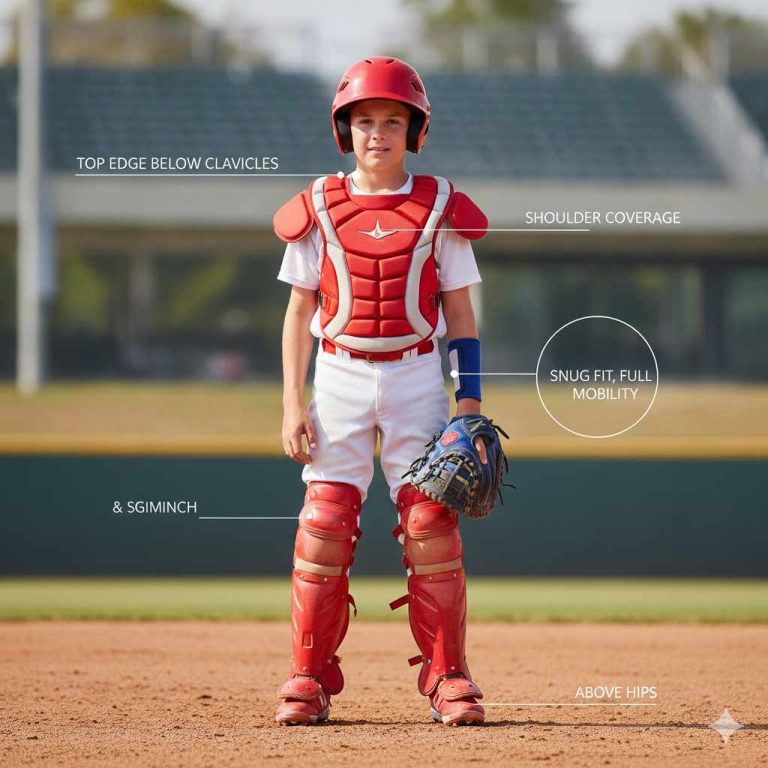
The front chest plate must sit correctly over your sternum. It should not ride up so high that it digs into your neck, nor should it sit so low that it covers your stomach area significantly.
The back panel should cover your spine completely, reaching down toward your waistline without interfering with your kidney belt or pants.
Step 4: Test Adjustability and Movement
Strap the protector on snugly—it should feel secure, but not feel like it’s crushing your ribs. Move your arms!
- Raise your arms straight up overhead. The protector should not lift excessively off your shoulders or ride up past your collarbones.
- Turn your torso side to side. There should be minimal shifting. If it slides easily side-to-side when you move, the side straps are too loose or the protector is the wrong size for your build.
Step 5: Neck Brace Fit (If Applicable)
If you use a neck brace (highly recommended for off-road riding), put the brace on first, then the chest protector over it. Check that the protector doesn’t push the brace up against your jawline when you look down. Both Alpinestars and Leatt protectors should leave a comfortable gap.
Maintenance Tips: Making Your Investment Last
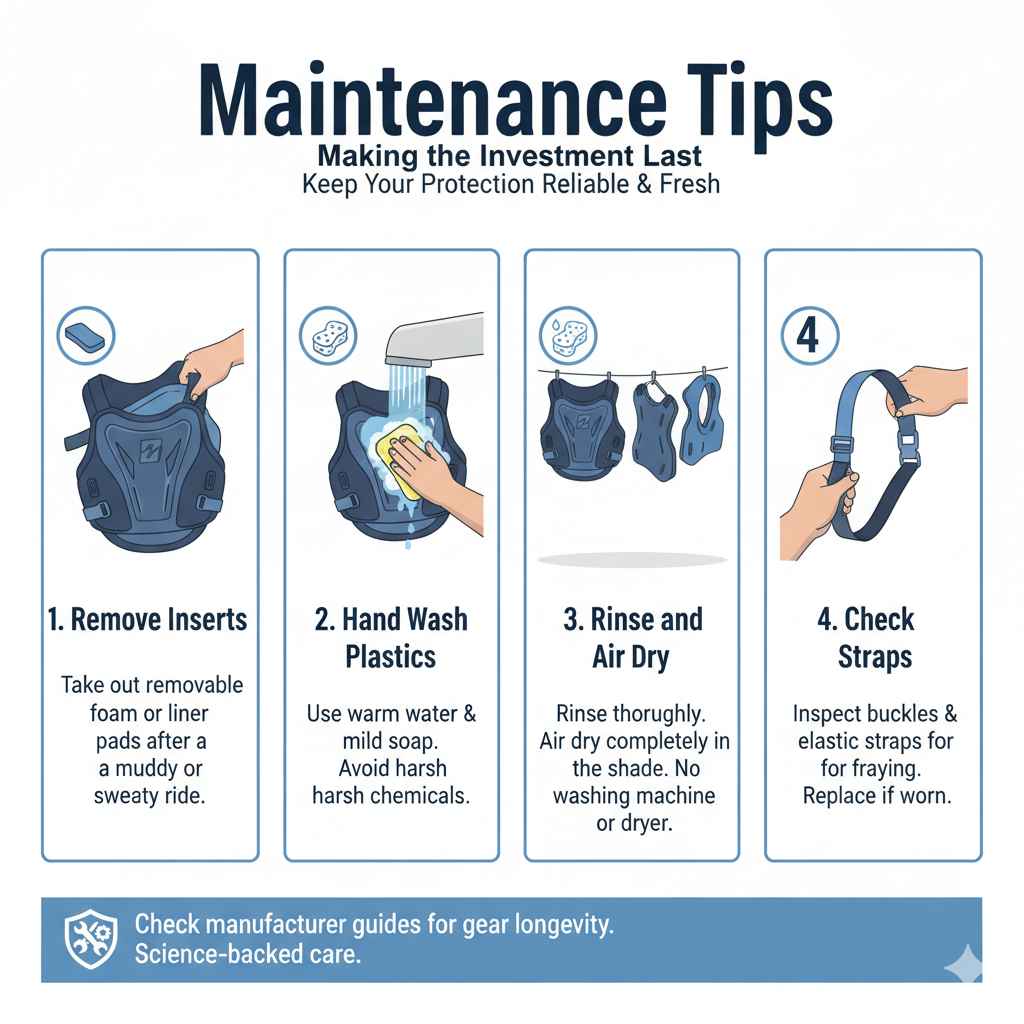
Whether you choose Alpinestars or Leatt, proper care keeps your protection reliable and smelling fresh.
Follow these simple cleaning steps:
- Remove Inserts: If your model has removable foam or liner pads, take them out immediately after a muddy or sweaty ride.
- Hand Wash Plastics: Use warm water and mild soap (like dish soap) to wipe down the hard plastic shells. Avoid harsh chemical cleaners, as they can degrade the plastic over time.
- Rinse and Air Dry: Rinse thoroughly. Let all components air dry completely in the shade. Never put your protector in a washing machine or dryer, as high heat can warp the plastic or destroy the impact foams.
- Check Straps: Periodically inspect all buckles and elastic straps for fraying or stretching. Frayed straps mean reduced security, so replace them if they look worn.
For more information on gear longevity, checking manufacturer maintenance guides (like those provided by organizations adhering to rigorous testing standards) is always a good idea.
Beginner FAQ: Clearing Up Common Chest Protector Questions
Here are some quick answers to common questions beginners have when comparing protective gear.
Q1: Is a chest protector mandatory for trail riding?
A: While not legally required in all areas for every type of riding, it is highly recommended by nearly all riding organizations and coaches for any off-road or motocross activity. It is essential safety equipment.
Q2: Which is generally hotter, Alpinestars or Leatt?
A: This depends heavily on the specific model. Generally, basic Alpinestars roost guards designed for maximum airflow might feel cooler initially. However, Leatt’s advanced foams are highly ventilated. For long, slow rides in heat, look for models advertising maximum venting from either brand.
Q3: Can I wear my neck brace with any chest protector?
A: Not always perfectly. While many protectors are “neck brace compatible,” the best integration comes when you use a protector designed by the same company as your brace (e.g., a Leatt brace with a Leatt protector). This ensures the brace sits exactly right and doesn’t get pushed up.
Q4: Do I need a chest protector if I only ride casually?
A: Yes. Casual riding often means less caution, more unexpected obstacles, or simply encountering unexpected roost. The protection offered against debris alone is worth the investment, even at lower speeds.
Q5: How often should I replace my chest protector?
A: If you have a major crash where the protector absorbed a heavy impact, replace it immediately, even if it looks fine. The internal structure of the foams or plastics may be compromised. Otherwise, replace it every 3–5 years, as plastic and foam materials degrade over time, regardless of use.
Q6: What is the difference between a CE rating and just a brand name?
A: A CE rating (like EN 1621-3) means the protector has passed standardized laboratory tests proving it can withstand certain levels of impact force. A brand name means they design gear well, but the CE rating provides an objective measure of safety performance.
Making the Final Call: Which Protector Wins for You?
Choosing between Alpinestars vs Leatt chest protector really boils down to your personal priorities and your existing gear setup. There isn’t one single “best” option; there is only the best option for you.
If you lean toward a minimalist, sleek design that focuses heavily on distributing hard, direct impacts through large, well-placed plastic shells, and you prefer a lighter feel under your jersey, Alpinestars is likely your champion.
If you prioritize the most advanced impact absorption materials (the foams that react instantly), need the absolute best integration with a neck brace, and appreciate modularity where you can swap out parts, Leatt offers an incredibly sophisticated solution.
As your coach, I always advise you to try both if possible. Go to a reputable gear shop. Put on a comparable model from each brand, wear your riding jersey, and move around. Which one feels like less of a chore to wear? The one that feels comfortable and secure