
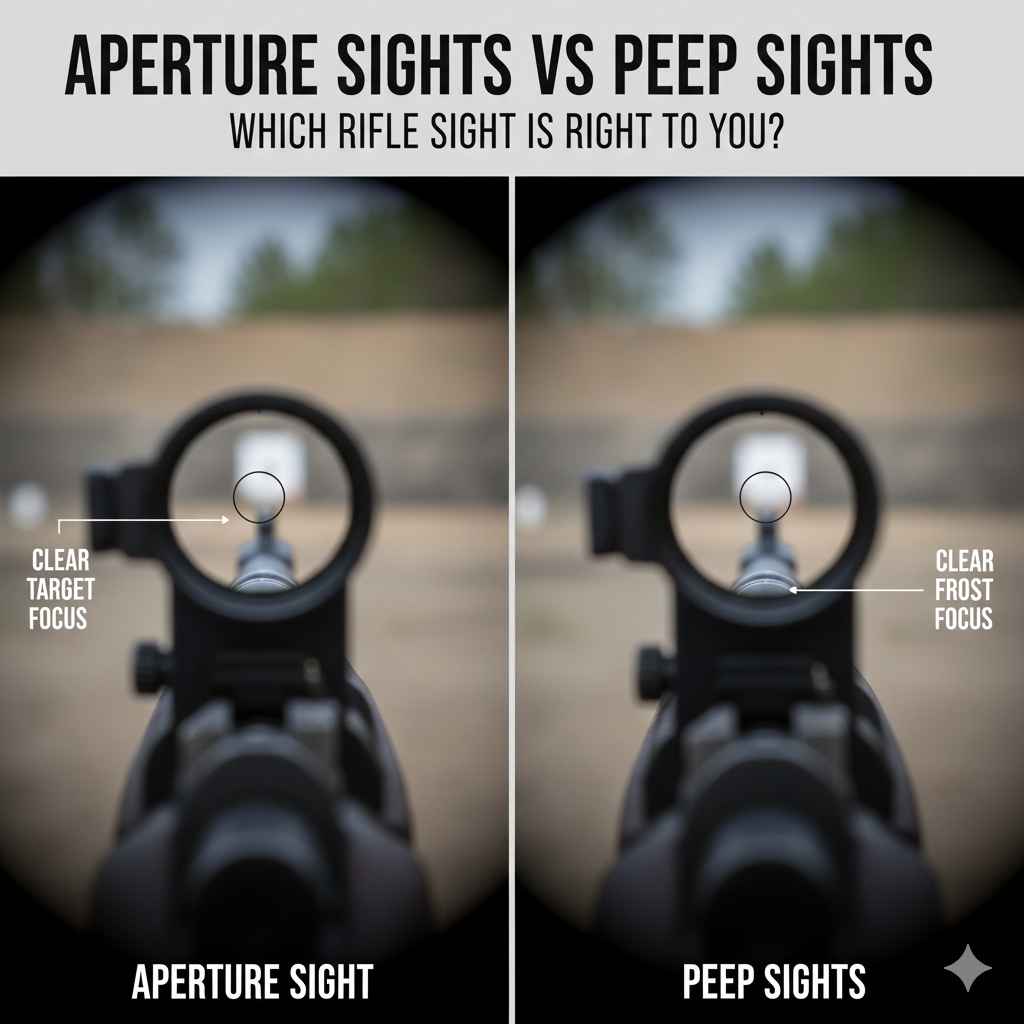
Choosing between Aperture Sights vs Peep Sights: Key Differences can seem tricky at first, especially if you’re new to shooting. Many beginners find it confusing to figure out the pros and cons of each type. But don’t worry! This guide will break down the topic in a straightforward way, making it easy to see which sight works best for you. We’ll look at how they function, what they’re good for, and how to pick the right one. Let’s get started!
What Are Aperture Sights and How Do They Work?
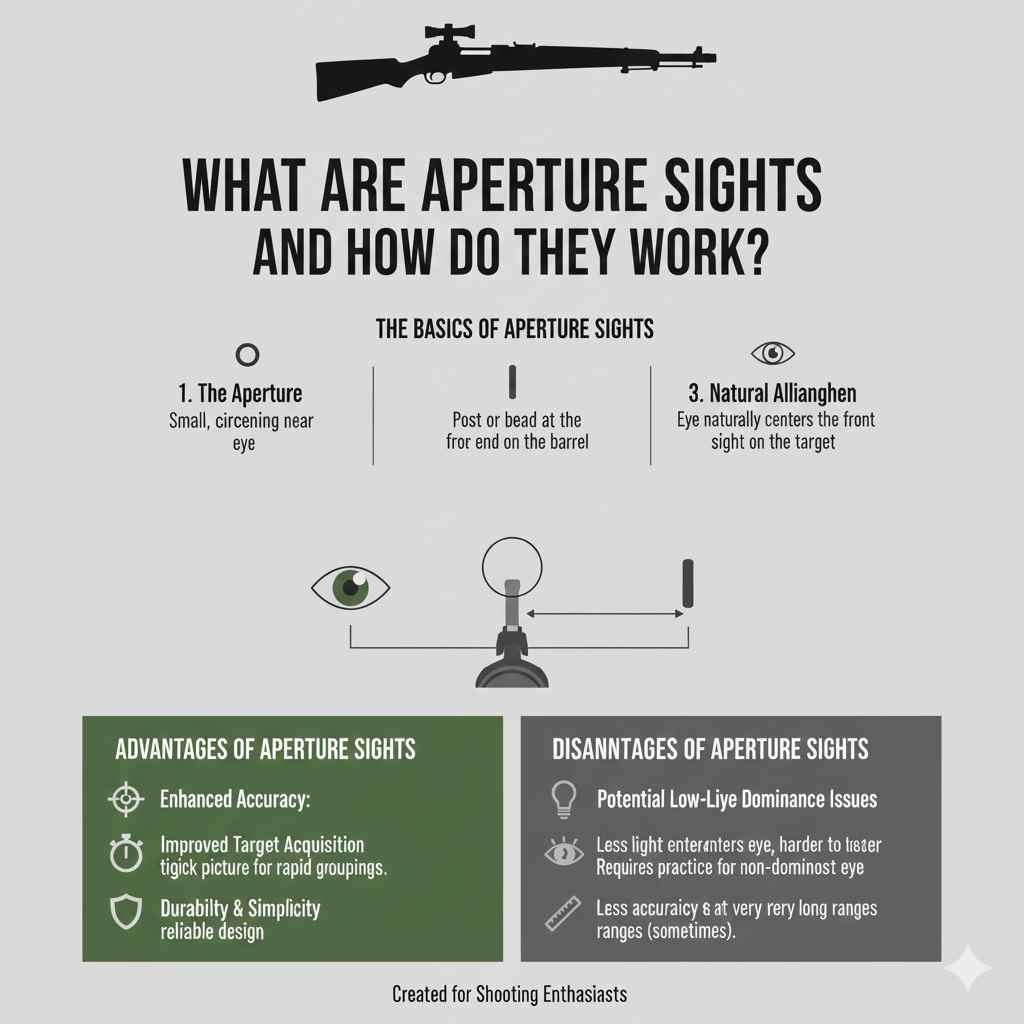
Aperture sights, also known as peep sights, are a type of sighting system used on rifles and other firearms. The most distinctive feature is a small, circular opening (the “aperture” or “peep”) located near the shooter’s eye. When aiming, the shooter looks through this aperture. The aperture sight helps to align the eye, the front sight (usually a post or bead), and the target. The aperture helps your eye center the front sight more quickly and consistently, improving accuracy.
Aperture sights are known for their speed and accuracy, particularly at longer distances. They’re often seen on rifles used in target shooting and hunting. The design allows the eye to naturally center the front sight, which helps to create a more consistent sight picture. This leads to less aiming error and better groupings. The simplicity of the design also makes them relatively durable and easy to use. Modern aperture sights are very reliable and effective.
Advantages of Aperture Sights
- Enhanced Accuracy: The circular aperture encourages the eye to self-center the front sight, helping with consistent shot placement. This reduces aiming errors and leads to better groupings.
- Improved Target Acquisition: The design allows for a quick and clear sight picture, making it easier to acquire targets rapidly. This is crucial in dynamic shooting scenarios.
- Durability and Simplicity: Aperture sights typically have fewer moving parts than other sighting systems. This simple design results in improved durability and reliability.
For example, in a three-gun competition, a shooter using aperture sights might find it easier to quickly transition between targets, leading to a faster overall time. Another example is a hunter who needs a reliable sight in challenging conditions. The simple design can be a significant advantage in demanding situations.
Disadvantages of Aperture Sights
- Reduced Low-Light Performance: The small aperture can limit the amount of light that reaches the eye, making it more challenging to see the target in low-light conditions.
- Potential for Eye Dominance Issues: If a shooter is not eye-dominant, it can require more practice to align the sight picture correctly.
- Shorter Sight Radius (in some cases): The sight radius (the distance between the front and rear sights) can sometimes be shorter, which can reduce accuracy at very long ranges.
Consider a situation where a shooter is trying to make a shot at dusk. The reduced light entering the eye through the small aperture can make the front sight and target more difficult to see. This makes this type of sight less than ideal in these scenarios. A hunter would need to be mindful of this limitation, and may choose a different system if they anticipate shooting in low-light environments.
Understanding Peep Sights
Peep sights are another term for aperture sights. They are specifically designed to improve aiming by using a small aperture through which the shooter looks. The purpose is to automatically align the shooter’s eye with the front sight and the target. This simple design boosts accuracy and speed, making them popular in sports like target shooting and hunting. This design also offers good durability because of its simple design.
The principle behind peep sights rests on the concept of the eye’s natural tendency to center a circle. When the eye looks through the circular aperture, it automatically aligns with the center. This helps the shooter to maintain a consistent sight picture. The front sight (a post or bead) and the target will be naturally in alignment with this centered view. This simple method leads to greater accuracy.
Components of a Peep Sight
- Aperture: The small, circular hole through which the shooter views the target. It helps the eye automatically center the sight picture.
- Rear Sight Base: This is the part of the sight that holds the aperture. It’s typically mounted on the rear of the firearm’s receiver or barrel.
- Front Sight: Usually a post or bead mounted near the muzzle. It is aligned with the aperture and the target.
Consider a practical example: a hunter using a peep sight in the field. The hunter aligns the front sight with the target while looking through the aperture. The eye’s natural alignment in the circle boosts the odds of a precise shot. Peep sights work well for both target shooting and hunting. The design helps the shooter to make quick and precise shots.
Types of Peep Sights
- Fixed Aperture Sights: These sights have a non-adjustable aperture size. This is a common and straightforward design. They offer simplicity and reliability for consistent shooting.
- Adjustable Aperture Sights: These sights allow the shooter to change the aperture size. Larger apertures are good for low-light conditions. Smaller ones offer better precision at longer ranges.
- Target Peep Sights: These sights are often used in competitive shooting. They are fine-tuned for precision and often include adjustment features for windage and elevation.
In a target shooting competition, a shooter might use an adjustable aperture sight to adapt to changing light conditions or target distances. The ability to fine-tune the aperture size allows for greater precision and accuracy. The type of peep sight can greatly affect a shooter’s experience. The choice is often based on the kind of shooting and personal preference.
Comparing Aperture Sights and Peep Sights: Key Differences
When discussing Aperture Sights vs Peep Sights: Key Differences, you’ll find that aperture sights are peep sights. The terms are often used interchangeably. Both refer to the same type of sighting system. The key lies in understanding how they function. Also, how they’re used to improve aiming accuracy.
The main difference between the two terms is in their usage. The term “aperture sight” is more descriptive. It focuses on the circular opening (the aperture) that defines the sight. “Peep sight” is a more colloquial term. It refers to the action of looking through the aperture to peep or peek at the target. Both terms are widely recognized and used across shooting sports. They both refer to the same basic design and function. The user experience is the same.
Key Differences in Design
- Shape and Size of the Aperture: The aperture is typically circular, and the size can vary, especially in adjustable models.
- Mounting Location: They are normally mounted on the rear of the firearm, either on the receiver or the barrel, to align with the front sight.
- Construction Materials: Aperture sights can be constructed from a range of materials, including steel and aluminum. They are known for their durability.
A shooter who wants a sight with adjustable aperture size might pick a sight with a smaller aperture for precise target shooting. A sight with a larger aperture is useful in fast-paced shooting scenarios. The construction materials ensure durability and the ability to withstand recoil and harsh field conditions.
Key Differences in Functionality
- Aiming Procedure: The shooter looks through the aperture, aligning the front sight and the target. This simple process boosts aiming precision.
- Target Acquisition Speed: They are quick and effective for fast target acquisition. This allows shooters to quickly and accurately engage targets.
- Accuracy at Different Ranges: They can provide good accuracy at both short and long distances. They are a reliable system for a range of shooting scenarios.
For example, a hunter in a thick forest will value the quick target acquisition. This is very important when game can appear suddenly. A competition shooter will focus on the accuracy provided by the aperture sight. This will help with precise shot placement in the shooting sports.
Selecting the Right Sight: Factors to Consider
Choosing the right sight depends on a few different elements. Knowing about shooting styles, how light impacts your ability to see, and the range you typically shoot at is useful. These details help you pick the best sight for your needs. This knowledge leads to more enjoyable shooting experiences.
Consider the type of firearm you own. Some firearms have sight mounts that work better with certain types of sights. The location of your shooting. Consider whether you’ll be shooting indoors or outdoors, and at what distances. These factors help determine the best sight configuration. These factors are important when choosing a sight.
Shooting Style and Purpose
- Target Shooting: If you’re into target shooting, consider aperture sights. They are known for their precision and help with improved shot groupings.
- Hunting: For hunting, think about a peep sight. These are useful for quick target acquisition. It’s useful to see targets in different light conditions.
- Competition Shooting: Some competitive shooters choose adjustable aperture sights. These offer greater precision and adaptability.
For instance, a hunter who shoots in forests might prefer a peep sight. This is because these sights offer quick target acquisition. A target shooter might choose an aperture sight. This allows for fine-tuning the sight for precision.
Light Conditions and Sight Picture
- Low-Light Conditions: If you often shoot in low-light conditions, consider sights with larger apertures. These let in more light.
- Bright Light Conditions: In bright light, any aperture size will usually work. This is when the sight picture is clear and visible.
- Eye Dominance: Knowing your eye dominance is crucial. Choose a sight that fits your dominant eye for better alignment and accuracy.
A hunter may benefit from using a sight with a larger aperture. This offers better visibility. In daylight, a smaller aperture sight can offer a clear and precise view of the target. These conditions impact which sight is right.
Range and Accuracy Needs
- Short-Range Shooting: For short-range shooting, a fixed-aperture sight is typically adequate. The design helps with quick target alignment.
- Long-Range Shooting: For long-range shooting, consider sights with adjustable apertures. These can refine your aim and help with precision.
- Accuracy Requirements: If you need very high accuracy, peep sights with smaller apertures are often preferred. They improve shot placement.
In a competition, precise aiming is necessary. The choice of sight needs to align with the shooter’s needs. The range affects the type of sight. Adjusting the sight to match the range helps. It assists with accuracy.
Advanced Techniques for Using Aperture Sights and Peep Sights
After you have your sight, learning some advanced methods for using them can significantly boost your accuracy. There are helpful techniques, like understanding sight picture. Also, learning how to adjust the sight. And then, there is the value of practice.
Mastering these techniques will let you get the most out of your sight. This is regardless of whether it’s a standard aperture or peep sight. By combining these methods with practice, you’ll become more accurate. You’ll also improve your skills. This includes making accurate shots at various distances.
Sight Picture and Alignment
- Consistent Eye Relief: Hold the firearm consistently. Place your eye the same distance away from the aperture each time. This provides a consistent view.
- Focus on the Front Sight: When aiming, your focus should be sharp on the front sight. The target and the rear aperture will appear somewhat blurred.
- Center the Aperture: Ensure the front sight is centered within the aperture. This alignment boosts shot accuracy.
For example, if the shooter consistently places their eye at the same distance, the sight picture will be the same. The focus on the front sight is very important to make precise shots. This means you will improve consistency and accuracy.
Adjusting for Windage and Elevation
- Understanding Adjustments: Learn how to adjust your sight for windage (left/right) and elevation (up/down). This will help you compensate for wind and bullet drop.
- Zeroing Your Rifle: Zero your rifle at a specific distance. This is typically 100 yards for most rifles. This process helps calibrate your sight.
- Making Small Adjustments: After you zero your rifle, make small adjustments based on your shot groups. This will boost the accuracy further.
A shooter might need to adjust their sight based on shot groups. Small corrections on elevation and windage knobs help improve precision. Knowing how to zero your rifle is essential for using your aperture sight correctly. Consistent adjustments make your shots more accurate.
Practice and Drills
- Dry-Fire Practice: Practice your aiming and trigger control without live ammunition. The dry fire method helps with consistent alignment.
- Live-Fire Practice: Frequent live-fire practice at various distances is important. This practice builds your skills.
- Using Different Drills: Use different drills to practice target acquisition. This helps with quickly aligning your sights and making accurate shots.
Consistent dry-fire practice can help a shooter improve. This skill prepares them for live-fire shooting. Consistent live-fire practice helps a shooter become more skilled. This helps the shooter to become more proficient in making accurate shots.
Table: Comparing Aperture Sights and Peep Sights
To help you better grasp Aperture Sights vs Peep Sights: Key Differences, this table offers a quick comparison of the two, highlighting their main features.
| Feature | Aperture Sight | Peep Sight |
|---|---|---|
| Definition | A sight with a small, circular opening for aiming. | Another name for an aperture sight. |
| Functionality | Improves accuracy by helping the eye self-center the front sight. | Same as aperture sight. |
| Ease of Use | Simple and easy to use, ideal for fast target acquisition. | Equally simple, quick to learn and use. |
| Advantages | Enhanced accuracy, quick target acquisition, durable design. | Same advantages as aperture sights. |
| Disadvantages | Can be less effective in low-light conditions. | Can be less effective in low-light conditions. |
Frequently Asked Questions
Question: What is the main benefit of using an aperture sight?
Answer: The main benefit is enhanced accuracy because the circular aperture encourages the eye to self-center the front sight.
Question: Are aperture sights good for beginners?
Answer: Yes, aperture sights are generally considered good for beginners. They are simple to use and help with a consistent sight picture, making it easier to learn the basics of aiming.
Question: Do aperture sights work well in low light conditions?
Answer: No, aperture sights can be less effective in low-light conditions because the small aperture limits the amount of light that enters the eye.
Question: How do I adjust an aperture sight?
Answer: Most aperture sights have adjustments for windage (left/right) and elevation (up/down). You will typically make small adjustments to the sight based on where your shots are hitting on the target.
Question: Is there a difference between aperture sights and peep sights?
Answer: No, the terms “aperture sight” and “peep sight” are usually used interchangeably to refer to the same type of sighting system.
Final Thoughts
When you’re trying to figure out Aperture Sights vs Peep Sights: Key Differences, it’s essential to remember that these terms are mostly interchangeable. The type of sight you choose depends on your own needs. Aperture sights can really boost your accuracy because they help you focus. They’re good for both target shooting and hunting. With practice, you can improve your sight picture and overall skills. By understanding how aperture sights work and practicing, you’ll become a more confident and accurate shooter. Remember, practice is key. Try different sights and see what suits you. Happy shooting!