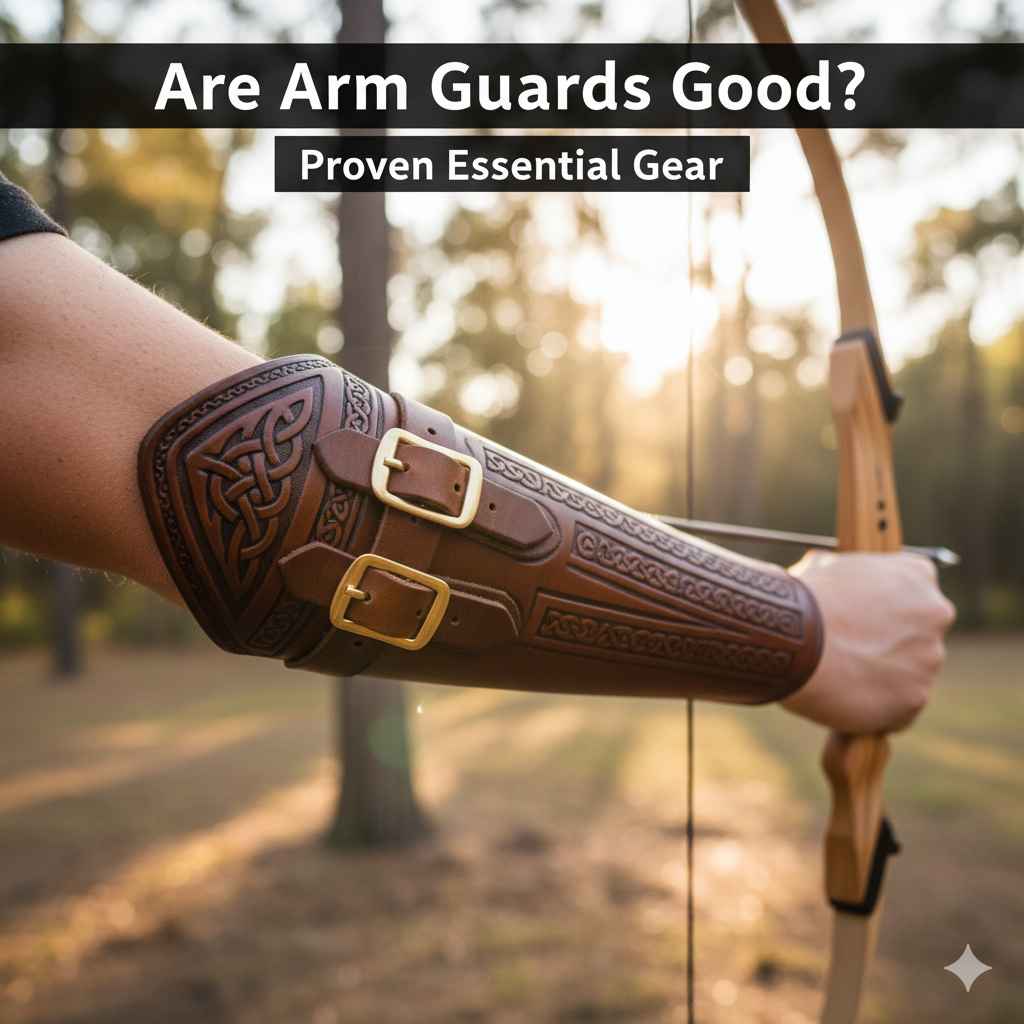
Arm guards are indeed essential gear for nearly every new and experienced archer. They provide crucial protection against string slap, prevent painful injuries, improve shot consistency by keeping loose clothing clear, and boost overall confidence when shooting.
Welcome to the range! If you’ve ever heard the sharp “thwack” of a bowstring hitting your forearm, you know it stings. Many beginners wonder if protective gear is truly necessary, or just an extra thing to buy. The short answer is: Yes, arm guards are incredibly good, and often vital.
Dealing with string slap is frustrating. It can make you flinch, ruin your aim, and even make you avoid practice altogether. But fear not! As your guide, I’m here to make archery simple, safe, and fun for everyone.
We are going to break down exactly why arm guards are such a game-changer, how to pick the perfect one, and how to use it correctly so you can focus on hitting that bullseye. Let’s dive into making your shooting experience better, starting right now.
As a coach, my number one priority is safety and consistent enjoyment. If you are not comfortable, you will not shoot well. Arm guards sit right at the intersection of safety and performance. They are one of the first pieces of equipment I recommend every single new archer invests in.
Why You Need an Arm Guard: Protection Meets Performance
Many people think arm guards are only for preventing bloody scrapes. While that is true, their impact on your shooting technique is often more significant. When you learn to shoot, you are training small muscles to move precisely under pressure. An unexpected sting from the bowstring can derail all that hard work.
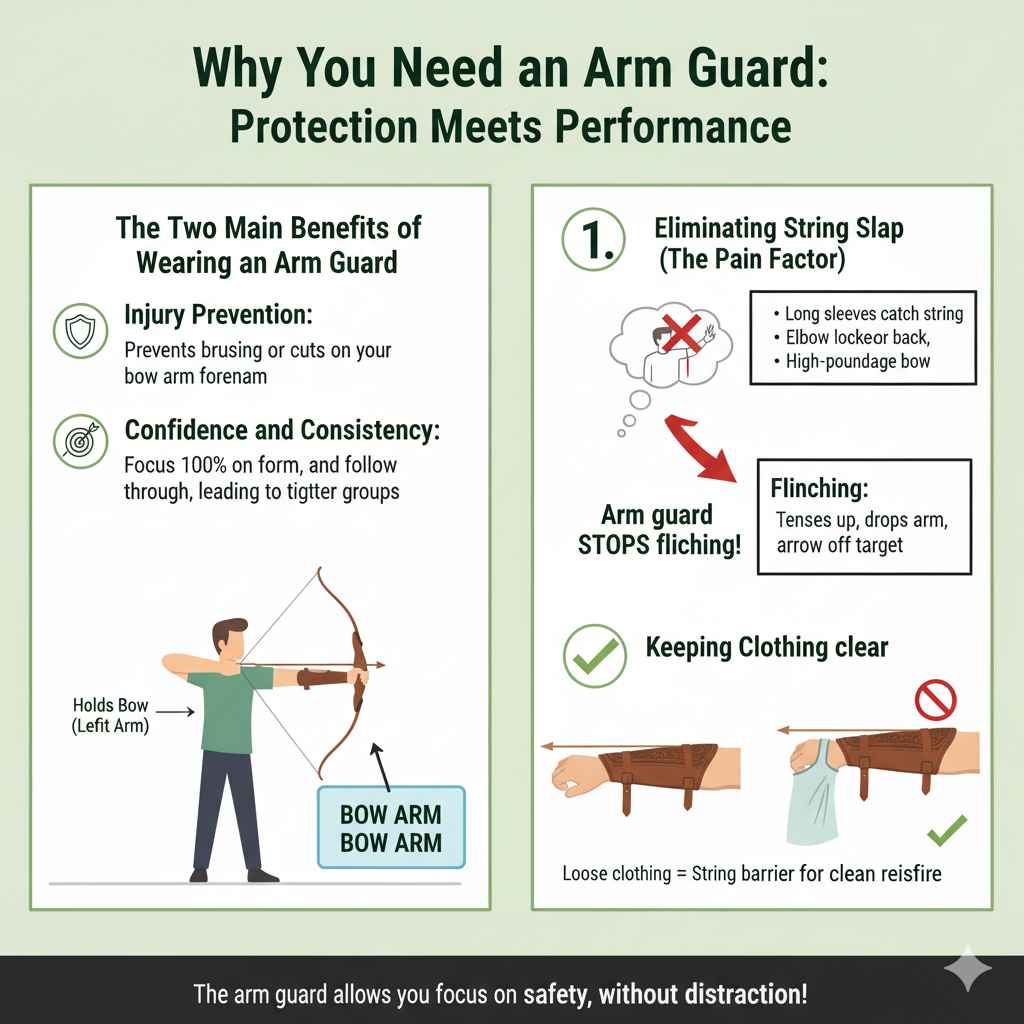
The Two Main Benefits of Wearing an Arm Guard
Think of the arm guard as your shooting armor. It performs two critical jobs:
- Injury Prevention: This is the most obvious benefit. Preventing bruising or cuts on your drawing arm forearm.
- Confidence and Consistency: This is the performance benefit. When you know your arm is safe, you can focus 100% on your form, release, and follow-through, leading to tighter groups.
1. Eliminating String Slap (The Pain Factor)
String slap happens when the bowstring, after being released, swings forward and smacks your inner forearm. This happens most often when:
- You have long sleeves that catch the string.
- Your bow arm elbow is locked or too far back.
- You are using a high-poundage bow that is hard to control.
This pain is not just annoying; it causes a reaction called “flinching.” Your body subconsciously prepares for the sting, causing you to tense up or drop your bow arm early, which throws your arrow off target. An arm guard stops this reaction dead in its tracks.
2. Keeping Clothing Clear
Archery rules (and common sense) dictate that nothing should interfere with the string path. Loose clothing, especially baggy shirt sleeves, can get caught by the string, causing a “string drag” or, worse, a dangerous misfire. An arm guard acts as a physical barrier, keeping that loose material safely away from the string’s path, ensuring a clean release every time. This is particularly important when shooting outdoors where a light breeze might blow a sleeve towards the bow.
Common Concerns: Debunking Arm Guard Myths
Because arm guards are simple, beginners sometimes overlook them or believe outdated ideas about their necessity. Let’s set the record straight on some common myths.
| Myth | The Reality (Why Arm Guards are Good) |
|---|---|
| “I only shoot light bows, so I don’t need one.” | String slap can hurt even with light bows, and clothing interference is still a risk regardless of draw weight. |
| “It’s a crutch; I should just learn proper form first.” | It’s not a crutch; it’s safety equipment. It allows you to focus purely on form without the distraction of impending pain. |
| “They look bulky and ruin my look.” | Modern arm guards are sleek, lightweight, and come in many styles. Functionality outweighs fashion here. |
If you are learning proper stance and anchor points, you are doing complex physical work. Why introduce a variable—potential pain—that can interrupt your learning curve? Arm guards help stabilize your practice early on.
Types of Arm Guards: Finding Your Perfect Fit
Not all arm guards are created equal. The best choice for you depends on your style of archery (Recurve, Compound, Traditional) and how much coverage you prefer. Understanding the materials will help you make an informed decision.
Material Breakdown
Arm guards are generally made from three main materials, each offering different levels of protection and flexibility:
- Leather: The traditional choice. It is durable, molds to your arm over time, and offers excellent protection. Great for traditional or instinctive shooters.
- Neoprene/Elastic: Often used in sleeve-style guards. They are comfortable, flexible, and great for keeping sleeves tight and tucked away. Excellent for beginners who need ease of use.
- Composite/Plastic: These feature a rigid plastic or carbon plate backed by soft material. They offer maximum protection against heavy bows but can sometimes feel less flexible than leather.
Sizing and Coverage Styles
The length of the guard is important. It needs to cover the entire area where the string might strike, from just below your elbow down toward your wrist crease.
- Three-Strap Leather Guards: These are adjustable and provide solid, traditional coverage. They require a bit more time to put on but are very secure.
- Elastic Sleeve Guards: These slide on like a sleeve. They are fast and easy for quick range sessions. Make sure the elastic is snug enough not to slip but not so tight it cuts off circulation.
- Adjustable Buckle Guards: Similar to leather straps but often using plastic buckles or Velcro. They offer a good balance of security and quick adjustment.
When selecting, always check reviews regarding strap durability. A strap breaking mid-draw is not helpful! For absolute beginners, I often suggest a simple, adjustable neoprene sleeve style because they are comfortable and hard to put on wrong.
How to Properly Wear Your Arm Guard (Step-by-Step)
Wearing an arm guard incorrectly can actually interfere with your shot. Follow these steps to ensure it functions perfectly every time you step up to the line. This process is crucial whether you shoot a lightweight youth bow or a high-poundage hunting setup.
- Identify the Bow Arm: This is the arm holding the bow (usually your non-dominant arm). The guard goes only on this arm.
- Positioning Check: Place the guard on the inside of your forearm. It should sit comfortably on the meaty part of the inner arm.
- Coverage Check: The guard must cover the entire area between your elbow joint and your wrist. If the string hits the area where the guard ends, it’s too short or positioned incorrectly.
- Strap It Down (If Applicable): If using a strapped guard, tighten the straps firmly, but not painfully tight. You should be able to slide one finger underneath the strap, but it shouldn’t shift when you move your arm naturally. If it twists easily, it’s too loose.
- Check Against Clothing: If you are wearing a long sleeve shirt, make sure the arm guard is placed over the sleeve fabric, pressing the sleeve flat against your arm. This prevents the fabric from billowing out and catching the string.
- The Draw Test: Before shooting an arrow, draw your bow fully (safely, of course, without an arrow if you are nervous) and let the string snap forward slightly. Check if the guard stays perfectly in place and if the string clears it cleanly.
Remember, the goal is for you to forget the arm guard is even there until you potentially need it. If you feel it moving or pinching, take a moment to readjust before firing your first arrow.
Arm Guards in Different Archery Disciplines
While the basic function remains the same, the gear choice might shift slightly depending on what kind of shooting you enjoy. Modern archery encompasses many styles, from Olympic target shooting to rugged field archery.
Recurve and Olympic Style Archery
For target archers, precision and minimal bulk are key. They often opt for lightweight, shorter plastic/composite guards that offer rigid protection without adding unnecessary weight that could slightly shift the arm’s balance during a long hold.
Compound Archery
Compound shooters often use higher poundages, meaning the string speed is much faster and the impact force is greater. They might prefer slightly longer, stiffer leather or composite guards for maximum coverage and impact absorption. Since many compound archers use wrist release aids, they often wear a sleeve-style guard that works well beneath the wrist strap.
Traditional/Longbow Archery
Traditional archers frequently choose natural materials, opting for high-quality, thick leather guards. Because traditional bows often lack the forgiving mechanics of modern bows, form consistency is paramount, and a good leather guard is durable enough to last for decades of practice. Many traditional archers enjoy the aesthetic pairing of leather gear.
For those interested in the physics behind different bow types and their energy transfer, resources like university physics departments often explain the mechanics involved in arrow launch velocity, which directly influences string speed and the need for protection. For example, research often cited by educational bodies confirms that faster string travel increases kinetic impact upon impact with the arm (Source: Sports Science Journals on Biomechanics).
When Is an Arm Guard Not Strictly Necessary?
While I strongly advise beginners to always wear one, there are a few highly specific situations where an archer might choose to go without one, though caution is still advised:
- Very Low Draw Weight Training Bows: If you are shooting a very light bow (under 15 lbs) specifically for form drills and you are wearing very fitted, non-snagging clothing, the risk is lower.
- Experienced Archers with Perfect Form: Elite archers who have spent years mastering their form may eventually find their string path is so consistent that string slap is physically impossible.
- Certain Specialized Equipment: Some very specialized shooting styles or equipment might mandate no forearm gear, but these are generally not for beginners.
Crucial Caveat: If you switch between different bows (e.g., moving from your 20 lb practice bow to a 40 lb hunting bow), always put the guard back on until you are accustomed to the new bow’s speed and feel.
Cost and Value: Are Arm Guards Expensive?
One great thing about arm guards is that they offer tremendous value for the price. They are one of the most affordable pieces of safety equipment you can buy.
| Guard Type | Typical Price Range (USD) | Durability Expectation |
|---|---|---|
| Basic Neoprene/Elastic | $5 – $15 | 1–3 years (Elastic wears out) |
| Standard Leather/Velcro | $15 – $30 | 5+ years |
| High-End Composite/Carbon | $30 – $50+ | Very High (Decades) |
For the beginner, spending $15 on a quality starter guard prevents a week of frustration from bruising and allows you to focus your money on arrows or a better target. That is an excellent return on investment!
Arm Guards and Archery Safety Culture
In the archery community, proper gear use is part of respecting the sport. Experienced archers notice when new shooters prioritize speed over safety, and wearing fundamental protective gear shows you are taking the activity seriously. It’s similar to wearing a helmet while cycling; it’s standard procedure.
When you practice safely, you are also setting a good example for the next person picking up a bow. Promoting good safety habits is everyone’s responsibility. We learn best when we feel safe and protected. If you are ever shooting with a club or at a range, check their posted safety guidelines. Most organized ranges strongly recommend or require forearm protection, especially for new members.
Troubleshooting: What If My Arm Guard Isn’t Working?
If you are wearing an arm guard but still getting hit by the string, don’t panic! This is a sign that you need to adjust your shooting form, not abandon the guard. The guard is telling you something important about your setup.
Common Reasons for Continued String Slap:
- Holding the Bow Too Close: If your bow arm elbow is tucked in toward your body, the string path will naturally cut across your forearm more sharply. You need to keep your bow arm slightly extended and rotated outward (often called “pushing” the bow forward).
- Tension in the Bow Arm: If you are tensing your bicep or shoulder, your arm shape changes, and the string path shifts. Relax! A relaxed bow arm allows the string to sweep cleanly past the guard.
- Guard Slippage: Re-check the straps. If the guard rotates during the draw cycle, the protective barrier moves away from the impact zone.
- Improper Draw Length: If your bow’s draw length is too long for you, you might be over-extending, which can pull the string path slightly out of alignment.
If you are consistently getting hit despite wearing the guard and correcting your elbow position, it might be time to ask a certified coach for a quick check of your form. Even a tiny adjustment can make a huge difference in string clearance.
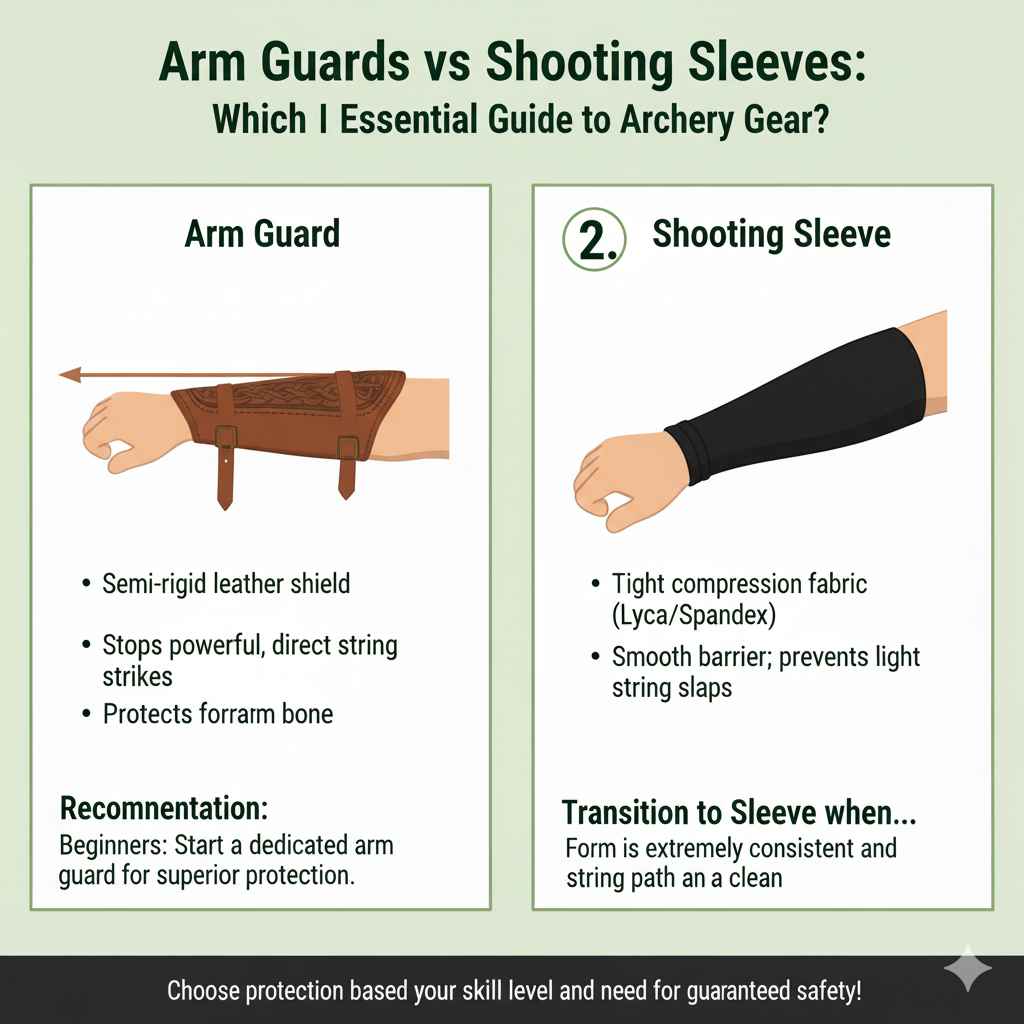
Arm Guards vs. Shooting Sleeves: Which Should I Choose?
This is a common point of confusion! They serve similar functions but are distinctly different pieces of equipment.
- Arm Guard: A semi-rigid or leather shield designed specifically to stop a powerful, direct string strike. It focuses protection on the forearm bone.
- Shooting Sleeve: A tight, compression sleeve, usually made of Lycra or spandex. Its primary job is to compress the muscles (aiding circulation/warmth) and act as a smooth barrier to prevent clothing from snagging. It offers minor protection against very light slaps but will not stop a heavy, fast string.
My Recommendation for Beginners: Start with a dedicated arm guard. It offers superior, guaranteed protection against accidental contact. Once your form is extremely consistent, you can transition to a shooting sleeve if you prefer the look or feel, provided you are certain your string path is clean.
Frequently Asked Questions (FAQ) About Arm Guards
Q1: Can I shoot a bow safely without an arm guard as a beginner?
A: While technically possible, it is highly discouraged. Even a slight miss in form can cause a painful string slap, which often leads to flinching and ruins practice sessions. An arm guard ensures safety while you build muscle memory.
Q2: Do I need to wear the arm guard on my drawing arm or my bow arm?
A: The arm guard always goes on your bow arm (the arm holding the actual bow). The string moves across this forearm upon release.
Q3: How tight should my arm guard straps be?
A: They should be snug enough that the guard does not twist or slip when you draw your bow, but loose enough that they don’t restrict blood flow or cause discomfort. You should be able to comfortably slide one finger between the strap and your arm.
Q4: What is the difference between an arm guard and a finger tab?
A: An arm guard protects the inside of your bow arm from the bowstring when it snaps forward after release. Its purpose is to prevent bruising, cuts, or painful string slap on the forearm. A finger tab, on the other hand, protects the fingers of your drawing hand. When you pull back the string, the tension can place significant pressure on your fingertips. The tab acts as a smooth barrier between your fingers and the string, improving comfort and helping produce a cleaner release. In simple terms, the arm guard protects your forearm, while the finger tab protects your fingers.
Q5: How long do archery arm guards usually last?
A: The lifespan of an arm guard depends largely on its material and usage frequency. Basic elastic or neoprene guards may last one to three years, especially if the elastic stretches out over time. Leather arm guards typically last five years or longer, as the material becomes more comfortable and molded to your arm with use. High-end composite or carbon-plated guards can last many years or even decades with proper care. Regularly checking straps, stitching, and fasteners will help ensure your guard continues to provide reliable protection.
Conclusion
So, are arm guards good? Absolutely. They are one of the most practical and valuable pieces of gear an archer can own. By protecting your forearm from painful string slap, arm guards make practice safer and more enjoyable while helping you maintain consistent shooting form.
Beyond basic protection, arm guards also improve confidence, focus, and shot consistency. When you are not worried about getting hit by the string, you can fully concentrate on stance, anchor point, and release technique. This leads to faster improvement and a much more enjoyable archery experience.
Whether you are shooting a recurve bow, compound bow, or traditional longbow, an arm guard remains a smart investment. They are affordable, easy to use, and available in a wide range of materials and styles to match your needs.
In the end, archery is about precision, patience, and enjoyment. Wearing an arm guard ensures that discomfort and injury never get in the way of your progress. For beginners and experienced shooters alike, it remains proven essential gear for a safer and more confident shooting journey. 🎯