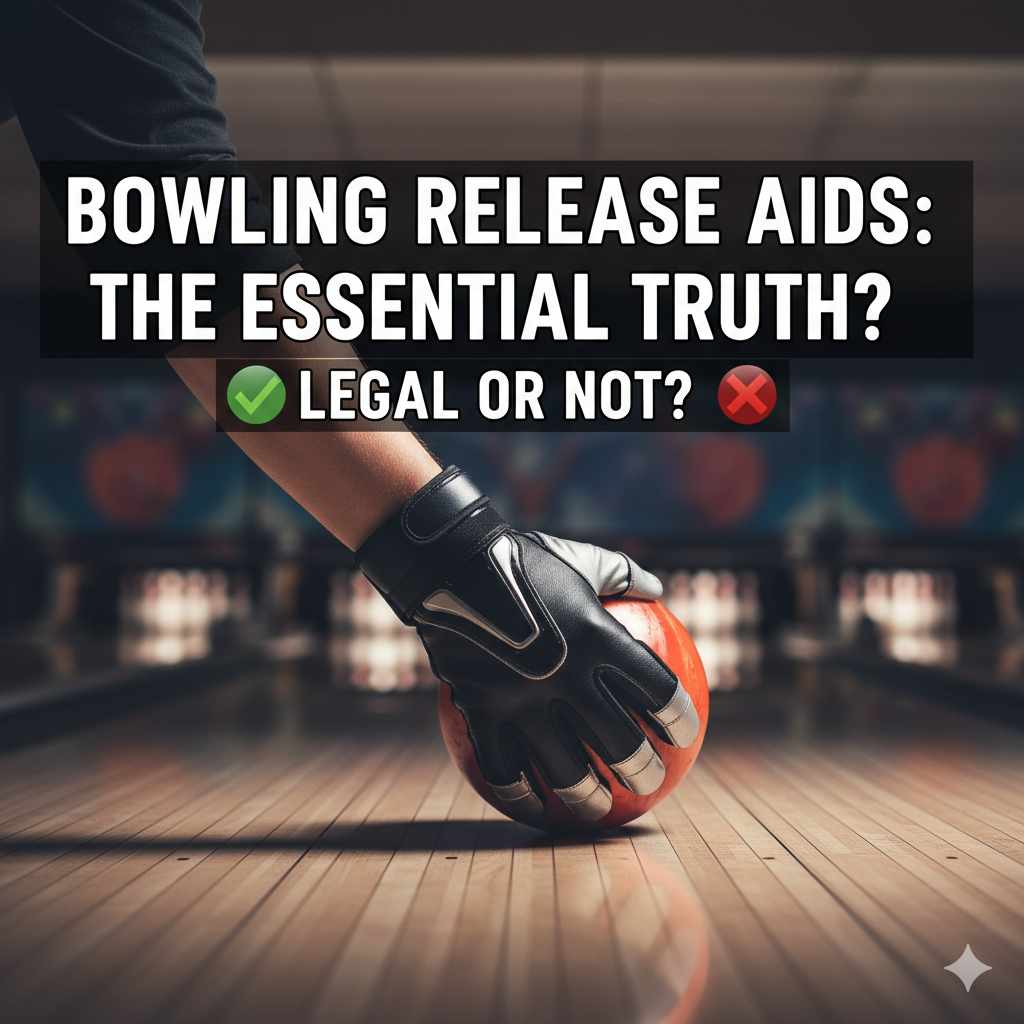
Yes, most bowling release aids are legal for sanctioned league and tournament play, provided they are on the United States Bowling Congress (USBC) approved equipment list. Devices like wrist supports, gloves, and tape are generally allowed if they don’t have moving parts that assist your swing. Always check the official USBC list and your local league rules.
Have you ever watched a bowler with a cool-looking wrist device and wondered, “What is that, and can I use one?” You’re not alone! Many new and improving bowlers see these aids and ask if they are allowed in real games. It can be confusing, especially when you just want to improve your score without breaking any rules.
The world of bowling equipment can feel a little overwhelming at first. You might worry about investing in a tool only to find out it’s illegal for your league night. But don’t worry. The rules are actually quite simple once you know what to look for.
In this guide, I’ll walk you through everything you need to know about bowling release aids. We’ll cover what they are, why people use them, and the clear rules that determine if they’re legal. By the end, you’ll feel confident choosing and using the right support for your game.
What Exactly Is a Bowling Release Aid?
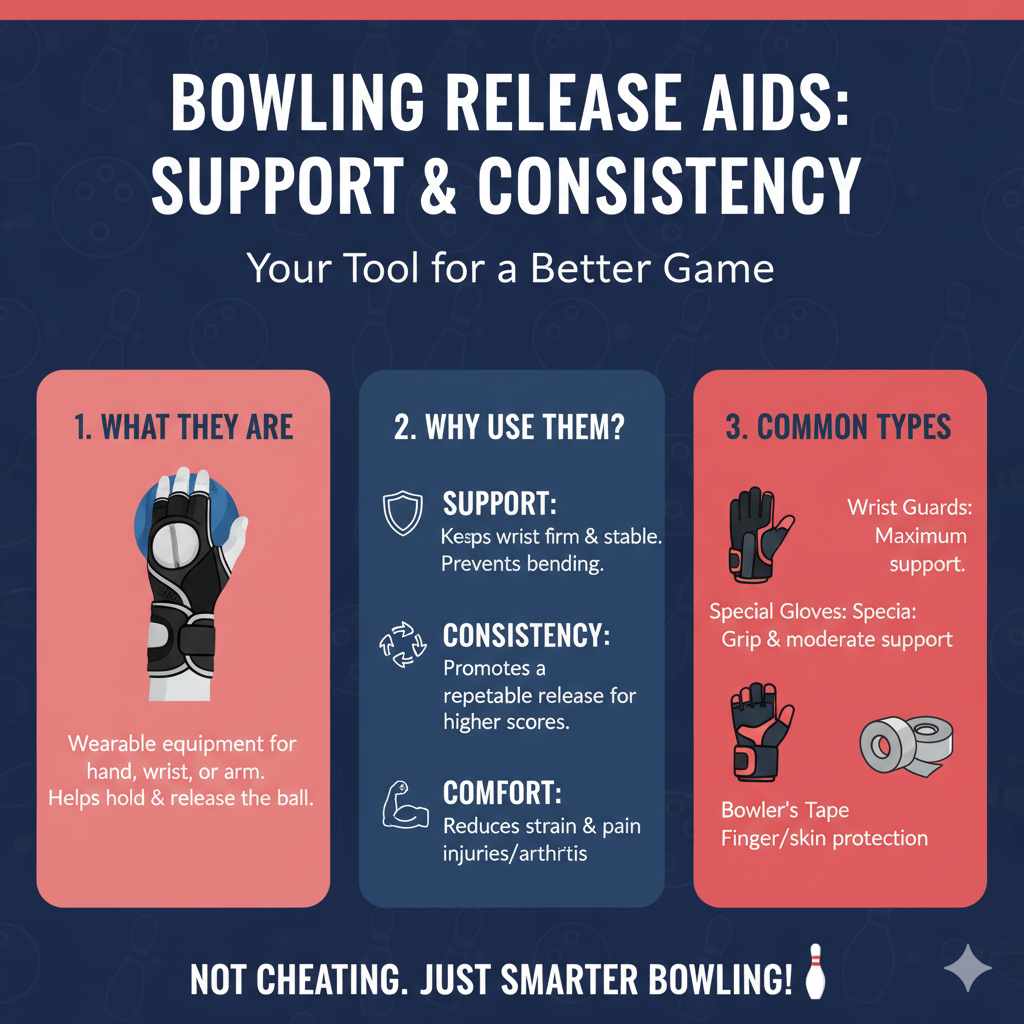
First, let’s clear up what we’re talking about. A “bowling release aid” is a broad term for any piece of equipment you wear on your hand, wrist, or arm to help you hold and release the bowling ball. Think of them as supportive tools that help you be more consistent.
These aids are not designed to “cheat” or give you an unfair advantage. Instead, they help with three main things:
- Support: They support your wrist, keeping it in a firm, stable position. This helps prevent your wrist from breaking or bending backward during your swing.
- Consistency: By keeping your hand and wrist in the same position for every shot, these aids help you build a repeatable, consistent release. Consistency is the secret to higher scores!
- Comfort: For bowlers with wrist pain, injuries, or arthritis, these aids can make the game much more comfortable and enjoyable. They reduce strain and allow you to play longer without discomfort.
Common types of release aids include wrist guards, special gloves, and even simple bowler’s tape. Each one offers a different level of support and feel.
The Official Rules: What the USBC Says
When it comes to rules in bowling, the United States Bowling Congress (USBC) is the boss. They create the rules for all sanctioned leagues and tournaments to ensure the game is fair for everyone. So, what do they say about release aids?
The good news is that the USBC allows many types of support devices. Their main concern is that the device doesn’t give you a mechanical advantage. In simple terms, the aid can support you, but it can’t swing the ball for you.
Key USBC Guidelines for Release Aids
- Must Be USBC Approved: This is the most important rule. Any device you use in a sanctioned competition must be on the official USBC Approved Product List. Manufacturers submit their products to the USBC for testing to make sure they meet all specifications.
- No Moving Parts: The device cannot have moving parts that help your swing or release. For example, a hinged brace that locks and unlocks during your swing would be illegal. The support must be static.
- No Hard Materials on the Ball: The part of the aid that touches the bowling ball cannot be made of a hard material like metal. This prevents damage to the ball and lanes.
- It Stays on Your Hand: The device must remain attached to you throughout the entire delivery. You can’t have a piece that detaches and flies down the lane with the ball.
As long as a device follows these rules and is on the approved list, you can use it with confidence.
When Are Release Aids Legal vs. Illegal?
So, when can you strap on your wrist guard? And are there times you need to leave it in your bag? It almost always comes down to whether you’re bowling for fun or in a rule-based competition.
Here’s a simple table to break it down:
| Bowling Scenario | Are Release Aids Legal? | Important Notes |
|---|---|---|
| Casual/Open Bowling | Yes | You can use almost any device you want. Since there are no official scores being recorded, the goal is to have fun and practice. This is a great time to try out a new aid. |
| USBC Sanctioned League | Yes, if USBC approved | Your device MUST be on the USBC Approved Product List. Using a non-approved aid could lead to your score being disqualified. |
| USBC Sanctioned Tournament | Yes, if USBC approved | Rules are strictly enforced here. Always check that your equipment is on the approved list before the tournament begins. Tournament directors may inspect equipment. |
| PBA (Professional) Events | Yes, with strict rules | Professional bowlers use approved devices, but the PBA may have its own additional rules. This doesn’t apply to most hobbyists, but it’s good to know! |
What Makes a Device Illegal?
An aid becomes illegal for competition if it violates USBC rules. The most common violations are:
- It’s not on the approved list: This is the number one reason an aid would be considered illegal.
- It has been modified: Altering an approved device in any way can make it illegal. For example, adding a metal plate to a wrist guard.
- It has moving parts: Any hinge, spring, or mechanism designed to affect the timing of your release is a major red flag.
Common Types of Legal Bowling Release Aids
There are many different types of aids out there, each designed for a specific purpose. Let’s look at some of the most popular ones you’ll see at the lanes. All of these are legal, as long as you choose a USBC-approved model.
1. Wrist Guards and Braces
These are the most common type of release aid. They typically feature a metal or hard plastic splint on the top or bottom of the wrist to keep it from bending. They are fantastic for bowlers who struggle with a “broken” wrist.
- Best for: Building a strong, consistent wrist position.
- How it helps: It forces your wrist to stay straight, promoting a powerful and repeatable roll on the ball. It’s also great for reducing wrist strain.
2. Bowling Gloves
Bowling gloves look a bit like golf gloves but often have added features. Some have a textured palm for a better grip, while others include a small amount of wrist support. They are less restrictive than a full brace.
- Best for: Improving grip and adding minor support.
- How it helps: If you struggle with your hand slipping or want just a little bit of wrist stability without the bulk of a brace, a glove is a great choice.
3. Finger and Thumb Tape
While not a “device,” bowler’s tape is a crucial release aid for many. You can apply it to your thumb and fingers to adjust the fit of the ball, prevent blisters, and ensure a clean, smooth release every time.
- Best for: Customizing your grip and protecting your skin.
- How it helps: It makes your thumb exit the ball smoothly and consistently. Different textures of tape can make your release faster or slower.
4. Combination Devices
Some aids combine features of a glove and a brace. These often look like a glove with a metal brace built into the back of the hand and wrist. They offer the best of both worlds: grip enhancement and strong wrist support.
- Best for: Maximum support and control.
- How it helps: These are for bowlers who want total stability. They help you control the ball’s rotation and keep your form locked in from start to finish.
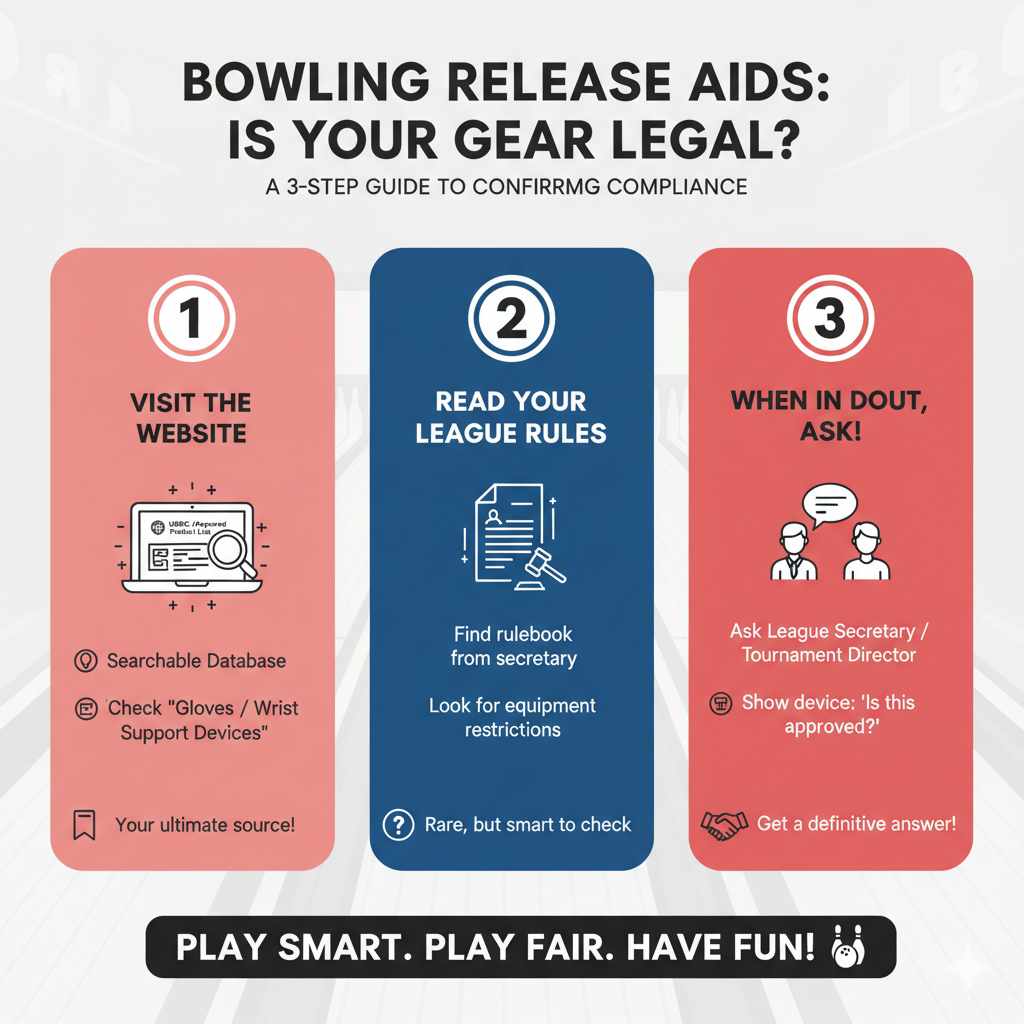
How to Check if Your Release Aid is Legal: A 3-Step Guide
Feeling unsure about your equipment? Don’t stress! It’s easy to confirm if your gear is good to go for league night. Just follow these three simple steps.
Step 1: Visit the USBC Website
The USBC maintains a searchable database of all approved equipment. This is your ultimate source of truth.
- Go to the USBC Approved Product Lists page.
- Find the category for your device (it’s usually under “Bowling Gloves / Wrist Support Devices”).
- Look for the brand and model name of your device on the list. If it’s there, you’re in good shape!
Bookmark this page on your phone. It’s a handy tool to have when you’re shopping for new gear.
Step 2: Read Your League or Tournament Rules
While most sanctioned leagues follow USBC rules exactly, some might have specific bylaws. It’s rare, but it’s always smart to check. You can usually find a copy of your league’s rules from the league secretary. Give them a quick read to see if there’s any mention of equipment restrictions.
Step 3: When in Doubt, Ask!
If you still can’t find the answer, just ask someone in charge. Your league secretary or tournament director is there to help. Show them your device and ask, “Is this approved for play?” They can give you a final, definitive answer. It’s much better to ask beforehand than to have your score questioned later.
Pros and Cons of Using a Bowling Release Aid
Are release aids right for everyone? Not necessarily. Like any piece of equipment, they have their benefits and drawbacks. Understanding these can help you decide if one is right for your game.
| Pros (The Good Stuff) | Cons (The Things to Consider) |
|---|---|
| ✅ Greatly Improves Consistency: By keeping your wrist in the same position, it helps you deliver the ball the same way every time. | ❌ Can Create Dependency: Some bowlers may become so reliant on their aid that they can’t bowl well without it. |
| ✅ Reduces Pain and Injury: Excellent for bowlers with weak wrists, arthritis, or carpal tunnel. It takes the strain off your joints. | ❌ May Restrict Natural Feel: It can feel bulky and may prevent you from making subtle hand adjustments to the ball. |
| ✅ Helps Generate More Hook: A firm wrist position is key to creating revolutions. An aid can help you generate more power and hook potential. | ❌ Can Be a Crutch for Bad Form: An aid should support good technique, not cover up fundamental flaws in your swing or timing. |
| ✅ Boosts Confidence: Knowing your release will be stable can give you a huge mental boost, allowing you to focus on other parts of your game, like targeting. | ❌ Not a Magic Fix: It won’t instantly add 30 pins to your average. It’s a tool that works best when combined with practice and good coaching. |
Frequently Asked Questions (FAQ)
1. Can I use a regular medical wrist brace for bowling?
You can use it for practice, but for sanctioned competition, it must be on the USBC approved list. Many medical braces are not on the list because they weren’t designed or submitted for bowling. It’s always safer to buy a brace specifically made for bowling from a reputable brand.
2. Do professional bowlers on TV use release aids?
Yes, many professional bowlers use release aids! You’ll often see them wearing various types of wrist supports or using bowler’s tape. They use the same USBC-approved equipment that is available to you. It proves that these tools are for serious competitors, not just beginners.
3. Is a bowling glove considered a release aid?
Yes, the USBC classifies gloves as a type of release aid or support device. Just like a wrist brace, any glove you use in a sanctioned league or tournament must be on the official USBC approved list.
4. What happens if I use an illegal device in a tournament?
If you are caught using a non-approved device during a sanctioned competition, your score for that game or series will be disqualified. It’s considered an unfair advantage. This is why it’s so important to check your equipment beforehand!
5. How do I get my equipment approved by the USBC?
As a bowler, you don’t need to worry about this process. The equipment manufacturers are responsible for submitting their products to the USBC for testing and approval. Your job is simply to check the approved list before you buy and use the gear.
6. Are release aids good for beginners?
They can be very helpful! A simple wrist support can help a new bowler learn the feel of a firm, straight wrist position. It can accelerate learning and prevent bad habits from forming early on. However, it’s also good to practice without one sometimes to build natural wrist strength.
7. Can a release aid fix my hook?
A release aid can help you create a more consistent and powerful hook, but it won’t “fix” it on its own. A strong hook comes from a combination of factors, including your wrist position, release timing, ball speed, and the ball itself. An aid supports one of those factors—the wrist position—making it easier for you to learn the rest.
Final Thoughts: Play Fair and Have Fun
So, are bowling release aids legal? The answer is a clear and confident “yes,” as long as you follow the rules. By choosing a USBC-approved device, you can legally and effectively improve your consistency, support your wrist, and have a lot more fun on the lanes.
Remember, these aids are tools, not magic wands. They work best when they support good, solid bowling fundamentals. Use them to help you practice proper form and build muscle memory. Most importantly, never be afraid to ask questions. Your local pro shop owner, coach, or league official is always happy to help you find the right equipment for your game.
Now you have the essential truth. You can step up to the lane with confidence, knowing your gear is legal and ready to help you throw your best shot.