Are Bowling Release Aids Legal: Proven Safety
Yes, bowling release aids are generally legal and safe to use when utilized as intended in competitive and recreational bowling. Safety and legality primarily depend on the specific league or tournament rules and ensuring the product is used correctly to avoid injury.

VioraWhite
VioraWhite Bowling Ball Release Trainer Bowling Ball…
- Bowling Ball Throwing Trainer: place the training tool next to your knees or on a table for real training, mastering hand and rele…
- User Alert: please note, repetitive use of this product on the roller may leave marks on the bowling ball; It's an inevitable occu…
- Versatile Application: from a novice to an experienced player, this bowling ball motion trainer is nice for all skill level bowler…
As an Amazon Associate I earn from qualifying purchases.
For a closely related bow or archery topic, Does Burping Release Aids? A Dangerous, Myth gives readers a useful next step.
For a closely related bow or archery topic, Do You Need a Doctors Release to Purchase Hearing Aids? Your Friendly gives readers a useful next step.
So, you’ve heard about bowling release aids and are wondering if they’re allowed in your game. It’s a common question, especially for those just getting started or looking to refine their technique. You might feel a bit unsure, worried that using something extra might be against the rules or even unsafe. Don’t worry; it’s completely normal to have these questions!
Many bowlers use these aids to improve their grip and get a smoother release, which can make a big difference in your score. They’re designed to help you connect better with your ball and achieve that perfect shot. In this guide, we’ll break down exactly what release aids are, why they’re used, and most importantly, confirm their legality and proven safety. We’ll walk through everything you need to know, making it simple and reassuring for every bowler.
Understanding Bowling Release Aids: What They Are and Why They’re Used
Bowling release aids are simple tools designed to enhance a bowler’s grip on their ball and promote a cleaner, more consistent release. Think of them as a little helper for your hand. They are not about cheating or gaining an unfair advantage; rather, they are about optimizing the connection between your hand and the bowling ball for better performance and comfort.
The main purpose of a release aid is to provide a tacky or grippy surface on your hand, which can be particularly helpful in conditions where your hand might get sweaty or when the ball itself doesn’t offer enough friction. This improved grip allows for more control as you bring the ball forward and initiate the release motion. A good release means the ball leaves your hand smoothly, spinning correctly, and heading towards the pins with the intended trajectory.
For beginners, mastering the grip can be a challenge. Sweaty palms, nerves, or simply a lack of refined touch can lead to dropping the ball or an inconsistent release. Release aids can bridge this gap, offering a more reliable feel. For experienced bowlers, they can help maintain a consistent grip even after hours of practice or in varying environmental conditions.
Types of Bowling Release Aids
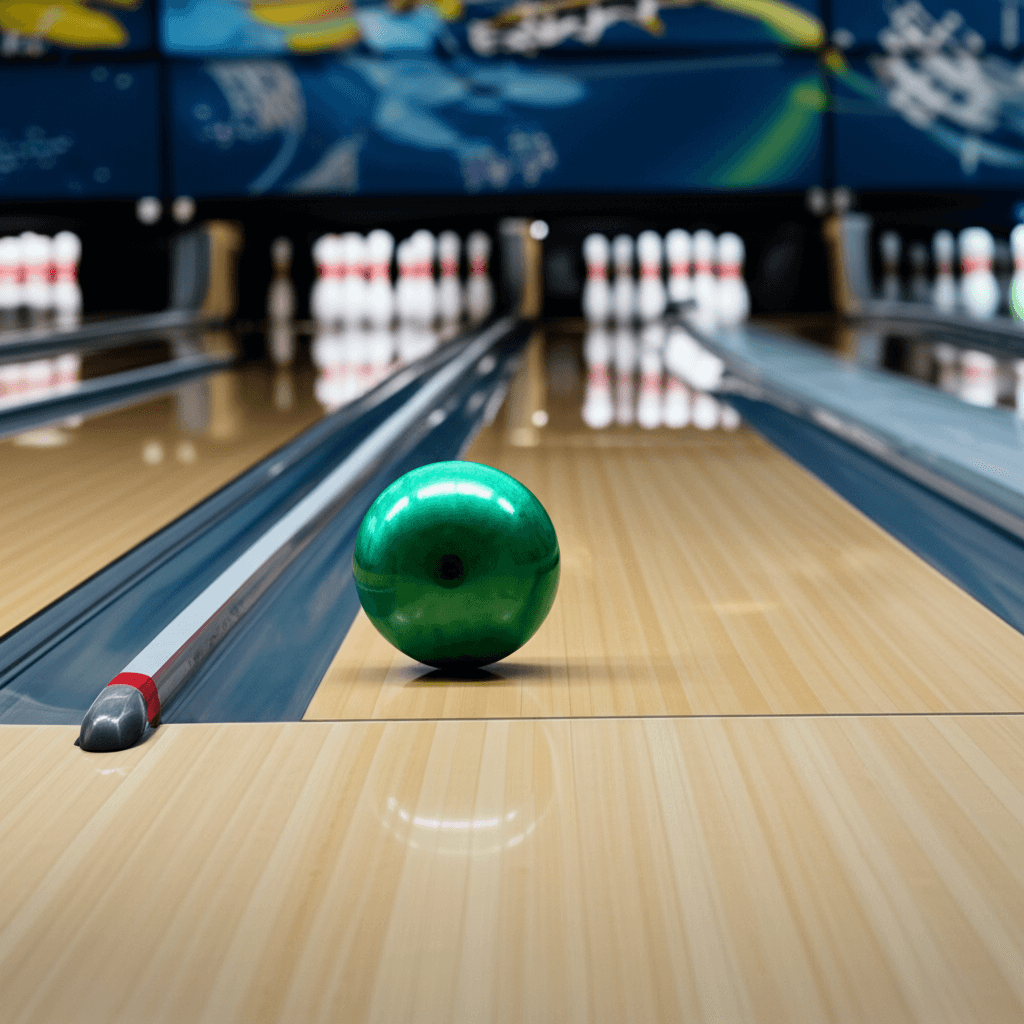
When we talk about bowling release aids, there are a few main categories that bowlers commonly use. Each offers a slightly different feel and solution to grip challenges. Understanding these can help you choose what might work best for you or simply satisfy your curiosity about what others are using.
- Grip Enhancing Sprays: These are aerosol cans that spray a fine mist onto your hand or the inside of your bowling glove. They create a slightly tacky surface. The tackiness can be adjusted by the amount you spray. They are designed to dry quickly without leaving a sticky residue.
- Grip Enhancing Liquids/Lotions: Similar to sprays, these come in liquid or lotion form. You typically apply a small amount to your hand and rub it in. They provide a consistent tackiness and are often formulated to last longer than sprays. Some people prefer the control of applying a liquid directly.
- Tacky Towels/Cloths: These are specially treated cloths that you can wipe your hand with. They transfer a subtle tacky substance to your skin, offering a mild grip boost. They are often less intense than sprays or liquids and can be a good option for those who prefer a very light tack.
- Resin-Based Aids: Some products use a resin or polymer base to create a more durable and long-lasting tacky surface. These can offer a very consistent grip and are popular among bowlers who experience significant hand moisture or desire a strong, predictable hold.
It’s important to note that while these aids enhance grip, they should not be used to attach your hand to the ball in a way that makes it difficult or impossible to remove your hand. This is a key distinction for safety and legality.
The Legality of Bowling Release Aids: What the Rules Say
This is where the core of your question lies. Are bowling release aids legal? For the vast majority of bowling scenarios, the answer is a resounding yes. However, like many things in sports, there are nuanced rules and guidelines to be aware of, primarily to ensure fair play and, crucially, safety.
Governing bodies for sports often have regulations about equipment and what players can use to augment their performance. In bowling, the focus is generally on ensuring any aid doesn’t alter the fundamental nature of the game or provide an unfair mechanical advantage. Release aids, when used correctly, do not fall into this category.
The United States Bowling Congress (USBC), the national governing body for ten-pin bowling in the United States, permits the use of grip-enhancing substances. Their rules aim to prevent things that might damage the ball, the lane, or pose a safety risk. Release aids manufactured for bowling purposes and used in accordance with their intended design are typically compliant.
Key Considerations for Legality
While generally permitted, it’s wise to understand the specific points that make their use acceptable and where potential issues might arise:
- Intended Use: Release aids are designed to improve grip and release. They should not be used in a way that effectively “sticks” your hand to the ball, making it impossible to remove your hand freely. This is paramount for safety.
- No Ball or Lane Alteration: The substance from the aid should not permanently alter the surface of the bowling ball or the bowling lane. Most approved aids are formulated to do this.
- League/Tournament Specific Rules: While USBC and similar international bodies allow them, individual leagues or specific tournaments might have slightly different regulations. It’s always a good idea to check with your league secretary or tournament director if you’re unsure.
- Quantity and Application: Using excessive amounts of an aid is generally discouraged and could potentially lead to issues if it transfers heavily to the ball or lane.
The primary concern for rule-makers is always that equipment or aids do not provide an unnatural or unfair advantage, or conversely, create a safety hazard. Release aids, by enhancing natural grip capabilities, fit within the boundaries of acceptable performance enhancement.
Proven Safety Aspects of Using Bowling Release Aids
Beyond legality, safety is non-negotiable. The good news is that bowling release aids are designed with bowler safety in mind. When used as directed, they are perfectly safe. The safety of these products comes from their formulation and the intended, limited interaction they have with your hand and the ball.
The most critical safety factor is ensuring you can always remove your hand from the ball smoothly and without obstruction. Release aids are not meant to attach your hand to the ball; they simply make your grip more secure. This security prevents accidental drops or fumbles that can happen with a slippery hand.
Let’s look at why they are considered safe:
- Designed for Release: The key word here is “release.” The formulations are designed to provide tackiness during the swing and lift, but to allow the hand to separate from the ball cleanly at the point of release. If a product were to stick your hand to the ball, it would be considered unsafe and likely against regulations anyway.
- Non-Toxic Formulations: Reputable bowling release aids are made with non-toxic ingredients. They are designed for contact with skin and are unlikely to cause irritation or harm when used as directed. Always check product labels for ingredient information if you have concerns about allergies.
- Preventing Injuries: A secure grip can actually help prevent certain minor injuries. For instance, if your hand is slipping, you might unconsciously adjust your grip or wrist position, potentially leading to strain or discomfort. A consistent, reliable grip can lead to a more natural and less strenuous motion.
- Controlled Application: The effectiveness and safety of these aids come from controlled application. A small amount is typically all that’s needed. Over-application is rarely necessary and could potentially lead to a grip that is too tight or transfers too much product.
A great resource for understanding safe equipment usage in bowling is the Centers for Disease Control and Prevention (CDC), which emphasizes sport-specific safety guidelines. While they don’t detail bowling release aids specifically, their general advice on using equipment properly applies directly: use what is designed for the sport, follow instructions, and ensure it doesn’t impede natural movement.
How to Properly Use Bowling Release Aids for Maximum Benefit and Safety
Using a bowling release aid effectively and safely is straightforward. It’s all about a little goes a long way and understanding when and how to apply it. Think of it like using a good pair of running shoes – they enhance your performance when worn correctly, but they don’t replace your fundamental running technique.
Here’s a step-by-step guide:
Step 1: Assess Your Need
Before applying anything, understand why you’re using it. Is your hand sweating? Does the ball feel like it’s slipping out too early or too late? Are you just looking for a bit more confidence in your grip?
Step 2: Choose Your Aid
Select a release aid from a reputable brand. Beginners might start with a milder option like a tacky towel or a light spray to see how it feels.
Step 3: Prepare Your Hand
Ensure your hand is clean and dry before application. Any dirt or moisture already present can affect how the aid works.
Step 4: Apply Sparingly
This is crucial. For sprays, a light mist is usually sufficient. For liquids or lotions, a drop or two is plenty. If using a tacky cloth, a quick wipe is all that’s needed. Apply directly to the palm and fingers that grip the ball. Avoid getting it on the thumb.
Step 5: Distribute Evenly
Rub the product into your hand, ensuring it covers the surface where you grip the ball. You want a consistent feel. Most aids are designed to dry very quickly.
Step 5: Test Your Grip
Once applied and dried, pick up your bowling ball. Your grip should feel secure but not excessively sticky. You should be able to easily slide your thumb out and the ball should roll off your fingers cleanly.
Step 6: Reapply as Needed
If you notice your grip lessening during a game or practice session, especially after several frames, you can reapply a small amount. Avoid over-application, which can lead to a grip that’s too strong or transfer residue onto the ball.
It’s also wise to store your release aids properly, keeping them in your bowling bag and protected from extreme temperatures, which could affect their performance.
When Release Aids Might Cause Issues (and How to Avoid Them)
While release aids are safe and legal, there are a few situations where they could potentially cause problems, mostly due to improper use or misunderstanding. Being aware of these can help you prevent any issues right from the start.
The most common pitfalls involve application and expectation:
- Over-Application: Using too much product is the number one way to create problems. Excessive tackiness can make it difficult to release the ball smoothly, leading to a less effective shot or even a dangerous situation if your hand gets stuck. Always start with a tiny amount and add more only if truly necessary.
- Application to Wrong Areas: Applying the aid to the ball itself, or to areas of your hand that don’t contact the ball during the grip (like the fingertips if they aren’t used for lift), is unnecessary and can lead to unwanted transfer onto the ball or lane.
- Using Non-Bowling Aids: While it might seem like a good idea to use a general grip enhancer, these might not be formulated for bowling. They could leave residue, have a different tackiness profile, or even damage the ball’s surface. Stick to products specifically labeled for bowling.
- Failing to Clean Equipment: If you get residue on your bowling ball, it can affect its reaction on the lane. Wiping down your ball with a microfiber towel after use is always a good practice, especially if you use release aids.
- Ignoring Personal Sensitivity: While rare, some individuals might have sensitivities to certain ingredients. If you experience any skin irritation, discontinue use and consult the product manufacturer.
The key to avoiding these issues is simple adherence to the product’s instructions and a mindful approach to your game. A little bit of release aid goes a long way in providing a secure grip without any of the potential downsides. It’s about augmenting your natural ability, not overpowering it.
Comparison: Release Aids vs. Other Grip Enhancement Methods
Bowlers have several ways to manage grip. Release aids are just one popular method. It’s helpful to see how they stack up against other common approaches.
| Method | Description | Pros | Cons | Best For |
|---|---|---|---|---|
| Bowling Release Aids (Sprays, Liquids) | Products applied to the hand to increase tackiness. | Effective for sweat, consistent grip, easy to apply/reapply. | Must be reapplied, potential for over-application. | Bowlers with sweaty hands, varying conditions, seeking consistent grip. |
| Bowling Gloves | Glove worn on the bowling hand, often with varying material for grip. | Provides consistent grip and can offer hand support/protection, no reapplication mid-game. | Can feel bulky, may alter natural feel, requires cleaning/maintenance. | Bowlers seeking consistent grip and hand support, those bothered by direct product application. |
| Resin Bags/Chalk Bags | Small bags filled with rosin or chalk to absorb moisture. | Very effective at absorbing moisture, simple to use. | Can be messy, may leave residue on hands/ball, not purely a “tackifier.” | Bowlers who primarily struggle with slickness due to sweat. |
| Finger Inserts/Thumb Inserts | Custom inserts fitted into the ball’s holes for a precise fit. | Crucial for proper grip and release mechanics, helps prevent slipping. | Require professional fitting, don’t provide “tack.” | All serious bowlers to ensure proper fit and mechanics. |
As you can see, bowling release aids offer a targeted solution for enhancing grip through tackiness, especially useful for managing moisture and providing confidence. They are a supplementary tool, not a replacement for proper ball fit or bowling technique. Many bowlers use a combination, perhaps a glove for general use and a spray for really humid days.
Frequently Asked Questions About Bowling Release Aids
Are bowling release aids safe for the bowling ball?
Yes, reputable bowling release aids are formulated to be safe for bowling balls. They are designed to grip your hand, not to alter the ball’s surface permanently. However, it’s always good practice to wipe down your ball with a microfiber towel after bowling, especially if you use aids, to remove any potential residue.
Can I use any sticky substance on my hand for bowling?
It’s strongly recommended to use only products specifically designed for bowling. General grip enhancers or sticky substances might contain ingredients that can damage your bowling ball, leave unwanted residue on the lanes, or adhere your hand to the ball too strongly, which is a safety hazard and likely against the rules.
How often should I reapply a bowling release aid?
This depends on your level of perspiration and the specific product. Typically, a light reapplication might be needed every few games or if you feel your grip starting to slip. Start with one application and see how it performs over a few frames. It’s better to reapply a little than to over-apply from the start.
Related pick: Check today's price on Amazon