How Are HIV And AIDS Related: The Essential Facts
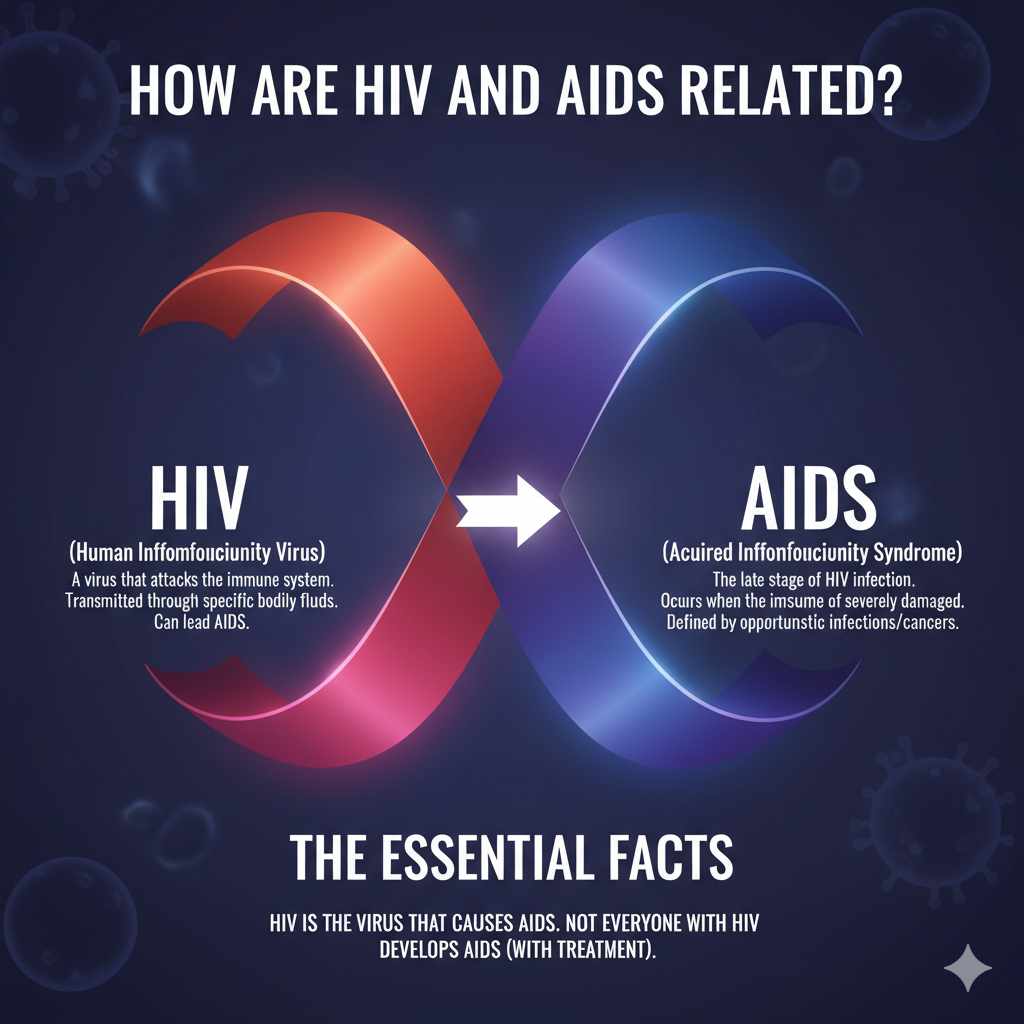
HIV is a virus that attacks the body’s immune system. If left untreated, HIV can lead to AIDS (acquired immunodeficiency syndrome), which is the most advanced stage of the infection. AIDS is a diagnosis given when the immune system is too weak to fight off infections. With modern treatment, many people with HIV never develop AIDS.
Understanding the difference between HIV and AIDS can feel confusing. You may have heard the terms used together and wonder if they mean the same thing. They are related, but they are not the same. Knowing the facts is the first step toward protecting yourself and understanding the health of others.
Many people feel overwhelmed by the information out there. It’s okay if you’re not sure what everything means. This guide is here to help. We will walk you through the essential facts in a simple, step-by-step way. You will learn exactly what HIV is, what AIDS is, and how they connect. Let’s clear up the confusion together.
What Is HIV? A Simple Explanation
HIV stands for Human Immunodeficiency Virus. Let’s break down that name to make it easier to understand:
- Human: This virus can only infect human beings.
- Immunodeficiency: It weakens your immune system by destroying important cells that fight disease and infection.
- Virus: Like the flu or the common cold, it’s a virus that can spread between people.
The main job of your immune system is to fight off germs, like bacteria and viruses, to keep you healthy. HIV targets a specific type of immune cell called the CD4 cell (or T-cell). These cells are like the leaders of your immune system. They tell other immune cells what to do.
When HIV enters the body, it turns these CD4 cells into tiny virus factories. It uses the cells to make more copies of itself. This process destroys the CD4 cells, weakening the body’s ability to defend itself against other illnesses. Over time, the number of CD4 cells in the body goes down, making a person more vulnerable to infections they could normally fight off.
How Does Someone Get HIV?
HIV is not spread through casual contact like hugging, sharing food, or using the same toilet. It is transmitted through specific bodily fluids. For the virus to spread, one of these fluids from a person with a detectable amount of HIV must enter the bloodstream of another person.
The main ways HIV is transmitted are:
- Unprotected Sexual Contact: This is the most common way HIV is spread. It can happen through vaginal, anal, or oral sex with someone who has HIV.
- Sharing Needles or Syringes: Sharing equipment used to inject drugs, steroids, or hormones can pass the virus directly from one person’s bloodstream to another.
- From Mother to Child: HIV can be passed from a mother to her baby during pregnancy, childbirth, or breastfeeding. However, with proper medical care, this risk can be reduced to less than 1%.
- Contaminated Blood: This is very rare in countries with strict blood screening procedures. Blood transfusions and organ transplants are now very safe.
Understanding how HIV is spread helps remove fear and stigma. You can safely be around friends, family, and coworkers who are living with HIV without any risk of contracting the virus.

What Is AIDS? Understanding the Condition
AIDS stands for Acquired Immunodeficiency Syndrome. It is not a virus itself but a set of symptoms and illnesses (a syndrome) that happens at the final stage of an untreated HIV infection. It is a diagnosis, not a disease you can “catch.” You cannot get AIDS without first having HIV.
Here’s what the name means:
- Acquired: It’s a condition you get after birth; you aren’t born with it.
- Immuno-deficiency: Your body’s immune system is weak and not working correctly.
- Syndrome: It is a group of symptoms that together indicate a specific condition.
A person is diagnosed with AIDS when their immune system has been severely damaged by HIV. Doctors make an AIDS diagnosis based on two main criteria:
- Low CD4 Cell Count: A healthy person’s CD4 count is typically between 500 and 1,500 cells per cubic millimeter of blood. A person with HIV is diagnosed with AIDS if their CD4 count drops below 200.
- Presence of Opportunistic Infections: These are infections that take advantage of a weakened immune system. A healthy immune system could easily fight them off, but for someone with AIDS, these infections can be severe and life-threatening. Examples include certain types of pneumonia, tuberculosis, and some cancers. You can find a full list of these conditions on the Centers for Disease Control and Prevention (CDC) website.
Thanks to modern medicine, an HIV diagnosis today does not automatically lead to an AIDS diagnosis. Effective treatment can keep HIV from progressing and allow the immune system to recover.
The Connection: How HIV Progresses to AIDS
The relationship between HIV and AIDS is about progression. HIV is the cause, and AIDS is the potential outcome if the HIV infection is not managed with treatment. Think of it like this: having high blood pressure is a health condition. If left untreated, it can lead to a heart attack. Similarly, HIV is a virus that, if untreated, can lead to the condition of AIDS.
Without medical intervention, HIV typically progresses through three stages:
Stage 1: Acute HIV Infection
This is the earliest stage of HIV infection, usually developing within 2 to 4 weeks after someone is infected. During this time, the virus multiplies rapidly. Many people experience flu-like symptoms, such as fever, rash, sore throat, and fatigue. This is the body’s natural response to the infection. The amount of virus in the blood (viral load) is very high during this stage, making it very easy to transmit HIV to others.
Stage 2: Chronic HIV Infection (Clinical Latency)
After the initial acute stage, HIV moves into a chronic or “latent” stage. During this period, the virus is still active but reproduces at very low levels. People in this stage may not have any symptoms or feel sick at all. This stage can last for many years—a decade or more—for people not on HIV treatment. For those who are on effective treatment, they may stay in this stage for their entire lives and never progress to AIDS.
Stage 3: Acquired Immunodeficiency Syndrome (AIDS)
This is the most advanced stage of HIV infection. It occurs when the virus has severely damaged the immune system. As mentioned earlier, a person is diagnosed with AIDS if their CD4 count falls below 200 or if they develop one or more opportunistic infections, regardless of their CD4 count. Without treatment, people who progress to AIDS typically survive about three years.
The key takeaway is that treatment can halt this progression. A person living with HIV who takes their medicine as prescribed can live a long, healthy life and never reach Stage 3.
| Stage | Also Known As | Key Characteristics |
|---|---|---|
| Stage 1 | Acute HIV Infection | Occurs 2-4 weeks after infection. High viral load. Flu-like symptoms are common. Highly contagious. |
| Stage 2 | Chronic HIV Infection / Clinical Latency | Virus reproduces at low levels. Often no symptoms. Can last for years. Can still transmit HIV. |
| Stage 3 | AIDS | Immune system is severely damaged. CD4 count below 200 or presence of opportunistic infections. |
Modern HIV Treatment: A Game Changer
The single most important development in the history of HIV/AIDS is antiretroviral therapy (ART). ART is the use of HIV medicines to treat the infection. It’s not a cure, but it can control the virus so that people with HIV can live long, healthy lives.
ART usually involves taking a combination of medicines (often in a single pill) every day. These medicines work by preventing HIV from making copies of itself. This reduces the amount of HIV in the body, which is called the viral load.
The goals of ART are to:
- Reduce a person’s viral load to an undetectable level.
- Keep the CD4 cell count high to maintain a strong immune system.
- Stop the progression of HIV and prevent it from advancing to AIDS.
- Reduce the risk of transmitting HIV to others.
What Does “Undetectable” Mean?
When ART works effectively, it can lower the viral load to the point where standard lab tests can no longer detect it. This is known as having an undetectable viral load. Reaching and maintaining an undetectable viral load is the primary goal of HIV treatment.
This leads to a groundbreaking concept known as Undetectable = Untransmittable (U=U). Extensive research has proven that a person with HIV who has an undetectable viral load cannot transmit the virus to their sexual partners. The World Health Organization (WHO) and other major health bodies confirm this fact. This is a powerful message that helps reduce stigma and empowers people living with HIV.
Prevention and Testing: Taking Control of Your Health
Knowledge is power, and when it comes to HIV, knowing your status and how to prevent transmission is crucial. Fortunately, there are more tools available today than ever before to prevent HIV.
Key Prevention Strategies
- Use Condoms: Using condoms correctly every time you have sex is highly effective at preventing the transmission of HIV and other sexually transmitted infections (STIs).
- Limit Your Number of Sexual Partners: Reducing your number of partners can decrease your risk of exposure.
- Get Tested Regularly: Knowing your HIV status and the status of your partner is essential. The CDC recommends that everyone between the ages of 13 and 64 get tested for HIV at least once as part of routine health care.
- PrEP (Pre-Exposure Prophylaxis): PrEP is a daily pill that can reduce the risk of getting HIV from sex by about 99% when taken as prescribed. It is for people who are HIV-negative but are at high risk of getting HIV.
- PEP (Post-Exposure Prophylaxis): PEP means taking HIV medicines after a possible exposure to prevent becoming infected. PEP must be started within 72 hours (3 days) after the exposure.
- Use Sterile Needles: If you inject drugs, always use new, sterile needles and never share them.
The Importance of Testing
The only way to know for sure if you have HIV is to get tested. Many people with HIV do not have symptoms for years, so you can’t tell just by how you feel. Testing is simple, quick, and confidential. You can get tested at a doctor’s office, a health clinic, or even with a self-test kit at home.
Knowing your status allows you to take steps to protect your health and the health of your partners. If you test positive, you can start treatment right away. The earlier you start ART, the better the outcome for your long-term health.
| Feature | HIV (Human Immunodeficiency Virus) | AIDS (Acquired Immunodeficiency Syndrome) |
|---|---|---|
| What It Is | A virus that attacks the immune system. | A condition or syndrome; the final stage of untreated HIV infection. |
| How You Get It | Transmitted through specific bodily fluids. | Develops over time if HIV is not treated. You cannot “catch” AIDS. |
| Diagnosis | Diagnosed with a blood or saliva test that detects the virus or its antibodies. | Diagnosed when CD4 count is below 200 or an opportunistic infection is present. |
| Impact | Weakens the immune system by destroying CD4 cells. | The immune system is severely compromised, leading to severe illnesses. |
| Prognosis | With treatment, people can live a long, healthy life and may never get AIDS. | Without treatment, life expectancy is short. Treatment can sometimes reverse the condition back to Stage 2 HIV. |
Living a Full Life with HIV
A diagnosis of HIV today is very different than it was decades ago. It is no longer a death sentence. For people who have access to good medical care, HIV is considered a manageable chronic health condition, much like diabetes or heart disease.
People on effective ART can expect to live a nearly normal lifespan. They can have families, pursue careers, and enjoy all aspects of life. The key is to get diagnosed, start treatment, and stick with it. Regular check-ups with a healthcare provider are also important to monitor health and ensure the treatment is working well.
The biggest challenge for many people living with HIV is not the virus itself, but the stigma and misinformation that still surround it. Education and open conversation are the best tools to fight this stigma. Understanding that a person on effective treatment cannot pass on the virus helps everyone see that HIV does not have to be a barrier to love, relationships, or a happy life.

Frequently Asked Questions (FAQ)
1. Can you have HIV and not have AIDS?
Yes, absolutely. Most people living with HIV in countries with good healthcare access will never develop AIDS. With daily medication (ART), the virus can be controlled, and the immune system can stay strong, preventing the progression to AIDS.
2. Can you get AIDS without having HIV?
No. AIDS is a condition caused by the HIV virus. It is the most advanced stage of an HIV infection. It is impossible to have AIDS without first being infected with HIV.
3. Is there a cure for HIV or AIDS?
Currently, there is no cure for HIV. However, effective treatments (ART) can control the virus and allow people to live long and healthy lives. Once a person’s HIV has progressed to AIDS, treatment can often help the immune system recover and the CD4 count to rise above 200, meaning they no longer have an AIDS diagnosis, though they will always have HIV.
4. If someone has an undetectable viral load, are they cured?
No. An undetectable viral load means the amount of HIV in the blood is too low to be measured by standard tests. It does not mean the virus is gone from the body. HIV is still present in a latent state in certain cells. If the person stops taking their medication, the viral load will increase again.
5. How long does it take for HIV to turn into AIDS?
Without any treatment, the time it takes for HIV to progress to AIDS varies widely from person to person. On average, it can take 10 to 15 years. However, for some people, it can happen much faster. With treatment, this progression can be stopped entirely.
6. Can I get HIV from kissing or hugging?
No. HIV is not spread through saliva, tears, or sweat. You cannot get it from casual contact like hugging, kissing (closed-mouth), sharing toilets, sharing dishes, or from mosquito bites. It is only transmitted through specific fluids like blood, semen, vaginal fluids, rectal fluids, and breast milk.
7. Should I get tested for HIV?
Yes. Health organizations like the National Institutes of Health (NIH) recommend that everyone should be tested for HIV at least once as part of their routine healthcare. If you have specific risk factors, like having more than one sexual partner or sharing needles, you should get tested more frequently. Knowing your status is a critical part of your health.
Conclusion: Knowledge, Treatment, and Hope
Understanding the relationship between HIV and AIDS is simple when you break it down: HIV is the virus, and AIDS is the potential late-stage condition that can result from an untreated infection. For decades, these terms were linked with fear and uncertainty, but today, the story is one of incredible medical progress and hope.
Thanks to effective antiretroviral therapy, a person diagnosed with HIV can control the virus, maintain a healthy immune system, and live a long, fulfilling life without ever developing AIDS. Concepts like U=U (Undetectable = Untransmittable) have transformed our understanding of transmission and are helping to dismantle the stigma that has long been a barrier to care and acceptance.
By learning the facts, promoting regular testing, and supporting those living with HIV, we can all contribute to a healthier, more compassionate future. The journey from HIV to AIDS is no longer an inevitable path but a preventable one, and that knowledge is the most powerful tool we have.