
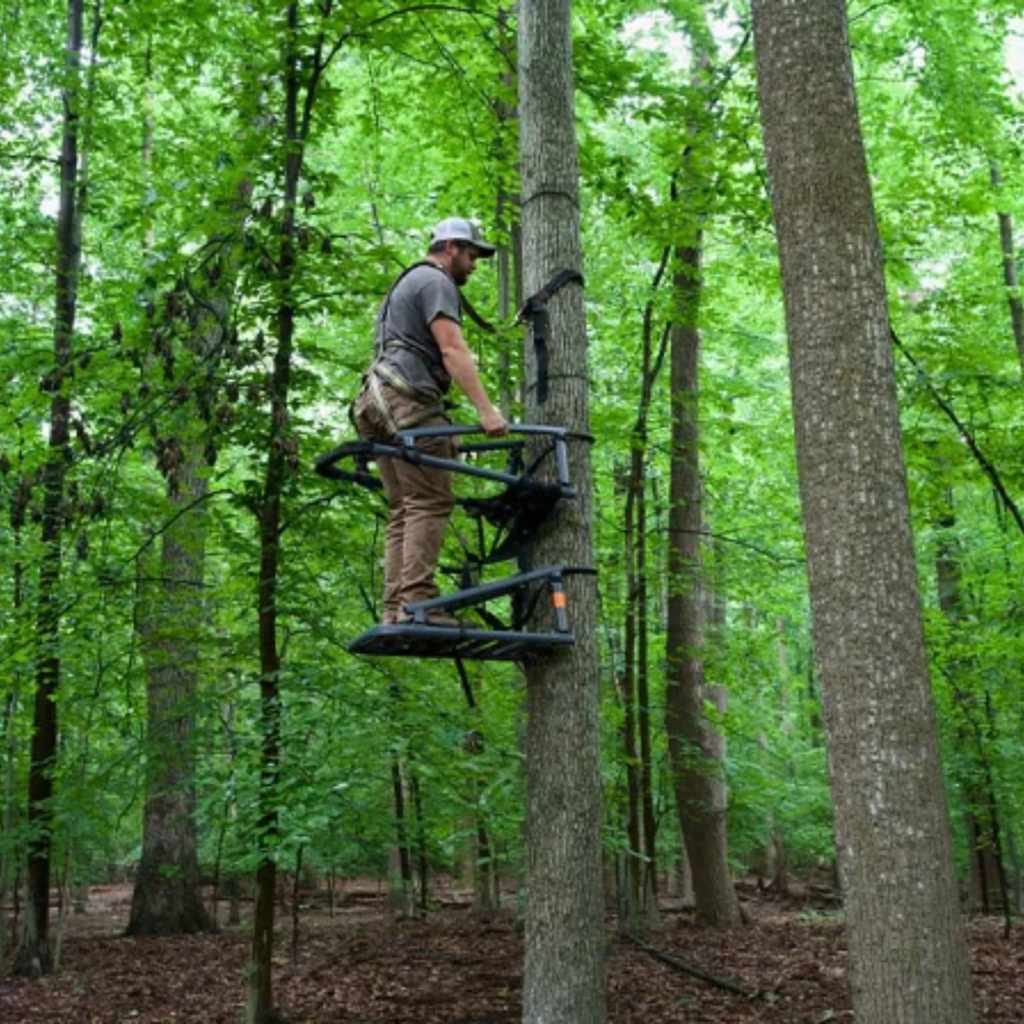
Deciding if Are Climbing Tree Stands Worth It? Pros & Cons Guide can be a tricky start for many hunters. They seem simple, but things like safety and ease of use can bring up a lot of questions. This guide breaks down everything step-by-step, making the choices easy. Get ready to explore the basics and find out what suits your hunting style! We’ll cover everything from their benefits to drawbacks, and show you how to make a smart choice.
Advantages of Climbing Stands for Hunters
Climbing tree stands offer some fantastic benefits that make them a great option for hunters. They provide a high vantage point, which lets you see more of the area and spot game more easily. That extra height is also helpful for staying hidden from animals, as your scent spreads out above their level. Plus, climbing stands are generally very portable and easy to move between different hunting spots. These advantages can significantly improve your hunting experience and give you a better chance of success. This section will delve into the details of why climbing stands are a popular choice for many hunters.
Mobility and Adaptability of Climbing Stands
One of the biggest advantages of climbing tree stands is how easy they are to move around. Unlike permanent stands that are fixed in one place, these are designed to be carried and set up quickly. This lets you chase after game in different locations. They attach to the tree using a simple system that lets you adjust the height. This setup means you can easily adapt to different types of trees and terrains, offering you flexibility that other stand types can’t match. This adaptability gives hunters a strategic edge in various hunting scenarios, increasing the odds of a successful hunt. The ability to shift locations based on wind, game movement, and other factors makes climbing stands a very adaptable option.
- Easy Transport: Most climbing stands are lightweight and fold up, making them easy to carry to your hunting spot. They often come with backpack straps, which makes carrying them through the woods manageable. The lightweight design reduces physical strain and lets you move quickly, giving you more freedom.
- Fast Setup: The setup process is quick and simple. You don’t need any tools, just attach the stand to the tree using the provided straps and climb up. You can quickly set up a stand when you arrive, so you can hunt in different areas on the fly, depending on the game activity.
- Variety of Tree Types: They are usually designed to fit a wide range of tree sizes and shapes, giving you more flexibility. Whether the trees are straight or have some slight curves, a good climbing stand can adapt. This broad compatibility means you will likely always find a suitable tree.
- Adjustable Height: You can adjust the height of the stand to suit your needs and the environment. You can place the stand at a comfortable height. This control helps you get the best view of the area and keeps you hidden from game animals.
Enhanced Hunting Perspectives and Stealth
Climbing stands provide hunters with a high vantage point, which is great for seeing everything that’s going on. This elevated position helps you see more of the area around you, spotting game animals from a good distance away. Plus, being up high offers better concealment. Your scent, which can be easily detected by deer, is carried by the wind and is less likely to reach the animals below. This extra height helps increase your chances of getting close to your target without being noticed. The combination of a better view and enhanced concealment makes climbing stands a powerful tool for any hunter.
- Extended Field of View: A high view gives you a much wider field of vision. You can see more of the landscape, including any approaching animals and spot them earlier. This extra time can give you a major advantage when planning your shot.
- Scent Management Advantage: The higher you are in a tree, the better the wind carries your scent. Scents rise, and if the wind is blowing, it moves your scent above the animals, reducing the chance of them detecting you. This feature makes it easier to stay hidden from deer and other animals.
- Improved Concealment: Being up in the trees helps you blend with the natural surroundings. You become less visible against the backdrop of leaves and branches. This added concealment makes it easier to stay hidden from animals.
- Better Shot Opportunities: With a clear view and better concealment, you can set up for a shot. The higher position can help you aim at vital parts. A good climbing stand can boost your accuracy and give you a bigger chance of a successful hunt.
Disadvantages and Risks of Climbing Tree Stands
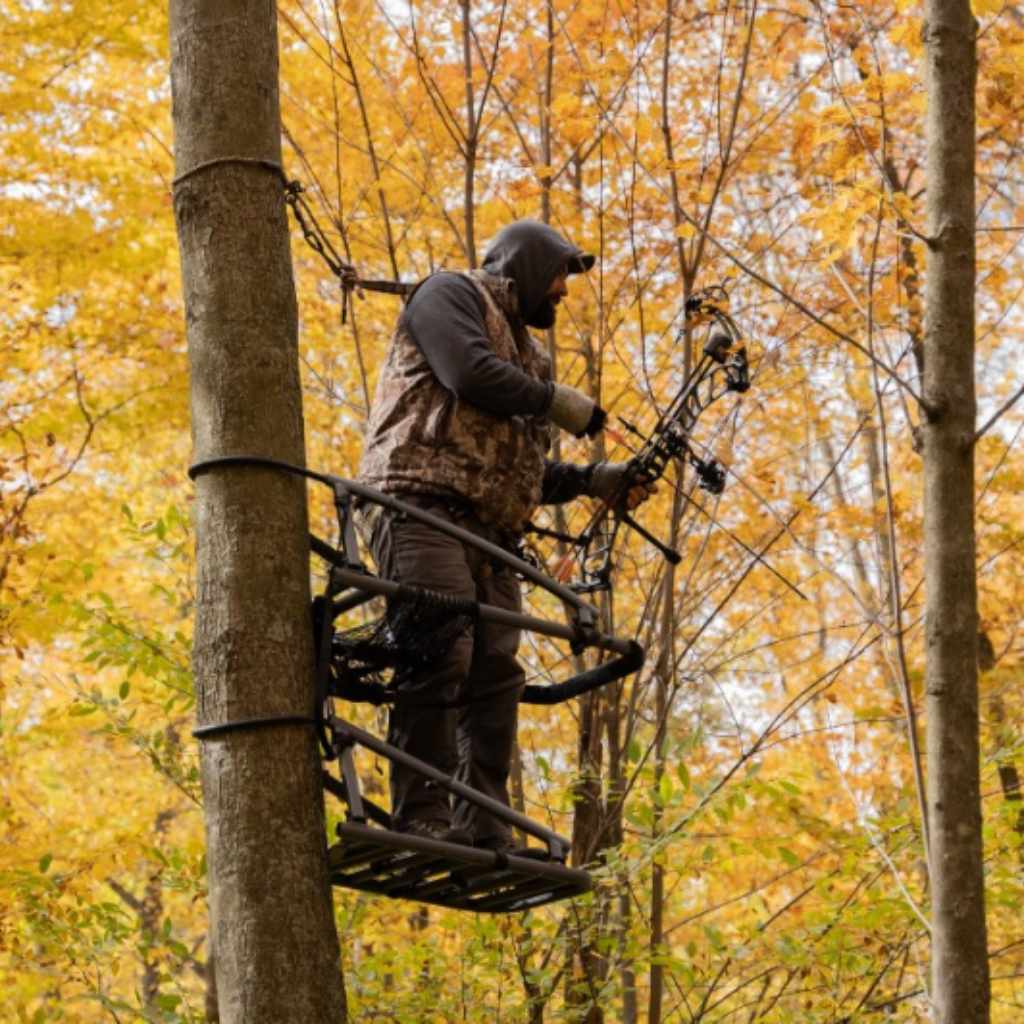
Even though climbing tree stands have several advantages, they also have some drawbacks that hunters should consider before using one. One of the main challenges is safety. Falling from a tree stand can result in serious injuries, so you need to take every precaution to prevent accidents. Another thing to think about is that climbing stands may not be suitable for all types of trees. You will need a tree that has the right shape and size for your stand to work safely. You should also consider the physical requirements of using a climbing stand. Climbing up and down can be a tough workout, especially with gear in tow. Understanding these downsides is important for making a safe and smart choice.
Safety Considerations and Fall Protection
Safety should always be the top priority when using climbing tree stands. Falls are the biggest risk, and they can lead to serious injuries. To stay safe, you need to use a full-body harness and a lifeline whenever you are in the stand. Always check your gear before each hunt. This includes the stand itself, the straps, and any other equipment. You should also choose a stable tree and make sure it is strong enough to support your weight. Proper use of a safety harness and other equipment is vital to minimize these risks. Take precautions to protect yourself and others from harm.
- Full-Body Harness is Required: Always wear a full-body harness, and attach it to the tree before you climb. It’s the most critical piece of safety gear. Make sure it fits correctly and is in good condition. You can get serious injuries if you fall.
- Lifeline Use is Essential: A lifeline is a rope that attaches to your harness and goes up the tree. You can secure it to the tree before you climb up and down. Make sure to stay connected to the lifeline at all times. This will help prevent falls.
- Regular Gear Inspections: Check your tree stand, harness, and all straps and buckles before each hunt. Look for any signs of wear and tear, and replace any damaged parts immediately. Regularly check for any problems or issues that could lead to an accident.
- Never Climb After Dark: Only climb the tree stand during daylight hours. Visibility is reduced at night, making it riskier to climb up and down. Plan to arrive at your stand before dawn and leave before dark.
Tree and Terrain Limitations
Climbing tree stands are not suited for all environments. They need a tree that is the right shape and size to work properly and safely. The trees must be relatively straight, and they should be strong enough to support your weight. Certain tree bark types or trees with a lot of branches can make it difficult or impossible to use a climbing stand. Also, the terrain around the tree is a factor. You need a clear path to set up the stand without obstacles. The stand’s usability is affected by the shape, strength, and access of the trees in a given area. You must choose trees carefully to ensure safety and functionality.
- Tree Diameter Requirements: Climbing stands typically have a minimum and maximum tree diameter they can handle. Make sure the tree you choose fits within these guidelines. This ensures the stand can securely attach and provide a safe climb.
- Bark Texture Matters: Some tree barks, like those with very rough textures, can make climbing challenging or even dangerous. The stand’s grip on the tree depends on the bark’s condition. Avoid trees with peeling bark or other defects that could affect your stand.
- Obstacles and Branches: Trees with lots of low-hanging branches or other obstacles can get in the way of the climb. Select trees with clear, unobstructed trunks to make climbing safer and easier. These obstacles can cause you to trip or lose your balance.
- Terrain Considerations: The ground around the tree should be level and clear of hazards like rocks or uneven ground. These factors influence setting up the stand. A flat area is important for stability and safety.
Choosing the Right Climbing Tree Stand
Selecting the correct climbing tree stand is vital for your safety and comfort. You need to think about several factors, including the stand’s design, the materials it’s made from, and your personal requirements. Consider features such as the weight capacity of the stand and the type of platform and seat. Look for stands that offer a good balance of durability and portability. You should also choose a stand that matches your size and hunting style. Carefully reviewing your needs, as well as the stand’s specifications, will help you pick a climbing tree stand that gives you many successful and safe hunts.
Stand Types and Design Features
Climbing tree stands come in different designs, and each has its own set of characteristics that may suit different hunters. The most common types are the sit-down and the climber stands. Sit-down stands have a seat that you can rest on while hunting. Climber stands are generally more compact and easy to carry, and they may not have a seat, which makes them lighter and easier to use. Important features to look for include the platform size, the type of seat, and the materials used. The platform size needs to be big enough for you to move comfortably. The seat should offer support. The design should take into account your comfort and safety.
- Sit-Down Climbers: These stands feature a seat, which provides comfort, making them a great option for longer sits. They often have padded seats and backrests. These stands give a comfortable hunting experience, allowing hunters to stay in position longer, increasing their odds of spotting game.
- Climber Stands: These are generally smaller and more lightweight, making them good for quick hunts. They often lack a seat, which helps reduce weight and makes them easier to carry. They are suitable for hunters who want to move fast.
- Platform Size and Shape: Look for a platform that is large enough for you to move around without any problems. The platform’s shape can also matter; some have a wider stance for better stability. A stable and spacious platform helps you maintain your balance.
- Seat Design: The seat comfort level can influence how long you can stay in the stand. Padded seats, adjustable seats, and those with a backrest are common features. Choosing a comfortable seat will enhance the quality of your hunting day.
Material, Weight Capacity, and Durability
When choosing a climbing tree stand, pay close attention to the materials used and its weight capacity. The stand must be strong enough to hold your weight. Aluminum is frequently used because it is both strong and lightweight. Look for stands that are rated to hold more weight than you actually weigh. This provides a safety margin. Also, check for features that improve durability, such as reinforced welds or weather-resistant finishes. These factors will affect the stand’s safety, dependability, and how long it lasts. Invest in a well-made stand to ensure your safety and years of use.
- Construction Materials: Aluminum stands offer a good balance of strength and portability. Steel stands are usually more durable but can be heavier. Make sure the materials are rust-resistant and hold up well in different weather conditions.
- Weight Capacity: Always check the stand’s weight capacity and make sure it is higher than your combined weight (including clothing and gear). This is extremely important for safety and the ability of the stand to support you. Do not go over the weight limits.
- Welds and Construction: Examine the welds and joints for quality. They should be solid, ensuring the stand’s structural integrity. Good welds and quality construction increase the stand’s life.
- Weather Resistance: Choose stands with weather-resistant finishes and coatings. This protects the stand from rust and corrosion, extending its life, particularly if you leave it outside for long periods. These can resist the effects of weather, allowing the stand to last longer.
Using Your Climbing Tree Stand Safely
Using a climbing tree stand safely is more than just having the right gear. It’s about developing good habits and following certain safety procedures every time you hunt. Make sure you are using a safety harness and connecting to a lifeline. Always inspect your equipment and the tree before each hunt. Climb slowly and methodically, and be aware of your surroundings. Pay attention to the weather conditions. By implementing these practices and taking the necessary precautions, you can reduce the risks and enjoy the thrill of hunting from a climbing tree stand.
Pre-Hunt Checklist and Safety Procedures
Before each hunt, always follow a checklist to ensure your safety. This includes inspecting your climbing tree stand, safety harness, and all supporting straps and components. Check the tree you plan to use, making sure it is strong and has no obvious defects. Also, always use a full-body harness and be connected to a lifeline. During the climb, be deliberate and always maintain three points of contact. Once in the stand, ensure that everything is positioned and secured properly before you move or take a shot. Regular inspections and adherence to safety protocols significantly lower the chances of accidents.
- Inspect Stand Components: Inspect all parts of the stand. Check the platform, climbing bars, and any moving parts. Look for any damage or wear and tear. Make repairs or replace any damaged parts to guarantee the structural integrity of the stand.
- Harness and Lifeline: Always use a full-body harness and connect it to a lifeline. Ensure the harness fits well and is correctly adjusted. Before you climb, attach the lifeline to the tree. Ensure you are connected to the lifeline at all times while ascending or descending.
- Three Points of Contact: When climbing, always maintain three points of contact with the stand and the tree. This means keeping at least three points of your body (hands and feet) in contact. It prevents slips and maintains balance during your climb.
- Weather Conditions Awareness: Check the weather forecast before you hunt. Avoid climbing stands in high winds or icy conditions. These conditions increase the risk of falls. Choose safe weather to ensure your hunting experience is safe.
Climbing Techniques and Best Practices
The correct climbing techniques are vital for safe and effective use of a climbing tree stand. Start by selecting a suitable tree, inspecting it for any problems. Attach your climbing stand and ensure it’s securely fastened before starting your ascent. When climbing, maintain a steady pace, always keeping three points of contact. Use the climbing bar grips or your legs to move up. Once you get to your desired height, secure the stand properly. Always practice these techniques in a controlled environment to make yourself more confident and to minimize risk.
- Choosing the Right Tree: Select a straight, healthy tree with no obstructions like low-hanging branches or loose bark. Make sure the tree diameter matches the stand specifications. These trees provide the best and most secure climbing experience.
- Steady Ascent: Climb at a slow and steady pace, using the hand grips or climbing bars to move up. Always maintain three points of contact to maintain your balance. Maintain control throughout the climb.
- Platform and Seat Setup: Once you reach your hunting height, secure the platform and seat properly. Adjust the seat to a comfortable height, ensuring it provides good support. Proper setup guarantees both comfort and safety.
- Descending Safely: When it’s time to come down, slowly reverse the steps you used to climb. Always use the lifeline and maintain three points of contact. Take your time, and make sure that all equipment is cleared before you climb down.
Comparison of Climbing Stands to Other Types
Climbing tree stands are one of several options for hunters. Other types include ladder stands and hang-on stands, and each has its own advantages and disadvantages. Ladder stands are generally easier to get in and out of, while hang-on stands offer more flexibility. Comparing these different options is vital to make the right choice for your hunting needs. Consider factors such as ease of use, portability, and safety. Understanding the advantages and disadvantages will help you find the best solution for your hunting needs.
Ladder Stands vs. Climbing Stands
Ladder stands and climbing stands have distinct differences. Ladder stands offer great ease of use and are very good for hunters. They provide a safe and stable platform, but they are often less mobile. You can’t just move them from tree to tree very easily. Climbing stands provide mobility, but they may need more physical effort to set up and may not be the best choice for beginners. Compare these differences to see which option suits your preferences and where you hunt. Consider how easily you can transport and set up the stand, and weigh the benefits of each before choosing.
| Feature | Ladder Stand | Climbing Stand |
|---|---|---|
| Mobility | Low, permanent or semi-permanent setup. | High, easy to move between locations. |
| Ease of Use | Easy to climb into and out of. | Needs practice to climb. |
| Safety | Generally safer, with handrails and a stable base. | May need more caution; risk of falls. |
| Setup | Simple, no need to climb the tree. | Takes practice; needs right trees. |
| Cost | Varies, usually more expensive. | Can be more affordable. |
In 2023, approximately 4.7 million people hunted in the United States, and climbing stands were a popular choice for their portability.
Hang-On Stands vs. Climbing Stands
Hang-on stands provide good flexibility, offering hunters the option of selecting their desired hunting spot. These stands require you to climb up and install them on the tree. Climbing stands offer more mobility and are much easier to move and set up, which helps them save time and energy. Think about the kind of hunting you plan to do, and which stand best fits your needs. Assess the ease of use, as well as the safety features of both stands. The decision depends on your hunting style and the kinds of spots where you hunt. Understanding the distinctions will help you to select the best choice.
- Portability: Climbing stands are very mobile, while hang-on stands can be transported but need a prior setup.
- Ease of Setup: Climbing stands are fast to set up, but hang-on stands require that you put a tree stand up first.
- Safety: Both require a harness, but hang-on stands must be securely installed.
- Vantage Point: Both provide a high position, but you can select the height with a climbing stand.
- Hunting Style: Climbing stands are suitable for hunters who move a lot, while hang-on stands are for hunters who want to choose locations.
A study by the International Hunter Education Association showed that more than 60% of hunting injuries occur due to falls from tree stands. This highlights the importance of safety measures.
Frequently Asked Questions
Question: Are climbing stands safe for beginners?
Answer: Climbing stands can be safe for beginners if used correctly. However, new users should practice their climbing techniques and always use a safety harness and lifeline. Start by doing drills at ground level. That will make you more confident. Beginners should seek advice from experienced hunters and take the time to learn the safety protocols.
Question: What’s the best tree for a climbing stand?
Answer: The best trees are those with a straight trunk, no low branches, and a consistent diameter. Hardwood trees like oak and maple are usually good choices. Make sure the tree is strong enough to bear your weight and does not have any obvious defects. You should always check the tree to make sure it will be a stable base for your stand. Select trees that are free of any issues.
Question: How often should I inspect my climbing stand?
Answer: Inspect your climbing stand before every use, and at least once a year. Check all straps, buckles, welds, and moving parts for any signs of wear, damage, or corrosion. Replace any damaged or worn-out parts immediately. Regular inspections are important for ensuring the stand is safe and ready for use. Proper inspections help maintain the stand in good condition.
Question: Can I leave my climbing stand in a tree all season?
Answer: It’s best not to leave your climbing stand in a tree all season. The weather can damage the stand and its straps. Repeated exposure to the sun, rain, and snow can cause the stand’s materials to deteriorate. This will reduce their durability and pose a safety risk. Remove the stand at the end of each hunting season. Store it in a dry, covered area to extend its life.
Question: How do I store my climbing stand properly?
Answer: When you are not using your climbing stand, store it in a dry and protected place. Clean the stand of any dirt or debris before storing it. It is best to hang the stand to prevent contact with the ground, or keep it inside. Store your climbing stand away from direct sunlight, extreme temperatures, and moisture. Proper storage will help ensure your stand lasts and remains safe for future use.
Final Thoughts
Choosing a climbing tree stand can be a game-changer for any hunter. These stands provide great mobility, an elevated perspective, and better concealment. Remember to consider safety. Always wear a harness and use a lifeline. Choose the right tree and follow all of the safety tips. Think about your hunting style and how often you will be moving your stand. Whether you are after more mobility or a better view, these stands have something to offer. If you’re serious about taking your hunting to the next level, a climbing stand is an option. Stay safe and enjoy every adventure in the outdoors. Good hunting!