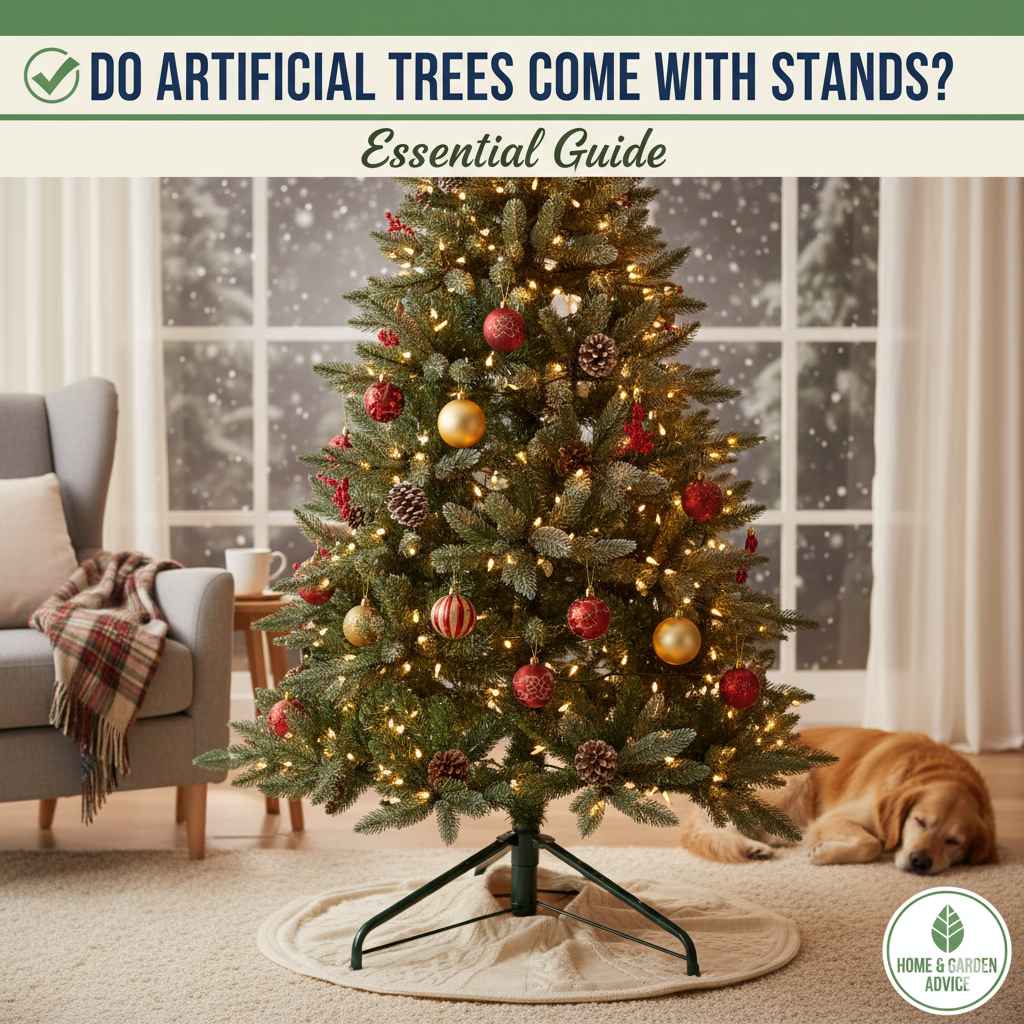
Do Artificial Trees Come With Stands: Essential Guide
Yes, most artificial trees, especially those intended for holiday use like Christmas trees, typically come with a stand. The stand is usually included because it’s essential for the tree’s stability and to keep it upright. However, the type, material, and quality of the stand can vary significantly between different trees.
Are you setting up your artificial tree for the first time and wondering about the stand? It’s a common question, and not having a clear answer can add a bit of stress to what should be a joyful occasion. Don’t worry, I’m here to help you navigate this! Most artificial trees are designed with stands in mind, as they are crucial for keeping your festive centerpiece stable and looking its best. We’ll break down exactly what to expect when you unbox your tree, from what kind of stand is usually included to how to ensure it’s the perfect fit for your tree and home. Get ready to make your tree setup smooth and stress-free!
Understanding Artificial Tree Stands: What to Expect
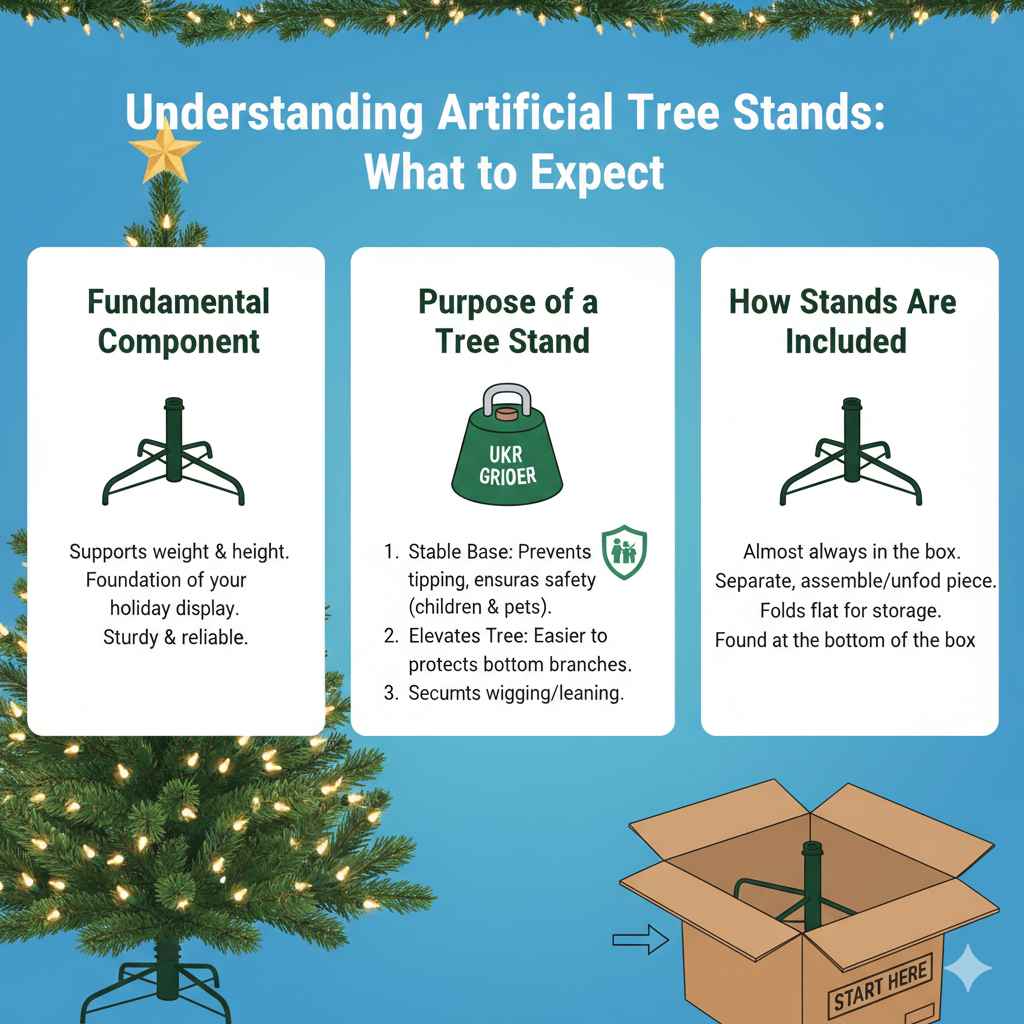
When you purchase an artificial tree, the stand is almost always part of the package. It’s a fundamental component designed to support the tree’s weight and height, allowing it to stand tall and proud. Think of it as the foundation of your holiday display – it needs to be sturdy and reliable.
The Purpose of a Tree Stand
The primary job of a tree stand is to provide a stable base. Artificial trees, especially larger ones, can be quite heavy and have a significant surface area that can catch air, making them prone to tipping. A well-designed stand prevents this, ensuring safety for everyone in your home, especially children and pets. Beyond stability, stands also serve to elevate the tree, making it easier to decorate and ensuring the branches aren’t crushed at the very bottom. Often, the stand will have a mechanism to secure the tree trunk firmly in place, preventing it from wiggling or leaning.
How Stands Are Typically Included
For most artificial trees, particularly Christmas trees, the stand is included right in the box. It’s usually a separate piece that you’ll assemble or unfold before inserting the tree trunk. Some stands are designed to fold flat for easy storage when the tree is not in use, which is a great space-saving feature. You’ll typically find the stand at the bottom of the tree box, often packed around the trunk or base sections of the tree itself.
Types of Artificial Tree Stands
Not all stands are created equal. They come in various designs, materials, and levels of sturdiness. Understanding these differences can help you choose the best option or assess the one that came with your tree.
Common Stand Materials
The most common materials used for artificial tree stands are plastic and metal.
Plastic Stands: These are often lighter and less expensive. They are typically found with smaller or less dense artificial trees. Many plastic stands are designed with a simple four-legged or circular base, and some even have tightening screws or clips to secure the trunk. While adequate for many trees, they might be less suitable for very tall or heavy models.
Metal Stands: Metal stands, usually made of steel, are generally considered sturdier and more durable. You’ll often find these with larger, fuller, or premium artificial trees. Metal stands come in various designs, from simple cross-shaped bases to heavier, bucket-style stands that can often be filled with water (though this is usually only for real trees, it adds significant weight and stability for artificial ones too). Heavy-duty metal stands are the best choice for overall stability.
Stand Designs and Features
Beyond material, the design of the stand plays a crucial role in its functionality.
Four-Legged Stands: These are very common and offer good stability due to their wide base. They usually feature holes with screws that help to grip the tree trunk and keep it stable.
Circular or Bucket Stands: These often have a central pole or opening where the tree trunk is inserted. Some are designed to be very robust and can even be weighted down.
Folding Stands: Many stands, whether plastic or metal, are designed to fold flat for easy storage, which is a huge convenience.
Swinging or Self-Centering Stands: High-end artificial trees might come with advanced stands that help to automatically center the trunk and keep it perfectly upright. These can be a great feature if you have a particularly large or heavy tree.
Adjustable Widths: Some stands have adjustable mechanisms to accommodate various trunk diameters, offering a more custom fit.
Here’s a quick comparison of common artificial tree stand types:
| Stand Type | Common Materials | Pros | Cons | Best For |
|---|---|---|---|---|
| Four-Legged | Plastic, Metal | Good stability, widely available, easy to set up | Can be less stable for very large trees, screws might slip | Most artificial trees, especially medium-sized |
| Circular/Bucket | Plastic, Metal | Can be very sturdy, some can be weighted, often deep for trunk | Can be heavier, sometimes less adjustable | Larger and heavier trees, those needing extra stability |
| Folding | Plastic, Metal | Easy storage, space-saving | Can vary in sturdiness based on design | Homeowners with limited storage space |
| Heavy-Duty Metal | Steel | Exceptional stability and durability, built to last | Can be heavier and bulkier, more expensive | Very large, tall, or densely needled artificial trees |
When a Stand Might Not Be Included (And What to Do)
While rare for standard artificial trees, there are a few scenarios where a stand might be sold separately or needs to be purchased additionally.
Less Common Scenarios
DIY or Unfinished Trees: If you’re buying a tree that is essentially branches and a trunk without a pre-attached base, you might need to source a stand yourself. This is more common with extremely large, commercial-grade trees or custom-built artificial trees.
“Tree Only” Options: Occasionally, a manufacturer might offer a tree without a stand, perhaps for customers who are replacing an old tree but keeping their existing stand. Always read the product description carefully to confirm what’s included.
Very Small Tabletop Trees: Some tiny decorative trees might not come with a large stand, opting instead for a small, decorative base or being designed to sit directly on a surface.
Purchasing a Separate Stand: What to Look For
If you find yourself needing a stand, don’t fret! There are plenty of options available. The most critical factor is ensuring the stand you choose matches the size and weight specifications of your artificial tree.
Check Tree Height and Width: The stand needs to be proportionate. A stand built for a 6-foot tree might not adequately support a 10-foot tree.
Trunk Diameter: Most tree stands are designed to accommodate a specific range of trunk diameters. Measure your tree’s trunk diameter at the point where it will sit in the stand.
Weight Capacity: For larger, denser trees, look for stands with a higher weight capacity. Metal stands are generally better for heavy trees.
Stability: Opt for a design that offers a wide base for maximum stability. Four-legged or heavy-duty metal bucket stands are excellent choices.
Reputable Sources for Tree Stands: Many general home goods retailers and specialized holiday decoration stores offer tree stands. You can also find a wide selection online from major e-commerce platforms. Look for brands known for quality and durability. Websites like Better Homes & Gardens often provide reviews and recommendations for top-rated tree stands.
Setting Up Your Artificial Tree and Stand
The setup process is usually straightforward, but a few tips can make it even easier and ensure your tree stands perfectly straight.
Step-by-Step Assembly and Setup
1. Unpack Everything: Lay out all the components of your tree and the stand. Make sure you have all the pieces as per the manufacturer’s instructions.
2. Assemble the Stand: If your stand requires assembly (e.g., unfolding legs, screwing parts together), do this first. Ensure all connections are secure.
3. Insert the Tree Trunk: Carefully place the base section of your artificial tree into the stand. If your tree has a metal pole base, it will slide directly into the stand’s designated spot.
4. Secure the Trunk: Most stands have screws (usually wingnuts or thumbscrews) or clamps. Tighten these evenly around the trunk to hold it firmly in place. Do not overtighten, as this could damage the trunk.
5. Check for Straightness: Step back and look at the tree from multiple angles. If it’s leaning, loosen the screws slightly, adjust the tree until it’s straight, and then re-tighten the screws evenly. Some stands have mechanisms to help you fine-tune the angle.
6. Assemble the Rest of the Tree: Once the base is stable and straight, continue assembling the upper sections of your tree.
7. Fluff the Branches: This is a crucial step for making any artificial tree look full and realistic. Carefully bend and shape each branch.
Here are some helpful tips for a stable tree setup:
- Read the Instructions: Always refer to the specific instructions provided by the tree manufacturer, as stand designs can vary.
- Clear the Area: Make sure you have enough space around the final tree location to assemble it comfortably without bumping into furniture.
- Two-Person Job? For larger trees, having a second person can be very helpful to hold the tree steady while you secure the stand.
- Level Surface: Place the stand on a flat, level surface to ensure maximum stability.
- Consider a Tree Stand Cover: Once your tree is set up and decorated, a decorative tree stand cover can hide the stand itself and add to the festive look.
Troubleshooting Common Setup Issues
Tree is Wobbly: This usually means the stand screws aren’t tight enough or the tree isn’t centered. Loosen, re-center, and tighten evenly. Ensure the surface it’s on is level.
Trunk Doesn’t Fit the Stand: Measure your trunk diameter and compare it to the stand’s specifications. Some stands are adjustable, while others have a fixed opening. If it’s a mismatch, you might need a different stand.
Stand Screws Stripping: If the screws are damaging the trunk or not gripping well, you can sometimes wrap a small piece of cloth or rubber (like a thick rubber band) around the trunk where the screw makes contact for better grip. For permanent solutions, consider a deluxe stand with more robust gripping mechanisms.
Enhancing Your Tree’s Stability and Appearance
Beyond the included stand, there are ways to boost your tree’s stability and make sure it looks its absolute best.
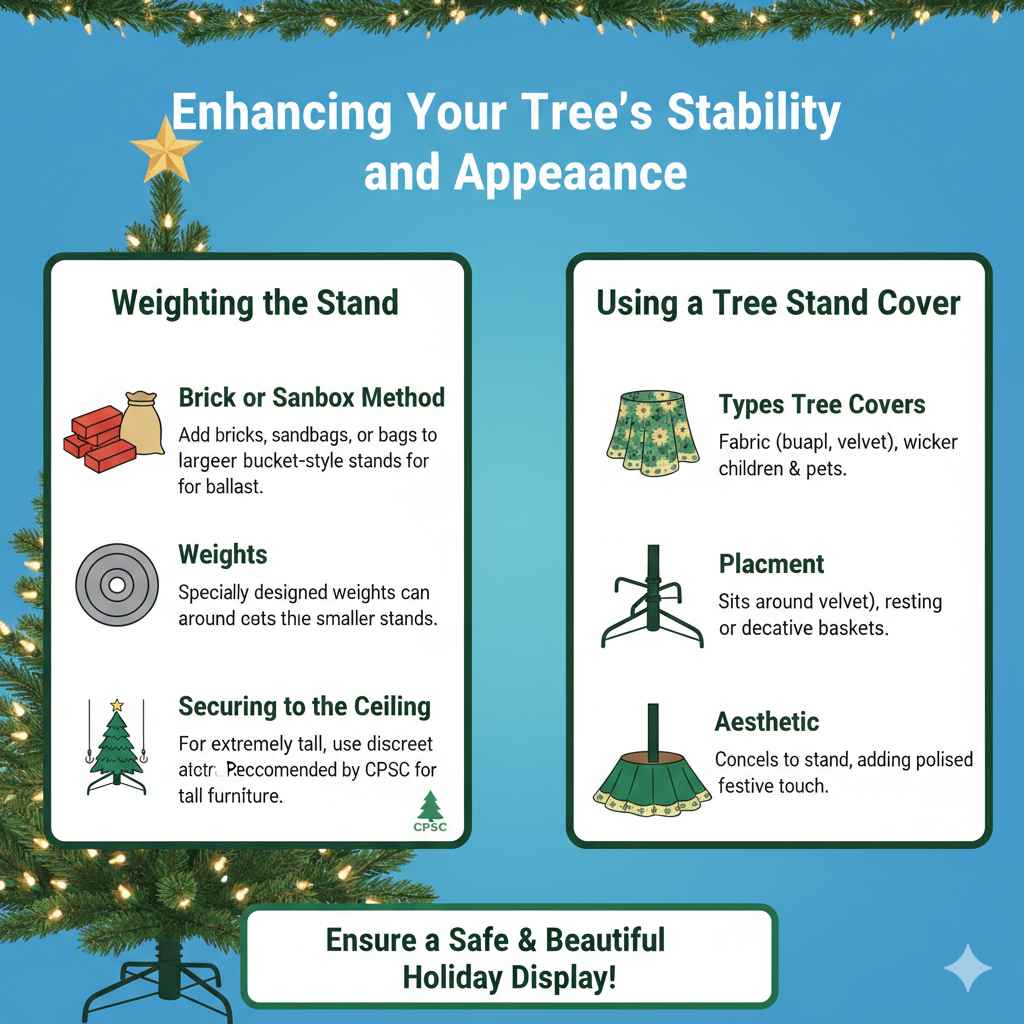
Weighting the Stand
For very tall, top-heavy, or particularly precious artificial trees, adding weight to the stand can provide extra security.
Brick or Sandbox Method: For larger metal bucket-style stands, you can add bricks, sandbags, or even bags of salt to the bottom of the stand before inserting the tree. This adds significant weight and ballast.
Weights: Specially designed weights can be placed around the base of smaller stands for added stability.
Securing to the Ceiling: For extremely tall trees, especially in homes with young children or pets, securing the top of the tree to the ceiling using a discreet cable or strap can offer the ultimate peace of mind. The U.S. Consumer Product Safety Commission (CPSC) recommends securing tall furniture and appliances to prevent tip-overs, a principle that can also apply to very tall holiday trees. Learn more about furniture tip-over prevention from the CPSC.
Using a Tree Stand Cover
Once your tree is stable and decorated, the stand itself can be an eyesore. A tree stand cover is a simple yet effective way to conceal it.
Types of Covers: They come in various materials like fabric (burlap, velvet, fleece), wicker, or even decorative baskets.
Placement: The cover usually sits around the base of the tree, resting on top of the stand. Some have openings to accommodate the stand’s structure.
* Aesthetic: A tree stand cover can significantly enhance the overall look of your tree, adding a polished and festive touch.
Frequently Asked Questions (FAQ)
Q1: Do all artificial Christmas trees come with a stand?
Generally, yes. Most artificial Christmas trees are sold with a stand included in the box. It’s a standard component that is essential for assembling and displaying the tree.
Q2: What if the stand included with my artificial tree isn’t sturdy enough?
If the included stand feels wobbly or isn’t suitable for your tree’s size and weight, you can purchase a separate, sturdier stand made of metal. Look for stands designed for larger or heavier trees and ensure the trunk diameter compatibility.
Q3: How do I know what size stand to buy if I need a new one?
You’ll need to know your tree’s height and, more importantly, the diameter of its trunk at the base. Tree stands are sold based on expected trunk diameter ranges (e.g., “up to 1 inch,” “1-1.5 inches,” “up to 2 inches”) and recommended tree heights. Measure your trunk before buying.
Q4: Can I use a stand designed for a real Christmas tree with my artificial one?
Yes, in most cases. Stands designed for real Christmas trees are often very sturdy and can accommodate the trunk of an artificial tree well. Some real tree stands have water reservoirs, which are unnecessary for artificial trees but add extra weight and stability, which can be beneficial.
Q5: My artificial tree’s trunk is too small for its stand. What can I do?
If the trunk is too small, you can fill the extra space in the stand to secure it. Wrap some sturdy rags, towels, or even thick cardboard around the trunk before tightening the stand’s screws. Alternatively, consider using a stand with adjustable width or one designed for smaller trunk diameters.
Q6: Do very large artificial trees come with special stands?
Yes, very large or commercial-grade artificial trees often come with more robust, heavy-duty stands. These are typically made of strong metal and are designed to provide superior stability for the significant weight and height of these impressive trees.
Conclusion
As you can see, the question of whether artificial trees come with stands has a generally straightforward answer: they almost always do! The stand is an integral part of the artificial tree package, ensuring it stands tall and secure throughout the holiday season. We’ve explored the different types of stands you might encounter, from basic plastic models to heavy-duty metal options, and discussed the importance of choosing the right one for your tree’s size and weight.
Remember, if the included stand isn’t up to par, or if you acquired a tree without one, purchasing a separate stand is easy, provided you measure your tree’s trunk and consider its overall size and density. With a little attention to detail, you can ensure your artificial tree is not only beautifully decorated but also safely and stably displayed. Setting up your tree should be a source of joy, and understanding its stand is a key step to achieving that perfect, festive centerpiece. Happy decorating!