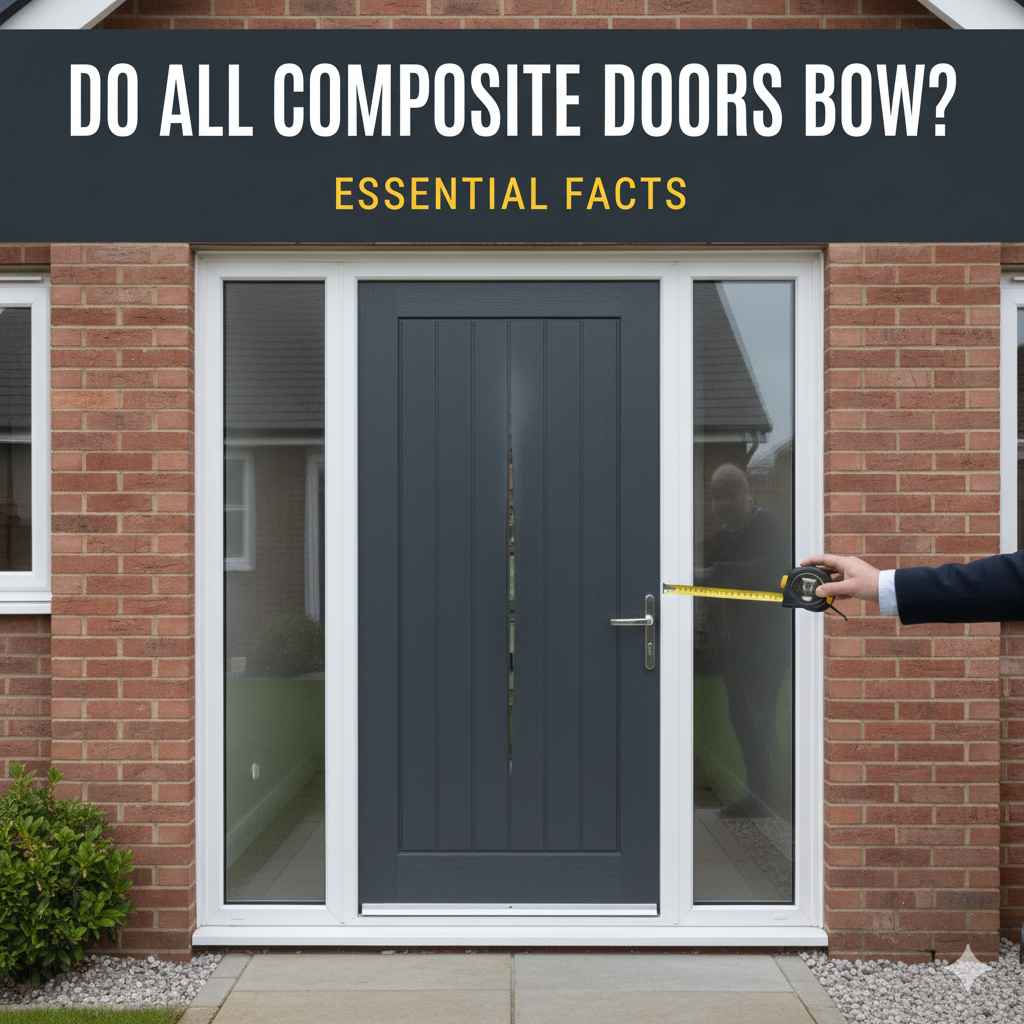
Do All Composite Doors Bow? Essential Facts
No, not all composite doors bow. While some older or poorly manufactured composite doors can warp, modern, high-quality composite doors are designed to be dimensionally stable and resistant to bowing, offering excellent durability and weather resistance. For more on this, see our guide on Do Hunter Boot Socks Make the Boot Fit Tighter? Find Out Here. For more on this, see our guide on Do Balsam Hill Trees Come With A Stand.

Iceyyyy
2 Pcs Extra Large Christmas Front Door…
- Elegant Design:Christmas door ribbon bow features classic Christmas red to create a rich festive atmosphere. Its buckle design on…
- Compatible Sizes:Christmas door decoration bow measures 14.2 feet in length, with a central bow measuring 15.5 inches and a ribbon…
- Reliable Material:Our huge adjustable door bow decorations are crafted from high-quality satin, featuring a delicate texture and v…
As an Amazon Associate I earn from qualifying purchases.
It’s a question many homeowners ask when considering new doors: “Do composite doors bow?” You might have heard stories or seen older examples where a door seemed to lose its shape. This can be a real concern, as a bowed door can lead to drafts, sticking, and look unsightly. Well, let’s clear the air! The truth is, while bowing can happen, it’s not an inherent flaw of all composite doors. Many factors contribute to a door’s stability, and quality plays a huge role.
In this guide, we’ll break down what causes doors to bow, why modern composite doors are engineered to resist it, and what you can do to ensure you get a long-lasting, beautifully straight door for your home. Think of me as your guide to understanding door performance, much like I help archers understand their equipment. We’ll cover everything you need to know, step-by-step, so you can make an informed decision with confidence.
Understanding Door Bowing: What It Is and Why It Happens
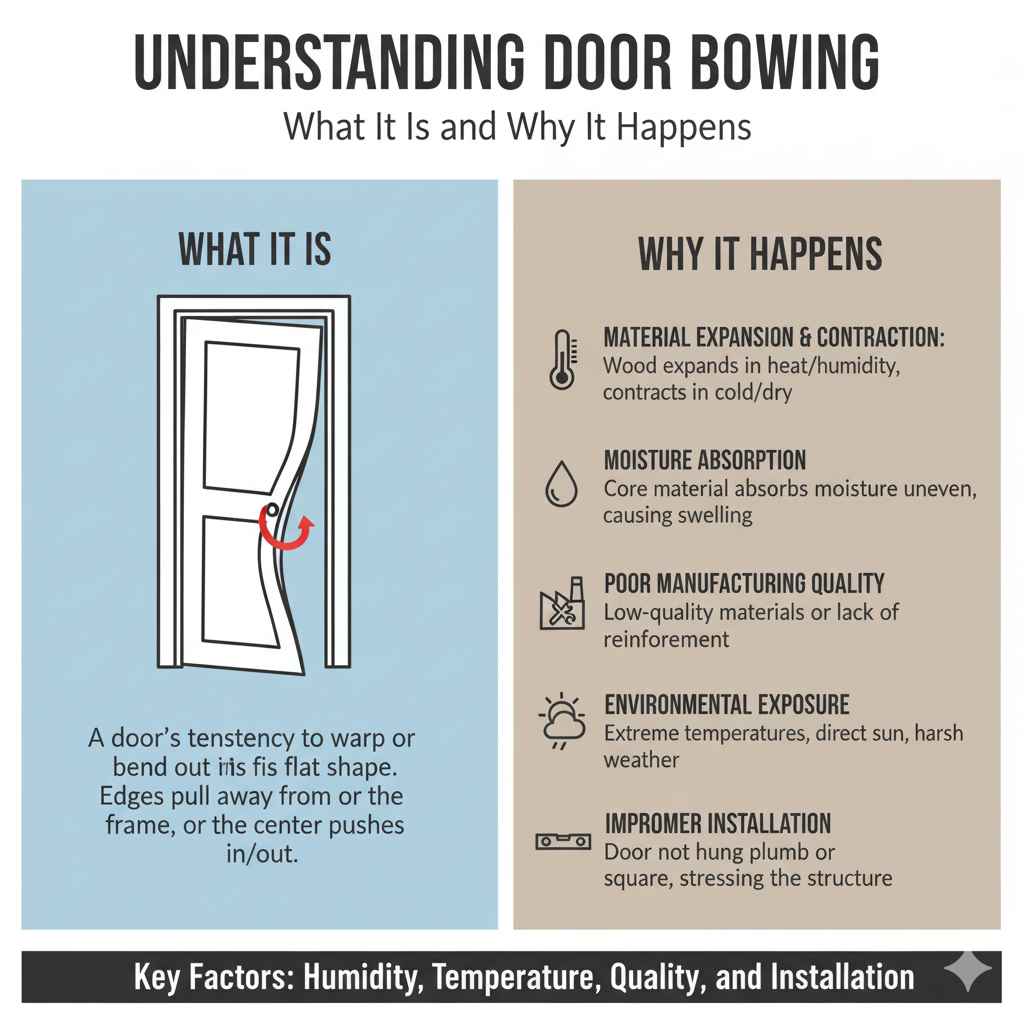
Bowing in a door refers to its tendency to warp or bend out of its intended flat shape. Imagine a ruler that’s been left in the sun for too long; it starts to curve. A door can do the same, though usually much less dramatically. When a door bows, its edges might pull away from the frame, or the centre might push outwards or inwards.
Several factors can contribute to a door bowing:
- Material Expansion and Contraction: Like many materials, wood expands when it’s hot and humid and contracts when it’s cold and dry. If a door isn’t constructed to handle these changes, it can warp.
- Moisture Absorption: If a door’s core material absorbs moisture, it can swell unevenly, leading to distortion.
- Poor Manufacturing Quality: Inexpensive or older doors might use lower-quality materials or lack proper reinforcement, making them more susceptible to warping over time.
- Environmental Exposure: Extreme temperatures, direct, intense sunlight on one side of the door, or exposure to harsh weather conditions without adequate protection can stress the door’s structure.
- Improper Installation: A door that isn’t hung correctly in its frame, or a frame that isn’t plumb and square, can put undue stress on the door leaf, encouraging it to bow.
What Exactly is a Composite Door?
Before we dive deeper into bowing, let’s quickly touch upon what makes a composite door ‘composite’. Unlike a simple uPVC or solid timber door, a composite door is a meticulously engineered product made from a blend of different materials. This layering and combination are designed to leverage the strengths of each component while minimizing their weaknesses.
A typical composite door construction includes:
- A Solid Core: This is the heart of the door, often made from high-density foam or a composite timber material (like cross-laminated veneer lumber – an example of engineered wood often used in structural applications, see Forest Products Laboratory (FPL) research on LVB and related products). This core provides insulation, strength, and rigidity.
- Reinforced Skin: A tough outer skin is bonded to the core. This skin is usually made from GRP (Glass Reinforced Plastic) or a similar durable polymer. GRP is known for its strength, rigidity, and resistance to moisture and impact.
- Weather Seals and Frames: The door is fitted with robust seals to prevent drafts and water ingress, and it’s usually set within a strong, often reinforced uPVC or aluminium frame.
This layered construction is key to a composite door’s excellent performance and durability.
Why High-Quality Composite Doors Resist Bowing
The design and manufacturing of modern composite doors are specifically intended to combat issues like bowing. The combination of materials and the way they are assembled are crucial:
- Material Synergy: The rigid core, reinforced by the strong GRP skin, creates a structure that is inherently resistant to deformation. Unlike solid timber, which is more prone to expansion and contraction, the composite structure significantly minimises these effects.
- Engineered Stability: Manufacturers use sophisticated processes to ensure their doors remain dimensionally stable. This means they are built to maintain their shape even when subjected to significant temperature fluctuations and humidity changes.
- Superior Insulation Properties: The composite construction offers excellent thermal insulation. This means the door is less likely to absorb extreme heat or cold, which are primary drivers of material expansion and contraction that can lead to bowing.
- Durability and Longevity: The robust GRP skin not only looks like wood but also provides a protective barrier against the elements, preventing moisture ingress that could compromise the door’s structure.
Think of it like building a strong, stable structure. You wouldn’t just use one material; you’d use different ones to create a composite that can withstand various forces. For example, in construction, laminated veneer lumber (LVL) is used for its consistent strength and stability, a concept similar to how composite doors achieve their resilience.
Factors That Can Affect Any Door, Including Composite Ones
While high-quality composite doors are exceptionally stable, no material is completely immune to the effects of extreme conditions or poor handling. It’s good practice to be aware of what could potentially stress any door:
- Extreme and Prolonged Direct Sunlight: While the GRP skin is UV resistant, excessively intense and prolonged direct sunlight, especially on darker coloured doors, can heat the door significantly. This thermal stress, over many years, could theoretically impact the door’s structure if other factors are also at play.
- Exposure to Harsh Chemicals: Cleaning your door with abrasive or harsh chemical cleaners can damage the surface finish and potentially compromise its protective layers over time.
- Physical Impact: Severe impacts can damage any door, regardless of material.
- Poor Installation: As mentioned before, if a door is not installed correctly, it can lead to issues. This is a critical point. An improperly fitted door can be subject to twisting forces that might manifest as bowing or sticking. It’s vital to use qualified installers.
- Manufacturing Defects (Rare): In very rare cases, a manufacturing defect in a specific door might occur, but this would be an anomaly rather than the norm for composite doors. Reputable manufacturers have strict quality control measures.
Distinguishing Between Bowing, Gaps, and Sealant Issues
Sometimes, what might appear to be a bowed door is actually something else. It’s helpful to understand the difference:
- Actual Bowing: The door leaf itself has visibly bent or warped. You can often see this by looking along the edge of the door from an angle or by noticing it no longer sits flush within the frame at certain points.
- Gaps Around the Edges: This often indicates installation issues, such as the door not being hung perfectly square, or frame movement. You might see daylight through the gaps, or feel drafts.
- Sealant or Gasket Issues: The rubber seals (gaskets) around the door frame might be worn, damaged, or not making proper contact. This can create drafts that feel like the door is not closing properly, even if the door itself is straight.
- Hinge or Lock Problems: If hinges are misaligned or locks are stiff, they can prevent the door from closing fully and squarely, giving the impression of a bowed door.
Checking your door for these specific symptoms can help you pinpoint the actual problem. Many issues that seem like bowing can be rectified by adjusting hinges, replacing seals, or addressing frame security.
Composite Door Construction Materials: A Closer Look
The performance of a composite door is directly tied to the quality of its constituent materials. Here’s a breakdown of what makes them so effective:
The Core
The core is the insulating and structural backbone of the door. Different manufacturers use slightly different materials, each offering unique benefits:
- High-Density Foam Core: Often made from polyurethane, this provides excellent thermal insulation and is very lightweight. The density ensures good rigidity despite being a foam.
- Composite Timber Core: This involves layers of wood veneer or strands, bonded together in a specific orientation. Materials like laminated veneer lumber (LVL) are engineered for strength and stability, resisting the tendencies of natural timber to warp or split. This type of core offers a very robust and rigid foundation.
- Solid Timber Core (Less Common in True Composites): Some doors that are marketed as composite might have a solid timber core, but this is less common for the highest-performing, most stable doors, as solid timber is inherently more susceptible to environmental changes.
The Skin
The outer layer is what you see and touch. Its primary roles are protection and aesthetics:
- Glass Reinforced Plastic (GRP): This is the most common material for the “skin” of a composite door. GRP is formed by reinforcing plastic resin with short strands of glass fibre. It’s incredibly strong yet lightweight, waterproof, and resistant to impacts and weathering. The GRP skin is moulded to give a realistic woodgrain effect, which can then be painted or finished in various colours.
- Other Polymers: Some manufacturers might use advanced polymer blends, but GRP remains the industry standard for its proven performance and durability.
Reinforcement
A well-made composite door will have internal reinforcement, particularly around lock mechanisms and hinges, to ensure these critical components are securely anchored and to prevent the door material from degrading around them. This might involve internal wooden or metal reinforcing strips.
The way these materials are bonded together is also a significant part of the manufacturing process. High-quality adhesives at specific temperatures and pressures ensure the core and skin become one inseparable unit, greatly enhancing the door’s structural integrity and resistance to delamination or warping.
Can a Composite Door Bow? A Look at Durability and Longevity
The short answer is: a well-made, properly installed composite door is highly unlikely to bow. Manufacturers invest heavily in research and development to create doors that withstand the rigours of daily life and varying climates.
Let’s look at some typical performance data and guarantees:
| Feature | Typical Performance of Quality Composite Doors | Potential Issues (Rare/Poor Quality) |
|---|---|---|
| Dimensional Stability | Excellent. Designed to resist expansion/contraction from humidity and temperature changes. | Can warp if core material is unsuitable or bonding fails. |
| Water Resistance | Very High. GRP skin and sealed edges prevent moisture ingress. | Water absorption can lead to swelling and bowing if seals fail or core is permeable. |
| UV Resistance | High. GRP is formulated to resist UV degradation. | Extreme prolonged UV can, over many decades, potentially affect surface finish or material integrity slightly. |
| Maintenance | Low. Easy to clean, no need for repainting unless desired. | Harsh cleaners can damage finish. |
| Typical Warranty | 10-25 years for door, frame, and hardware. | Shorter warranties, or exclusions for warping, may indicate lower quality. |
The longevity of a composite door is one of its primary selling points. When you invest in a reputable brand, you’re investing in a door that is engineered for decades of reliable service with minimal maintenance. You can often find detailed specifications and testing reports from manufacturers like Solidor or Rockdoor, showcasing their commitment to product quality and low failure rates.
Choosing the Right Composite Door: Tips for Beginners
When you’re ready to buy, here are some key things to look for and ask about to ensure you get a door that won’t bow:
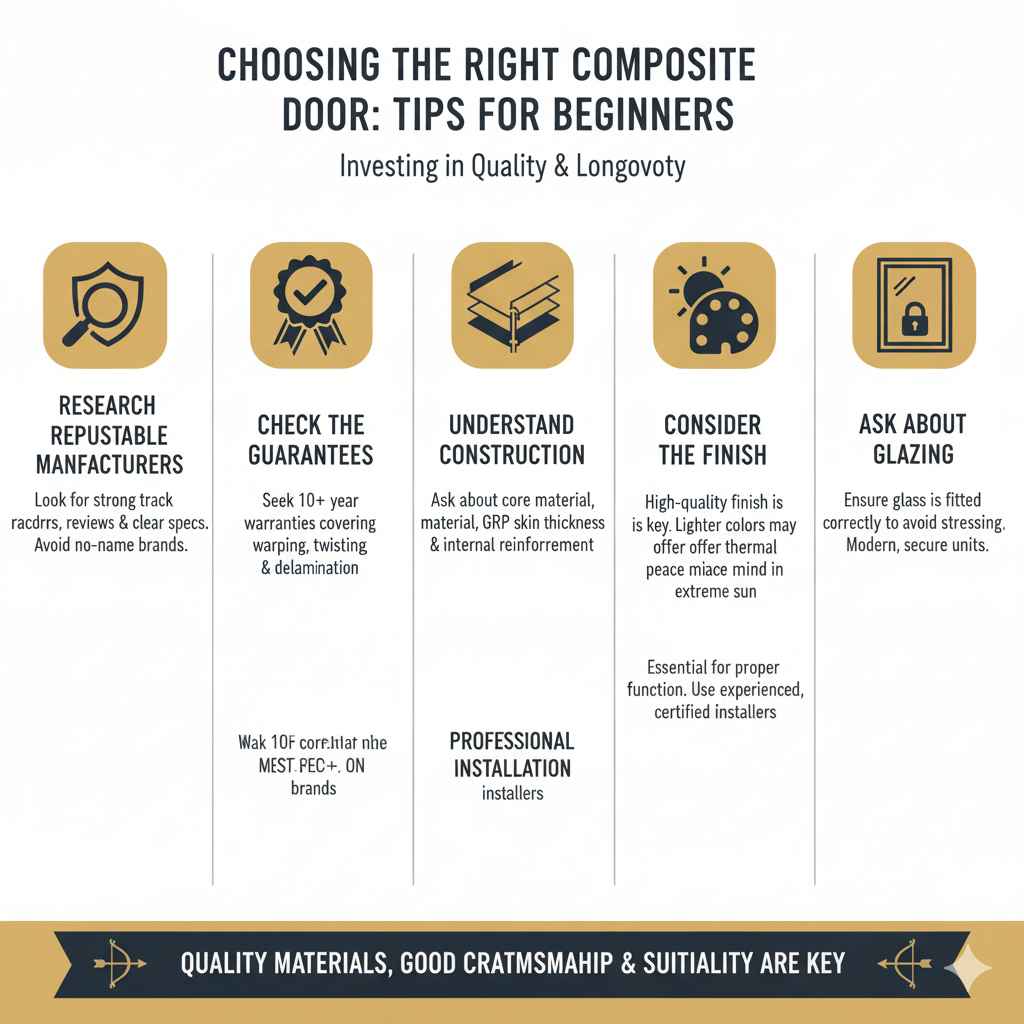
- Research Reputable Manufacturers: Stick to well-known brands that have a strong track record and positive reviews. Look for companies that clearly state their manufacturing processes and material specifications.
- Check the Guarantees: A comprehensive warranty, ideally 10 years or more, covering against warping, twisting, and delamination, is a good indicator of quality. Read the warranty terms carefully.
- Understand the Construction: Don’t be afraid to ask your supplier about the core material, the GRP skin thickness, and any internal reinforcement. A good supplier will be happy to explain.
- Consider the Finish: While darker colours can absorb more heat, a high-quality composite door with a good finish should still maintain its shape. However, if you live in an extremely hot climate with intense sun, a lighter colour might offer an extra layer of thermal management peace of mind.
- Professional Installation is Key: This cannot be stressed enough. Ensure the company you buy from uses experienced, certified installers, or choose your own reputable installer. A perfectly made door can be ruined by shoddy installation.
- Ask About Door Glazing (if applicable): If your door includes glass, ensure it’s fitted correctly. Poorly fitted glazing can sometimes put stress on the door frame. Modern composite doors usually use high-quality, secure glazing units.
Think of choosing a door like selecting a specific bow for archery. You wouldn’t just pick the cheapest one; you’d look for quality materials, good craftsmanship, and something suited to your needs. The same principle applies to your front door!
Comparing Composite Doors to Other Door Types
To truly appreciate why composite doors are a great choice for preventing bowing, let’s compare them to other common door materials:
Solid Timber Doors
- Pros: Natural beauty, can be very strong, easily repaired or refinished, good insulation.
- Cons: Highly susceptible to moisture, expansion/contraction leading to warping, bowing, sticking, requires regular maintenance (painting/varnishing), can be expensive.
uPVC Doors
- Pros: Low maintenance, good insulation, cost-effective, weather-resistant.
- Cons: Can look less premium than composite or timber, can become brittle and discoloured over time with UV exposure, larger doors may require internal reinforcement to prevent sagging, can scuff easily.
Aluminium Doors
- Pros: Very strong and durable, slim frames can be achieved, weather-resistant, low maintenance.
- Cons: Can be a thermal bridge (less insulating than composite or uPVC unless thermally broken), can be more expensive, can dent if impacted strongly, limited visual options compared to composite.
Composite Doors
- Pros: Excellent dimensional stability (unlikely to bow), superb insulation, high security, low maintenance, durable GRP skin, wide range of styles and finishes, looks like timber but performs better.
- Cons: Can be more expensive than basic uPVC doors, repairs to the GRP skin can be difficult if damaged by impact.
This comparison highlights why composite doors often strike the best balance for homeowners seeking durability, security, aesthetics, and crucially, a resistance to common issues like bowing.
Common Misconceptions About Composite Doors
Let’s tackle a few myths:
- Myth: All composite doors are the same.
- Fact: Quality varies significantly between manufacturers. The materials used, the manufacturing process, and the level of reinforcement all contribute to a door’s performance.
- Myth: Composite doors are just uPVC with a wood effect.
- Fact: While both are low-maintenance, composite doors use a solid core and a GRP skin, offering superior rigidity, insulation, and durability compared to standard uPVC panels.
- Myth: Composite doors are too expensive.
- Fact: While the initial cost might be higher than a basic uPVC door, their longevity, low maintenance, and high performance often make them more cost-effective over their lifespan.
- Myth: If a composite door bows, it’s unfixable.
- Fact: If a door does bow (which is rare for quality products), diagnosis is key. A bowing issue stemming from poor installation might be resolvable by adjusting hinges or the frame. If it’s a material defect, a warranty claim would be the route.
Frequently Asked Questions (FAQ)
Q1: Will my composite door fade in the sun?
Quality composite doors use GRP skins with UV inhibitors, which significantly resist fading. While prolonged, intense sun exposure over many years might cause some subtle colour change, major fading is uncommon with reputable brands. Lighter colours generally show less minor change than very dark ones.
Related pick: Check today's price on Amazon