Do All Hunter Boots Have Hunter Name On Bottom? Essential Guide
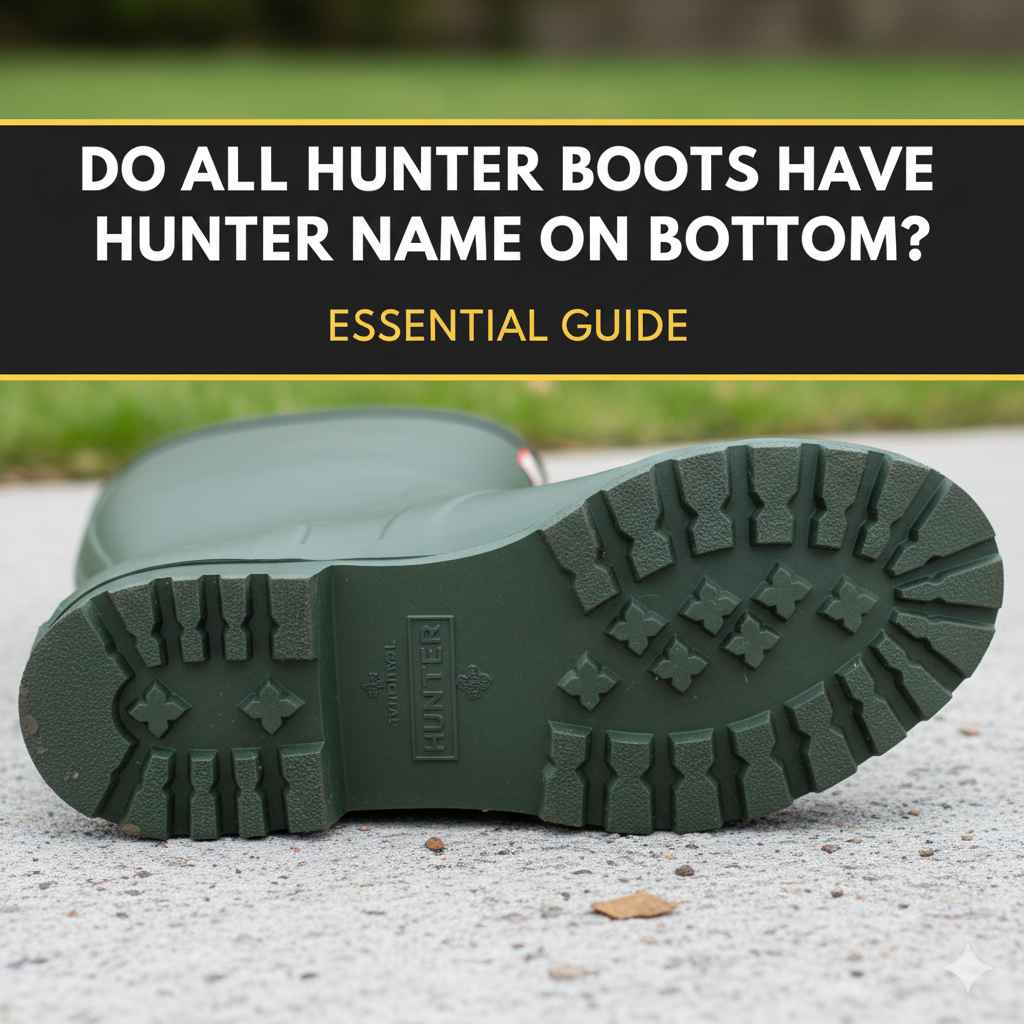
No, not all Hunter boots have the “Hunter” name printed directly on the very bottom sole. While many do, older models or specific limited editions might feature the logo or name on the heel or in a less prominent place. Always check the heel and inside insole for branding. For more on this, see our guide on Do Christmas Tree Collars Go Around The Stand.
Unboxing Your Hunter Boots: Where’s the Name? An Essential Guide
So, you’ve got your new pair of iconic Hunter boots, or perhaps you’re eyeing a pre-loved pair and wondering about their authenticity. A common question that pops up is: “Do all Hunter boots have the Hunter name on the bottom?” It’s a fair question, especially when you’re checking for genuine details. Sometimes, you look down at the rubber sole, expecting to see that familiar brand name etched into the tread, and it’s either missing or not where you anticipated. This can leave you scratching your head and even a little worried. Don’t fret! This guide is here to clear up all the confusion. We’ll walk you through where you can expect to find the Hunter branding on their boots, so you can feel confident about what you own or are looking to buy.
The Hunter Boot Brand: A Quick Look
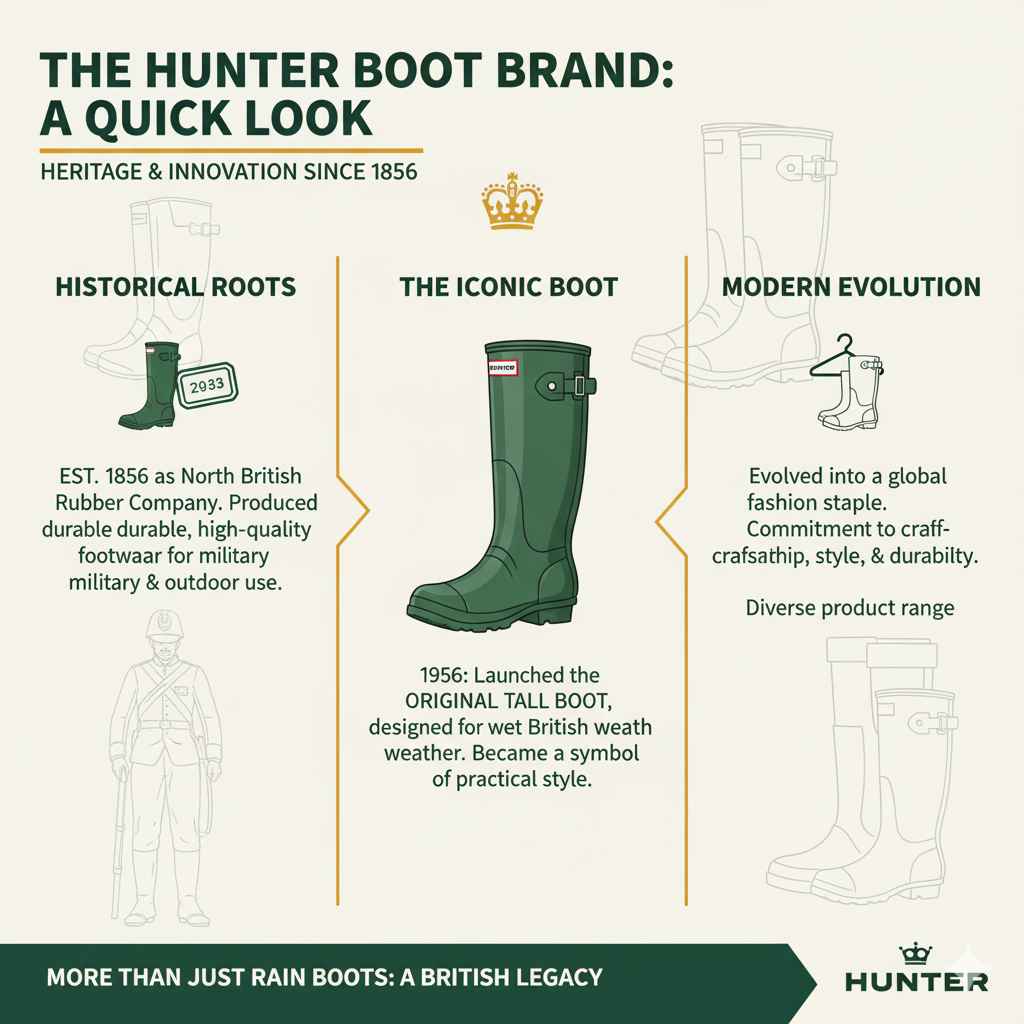
Hunter boots are more than just rain boots; they’re a British heritage brand with over 160 years of history. Initially established as the North British Rubber Company in 1856, they became synonymous with durable, high-quality footwear, especially for outdoor and military use. It wasn’t until 1956 that they launched their most famous product: the Original Tall Boot, designed for wet British weather. The brand has since evolved, maintaining its commitment to craftsmanship and style, becoming a fashion staple as well as a practical necessity.
Where to Find the Hunter Logo: A Comprehensive Check
The placement of branding on any product, especially footwear, can change over time with different manufacturing runs, model updates, and even regional variations. Hunter is no exception. While the “Hunter” name is a key identifier, its exact location isn’t always fixed to just one spot on every single boot ever made.
The Outsole (The Very Bottom)
This is often the first place people look. Many modern Hunter boots do feature the “Hunter” name or logo subtly embossed into the rubber of the outsole, particularly on the heel area of the sole. However, this isn’t a universal rule. The tread pattern on the bottom is primarily designed for grip, so branding here is often secondary. Some designs might have a small logo, others might have the full name, and some might not have any visible branding on the very bottom tread at all. It depends on the specific model and the year it was produced.
The Heel Counter (The Back of the Boot)
One of the most consistent places to find Hunter branding is on the back of the boot, along the Achilles curve or on a rubber tab at the top of the heel. This is often a distinctive red tab with the Hunter logo and name printed in white. While this is very common, its presence can also vary slightly on different boot styles and generations.
The Insole (Inside the Boot)
Lift your foot out, or look down into the boot if you can. Many Hunter boots have the brand name and logo printed or stamped onto the insole, the removable or non-removable insert that your foot rests on. This is another reliable place to find verification of authenticity, often featuring the “Hunter” wordmark and sometimes a reference to the boot’s model, like “Original.”
The Tongue (Inside the Boot)
Occasionally, you might find a label or embossed branding on the underside of the boot’s tongue, the flap that sits under the laces on traditional boots (though Hunter’s iconic boots are often laceless). This is less common for their classic welly designs but can appear on other styles.
Exterior Straps and Buckles
Some Hunter boot models feature adjustable straps around the calf or ankle. These straps, or the buckle hardware itself, might occasionally bear the Hunter logo or name. This is more typical of newer or more fashion-oriented designs.
A Table of Common Branding Locations on Hunter Boots
To make it even clearer, let’s summarize the most common places you’ll find the Hunter name or logo. Remember, this can vary, but these are your best bets for verification.
| Location | Typical Branding | Notes |
|---|---|---|
| Outsole (Bottom Tread) | Embossed “Hunter” name or logo | Most common on the heel; not always present or may be subtle. |
| Heel Counter (Rear Exterior) | Red tab with white “Hunter” logo and name | Very common on Original Tall boots; can vary in style. |
| Insole (Inside Footbed) | Printed “Hunter” name and logo | A consistent place to check for authenticity. |
| Exterior Strap/Buckle | Embossed logo or name on hardware or strap | Found on specific models; adds a design detail. |
| Tongue (Inside) | Label or embossed mark | Less common on classic wellies, more so on lace-up styles. |
Why the Variation? Understanding Hunter’s Evolution
Product design and branding are not static. Hunter has been producing boots for a very long time, and like any major brand, they have gone through several iterations of their product lines:
- Model Updates: Over the decades, Hunter has updated the design of its iconic boots. These updates can include changes to the sole pattern, the addition of new features, and, consequently, shifts in branding placement.
- Manufacturing Processes: Different manufacturing techniques and molds are used to produce footwear. The way the sole is molded or attached can influence where branding can be effectively and durably applied.
- Collection Variations: Hunter releases various collections throughout the year, including seasonal colors, limited editions, and collaborations. These special editions might have unique branding elements or placements to differentiate them.
- Authenticity and Counterfeits: Sadly, popular brands attract counterfeiters. Sometimes, the branding on a fake boot might be missing or misplaced simply because it wasn’t replicated accurately. This makes knowing the typical spots for genuine branding even more important. The official Hunter website is a great resource for understanding their current product lines and branding (https://www.hunterboots.com/).
Tips for Authenticating Your Hunter Boots
If you’re concerned about whether your Hunter boots are genuine, here are a few extra things to look for, beyond just the name on the bottom:
- The Rubber Quality: Genuine Hunter boots are made from high-quality, flexible natural rubber. They should feel substantial but not overly stiff or plasticky.
- The “Hunter” Logo Font: Pay attention to the font used for the “Hunter” name. Counterfeits often get this wrong, with incorrect spacing, thickness, or style.
- The Red Tab: The iconic red tab on genuine Hunter boots is usually well-made, with crisp printing and securely attached.
- Construction Details: Look for neat seams, well-finished edges, and consistent color.
- The Buckle and Straps: If your boots have adjustable straps, the buckle hardware should feel solid and look well-finished.
- Smell: Genuine rubber boots often have a distinct, not unpleasant, rubber smell. An overpowering chemical smell can be a red flag.
Spotlight: The Hunter Original Tall Boot
The most recognizable Hunter boot is the Original Tall Boot. For this classic model, you’ll very frequently find:
- The distinctive red tab with “Hunter” branding on the back of the shaft.
- The “Hunter” name subtly embossed on the heel portion of the outsole.
- The “Hunter” logo and name printed on the insole.
While this is the most common setup, remember that even within the Original Tall line, there can be slight variations depending on the production year. For instance, older versions might have a slightly different outsole tread pattern compared to newer ones, potentially affecting the branding visible on the very bottom.
Hunter Boots: A Variety of Styles and Branding
Hunter isn’t just about one style of boot. They offer a wide range of footwear, and branding can vary across them:
| Boot Style Category | Common Branding Locations | Potential Variations |
|---|---|---|
| Original Tall/Short | Heel outsole, rear red tab, insole | Minor outsole pattern changes over years; some limited editions may differ. |
| Refined Boots | Insole, rear heel (tab or embossed), outsole (less common) | Often more minimalist branding on the sole; focus on sleeker design. |
| Play Boots (e.g., Play Short Boot) | Insole, tongue label, sometimes small logo on heel or outsole | Branding might be more modern or subtle to match the youthful design. |
| Yard & Field Boots | Insole, tongue, sometimes outsole | Practical focus; branding integrated into functional design elements. |
| Commando Sole Boots | Insole, heel counter, possibly outsole | Rugged designs might have more pronounced, but not always visible, outsole branding. |
External Resources for Boot Care and Information
To keep your Hunter boots in top condition, referring to official care guides is essential. Proper maintenance can extend their life and preserve their appearance. The UK government provides excellent advice on material care and product longevity, which can be broadly applied to high-quality rubber footwear. For specific Hunter boot care, you can often find detailed instructions on textile and footwear care sites, or directly from the manufacturer. For instance, understanding how to clean and store rubber boots can prevent cracking and maintain their water-resistant properties. You can often find such practical guides from institutions like the Victoria and Albert Museum, which offers insights into caring for various materials, including those used in footwear.

Frequently Asked Questions (FAQ)
Are all Hunter boots made of natural rubber?
Most of Hunter’s iconic boots, like the Original Tall, are crafted from natural vulcanized rubber. However, some newer or specialized styles might incorporate synthetic materials for specific performance benefits. Always check the product description for the most accurate material information.
What if my Hunter boots have no name on the very bottom sole?
This is perfectly normal for many Hunter models. As long as you find the “Hunter” name or logo on the insole, the heel counter (usually a red tab), or other consistent branding points, your boots are likely genuine. The outsole’s primary purpose is traction, so branding is often secondary or absent.
Can the red tab on the back of Hunter boots come off?
Yes, while durable, the red tab can potentially detach over time with heavy wear or if damaged. If you have boots with a missing tab but otherwise check out as authentic, they are likely still genuine Hunter boots.
How can I tell if my Hunter boots are fake?
Look for inconsistencies in logo font, poor quality rubber, sloppy construction, or a strong chemical smell. Compare your boots to images on the official Hunter website and check for the expected branding locations. If a deal seems too good to be true, it often is.
Do vintage Hunter boots have different branding?
Yes, vintage Hunter boots can have different branding placements and styles compared to modern ones. Older models might have the name embossed differently on the sole or have a different tag on the heel. Authenticating vintage pairs often requires comparing them to known vintage examples.
Where is the best place to buy authentic Hunter boots?
Always buy directly from the official Hunter Boots website (https://www.hunterboots.com/) or from authorized retailers. Be wary of third-party online marketplaces unless the seller is clearly an authorized dealer, as they are more prone to counterfeit goods.
Conclusion: Confidence in Your Hunter Boots
In summary, while many Hunter boots do feature the brand name on the bottom sole, it’s not a universal guarantee. The presence and placement of the “Hunter” logo can vary based on the boot’s model, its manufacturing year, and the specific collection it belongs to. The most reliable places to look for branding are the heel counter (often a red tab), the insole, and, sometimes, subtly on the outsole. By checking these key areas and considering the boot’s overall quality and construction, you can confidently determine the authenticity and origin of your Hunter boots. So, the next time you’re admiring your wellies, take a moment to explore all the places that beautiful branding might be hiding. Happy hoofing!