Do Bows Creak When You String Them: Best Proven Tips
A bow creaking when you string it is often a sign of friction, not damage, especially for new bows or those stored in fluctuating temperatures. The most common causes are dry limb pockets, riser-to-limb interfaces rubbing, or an improperly used bow stringer. While usually harmless, a loud, sharp snap or crack indicates potential structural failure. Use the proven tips below—especially proper lubrication and a slow, correct stringing technique—to silence your bow and ensure safety. For more on this, see our guide on Do Magnetic Field Lines Point North to South? Explained Simply. For more on this, see our guide on Do Electric Field Lines Point Away From Positive Charge.
Welcome, fellow archers! I’m Salman Arfeen, and if you’ve recently tried to string your bow only to hear a dreadful, worrisome noise, you are definitely not alone. That little grunt, squeak, or full-blown creak is one of the most common—and frustrating—sounds a beginner hears.
Hearing your equipment make an unsettling noise can instantly shatter your confidence. Does it mean the bow is about to break? Did you string it wrong? Is it safe to shoot?
Don’t panic! In most cases, that noise is a simple fix. We’re going to walk through exactly why your bow is making noise when you string it, how to diagnose the source, and the best, proven tips to silence your bow permanently. Let’s make your next stringing experience smooth, quiet, and stress-free.
Understanding the Creak: Why Your Bow Sounds Worried


When you string a traditional recurve or longbow, you are applying massive stress to the limbs and the riser. The noise you hear is generally caused by friction between two parts that are suddenly being jammed or stressed together.
It’s important to understand the three main categories of creaking noise, as the solution depends entirely on the source.
Category 1: The Friction Creak (The Harmless Noise)
This is the most frequent type of noise, especially with modern takedown recurves. It sounds like a dry, rubbing, or low squeak. It’s caused by parts moving against each other without adequate cushioning or lubrication.
The Main Sources of Friction Noise:
- Limb Pockets: This is the area where the limb tips slot into the riser (handle). If these pockets or the limb butts are dry, they will rub vigorously under pressure.
- Tiller Bolts: These are the large bolts holding the limbs to the riser. If they are slightly loose or dry, they can turn or shift minutely as the bow is drawn tight, creating friction between the metal and the riser material.
- New Materials Settling: If you have a brand-new bow, the composite materials (fiberglass, wood laminate) might be settling into place. This usually resolves itself after 50–100 shots.
Category 2: The Wood or Material Creak (Environmental Stress)
If you have a traditional wooden longbow or a high-end laminated recurve, the wood itself can be the source of the noise. Wood expands and contracts significantly based on temperature and humidity.
A creak from the wood often means the glue joints or the laminations are adjusting to rapid environmental changes—for instance, taking a bow from a cold car into a warm home.
Category 3: The Danger Creak (Safety Concern)
This is the noise you must watch out for. A sharp, loud, cracking, or snapping sound, especially if it happens rapidly while stringing, means structural failure. This could indicate a splinter in the limb, a failure of a glue line, or a crack forming near the limb tip.
If you hear a snap or crack, immediately unstring the bow and inspect the limbs fully before attempting to shoot. Do not proceed until you confirm the bow is safe.

Safety First: Always Use a Bow Stringer
Before we dive into the silencing tips, we must emphasize the correct way to string your bow. Improper stringing technique—especially the dangerous “step-through” or “push-pull” methods—puts immense, uneven stress on the limbs. This is not only a major safety hazard but also the primary cause of creaking and irreversible limb damage in new archers.
The only safe, proven method for stringing a recurve or longbow is by using a dedicated bow stringer tool. This tool distributes the pressure evenly and minimizes torsion (twisting) on the limbs.
The Essential Step-by-Step for Safe Stringing:
- Check the Stringer: Ensure the stringer is in good condition, and the leather or rubber cups fit securely over the limb tips.
- Position the Bow: Place the bottom loop of the actual bowstring onto the lower limb tip (the bottom nock).
- Attach the Stringer: Place the smaller cup or saddle of the stringer over the lower limb tip, and the larger cup over the top limb tip.
- Step Down Gently: Place one foot on the middle of the stringer cord (or below the cord, depending on the design). Hold the riser (handle) firmly.
- Pull and Slide: Pull the riser gently upwards while lifting the bowstring loop with your other hand. The limbs should flex evenly. Once there is enough slack, slide the top loop of the bowstring into the nock groove.
- Release Slowly: Slowly ease the pressure off the stringer. Listen carefully as the bow comes into tension.
If the bow creaks during the release, the friction points are likely in the limb pockets or riser.
We need to address these friction points directly.
The Best Proven Tips to Silence a Creaking Bow
Silencing your bow is mostly a matter of thorough inspection and applying the right lubricant to the right place. Follow these steps, starting with the simplest solutions first.
Tip 1: Isolate the Friction Point with Inspection
Before applying anything, try to pinpoint exactly where the noise is coming from. Use a partner if possible, and have them gently tension the bow stringer while you listen closely.
Common Creaking Locations and Their Symptoms:
| Location of Creak | Symptom/Sound | Likely Cause | Immediate Fix |
|---|---|---|---|
| Near the Riser/Handle | Dry grinding, squeaking when loading | Dry limb pockets or loose tiller bolts | Lubrication/Tightening |
| Mid-Limb | Faint cracking, low settling sound | Environmental changes, material settling | Slow Stringing/Warm-up |
| Limb Tips/Nocks | Rubbing or clicking when stringing | Bowstringer cup rubbing the limb surface | Adjust stringer position |
Tip 2: Lubricate the Limb Pockets and Joints
The biggest source of creaking in takedown bows is metal-on-wood or metal-on-fiberglass friction where the limbs meet the riser. This area needs mild lubrication.
Recommended Lubricants:
- Chapstick or Lip Balm (Unscented): This is the go-to, beginner-friendly solution. It’s waxy, non-toxic, and creates a perfect barrier.
- Silicone Grease/Paste: Excellent for metal components (like tiller bolts) that need to move slightly without seizing.
- Bee’s Wax: Traditional and effective, especially for wooden recurves.
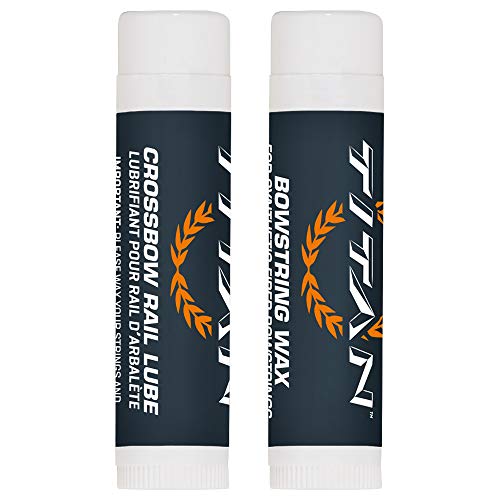
- Bowstring Wax: While primarily for the string, a tiny amount rubbed into the limb pocket interface works well.
Application Steps:
- Unstring the Bow: Remove the bowstring entirely.
- Remove Limbs (Takedown Bows): Carefully unscrew and remove the limbs from the riser.
- Clean the Surfaces: Wipe down the limb pockets (the slots in the riser) and the limb butts (the end of the limb that goes into the pocket) with a dry cloth to remove dirt or debris.
- Apply Lubricant: Using a cotton swab or your finger, apply a thin, even layer of your chosen lubricant (Chapstick or silicone grease) to the contact surfaces. Focus on the metal bushings and the wood/fiberglass surfaces of the limb butt.
- Reassemble and Test: Reattach the limbs and tighten the tiller bolts securely (but do not overtighten). String the bow slowly using the stringer and listen for improvement.
I find that a quick swipe of basic, unscented lip balm on the metal bushings often makes a huge difference. For more information on safe maintenance practices, you can review resources provided by trusted archery organizations like the World Archery Federation’s equipment guides.
Tip 3: Check and Secure the Tiller Bolts
If the creak sounds metallic and seems to come from the connection point itself, the tiller bolts might be the culprit. These bolts must be snug to prevent movement under tension.
Tiller Bolt Best Practices:
- Tightness: Ensure both bolts are tightened down completely (often hand-tight plus a quarter turn) unless you are deliberately adjusting the tiller or poundage, in which case they must be locked off with the locking screws/washers if your bow has them.
- Lubrication: If the bolt threads are dry, they can creak as they settle. Apply a tiny amount of silicone grease to the threads and the washer contact points.
- Consistency: Make sure the bolts are adjusted equally, ensuring the limbs are seated identically and evenly into the riser. Uneven bolt settings can cause uneven loading and noise.
Tip 4: Address Noise from Wood and Laminations
If you have a traditional, glued wood bow (like a hunting longbow), the creak is likely related to moisture content.
Wood absorbs and releases moisture, causing micro-movements in the joints. This is especially true in bows that rely on lamination (multiple layers glued together) or are stored poorly.
Solutions for Wood Creaking:
- Humidity Control: Store your bow in a climate-controlled area, away from direct sunlight, radiators, or damp basements. Consistent humidity (around 45–55%) is ideal for natural materials.
- Warm-Up Slowly: If you are taking a bow from a cold environment to a warm one (or vice versa), let it sit for 15–30 minutes before stringing it. Rapid temperature changes put stress on the wood grain and glue joints, leading to creaking or even cracking.
- Wax the Surface: Applying a specialized wood wax or renaissance wax to the bow limbs can help regulate moisture absorption, preventing the rapid swelling and shrinkage that causes settling noises.
For detailed, expert advice on maintaining wood bow integrity and preventing environmental noise, it is helpful to consult resources focusing on wood preservation, such as guides provided by the U.S. Forest Service’s Forest Products Laboratory, which detail how moisture affects wood density and stability.
Troubleshooting Table: When to Worry and When to Just Lubricate
It’s essential to distinguish between a common friction noise and a serious structural issue. Use this guide to determine if your bow needs a simple solution or a trip to a professional bowyer.
| Sound Description | When It Occurs | Severity Level | Recommended Action |
|---|---|---|---|
| Faint Squeak/Rubbing (Dry friction sound) | During the stringing process, stopping once fully strung. | Low (Normal friction) | Lubricate limb pockets/bolts. |
| Dull Pop/Settling Noise | Immediately after the bow reaches full tension. | Low to Medium (Material settling/adjustment) | Monitor. Check tiller bolt tightness. Ensure slow stringing. |
| Loud, Sharp Snap/Crack | During stringing, followed by limb distortion or obvious crack. | High (Structural failure) | Immediately unstring. Do NOT shoot. Take to a professional bowyer for repair or disposal. |
| Clicking Noise | Usually occurs when drawing the bow, not stringing it. | Medium (Likely loose hardware) | Check stabilizers, rest bolts, sight screws. Tighten everything. |
Advanced Maintenance for a Silent Bow
Preventing the creak is easier than fixing it. Incorporate these routine maintenance steps into your archery schedule to ensure your equipment remains in top condition and always performs silently.
Focus on the Stringer Contact Points
Sometimes, the creaking isn’t the bow at all—it’s the bow stringer itself. The leather cups or rubber saddles on the stringer can get dry or stiff, causing them to drag or rub loudly against the smooth surface of the bow limb as it slides down.
- Condition the Stringer: Apply leather conditioner to the leather cups of your stringer if they are dry. If they are rubber or plastic, a light dusting of talcum powder or a slight application of silicone spray can reduce friction on the limb surface.
- Check for Debris: Ensure no grit or dirt is trapped between the stringer cup and the limb surface before you string the bow. Even a small piece of sand can create a loud, grinding noise.
Regular Lubrication Schedule
Consistency is key. Follow this simple schedule, especially if you shoot frequently or live in an area with high temperature fluctuations.
| Component | Frequency | Recommended Lubricant | Purpose |
|---|---|---|---|
| Limb Pockets & Butts | Every 1–3 Months | Chapstick / Silicone Grease | Reduce friction between moving parts. |
| Tiller Bolt Threads | Every 6 Months | Silicone Grease (Small amount) | Ensure smooth, quiet adjustment and prevention of rust. |
| Bow Stringer Cups | As needed (when dry) | Leather Conditioner / Talcum Powder | Prevent friction and dragging noise on the limbs. |
| Wood Bow Surface (Traditional) | Every 6–12 Months | Wood Wax / Renaissance Wax | Seal wood, regulate moisture, prevent material settling noise. |
The Importance of Storage
A silent bow is a bow that is happy and relaxed. Proper storage prevents unnecessary stress and material movement.
Always store your bow unstrung. This is especially crucial for traditional and wooden bows. Storing a bow strung puts continuous tension on the limbs and glue joints, leading to fatigue, warp, and increased likelihood of material noise when you do string it later.
- Keep the bow vertically or horizontally flat.
- Use a soft bow sock or case to protect it from dust and sudden temperature changes.
- Never store it leaning against a wall on one tip, as this can induce a twist in the limbs (torsion), leading to creaks, clicks, and poor accuracy.

FAQ: Your Beginner Questions Answered
As your archery coach, I know you have questions about equipment safety and noise. Here are the answers to the most common worries I hear from beginners.
Q1: Is it normal for a brand-new bow to creak when I first string it?
Yes, this is very common. New bows, especially takedown recurves, often have tight manufacturing tolerances. The materials (fiberglass, wood, metal bushings) need time to settle and seat themselves fully into the riser pockets. A slight creak or settling noise during the first few stringing sessions is usually normal and should dissipate after you apply light lubrication (like Chapstick) to the contact points.
Q2: Can I use WD-40 or similar oils instead of specialized grease?
No. Avoid using general-purpose penetrating oils like WD-40 or automotive oil. These products can sometimes penetrate wood laminations and cause the glue to weaken, or they might attract dirt and grit into the limb pockets, making the noise worse. Always stick to recommended lubricants: bow wax, unscented lip balm, or specialized silicone grease.
Q3: I hear a noise when I draw the bow, but not when I string it. What is that?
If the noise occurs only when pulling the string back (drawing), the source is almost certainly loose accessories. Check everything attached to the riser: the sight pins, the arrow rest bolt, the stabilizer, and any clicker plates. A slight turn of a loose screw can eliminate 99% of drawing noises.
Q4: How tight should the tiller bolts be?
Tiller bolts should always be tightened securely enough to prevent any vertical or lateral movement of the limb butt in the pocket. If you are not adjusting your draw weight, tighten them firmly by hand, and ensure the locking screws (if your model has them) are engaged. Any looseness invites friction and creaking.
Q5: If my bow is wooden, does the creaking mean it’s warped or damaged?
Not necessarily. A quiet, low creak in a wood bow usually indicates a reaction to humidity or temperature changes. The wood is moving slightly. Damage usually presents as a sudden, loud crack or splintering. If you suspect warp, lay the bow flat and sight down the length of the limbs to check for visible twists or bends.
Q6: Why is using a bow stringer essential for preventing creaking?
Improper stringing methods (like the step-through) apply severe lateral torque (twisting force) to the limbs. This twisting forces the limb butts to grind and shift violently in the riser pockets, causing loud creaks and permanent stress damage. The stringer applies force axially (straight along the line of the limbs), minimizing friction and torsion, leading to a quiet, safe stringing process.
Conclusion: Silence and Confidence
Hearing your bow creak when you string it can be alarming, especially when you are new to archery and focused on safety and form. But remember the key takeaway: in most cases, that noise is simply friction, begging for a little lubrication.
By using the correct bow stringer technique, spending five minutes inspecting and lubricating the primary contact points—the limb pockets and tiller bolts—you can quickly and safely eliminate that worrisome noise. A quiet bow isn’t just a sign of better maintenance; it’s a sign of a healthier bow and a more confident archer.
Keep your equipment clean, keep those joints lightly waxed, and practice stringing slowly and evenly. You’ll find that silence quickly returns, leaving you free to concentrate on the joy of the shot.
Now go ahead, silence that creak, and hit the range!