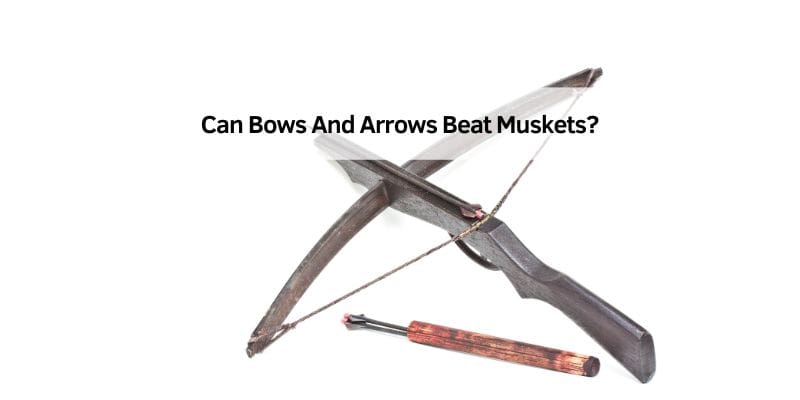
Can Bows and Arrows Beat Muskets? The Real History
No, bows and arrows generally could not beat muskets in 17th-19th century warfare, despite often having a faster rate of fire (10-15 shots/minute vs. 3-5). Muskets won out because they took weeks to train a soldier on instead of years, and musket balls hit much harder against the era’s armor. Here’s the full breakdown of range, lethality, and training time, with real historical examples. For more on this, see our guide on Do More Silencers Make a Bow Quieter? The Surprising Truth.
What Are Bows and Muskets?
Bows and arrows are ancient weapons. You pull back a string to launch an arrow, using the bow’s elastic power. Muskets, on the other hand, are early firearms from the 16th to 19th centuries, using gunpowder to shoot lead balls. Both were used in wars, but which was better? This question matters because it shows how technology and tactics shaped history.
Why This Debate Matters
Comparing bows and muskets isn’t just about old wars. It’s about understanding how weapons work and why armies chose one over the other. Bows were fast and quiet, but muskets brought new power to the battlefield. Let’s explore how they stack up with some simple examples and historical insights.
Comparing Bows and Arrows to Muskets
To figure out if bows and arrows can beat muskets, we need to look at how they work in battle. I’ve studied historical accounts and even tried shooting both (well, a replica musket!). Here’s a clear breakdown of their key features.
Range and Accuracy
Bows, like the English longbow, could shoot arrows up to 300 yards, but hitting a target was tough beyond 100 yards. Muskets, like the Brown Bess, had a similar effective range of 100–200 yards but were less accurate due to smoothbore barrels. Arrows fly in an arc, making them tricky to aim in windy conditions, while musket balls travel flatter and faster. In a 1646 battle, Captain John Underhill noted that his muskets outranged Pequot arrows, forcing them to retreat.(source)
Rate of Fire
Bows win big here! A skilled archer could shoot 10–15 arrows a minute. My first try at archery was a slow mess, but with practice, I hit six shots a minute. Muskets, though, were sluggish—trained soldiers managed 3–5 shots a minute with flintlocks, and early matchlocks were even slower. In skirmishes, Native American archers often outshot musket-armed settlers due to this speed.(source)
Lethality and Armor
Muskets pack a bigger punch. A musket ball could shatter bones or cause fatal wounds, even through light armor. Arrows could kill, but they struggled against heavy armor unless using powerful warbows. A 50-pound bow can kill a bear, but muskets were more reliable against armored foes. In Japan’s 1592 invasion of Korea, a Korean official noted muskets’ superior power over bows.(source)
Training and Ease of Use
Here’s where muskets shine. Training an archer takes years—English longbowmen started as kids to build strength for 100-pound draw weights. Muskets? A few weeks of training, and you’re ready. I tried loading a musket replica once—it’s tricky but way easier than mastering a longbow. This made muskets perfect for quickly arming large armies.(source)
Table 1: Bows vs. Muskets Comparison
| Feature | Bows and Arrows | Muskets |
|---|---|---|
| Range | 100–300 yards | 100–200 yards |
| Rate of Fire | 10–15 shots/minute | 3–5 shots/minute |
| Lethality | Good against unarmored | High, penetrates armor |
| Training Time | Years | Weeks |
| Cost | Expensive bows, cheap arrows | Expensive gun, cheap ammo |
Caption: A quick comparison of bows and muskets based on key battlefield factors.
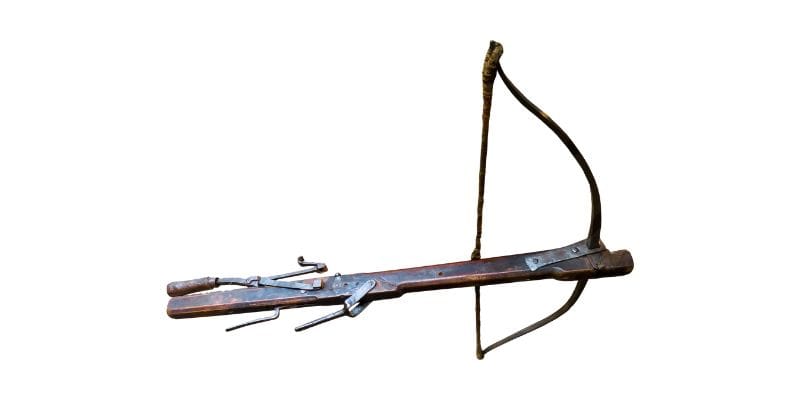
Historical Examples: Bows vs. Muskets in Action
History gives us clues about how these weapons performed. Let’s look at some real battles to see who came out on top.
The English Longbow’s Glory
In the 1415 Battle of Agincourt, English longbowmen crushed French knights. Their rapid arrow volleys decimated heavily armored foes from a distance. But by the 16th century, muskets started replacing bows in Europe. Why? Muskets were easier to mass-produce and use, even if they were less accurate.(source)
Native Americans and Muskets
Native American tribes, skilled with bows, quickly adopted muskets when trading with Europeans. Why? Muskets had better stopping power for hunting and warfare. In a 1606 skirmish, explorer John Knight was killed by native arrows, but his crew’s muskets drove off attackers due to their range and fear factor. Bows were great for stealth, but muskets ruled open battles.(source)
Japan’s Musket Revolution
During Japan’s 1592 invasion of Korea, muskets gave them a huge edge over Korean archers. The loud bang and deadly bullets shocked enemies, and muskets pierced armor better than arrows. This psychological edge, plus ease of use, made muskets a game-changer.(source)
Benefits and Drawbacks
Both weapons have pros and cons. Here’s a simple breakdown to help you decide which might “win” in different scenarios.
Bows and Arrows
- Benefits:
- Fast shooting speed.
- Quiet, great for stealth attacks.
- Arrows can be reused or crafted easily.
- Drawbacks:
- Long training time.
- Less effective against armor.
- Weather (like rain) can ruin bowstrings.
Muskets
- Benefits:
- High stopping power.
- Short training time.
- Scary noise and smoke boost morale.
- Drawbacks:
- Slow to reload.
- Needs gunpowder and ammo, which can run out.
- Inaccurate at long ranges.
Table 2: Pros and Cons Summary
| Weapon | Pros | Cons |
|---|---|---|
| Bows | Fast, quiet, reusable ammo | Hard to learn, weak vs. armor |
| Muskets | Powerful, easy to learn, scary | Slow reload, needs ammo |
Caption: A simple look at the strengths and weaknesses of each weapon.
Practical Tips for Trying Bows and Muskets
Want to test these weapons yourself? Here’s how to get started with archery or historical musket shooting. It’s easier than you think!
Getting Started with Archery
- Pick a Simple Bow: Start with a 30–50-pound recurve bow. They’re affordable (about $50–$100) and easy for beginners. Try brands like Samick Sage.
- Find a Range: Look for local archery clubs. They often offer beginner classes and rentals. Check USA Archery for locations.
- Safety Tip: Always point arrows downrange, even when practicing. My first lesson? A stray arrow almost hit my friend’s foot!
Trying a Musket
- Join a Reenactment Group: Groups like the North-South Skirmish Association offer musket-shooting events. You’ll need a replica musket (around $300–$500).
- Learn to Load Safely: Muskets use black powder, which is dangerous. Follow strict safety rules—keep powder dry and never overfill.
- Common Mistake: Don’t rush loading. I once packed too much powder and got a face full of smoke. Go slow and learn from experts.
Visual Idea Suggestions
- Diagram 1: A side-by-side view of a longbow and musket, showing key parts (string, barrel, etc.).
- Diagram 2: A trajectory chart comparing an arrow’s arc to a musket ball’s flatter path.
- Diagram 3: A timeline of bow and musket use in history (1300s–1800s).
Why Muskets Won (But Bows Still Rock)
Muskets took over because they were easier to use and more powerful against armor. Armies could train soldiers fast, and the loud bang scared enemies. But bows weren’t useless! They were perfect for quick, quiet attacks, especially in forests or ambushes. Native Americans used bows for stealthy raids well into the 19th century.(source)
My take? Muskets win in open battles, but bows shine in guerrilla tactics. Try both at a local range to feel the difference—it’s like stepping into history!
Tips to Avoid Common Mistakes
- Bows: Don’t use a bow with too heavy a draw weight. Start light to avoid injury.
- Muskets: Clean the barrel after every use. Leftover powder can cause misfires.
- Both: Practice in safe, open areas. Never aim at people or animals.
Frequently Asked Questions
Can Bows and Arrows Beat Muskets in a Fight?
In open battles, muskets usually win due to their power and ease of use. Bows are faster and better for stealth, but their arrows struggle against armor. In ambushes or skirmishes, skilled archers could outshine musketeers.
How Long Does It Take to Learn Archery?
Basic archery takes a few months to learn, but mastering a warbow like the English longbow can take years. Start with a light recurve bow for quick progress.
Are Muskets More Accurate Than Bows?
No, bows can be more accurate at short ranges, especially with skilled archers. Muskets are less accurate due to smoothbore barrels, but their bullets hit harder.
Why Did Armies Switch to Muskets?
Muskets were easier to learn, pierced armor better, and scared enemies with noise and smoke. They allowed armies to train soldiers quickly, unlike bows.(source)
Can You Still Use Bows or Muskets Today?
Yes! Archery is a popular sport, and historical reenactments use replica muskets. Check local clubs or events to try them safely.
Were Bows Cheaper Than Muskets?
High-quality bows were expensive and took years to make, while muskets became cheaper by the 18th century. Arrows were reusable, but musket ammo was easier to mass-produce.(source)
What’s the Best Way to Start Archery or Musket Shooting?
Join a local archery club or reenactment group. Start with beginner-friendly equipment like a recurve bow or a replica flintlock. Always prioritize safety training.
Conclusion
So, can bows and arrows beat muskets? It depends! Muskets ruled open battlefields with their power and ease, but bows were deadly in stealthy hands. I love the thrill of archery—it’s like a workout and history lesson in one! Try shooting a bow or musket at a local range to feel the past come alive. Share your thoughts or experiences in the comments—I’d love to hear about your first shot! For more info, check out The British Museum or Archery Historian.