Can You Trade Arrows For Emeralds: Genius Strategy
The short answer is: No, you cannot directly trade arrows for emeralds in any real-world economic system. This idea is a concept found in certain video games, not a practical trading strategy in reality. For more on this, see our guide on Do House Sparrows Migrate? Surprising Facts You Should Know. For more on this, see our guide on Do Bow Fishing Boats Need A Generator.

As an Amazon Associate I earn from qualifying purchases.
Ever found yourself staring at a pile of arrows and wishing they could magically turn into something more valuable, like shiny emeralds? It’s a fun daydream, especially if you’ve been playing games where resources can be bartered for treasure. In the real world, however, this isn’t how things quite work. But don’t worry! While arrows don’t have a direct emerald exchange rate, understanding the value of your archery gear and skills can unlock surprising opportunities. Let’s explore what “trading arrows for emeralds” might really mean for an archer!
Unpacking the “Arrows for Emeralds” Idea
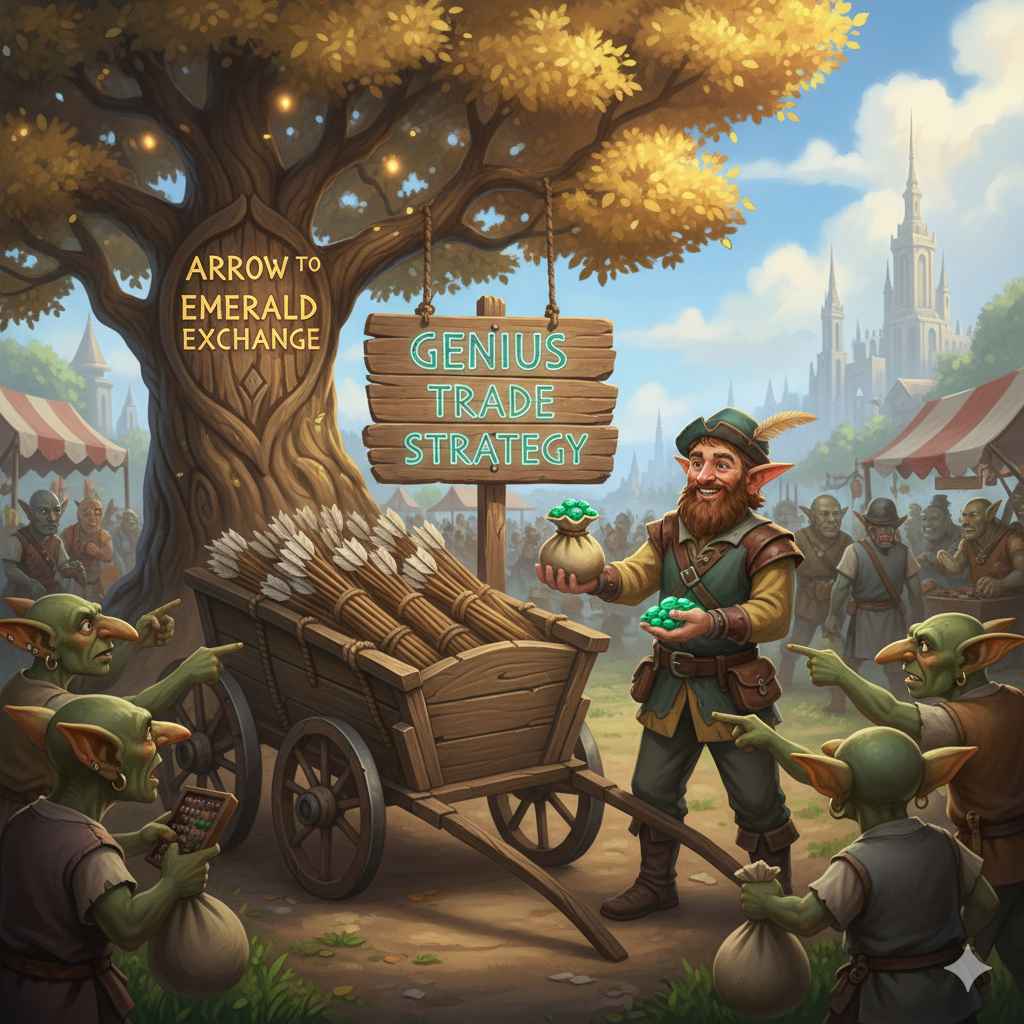
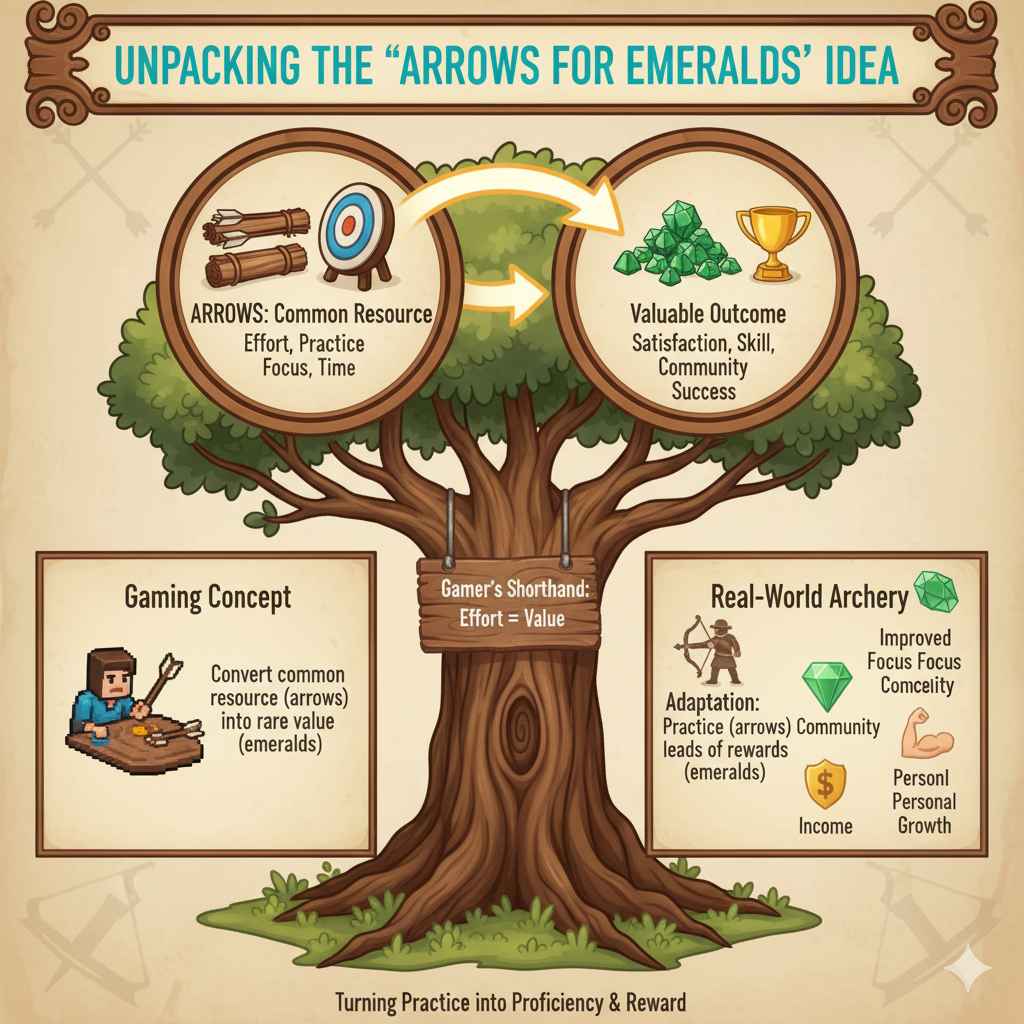
The phrase “trading arrows for emeralds” is a gamer’s shorthand, a metaphor for converting a common, often plentiful resource (arrows) into a rare, valuable one (emeralds). Think of it like this: you spend a lot of time and effort gathering materials to craft arrows, and in a game, this effort might directly translate into acquiring precious gems. It’s a clever way games represent resource management and value conversion.
In the context of real-world archery, we can adapt this concept. Instead of literal emeralds, we’ll explore how focusing on your archery practice (your “arrows”) can lead to valuable outcomes (“emeralds”). These “emeralds” could be anything from personal satisfaction and improved focus to potential income, community recognition, or even securing better equipment.
Why This Concept Resonates with Archers
Archery is a pursuit that demands patience, precision, and consistent practice. Each arrow you shoot is a form of investment – an investment of your time, your focus, and your physical effort. When beginners first start, they often shoot many arrows just to get the feel of the bow and understand the basics of aiming. This means accumulating a lot of “arrow usage” before they even hit the bullseye consistently.
This is where the frustration can creep in. You’re spending resources (arrows that wear out, targets, range time) and putting in effort, but the “valuable return” might feel distant. The idea of a direct, satisfying exchange – like trading your practice arrows for a tangible reward – is incredibly appealing. It speaks to the desire for progress and seeing the fruits of your labor.
The Real-World “Emeralds” for Archers
So, what are the real-world ‘emeralds’ that an archer can aim for by investing in their ‘arrows’ (their practice and skill)?
- Enhanced Focus and Mindfulness: Archery demands absolute concentration. Every shot requires you to be present, blocking out distractions. This heightened focus can spill over into other areas of your life, improving your ability to concentrate at work or in other tasks. This mental clarity is a valuable “gem.”
- Stress Relief and Relaxation: The rhythmic nature of drawing a bow, aiming, and releasing can be incredibly meditative. For many, it’s a powerful way to de-stress and disconnect from daily pressures. Mental well-being is a priceless emerald.
- Physical Fitness and Coordination: Archery engages core muscles, improves posture, and hones fine motor skills and hand-eye coordination. A stronger, more coordinated body contributes to overall health – a very valuable asset.
- Personal Accomplishment and Confidence: Nailing a difficult shot, improving your score, or mastering a new technique provides a profound sense of achievement. This boosts self-esteem and confidence, which are invaluable personal “gems.”
- Community and Social Connections: Archery clubs and ranges are often friendly communities. Sharing experiences, learning from others, and participating in friendly competitions can lead to lasting friendships and a sense of belonging. Social connection is a beautiful kind of emerald.
- Potential for Competition or Coaching: With enough dedication, your skills might lead you to competitive archery, earning recognition and potentially prizes. You could even become a coach, sharing your passion and earning an income – a very literal form of trading your archery expertise for something valuable.
- Better Equipment and Accessories: As you progress and your “investment” in archery proves its worth, you might qualify for or choose to invest in higher-quality bows, arrows, and accessories, enhancing your shooting experience even further. This is a direct upgrade, a tangible “emerald.”
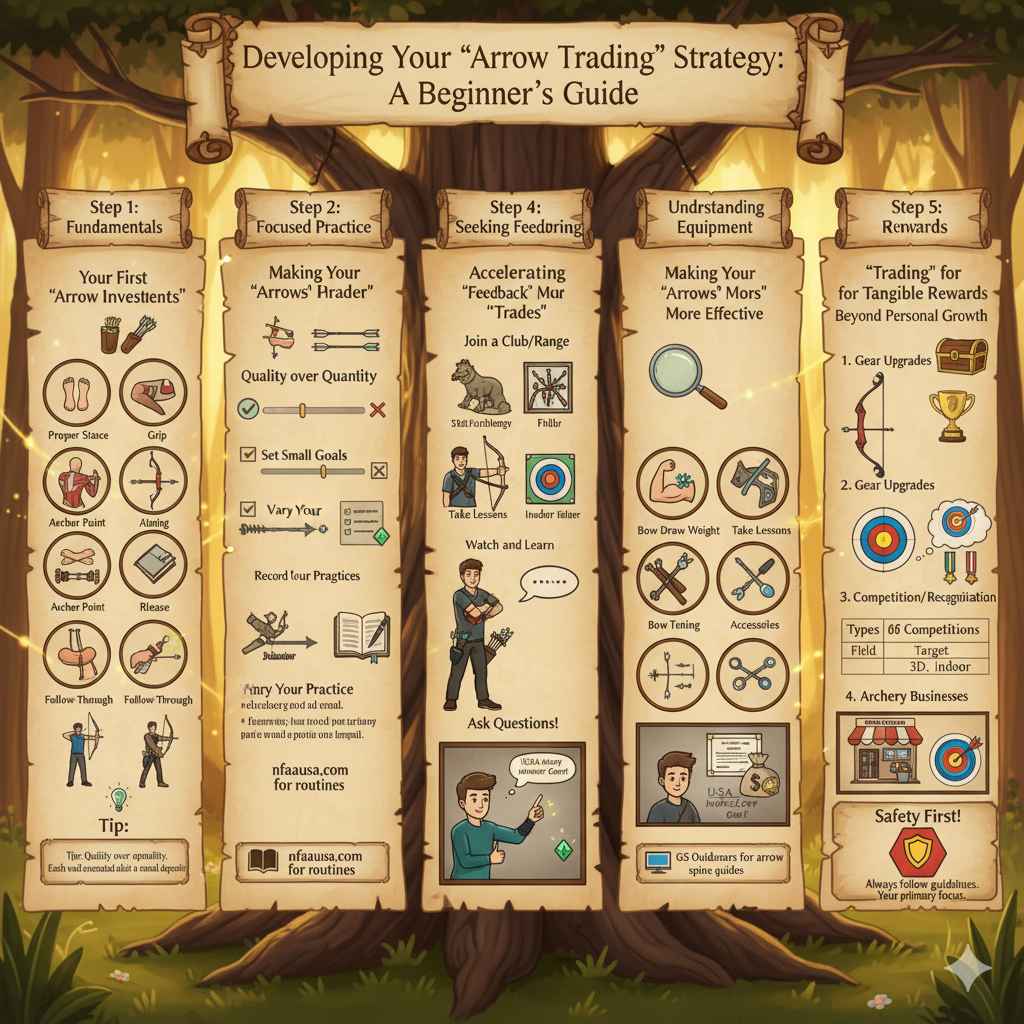
Developing Your “Arrow Trading” Strategy: A Beginner’s Guide
Let’s get practical. How can you, as a beginner, start “trading your arrows” effectively, even without literal emeralds at the end of the rainbow? It’s all about smart practice and understanding value.
Step 1: Master the Fundamentals – Your First “Arrow Investments”
Before you can trade anything, you need a solid foundation. This means focusing on the core archery techniques. Think of these as your initial, crucial investments.
- Proper Stance: Standing correctly allows for a stable base. Your feet should be about shoulder-width apart, with your weight balanced.
- Grip: Hold the bow lightly but securely. Too tight a grip can cause “torque,” affecting your shot.
- Drawing the Bow: Use your back muscles, not just your arms. This is crucial for power and consistency.
- Anchor Point: Consistently bringing your drawing hand to the same spot on your face each time ensures repeatable shots.
- Aiming: Whether using sights or instinctive aiming, develop a clear method.
- Release: A smooth, clean release is key to accuracy. Avoid “plucking” the string.
- Follow-Through: Maintain your form even after the arrow has left the bow.
Tip: Don’t rush through these basics. Quality practice on fundamentals is far more valuable than just shooting a lot of arrows poorly. Think of each well-executed shot as a small, valuable deposit into your “archery bank account.”
Step 2: Consistent, Focused Practice – Making Your “Arrows” Work Harder
This is where the “trading” truly begins. You’re not just shooting arrows; you’re strategically investing them to gain skill. This means practice needs to be deliberate.
- Quality over Quantity: Shooting 50 arrows sloppily is far less effective than shooting 20 arrows with full concentration on one specific technique (e.g., your anchor point).
- Set Small Goals: Instead of “be a great archer,” set goals like “group my arrows within a 6-inch circle at 10 yards” or “improve my anchor point consistency by 20%.” Achieving these small wins feels like finding a tiny emerald and builds momentum.
- Vary Your Practice: Don’t just group shoot. Practice shooting from different distances, at different target types, or even simulating different scenarios if possible. This builds adaptability.
- Record Your Progress: Keep a journal. Note down your scores, what went well, and what you struggled with. This data helps you see where your “arrow investments” are yielding returns and where they might be falling short.
External Resource: For guidance on effective practice routines, the National Field Archery Association offers resources that can help archers of all levels develop structured training. Visit nfaausa.com to explore their training sections.
Step 3: Seeking Feedback and Learning – Accelerating Your “Trades”
You can’t always see your own blind spots. Getting external input is like getting expert advice on which investments to make.
- Join a Club or Range: Experienced archers and instructors can offer invaluable advice. They’ve already “traded arrows for emeralds” successfully and can guide you.
- Take Lessons: A qualified coach can identify flaws in your form you might not notice and provide targeted drills to correct them. This is a direct route to faster progress.
- Watch and Learn: Observe experienced archers. How do they hold their bow? What’s their pre-shot routine? You can learn a lot by simply watching.
- Ask Questions! Never be afraid to ask for help or clarification. Most archers are passionate about the sport and happy to share their knowledge.
Example Scenario: Imagine you’re struggling to group your arrows. A coach might notice you’re tensing your shoulders too much. They could suggest a specific exercise to relax your upper body. After a few focused practice sessions on this, your groups tighten. That insight from your coach (their “expertise”) helped you turn your “arrow investments” into better accuracy – a clear “emerald” of improvement.
Step 4: Understanding Equipment – Making Your “Arrows” More Effective
While beginners should focus on skill first, understanding your equipment is also part of the long game of “trading arrows.” Well-matched equipment can make your practice more efficient and your results better.
- Bow Draw Weight: Ensure your bow’s draw weight is appropriate for your strength. Drawing a bow that’s too heavy will cause form breakdown and hinder progress.
- Arrow Spine: Arrows need to be matched to your bow’s draw weight and length. Incorrectly spined arrows fly erratically, wasting your practice shots. You can find guides on arrow spine matching from reputable archery suppliers.
- Bow Tuning: A properly tuned bow (ensuring string, cams, and limbs function correctly) shoots more accurately. Many archery shops offer tuning services.
- Accessories: A good sight, rest, and release aid can assist your consistency, but they are tools to enhance your skill, not replace it.
External Resource: Understanding arrow dynamics is crucial. Websites like G5 Outdoors (a reputable archery equipment manufacturer) often have articles explaining technical aspects like arrow spine in an accessible way.
| “Arrow Investment” (Practice Effort) | Potential “Emerald” (Valuable Outcome) | How to Maximize |
|---|---|---|
| Consistent, focused practice on form. | Improved accuracy, tighter grouping. | Focus on one technique per session, set small goals. |
| Seeking guidance from coaches/experienced archers. | Faster skill development, learning proper technique quickly. | Ask specific questions, be open to constructive criticism. |
| Practicing under varied conditions. | Adaptability, better performance in different environments. | Shoot in wind, at different angles, at various distances. |
| Mindfulness and stress management through archery. | Reduced stress, improved mental clarity, enhanced well-being. | Engage fully in the meditative aspects of shooting. |
| Physical conditioning for archery. | Improved strength, posture, and reduced risk of injury. | Incorporate specific strength exercises. |
Step 5: “Trading” for Tangible Rewards – Beyond Personal Growth
Once you’ve built a solid foundation, your archery skills can indeed lead to more concrete “emeralds.” This is where your investment starts to pay off in ways you can directly see or use.
1. Gear Upgrades: The “Emeralds” of Better Equipment
As you demonstrate consistent skill and dedication, you might find yourself wanting better equipment. Investing in a higher-quality bow, better arrows, or advanced accessories can be seen as “trading” your proven skill for tools that will help you progress even further.
Example: You’ve been shooting well with a beginner bow and decide to enter a local competition. The prize money or a gift certificate allows you to purchase a higher-end bow. Your consistent scoring (your “arrow value”) has directly led to a tangible upgrade.
2. Coaching and Mentorship: Passing on the “Emeralds”
As your expertise grows, consider sharing it. Offering to help newer archers at your club, demonstrating techniques, or even pursuing a certification to become an instructor are ways to “trade” your accumulated knowledge and skill for a sense of fulfillment and potentially income. Organizations like USA Archery offer coaching certification programs, providing a pathway to formalize your skills.
External Resource: Information on archery instructor certification can be found on the USA Archery website.
3. Competition and Recognition: The “Emeralds” of Achievement
Participating in archery tournaments is a direct way to test your skills and potentially earn rewards. Winning medals, trophies, or prize money is a clear “trade” for dedicated practice and a well-honed skill set.
Table: Types of Archery Competitions for Beginners
| Competition Type | Focus | Beginner Friendliness |
|---|---|---|
| Field Archery | Shooting at targets at unknown distances in natural terrain. | Ranges are often forgiving; scoring is straightforward. |
| Target Archery (Olympic Style) | Shooting at standard circular targets at fixed, known distances. | Often has beginner divisions; lots of clubs offer introductory leagues. |
| 3D Archery | Shooting at realistic animal-shaped targets at various distances. | Fun and engaging; distances can be challenging but often marked. |
| Indoor Leagues | Typically shorter distances, focusing on consistency in controlled conditions. | Excellent for building foundational skills; often low pressure. |
4. Archery-Related Businesses: The Grand “Emerald” Trade
For the truly dedicated, advanced skills and experience can even lead to entrepreneurial ventures. This could involve opening your own archery shop, offering specialized training, or even creating archery-related content online. This is a long-term, high-reward “trade” where your deep understanding and passion for archery become the foundation of a livelihood.
Safety First: The Foundation of All “Trades”
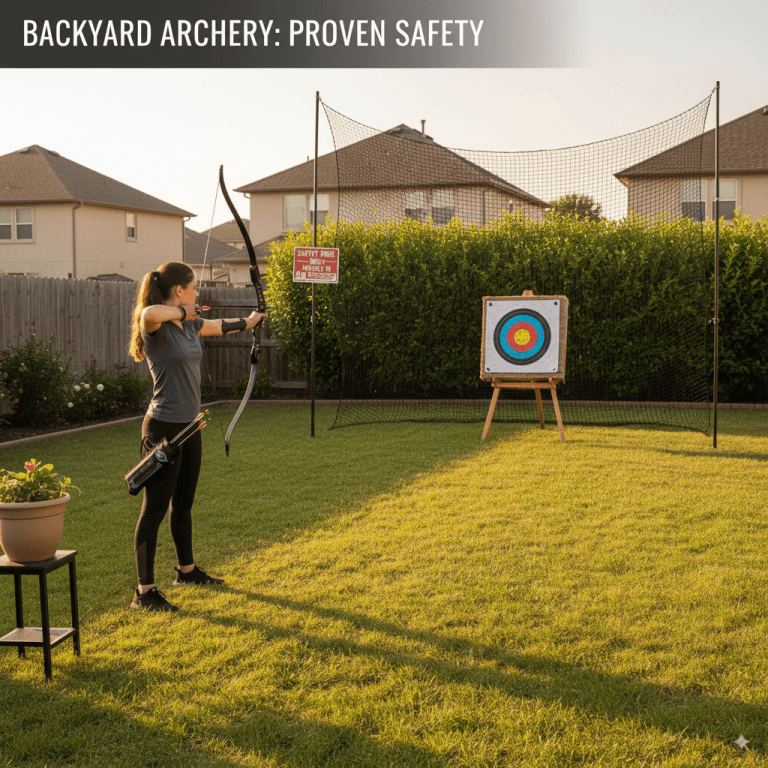
No matter what “trades” you’re looking to make in archery, safety should always be your primary focus. Every practice session, every lesson, every competition must be conducted with utmost care. Wearing appropriate safety gear, knowing your range rules, and always treating your bow and arrows with respect is paramount. A serious injury can halt all progress and eliminate any potential for “trading” your skills for rewards. Always follow the International Archery Federation’s safety guidelines or your local governing body’s rules.
Frequently Asked Questions (FAQ)
What does “trading arrows for emeralds” mean in video games?
In video games, it’s a metaphor for converting a common, easily crafted item (like arrows) into a rare or valuable item (like emeralds). It represents a strategy for resource management and item acquisition where basic components are exchanged for more desirable goods.
Can I actually sell arrows for money?
Yes, you can sell newly made arrows or archery equipment for money, but this isn’t a direct “trade” of spent arrows for cash. You would need to craft or acquire them to sell as new goods. Used arrows often have limited resale value.
Is archery an expensive hobby?
Archery can range from very affordable to quite expensive. Beginner packages can be found for a few hundred dollars, but professional-grade equipment can cost thousands. Consistent practice also involves costs for arrows, targets, and range fees, but it can be managed affordably with smart choices.
How many arrows should a beginner shoot per practice session?
For beginners, quality over quantity is key. Aim for sessions of 20-50 well-shot arrows, focusing on form and consistency. Too many arrows without focus can ingrain bad habits. As you improve, you can gradually increase the number of arrows per session.
What is the most important skill for a beginner archer?
The most important skill is consistent form. Mastering proper stance, grip, draw, anchor, and release will lay the foundation for all future accuracy and progression. Don’t focus on hitting the bullseye initially; focus on executing each step correctly every time.
How long does it take to become good at archery?
Becoming “good” is subjective and depends on goals. Mastering basic consistency might take a few months of regular practice. Becoming highly proficient or competitive can take years of dedicated training. Patience and consistent effort are more important than speed.
Conclusion: Your Archery Journey is the Real Treasure
While the dream of directly trading arrows for glittering emeralds remains in the realm of fantasy and gaming, the “can you trade arrows for emeralds: genius strategy” concept offers a valuable framework for any aspiring archer. It highlights that every arrow you shoot, every practice session you commit to, is an investment.
Related pick: Check today's price on Amazon