Do Bow Fishing Boats Need A Generator
Bowfishing has surged in popularity among outdoor enthusiasts, blending the excitement of fishing with the challenge and precision of archery. However, to enjoy a productive night or day on the water, bowfishers require specialized gear, and at the heart of this setup is the boat. One recurring question, especially for those new to the sport or upgrading their rig, is whether bowfishing boats need a generator. This question is more than a matter of convenience; it influences equipment choices, overall experience, safety, and even the long-term costs of your outings.
The answer isn’t as straightforward as a simple yes or no. Bowfishing boats range from small, simple jon boats powered by paddles and battery lights, to large, tricked-out platforms with high-powered trolling motors, banks of LED lights, and even air conditioning.
Whether or not you need a generator depends on your specific setup, fishing conditions, legal requirements, and personal preferences. This article explores the role of generators in bowfishing, weighs their pros and cons, compares them with alternative power sources, and offers expert guidance to help you make an informed decision.
Key Takeaways
- Generators are common but not essential for all bowfishing boats; their necessity depends on your gear, trip length, and lighting needs.
- Battery-powered alternatives can suit smaller setups or stealth-focused anglers, but have limitations for high-output lighting and long nights.
- Noise, weight, and cost are primary downsides of generators, while their reliability and power output remain key advantages.
- Choosing the right system involves balancing your boat size, typical group size, fishing style, and budget.
- Hybrid setups, combining batteries and generators, offer flexibility and backup options for serious bowfishers.

Credit: outriggeroutdoors.com
Understanding Bowfishing Boat Power Needs
Bowfishing demands more from a boat’s electrical system than conventional fishing. At night, powerful lighting is crucial to spot and accurately target fish in shallow, often murky water. Add to this the requirements for trolling motors, fish finders, and other accessories, and the need for a robust, reliable power source becomes clear.
The Core Electrical Loads
The most significant power demands on a bowfishing boat come from:
- Lighting: High-output LED or halogen banks (often 2,000, 10,000+ lumens)
- Trolling motors: For quiet maneuvering in shallow waters
- Accessories: Fish finders, air circulators, sound systems, and charging ports
These loads can quickly overwhelm a small battery bank, especially on all-night trips or with multiple anglers on board.
Power Source Options
Bowfishers typically choose between:
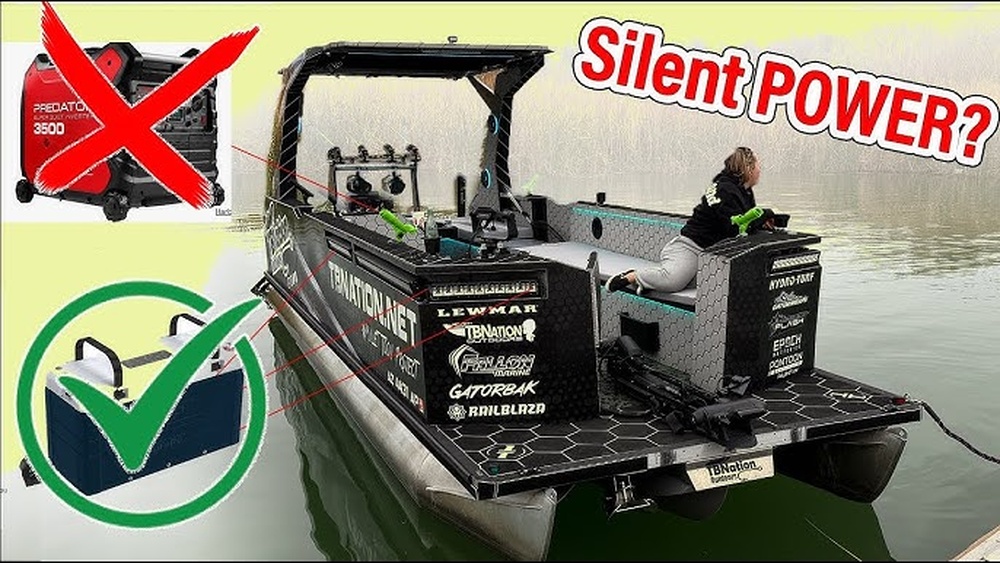
- Deep cycle batteries: Silent and portable, but with limited capacity
- Gasoline or propane generators: High power output, but heavier and noisier
- Hybrid systems: Combining batteries for stealth and generators for backup or high draw
The choice hinges on fishing style, trip duration, and the capacity to manage extra equipment.

Credit: www.youtube.com
When Does A Bowfishing Boat Need A Generator?
Not every bowfishing boat needs a generator, but many larger or more advanced setups benefit greatly from one. Let’s break down the scenarios where a generator is recommended, optional, or unnecessary.
Essential Situations For A Generator
A generator is highly recommended if:
- You use high-wattage lighting (e.g., more than 1,000 watts total).
- Trips last longer than a few hours and recharging batteries isn’t practical.
- Multiple anglers require simultaneous power for lights, trolling motors, and accessories.
- You fish remote waters with no opportunity to recharge batteries.
Optional Or Unnecessary Scenarios
A generator may be unnecessary if:
- Your lighting is low-draw LED, and you fish for short periods.
- You prioritize stealth and want the quietest possible approach.
- You fish solo or with a small group, reducing power needs.
- Your boat is small, and extra weight/space is a concern.
Legal And Environmental Considerations
It’s also important to note local regulations, as some areas restrict noise or exhaust emissions from generators, particularly on wildlife refuges or private lakes.
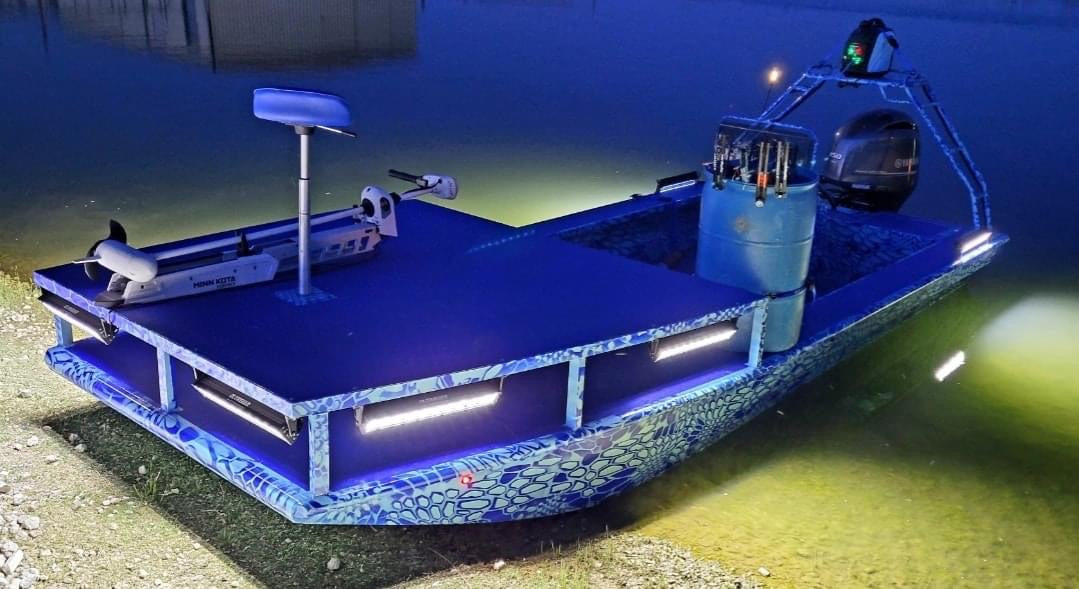
Credit: outriggeroutdoors.com
Generator Vs. Battery Power: A Practical Comparison
To highlight the tradeoffs, here’s a side-by-side look at the two main power sources for bowfishing boats.
| Feature | Generator Power | Battery Power |
|---|---|---|
| Power Output | High (1,000, 3,000+ watts) | Limited (up to 1,000 watts for extended use) |
| Run Time | As long as fuel lasts (6, 12+ hours typical) | 2, 6 hours (more with larger banks) |
| Noise | Moderate to loud | Silent |
| Weight/Space | Heavy, requires secure mounting | Lighter, more compact |
| Cost | Medium to high (generator + fuel) | Low to medium (batteries, charger) |
| Maintenance | Regular (oil, fuel, cleaning) | Low (check charge, replace batteries) |
| Environmental Impact | Emissions, fuel spills possible | Minimal |
Example: Tournament Bowfishing Team
A three-angler tournament team in Texas uses a 24-foot aluminum boat with:
- 12 x 100-watt LED floodlights (1,200 watts total)
- 24V trolling motor
- Fish finder and two air circulators
They run a 2,000-watt inverter generator for lights and accessories, with deep cycle batteries for the trolling motor. Over an 8-hour night, the generator provides continuous power, while the batteries handle intermittent loads. This setup allows all-night operation without sacrificing performance.
Example: Solo Night Angler
A solo angler in Florida prefers a stealthy approach for bowfishing tilapia in clear, shallow water. Their 14-foot jon boat runs:
- 3 x 18-watt LED spotlights
- Small 12V trolling motor
A pair of 100Ah deep cycle batteries power the entire setup for 3, 4 hours, no generator needed. The angler values quiet operation to avoid spooking fish and minimize gear.
Types Of Generators For Bowfishing Boats
Choosing the right generator involves more than just picking the biggest unit that fits. Considerations include power output, fuel type, noise level, portability, and integration with your electrical system.
Inverter Vs. Conventional Generators
- Inverter generators produce cleaner power for sensitive electronics (fish finders, LED drivers) and are typically quieter.
- Conventional generators are bulkier, noisier, and best suited for large, open boats with less emphasis on stealth.
Popular Fuel Types
- Gasoline: Most common, widely available, but flammable and requires proper storage.
- Propane: Cleaner burning, can be safer for enclosed spaces, but less energy dense.
- Dual-fuel models: Offer flexibility for long trips or emergencies.
Sizing Your Generator
A generator must be sized for peak load, not just average draw. Add up the wattage of all devices you plan to run simultaneously, then select a unit with at least 20% extra capacity.
Pro Tip: Don’t forget startup surges, LED drivers and motors can briefly draw double their rated power when switched on.
Noise, Weight, And Portability
Noise is a major concern in bowfishing. Look for models with:
- Enclosed cases (for quieter operation)
- Rubber mounts to reduce vibration
- Lightweight construction for easier transport
Brands like Honda, Yamaha, and Champion are popular for their reliability and low noise profiles.
| Model | Max Power Output (Watts) | Weight (lbs) | Noise Level (dB at 25 ft) | Fuel Type |
|---|---|---|---|---|
| Honda EU2200i | 2,200 | 47 | 48, 57 | Gasoline |
| Champion 2000-Watt Dual Fuel | 2,000 | 47.6 | 53 | Gasoline/Propane |
| Yamaha EF2000iSv2 | 2,000 | 44 | 51.5 | Gasoline |
Example: Small Tournament Setup
A two-person team fishes small rivers with a 16-foot flat-bottom boat. They use a Honda EU2200i inverter generator, which powers 6 x 50-watt LEDs for 8 hours on a gallon of fuel, while remaining quiet enough not to scare fish.
Advantages And Disadvantages Of Generators In Bowfishing
While generators offer clear benefits, they’re not without drawbacks. Understanding these pros and cons will help you make the best choice for your bowfishing needs.
Advantages
- High Power Output: Easily supports multiple lights, motors, and accessories for extended periods.
- Reliability: As long as you have fuel, your system runs all night.
- Flexibility: Can power additional gear like heaters, fans, or cooking devices.
- Backup Source: Acts as a backup if battery banks are depleted.
Disadvantages
- Noise: Even the quietest generators can spook fish or annoy fellow anglers.
- Weight and Space: Generators add 40, 60+ pounds and require secure mounting.
- Fuel Management: Must carry, store, and refill gasoline or propane.
- Cost: Initial investment ($400, $1,200+) plus ongoing fuel and maintenance.
Environmental And Safety Concerns
- Emissions: Gasoline generators emit CO2, which may be restricted in some areas.
- Fire risk: Fuel handling requires care, especially in hot climates.
- Water ingress: Generators must be protected from rain and spray.
Example: Generator Malfunction
In my experience, a poorly maintained generator once quit mid-trip, plunging the boat into darkness. Since our battery bank was too small for all lights, we had to cut the night short, highlighting the importance of regular maintenance and backup systems.
Alternatives To Generators For Bowfishing
For those seeking quieter, lighter, or more environmentally friendly options, several alternatives can meet the needs of many bowfishers.
High-capacity Battery Banks
Modern lithium iron phosphate (LiFePO4) batteries offer greater energy density, longer life, and lighter weight than traditional lead-acid batteries. While more expensive upfront, they provide silent, reliable power for small to medium setups.
- Example: A 100Ah 12V LiFePO4 battery can run 180 watts of LED lighting for 5, 6 hours.
- Multiple batteries can be wired in parallel for more capacity.
Solar Charging Systems
While not suitable for primary power during night fishing, solar panels can recharge batteries during the day, reducing generator runtime.
Shore Power
If fishing from a dock or in a marina, plugging into shore power can eliminate the need for a generator altogether. This is rare for most bowfishing trips but can be useful for home-based or dockside practice.
Hybrid Systems
Many bowfishers use both batteries and generators:
- Batteries for stealthy approaches and short bursts
- Generators to recharge batteries or provide continuous power for lights
This dual approach offers redundancy and adapts to changing conditions.
Example: Hybrid Setup On A Tournament Boat
A competitive team uses a dual-bank system: 200Ah of lithium batteries for the trolling motor and quiet running, with a 2,000-watt inverter generator as backup for high-draw situations. They can fish silently when needed and still run all night in tournaments.
How To Set Up Your Bowfishing Boat Power System
Building a reliable, safe, and efficient power system requires careful planning and quality components. Here’s a step-by-step approach.
Step 1: Calculate Your Power Needs
- List all devices (lights, trolling motor, accessories)
- Add their wattages for maximum simultaneous use
- Factor in startup surges (usually 1.5x rated draw for lights/motors)
Step 2: Select Power Source(s)
- Choose batteries, generator, or hybrid based on your calculations
- Remember to add a safety margin (20, 30% over your peak load)
Step 3: Wiring And Distribution
- Use heavy-gauge marine-grade wire to minimize voltage drop
- Install proper fuses and breakers for safety
- Consider a dedicated panel for lights and accessories
Step 4: Mounting And Ventilation
- Secure generator on a flat, stable platform away from water spray
- Ensure adequate ventilation to prevent carbon monoxide buildup
- Store fuel in Coast Guard-approved containers, away from electronics
Step 5: Redundancy And Maintenance
- Carry spare fuses, connectors, and a backup flashlight
- Service generator regularly: Check oil, clean air filter, and test run before trips
- Test batteries monthly and replace as needed
Pro Tip: Practice A Power Failure Drill
Simulate a blackout on the water to ensure everyone knows how to safely restore power or navigate back to shore with backup lighting.
Cost Analysis: Generator Vs. Battery Setup
Initial investment and ongoing costs can vary widely depending on your system.
| Component | Generator-Based Setup | Battery-Based Setup |
|---|---|---|
| Initial Cost | $600, $1,500 (generator, wiring, mounts) | $400, $1,200 (batteries, charger, wiring) |
| Fuel/Consumables (per season) | $100, $300 (gasoline/propane, oil) | $20, $50 (battery water, minimal maintenance) |
| Replacement Interval | 5, 10 years (generator) | 3, 7 years (lead-acid batteries), 8, 12 years (lithium) |
| Resale Value | Medium | Low to medium |
While generators have a higher initial cost and ongoing fuel expenses, high-quality lithium batteries can be even more expensive upfront but cost less to operate.
Real-world Case Studies
Case Study 1: Large Charter Operation
A professional charter in Louisiana operates a 28-foot bowfishing boat for up to 8 clients. Their setup includes:
- 16 x 80-watt LED lights (1,280 watts)
- 36V trolling motor
- Onboard sound system and refrigeration
They rely on a 3,000-watt inverter generator for all lighting and accessories, with dedicated AGM batteries for the trolling motor. The generator runs throughout the night, and the boat carries 10 gallons of gasoline for multi-night trips. The charter operator notes that “clients expect bright, flawless lighting, without a generator, we’d have to turn people away.”
Case Study 2: Conservation Bowfishing
A non-profit group in the Midwest promotes carp removal from local lakes. Their volunteers use small, battery-only rigs to avoid noise and emissions, especially near residential areas. They report that “while we can’t run as many lights, the quiet makes it easier to spot fish and communicate.”
Case Study 3: Weekend Enthusiast
A weekend angler in Arkansas upgraded from a battery-only setup to a dual-fuel inverter generator after expanding to six high-output LEDs and a livewell pump. He says, “The generator means we never worry about running out of light, even when friends join in for long trips.”
Environmental And Regulatory Considerations
Noise Pollution
Many public waters impose noise restrictions. Check state and local ordinances before using a generator, especially in or near residential areas or wildlife management zones.
Emissions And Fuel Spills
- Gasoline and propane generators emit carbon monoxide and volatile organic compounds (VOCs).
- Always refuel away from the water to prevent spills.
- Consider propane generators for a cleaner option.
Permits And Inspections
Some states or municipalities require permits for generators or restrict their use. Always verify regulations with local authorities or the U. S. Coast Guard.
Responsible Disposal
Properly recycle batteries and dispose of used oil/fuel per environmental guidelines.
For more information on boating safety and regulations, visit the U.S. Coast Guard Boating Safety website.
Tips For Safe And Efficient Generator Use
Positioning
- Mount the generator away from flammable materials.
- Ensure exhaust is directed away from passengers.
Ventilation
- Never operate a generator in an enclosed space due to carbon monoxide risks.
- Use portable CO detectors for added safety.
Refueling
- Always shut off and cool the generator before adding fuel.
- Store fuel in approved containers, away from electronics and open flames.
Maintenance
- Run the generator monthly during the off-season.
- Change oil and clean filters per manufacturer instructions.
Emergency Preparedness
- Carry a fire extinguisher and first aid kit.
- Have backup lighting (flashlights, headlamps) in case of generator failure.
Pro Tip: Keep A Trip Log
Document generator runtime, fuel use, and any issues to streamline maintenance and future planning.
Frequently Asked Questions
Do I Need A Generator If I Only Bowfish For A Couple Of Hours At A Time?
For short outings, typically under three hours, with minimal lighting (such as three to four 18-watt LEDs), a well-sized battery bank is usually sufficient. Generators become more beneficial for longer trips or when using multiple high-output devices. In these cases, a generator can act as a backup, but for short, low-draw sessions, batteries alone are practical and quieter.
How Do I Reduce Generator Noise On My Bowfishing Boat?
To minimize noise, choose an inverter generator with a sound enclosure. Place the unit as far from the bow as practical and use rubber mats or mounts to absorb vibrations. Some bowfishers use temporary sound barriers, such as foam panels, but always ensure adequate ventilation. Maintaining the generator, keeping air filters clean and mufflers intact, also helps reduce noise.
Can I Use A Car Generator Or Home Portable Generator On My Boat?
While technically possible, it is not recommended for safety and reliability reasons. Home and car generators are often not designed for the marine environment and may lack proper grounding, waterproofing, and vibration resistance. Always use marine-rated or inverter generators specifically designed for portable outdoor use to ensure safety and compliance with regulations.
What Size Generator Do I Need For A Typical Bowfishing Setup?
First, total the wattage of all your lights and accessories that will run simultaneously. Add at least 20% extra capacity for startup surges. For example, if you run 1,000 watts of lights, choose a generator rated for at least 1,200 watts continuous output.
For larger setups or multi-person teams, a 2,000-watt inverter generator is a common and reliable choice.
Are There Any Eco-friendly Generator Options For Bowfishing?
Yes. Propane-powered generators produce fewer emissions than gasoline models and are less likely to spill contaminants. Some modern inverter generators are designed to meet stricter emissions standards. Additionally, hybrid systems using batteries with a small generator for backup can minimize overall fuel use and environmental impact. Solar panels are becoming more viable for daytime charging, but are not yet practical as a primary night power source.
References
- U.S. Coast Guard Boating Safety
- Wikipedia: Bowfishing
Bowfishing is an exhilarating blend of skill, technology, and adventure. Whether you need a generator for your boat depends on your specific power demands, fishing style, and the balance you strike between convenience, stealth, and sustainability. Carefully assessing your needs, and understanding the tradeoffs, will ensure every night on the water is both productive and enjoyable.
With the right setup, you’ll be ready to light up the shallows and take your bowfishing to the next level.