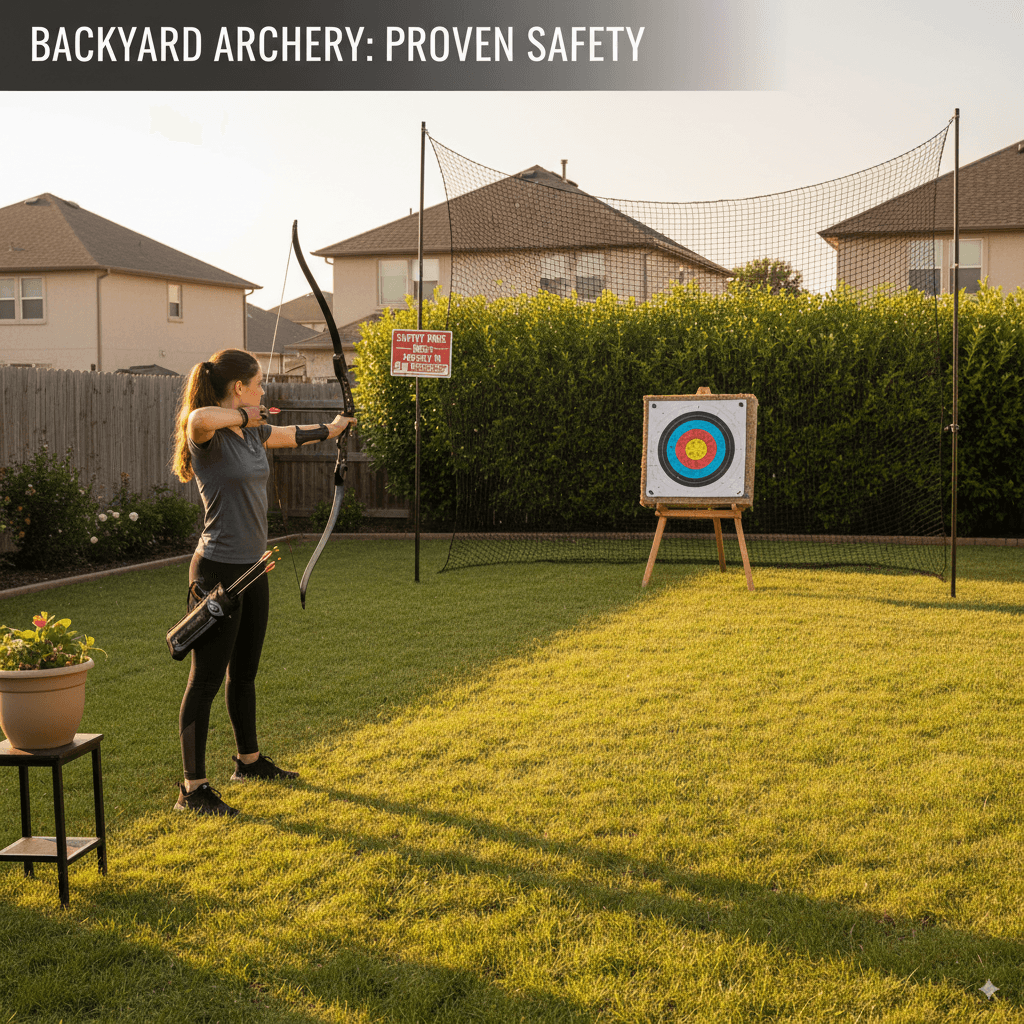
Can You Practice Archery In Your Backyard? Proven Safety
Quick Summary: Yes, you can practice archery in your backyard, but only if you have adequate space, proper safety equipment, and a secure backstop. Always prioritize safety by understanding your surroundings and ensuring no one can accidentally be in the arrow’s path.

Morrell
Morrell Supreme Range Adult Field Point Archery…
- Precision Training : Master your archery skills with our NASP official scoring rings perfect for beginners to pros, enhancing accu…
- Durable Construction Quality: Built with multi-layer density, our archery target withstands numerous shots, offering unmatched dur…
- Effortless Arrow Retrieval: Experience easy arrow removal after practice, designed for convenience and to protect your arrows from…
As an Amazon Associate I earn from qualifying purchases.
For a closely related bow or archery topic, Different Form of Archery: Essential Now gives readers a useful next step.
For a closely related bow or archery topic, What Archery Tournaments Coming Up: Your Essential List gives readers a useful next step.
Can You Practice Archery In Your Backyard? Proven Safety Guide
Dreaming of honing your archery skills without a trip to the range? Many beginners wonder if their backyard is a suitable, safe place to practice. It’s a common question, and the thought of practicing more often is exciting! The good news is, with careful planning and a strong focus on safety, backyard archery can be a reality. We’ll walk you through everything you need to know, from checking the space to setting up your target, so you can enjoy your bow and arrow right at home.
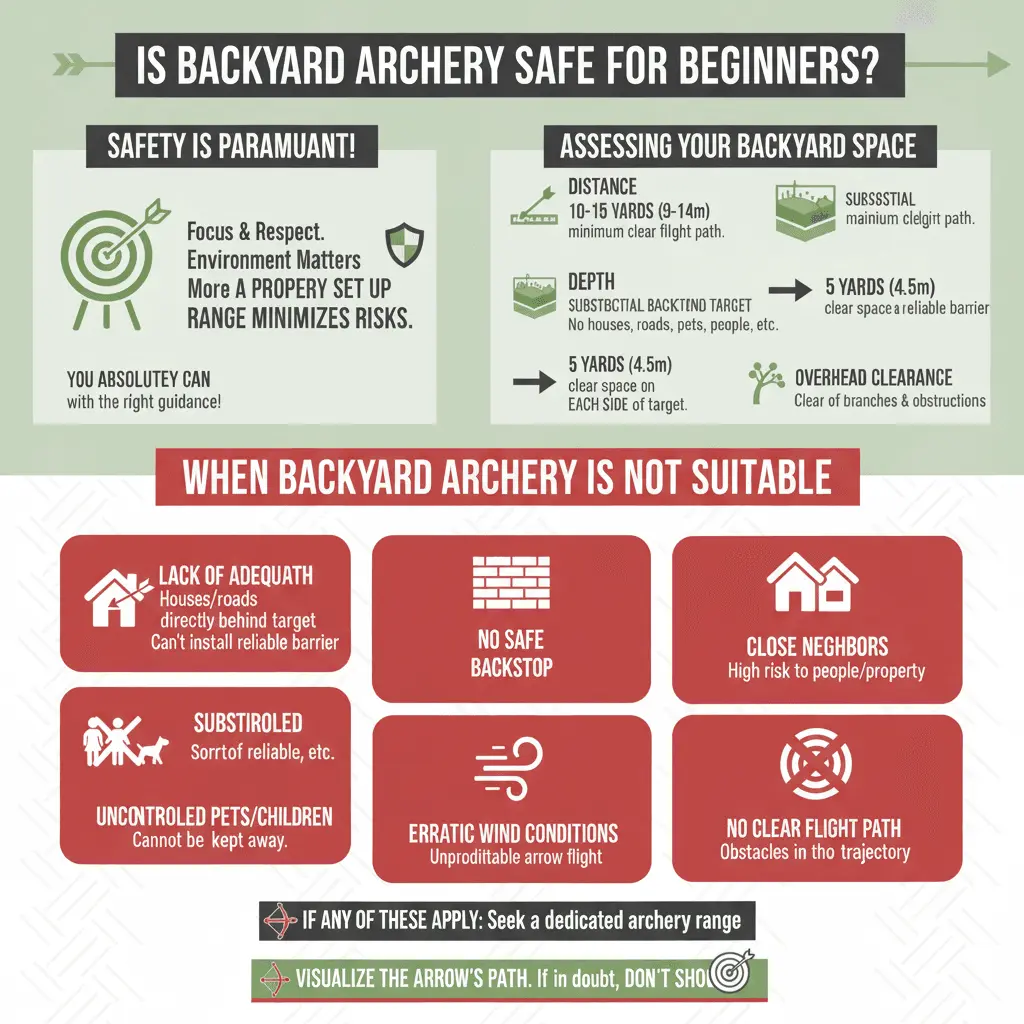
Is Backyard Archery Safe for Beginners?
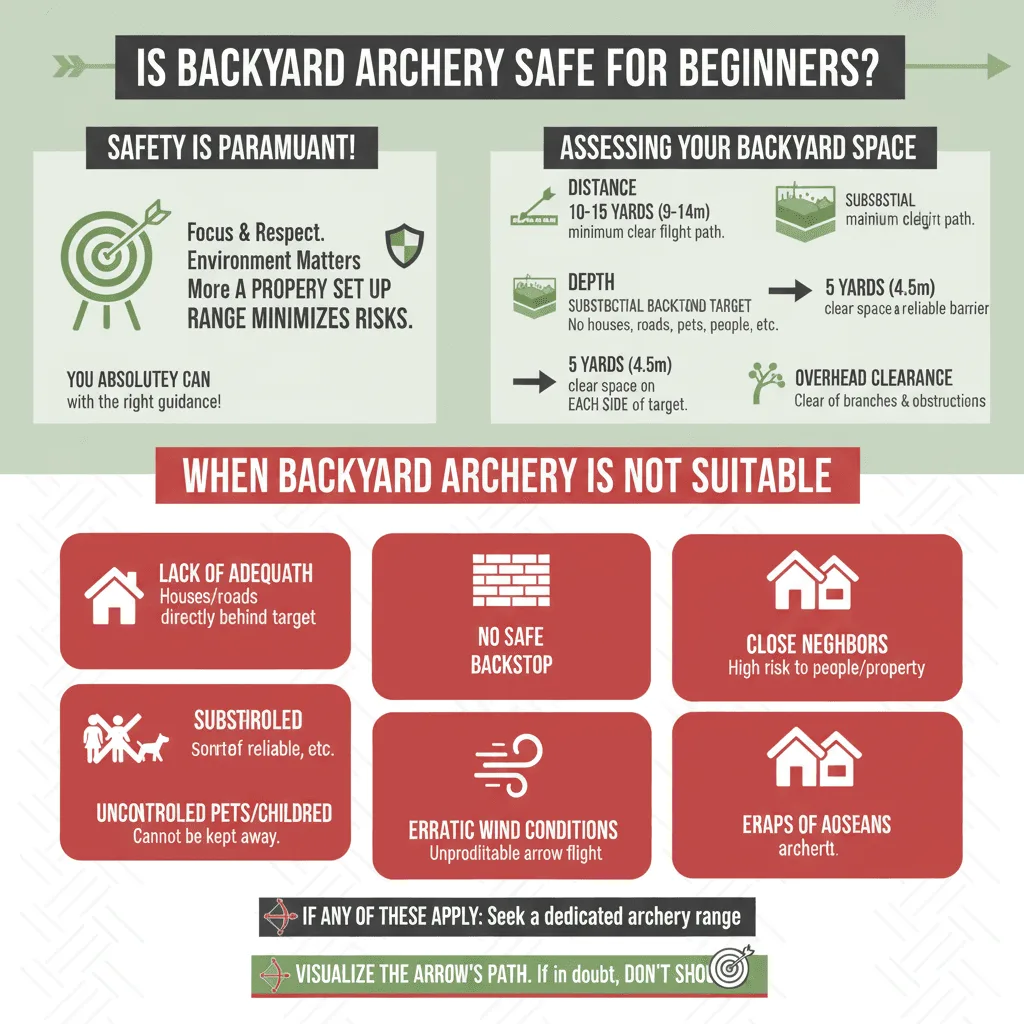
Archery is a sport that demands focus and respect for safety, both on and off the range. When considering practicing in your backyard, the primary concern is always safety. This isn’t about whether you, as a beginner, are capable of shooting safely (you absolutely are with the right guidance!), but rather about the environment you’re shooting in. A properly set up backyard range minimizes risks significantly, allowing you to build your skills confidently and enjoyably. It’s about ensuring no one and nothing is ever in harm’s way.
Assessing Your Backyard Space
Before you even think about unstringing your bow, take a good, hard look at your backyard. Space is the most critical factor for safe backyard archery. You need enough room to shoot without worrying about your arrow flying past your target and into an unsafe area.
Consider these points:
- Distance: How far is your target from your shooting line? You need a clear, unobstructed flight path for your arrow. For many beginner bows (like recurves or basic compounds), a minimum of 10-15 yards (9-14 meters) is a good starting point. Longer distances provide an extra margin of safety and allow for more advanced practice.
- Depth: This is crucial. How far beyond your target does the land extend? You need a substantial “backstop” – an area where an arrow will stop safely if it misses the target or passes through it. This area should be clear of houses, fences, roads, pets, people, or anything you don’t want an arrow to hit.
- Width: Ensure there’s enough lateral space on either side of your target to prevent stray shots from going into neighboring yards or areas where people might be. At least 5 yards (4.5 meters) clear on each side of the target is a good guideline.
- Overhead Clearance: While less common, be mindful of tree branches or other overhead obstructions that could interfere with your shot or the arrow’s flight.
A good rule of thumb: visualize the path of your arrow. If there’s any doubt about what’s beyond your target, it’s probably not safe enough for backyard practice.
Essential Safety Equipment for Backyard Archery
Beyond just a good backstop, there are a few pieces of equipment that are non-negotiable for safe archery practice, whether you’re in a dedicated range or your backyard.
1. The Backstop: Your Arrow’s Safety Net
This is perhaps the most important safety feature for backyard practice. A backstop is designed to catch any arrows that miss the target or shoot straight through it. Without a proper backstop, practicing in your backyard carries significant risks.
Options for backstops include:
- Commercial Archery Backstops: These are specifically designed for the purpose, often made of dense foam, rubber, or specialized netting. They are highly effective but can be an investment. Look for reputable brands and models tested for arrow containment.
- DIY Backstop Options:
- Dirt Berm: A large, compacted pile of soil can be an effective backstop, especially for shorter distances. Ensure it’s deep and wide enough.
- Hay Bales: Multiple tightly packed hay bales can stop arrows, but they degrade over time and may not be effective for high-poundage bows or very fast arrows.
- Blanket/Mat with a Wall Behind It: For very light draw weight bows and short distances, a thick archery target mat placed against a solid, safe wall (like a sturdy shed or concrete structure – never a house wall) might suffice in a pinch. However, this is less ideal for typical backyard setups.
Important Consideration: Always check that your backstop is rated for the speed and weight of the arrows you are shooting. A backstop designed for a beginner’s recurve bow might not stop an arrow from a powerful compound bow.
For more detailed information on backstop construction and effectiveness, resources like the USA Archery safety guidelines offer valuable insights into range design and safety protocols.
2. A Robust Target
A good archery target is essential for both practice and safety. It needs to be substantial enough to stop arrows reliably and have a clear, visible face.
Types of targets include:
- Field Points (Broadheads are NOT for backyard practice): Always use field points for backyard practice. Broadheads are hunting points and can cause more damage and be harder to retrieve, plus they are meant for hunting scenarios only.
- Foam Targets: These are very popular for backyard practice. They are lightweight, durable, and stop arrows effectively. Sizes vary, so choose one appropriate for your space.
- Bag Targets: Made of tightly packed fabric, these targets are also effective and durable.
- Layered Foam or Rubber Targets: These often offer excellent arrow stopping power and are designed for repeated use.
Ensure your target is stable and won’t tip over during practice.
3. Personal Protective Equipment (PPE)
Even in your backyard, certain PPE is crucial:
- Arm Guard: This protects your forearm from the snap of the bowstring. It’s a must-have for anyone shooting a traditional or recurve bow, and recommended for compound shooters too.
- Finger Tab or Release Aid: If you’re shooting a recurve or longbow with a traditional release, a finger tab or shooting glove protects your fingers from friction and string pinch. If you’re using a compound bow, a release aid is standard.
Setting Up Your Backyard Archery Range: Step-by-Step
Once you’ve assessed your space and gathered your safety gear, it’s time to set up. This process should be methodical and focused on safety at every step.
Step 1: Designate a Safe Shooting Zone
Clearly mark your shooting line. This is where you will stand to shoot. Ensure this line is far enough from any potential hazards. Also, mark any areas that are strictly off-limits because they are behind your target or to the sides.
Step 2: Position Your Target and Backstop
Place your target at the predetermined distance from your shooting line. Directly behind your target, set up your backstop. Ensure the backstop extends well beyond the entire target face, both horizontally and vertically. If you’re using a dirt berm, make sure it’s compacted and of sufficient size.
Step 3: Clear the Flight Path
Visually inspect the entire area between your shooting line and the backstop. Remove any obstacles like garden furniture, toys, or debris that could interfere with an arrow’s flight. Double-check for any unexpected hazards.
Step 4: Establish Clear Boundaries
Ensure everyone in your household understands the practice area. If you have a fence, make sure it’s clear that arrows should not go beyond it. If anyone else will be present, like family members or friends, brief them thoroughly on the safety rules before anyone draws a bow.
Safety Rules for Backyard Archery Practice
Adhering to a strict set of rules is paramount for safe backyard archery. These aren’t suggestions; they are essential guidelines to prevent accidents.
1. Never Shoot if Unsure
If there’s any doubt about the safety of your shot – meaning you’re not 100% sure what’s beyond your target or downrange – do not shoot. It’s better to skip that shot than risk an accident.
2. Always Check Your Surroundings
Before and during practice, be aware of your environment. Listen for people or animals. Keep pets indoors and children supervised and outside the direct shooting zone at all times. Ensure no neighbors are in a position where a stray arrow could reach them.
3. Treat Every Bow Like It’s Loaded
Even when you’re not actively shooting, handle your bow with care. Never point it at anyone or anything you don’t intend to shoot. When you’re done, de-string the bow or store it safely.
4. Only Use Appropriate Arrows
As mentioned, use field points for backyard practice. Never use broadheads, blunts, or other specialized arrowheads unless you are in a hunting scenario with appropriate permissions and safety measures. Ensure your arrows are in good condition, with no damaged fletching or bent shafts.
5. Nock, Draw, Aim, Release, and Follow-Through: Safely
- Nock: Only nock an arrow when you are at your shooting line, ready to shoot, and have confirmed the area is clear.
- Draw: Draw the bowstring smoothly. Never point the bow in an unsafe direction while drawing.
- Aim: Take your time to aim carefully.
- Release: Release the string smoothly.
- Follow-Through: Maintain your stance and aim after releasing the arrow. This helps with accuracy and control.
6. Supervision for Minors
If children are involved, they must be under direct, constant adult supervision by an experienced archer at all times. Ensure they understand and follow all safety rules implicitly.
Minimum Backyard Size Requirements (General Guidelines)
There’s no single magic number for backyard size, as it depends heavily on the type of bow you’re using, its draw weight, and your skill level. However, here are some general guidelines to help you assess if your space is suitable:
| Bow Type & Draw Weight | Minimum Shooting Distance | Recommended Backstop Depth Beyond Target | Recommended Clear Lateral Space |
|---|---|---|---|
| Beginner Recurve/Longbow (Under 25 lbs) | 10-15 yards (9-14 m) | 5-10 feet (1.5-3 m) | 5-10 feet (1.5-3 m) |
| Intermediate Recurve/Longbow (25-40 lbs) | 15-25 yards (14-23 m) | 10-15 feet (3-4.5 m) | 10-15 feet (3-4.5 m) |
| Beginner Compound Bow (Under 40 lbs) | 15-20 yards (14-18 m) | 10-15 feet (3-4.5 m) | 10-15 feet (3-4.5 m) |
| Intermediate Compound Bow (40-55 lbs) | 20-30 yards (18-27 m) | 15-20 feet (4.5-6 m) | 15-20 feet (4.5-6 m) |
| Advanced Bows (Higher Draw Weights/Speeds) | 30+ yards (27+ m) | 20+ feet (6+ m) | 20+ feet (6+ m) |
These are minimums. Always aim for more space if possible. For instance, if you have a 40-pound recurve bow, shooting at 25 yards with 15 feet of backstop and lateral clearance is a good setup. If your backyard is significantly smaller than these recommendations, it’s likely not suitable for safe archery practice.
Pros and Cons of Backyard Archery Practice
Like any practice method, backyard archery has its advantages and disadvantages. Weighing these can help you decide if it’s the right choice for you.
Pros:
- Convenience: Practice anytime the weather permits without traveling to a range.
- Frequency: More frequent practice can lead to faster skill development.
- Comfort: Shoot in a familiar and comfortable environment.
- Cost Savings: Saves on range fees and travel expenses over time.
- Focus: Fewer distractions compared to a busy public range, allowing for deep concentration.
Cons:
- Space Limitations: Many backyards are too small for safe shooting.
- Backstop Requirements: Creating an adequate backstop can be costly or labor-intensive.
- Noise: Depending on your bow and location, shooting can generate noise that might disturb neighbors.
- Unforeseen Hazards: Wildlife, unexpected visitors, or changing yard conditions can pose risks.
- Arrow Retrieval: Loose arrows can be lost in grass, bushes, or underground if not caught by the backstop.
When Backyard Archery Is NOT Suitable
It’s crucial to be honest with yourself about your backyard’s limitations. Backyard archery is not suitable if:
- You lack adequate depth: If your yard is short, or there are houses, roads, or busy areas immediately behind your target, it’s too dangerous.
- You can’t create a safe backstop: If you can’t install or create a reliable, robust backstop, don’t practice.
- You have pets or young children who cannot be consistently kept away from the shooting area: Their safety is paramount.
- You have close neighbors: Even with proper safety measures, a stray arrow is a severe risk to neighbors and their property.
- You have an area with erratic wind conditions: Strong or unpredictable winds can affect arrow flight, making safety harder to guarantee.
If any of these points apply to your situation, seeking out a dedicated archery range is the safest and most responsible option.
Frequently Asked Questions About Backyard Archery
Q1: How far should my backyard be for archery?
A: For beginner bows (under 30 lbs), a minimum of 15-20 yards (approx. 14-18 meters) is generally recommended, with a substantial backstop extending at least 10 feet (3 meters) beyond the target. For more powerful bows, you’ll need significantly more distance and backstop depth.
Q2: What kind of backstop do I need?
A: You need a backstop that can reliably stop your arrows without them passing through or ricocheting. Commercial archery backstops, dense hay bales, or a well-constructed dirt berm can work. The material and depth should match your bow’s power and arrow speed.
Q3: Can I use my compound bow in my backyard?
A: You can, but compound bows are typically more powerful, meaning you need a longer shooting distance and a much more robust backstop than you might need for a beginner recurve bow. Safety assessments are even more critical with compound bows.
Q4: What if my arrow misses the target?
A: This is precisely why a proper backstop is essential. If your arrow misses or passes through the target, the backstop should catch it safely. If you don’t have an adequate backstop, you risk the arrow going into unsafe areas.
Q5: Do I need permission to practice archery in my backyard?
A: While not always legally required, it’s good practice to be aware of local ordinances regarding shooting firearms or projectile devices. More importantly, consider informing your immediate neighbors as a courtesy, especially if they have young children or pets, so they are aware and can take precautions.
Q6: Can I practice with broadheads in my backyard?
A: Absolutely not. Broadheads are hunting points and are extremely dangerous, harder to stop, and can cause significant damage. They should only be used in approved hunting situations with strict safety protocols. Always use field points for practice.
Q7: What is the safest way to retrieve arrows from my backyard target?
A: If using dense foam or bag targets, arrows should be embedded securely but retrievable. If your target is loose and arrows are getting stuck deep, or if they’re passing through, it might indicate the target or backstop isn’t adequate for your bow. Always inspect your target and backstop condition regularly.
Related pick: Check today's price on Amazon