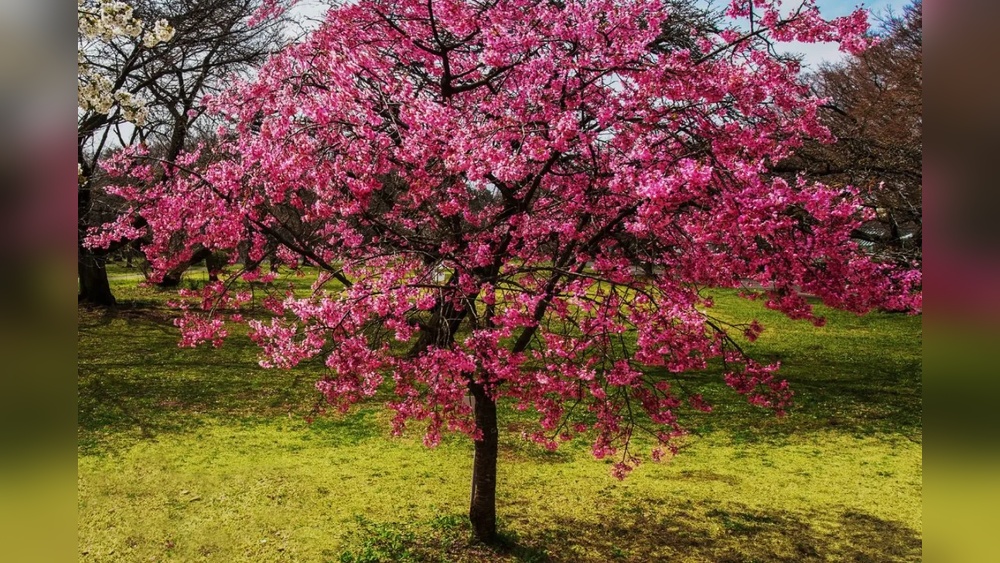
Do Dog Wood Trees Help With Standing Water
Standing water is a persistent concern for homeowners, landscapers, and environmental managers alike. It threatens property value, fosters mosquito breeding, and can even destabilize foundations. Amid solutions, drainage systems, grading, sump pumps, one natural approach stands out: the strategic planting of trees. Among various species, dogwood trees have earned a reputation for their resilience and adaptability in wet soils. But do dogwood trees truly help with standing water, or is their benefit overstated?
This article explores the science, practical experience, and horticultural wisdom around dogwood trees and their relationship with waterlogged landscapes. We’ll examine how their root systems interact with wet environments, compare them to other species, and offer actionable guidance for property owners seeking to combat standing water naturally.
Drawing from real-world examples, expert opinions, and authoritative sources, this deep dive clarifies whether dogwood trees should be part of your water management toolkit.
Key Takeaways
- Dogwood trees can tolerate wet soils, but their effectiveness in reducing standing water is nuanced and depends on site conditions.
- Certain dogwood species (like Red Osier Dogwood) are particularly suited for waterlogged areas and can aid in soil stabilization and water absorption.
- Using dogwood trees as a solution to standing water should be part of a broader, integrated landscape management strategy.
- Compared to other trees, dogwoods offer moderate water uptake and have key benefits for wildlife and aesthetics.
- Proper planting, site selection, and ongoing care are essential for maximizing their impact on excess water.
- Consult landscape professionals and local extension services for site-specific advice.
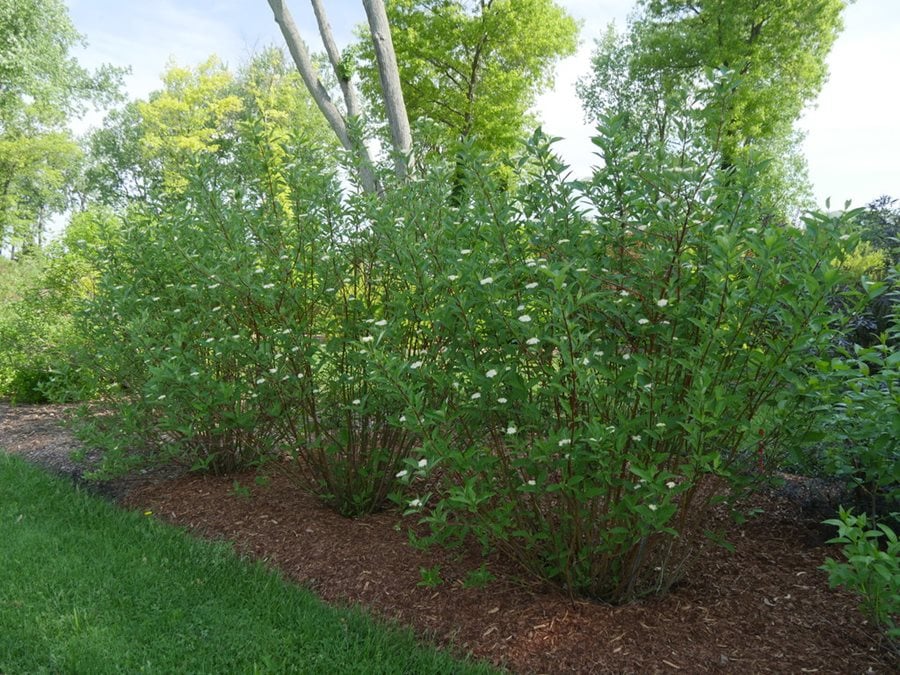
Credit: www.gardendesign.com
The Problem Of Standing Water: Why It Matters
Standing water isn’t merely an aesthetic issue; it presents multiple challenges for property owners and the environment. Prolonged water accumulation can lead to:
- Soil erosion and loss of nutrients
- Increased risk of mosquito and pest infestations
- Damage to turf, gardens, and structural foundations
- Impaired tree and shrub health due to root rot
- Reduced accessibility and enjoyment of outdoor spaces
According to the US Environmental Protection Agency (EPA), improper water drainage contributes to non-point source pollution and habitat loss in urban and suburban areas. Excess water may also carry fertilizers and pesticides into local waterways, aggravating environmental concerns.
Common Causes Of Standing Water
Understanding the root cause is essential before pursuing any solution. Common culprits include:
- Poor soil drainage (heavy clay soils)
- Compacted ground
- Low-lying topography
- Blocked or inadequate drainage systems
- Over-irrigation or runoff from impervious surfaces
Why Natural Solutions Are Gaining Popularity
While engineered solutions (e.g., French drains, grading) are effective, natural strategies such as planting trees and shrubs are increasingly favored for their sustainability and ecological benefits. Properly selected plants can:
- Absorb excess water through their roots
- Stabilize soil and prevent erosion
- Improve soil structure over time
- Support biodiversity
Dogwood Trees: Botanical Overview And Water Tolerance
Dogwood trees, belonging to the genus Cornus, encompass over 30 species ranging from small shrubs to medium-sized trees. They are celebrated for their showy flowers, colorful stems, and wildlife value. But their adaptability to wet soils distinguishes certain dogwoods from other landscape trees.
Key Dogwood Species For Wet Areas
Not all dogwoods thrive in soggy conditions. The most notable species include:
- Red Osier Dogwood (Cornus sericea): Native to North America, this shrub tolerates wet soils and is commonly used in riparian restoration.
- Silky Dogwood (Cornus amomum): Found in eastern US wetlands, it is prized for erosion control.
- Gray Dogwood (Cornus racemosa): While less tolerant than Red Osier, it can handle periodic flooding.
- Pacific Dogwood (Cornus nuttallii): Prefers moist but well-drained soils.
Warning: Flowering Dogwood (Cornus florida), popular in gardens, generally prefers well-drained soils and may suffer in persistently wet conditions.
| Dogwood Species | Wet Soil Tolerance | Typical Height | Landscape Use |
|---|---|---|---|
| Red Osier Dogwood | High | 6, 12 ft | Riparian, erosion control |
| Silky Dogwood | High | 6, 10 ft | Wetland buffer |
| Gray Dogwood | Moderate | 8, 15 ft | Wildlife habitat |
| Flowering Dogwood | Low | 15, 30 ft | Ornamental |
| Pacific Dogwood | Moderate | 15, 20 ft | Native gardens |
Root System And Water Uptake
Dogwood trees generally possess fibrous root systems that spread horizontally near the soil surface. In wet environments, these roots:
- Absorb available moisture efficiently
- Stabilize streambanks and slopes
- Help reduce surface runoff
However, the water uptake rate is moderate compared to larger trees like willow and poplar. Dogwoods can improve localized drainage but are unlikely to eliminate standing water single-handedly.
Ecological Benefits Beyond Water Management
Dogwoods provide multiple ecosystem services:
- Wildlife habitat: Berries and foliage attract birds and pollinators.
- Erosion control: Dense root mats bind soil, limiting erosion.
- Aesthetic value: Vibrant stems and flowers enhance landscape appeal.
How Dogwood Trees Interact With Standing Water
The impact of dogwood trees on standing water is shaped by several factors:
Water Absorption And Soil Improvement
Dogwoods absorb water primarily through their fibrous roots. This uptake can:
- Reduce soil saturation in the immediate vicinity
- Improve soil structure over time via organic matter deposition
- Facilitate microbial activity that enhances drainage
However, as noted in research published by the University of Minnesota Extension, the amount of water absorbed is limited by the tree’s size, age, and health.
Comparison With Other Water-tolerant Trees
Dogwoods are often compared with other species used for wet sites:
| Tree Species | Water Uptake Rate | Root Depth | Standing Water Reduction |
|---|---|---|---|
| Willow | High | Deep | Significant |
| Poplar | High | Deep | Significant |
| Dogwood | Moderate | Shallow | Localized |
| Alder | Moderate | Moderate | Localized |
Example: In a riparian restoration project along the Mississippi River, Red Osier Dogwood was used to stabilize banks and reduce water pooling. Willows, planted nearby, outperformed dogwoods in water removal but dogwoods excelled in soil stabilization and wildlife value.
Limitations And Considerations
Dogwoods may not thrive in areas with prolonged, deep standing water. Their roots need oxygen and will rot in anaerobic, saturated conditions. Planting in slightly elevated areas or using mounds can improve survival and effectiveness.
Real-world Examples And Case Studies
Understanding how dogwood trees perform in real landscapes is essential for informed decision-making.
Case Study 1: Red Osier Dogwood In Wetland Restoration
A wetland restoration project in Ohio, documented by the Ohio Department of Natural Resources, involved planting Red Osier Dogwood along the edges of a flooded meadow. Over three years:
- Soil stability improved
- Wildlife (songbirds, small mammals) increased
- Water pooling decreased, but only in areas within 6, 10 feet of mature shrubs
Dogwoods did not eliminate standing water across the entire site, but they helped create drier microzones and enhanced biodiversity.
Case Study 2: Homeowner Experience In Waterlogged Yard
In my experience as a landscape consultant, planting Silky Dogwood in a low-lying backyard helped reduce seasonal water pooling. After two years:
- The area immediately around the shrubs dried faster after rain
- The overall appearance improved
- However, persistent standing water remained in the lowest spots, requiring additional drainage solutions
Case Study 3: Urban Park Streambank Stabilization
An urban park in Portland, Oregon, used a mix of Red Osier Dogwood and willows to stabilize a streambank prone to flooding. The dogwoods were planted on slopes, while willows occupied the lowest zones. Monitoring showed:
- Dogwoods thrived and prevented erosion on slopes
- Willows absorbed more water in the floodplain
- The combination was more effective than either species alone
Planting Dogwood Trees For Water Management: Practical Guidelines
Dogwood trees can be part of a natural water management plan if chosen and planted wisely. Here’s how to maximize their benefits:
Site Selection And Preparation
- Identify areas with intermittent standing water rather than sites submerged for weeks.
- Test soil drainage by digging a hole and filling it with water; if it drains within 24, 48 hours, dogwoods are suitable.
- Amend soil with organic matter to improve structure.
Choosing The Right Species
- Prefer Red Osier Dogwood and Silky Dogwood for wet conditions.
- Avoid Flowering Dogwood in chronically wet sites.
- Consult local extension offices or native plant guides for recommendations.
Planting Techniques
- Plant shrubs in spring or fall for best establishment.
- Use mounding or raised beds in very wet locations.
- Space plants 6, 10 feet apart for dense coverage.
Maintenance And Monitoring
- Mulch to retain moisture and suppress weeds.
- Prune annually to encourage new growth and maintain shape.
- Monitor for pests such as dogwood borers or anthracnose.
Integrating With Other Water Management Strategies
Dogwoods work best in combination with:
- Grading and swales to direct water
- Rain gardens with mixed species
- Engineered drainage systems
Pro Tip: Planting dogwood shrubs along the perimeter of a rain garden enhances water absorption and provides a habitat for pollinators.
Ecological And Landscape Benefits Of Dogwood Trees
While their ability to reduce standing water is moderate, dogwood trees offer a suite of additional benefits.
Supporting Wildlife
- Berries attract birds such as robins and cedar waxwings.
- Dense foliage shelters small mammals and insects.
- Flowers support native pollinators.
Improving Soil And Water Quality
- Roots stabilize soil, reducing erosion and sediment runoff.
- Organic matter from leaf drop enriches soil.
- Dogwoods can filter runoff, reducing pollutants entering waterways.
Enhancing Landscape Aesthetics
- Colorful stems (especially Red Osier) brighten winter landscapes.
- Showy flowers provide spring interest.
- Attractive foliage adds texture and color.
Community And Educational Value
Dogwood plantings in parks, schools, and riparian buffers serve as educational tools for native species conservation and water management practices.
Comparing Dogwoods With Other Water-absorbing Plants
Choosing the right plant is critical for effective water management. Here’s how dogwoods stack up against other options:
| Plant Type | Water Tolerance | Water Uptake | Maintenance | Wildlife Value |
|---|---|---|---|---|
| Dogwood (Red Osier) | High | Moderate | Low | High |
| Willow | Very High | High | Moderate | Moderate |
| Poplar | High | High | High | Moderate |
| Swamp Milkweed | High | Low | Low | High |
| Cattail | Very High | Moderate | Low | Moderate |
Example: In a suburban rain garden project, mixing Red Osier Dogwood with Swamp Milkweed and Cattails provided both water absorption and habitat diversity. Dogwoods stabilized the edges while herbaceous plants filled the center.
Limitations, Risks, And Professional Recommendations
Dogwood trees are not a universal solution for standing water. Their use should be weighed against site conditions and broader landscape goals.
Limitations
- Limited water removal: Dogwoods absorb water but cannot handle large volumes or deep, persistent standing water.
- Root rot risk: Prolonged flooding can kill dogwoods.
- Maintenance needs: Regular pruning and monitoring for pests are necessary.
Risks
- Overplanting can crowd other species.
- Poor site selection may result in plant death and wasted resources.
Professional Recommendations
- Always consult local extension services or landscape professionals.
- Use dogwoods as part of a diverse plant palette.
- Consider engineered drainage for severe standing water.
Warning: Never rely solely on dogwood trees for water mitigation in areas with structural risks or health hazards from flooding.
For more detailed guidance, visit the US Forest Service Red Osier Dogwood Profile.
Frequently Asked Questions
What Is The Best Dogwood Species For Wet Soils?
Red Osier Dogwood (Cornus sericea) is widely recognized as the most adaptable dogwood for wet and waterlogged soils. It is native to North America and thrives in riparian zones, making it a popular choice for wetland restoration and landscape projects where water management is a priority. Silky Dogwood (Cornus amomum) is also highly effective in similar conditions.
Will Dogwood Trees Solve My Backyard Flooding Problem?
Dogwood trees can help reduce localized standing water, especially when planted in slightly elevated areas or as part of a rain garden. However, they are unlikely to completely resolve severe flooding. For persistent or deep standing water, combine dogwoods with engineered drainage solutions and consult a landscape professional for site-specific advice.
How Long Does It Take For Dogwood Trees To Impact Water Levels?
Dogwood shrubs begin to absorb water after their root systems establish, typically within 1, 2 years post-planting. The visible reduction in standing water may take several seasons, depending on plant maturity, density, and overall site drainage. For immediate results, integrate dogwoods with other fast-growing, water-tolerant species.
Can Dogwoods Be Planted In Areas With Year-round Standing Water?
Dogwoods prefer moist to wet soils but do not tolerate prolonged submersion. For areas with year-round standing water, consider planting willows, cattails, or other wetland-adapted species. If you wish to use dogwoods, create raised planting beds or mounds to improve survival rates.
Are There Any Pests Or Diseases Associated With Dogwoods In Wet Conditions?
Dogwoods can be susceptible to dogwood anthracnose, borers, and powdery mildew, especially in humid or persistently wet environments. Monitor regularly for symptoms such as leaf spots, wilting, or bark damage. Prune affected branches and maintain good air circulation to minimize disease risk. Consult your local extension service for specific pest management strategies.
References And Further Reading
- US Forest Service Red Osier Dogwood Profile
- Wikipedia: Cornus sericea
- University of Minnesota Extension: Wetland Restoration
- Ohio Department of Natural Resources: Wetland Restoration Projects
Dogwood trees are a valuable tool in the landscape arsenal for addressing standing water, but their benefits are best realized as part of a holistic strategy. By choosing the right species, understanding local conditions, and integrating other solutions, you can harness their ecological, aesthetic, and water management advantages.
If standing water is a chronic issue, consult a landscape professional or extension service to tailor a plan that fits your property and goals.