Do Arrows Need 3 Fletching? Essential Guide
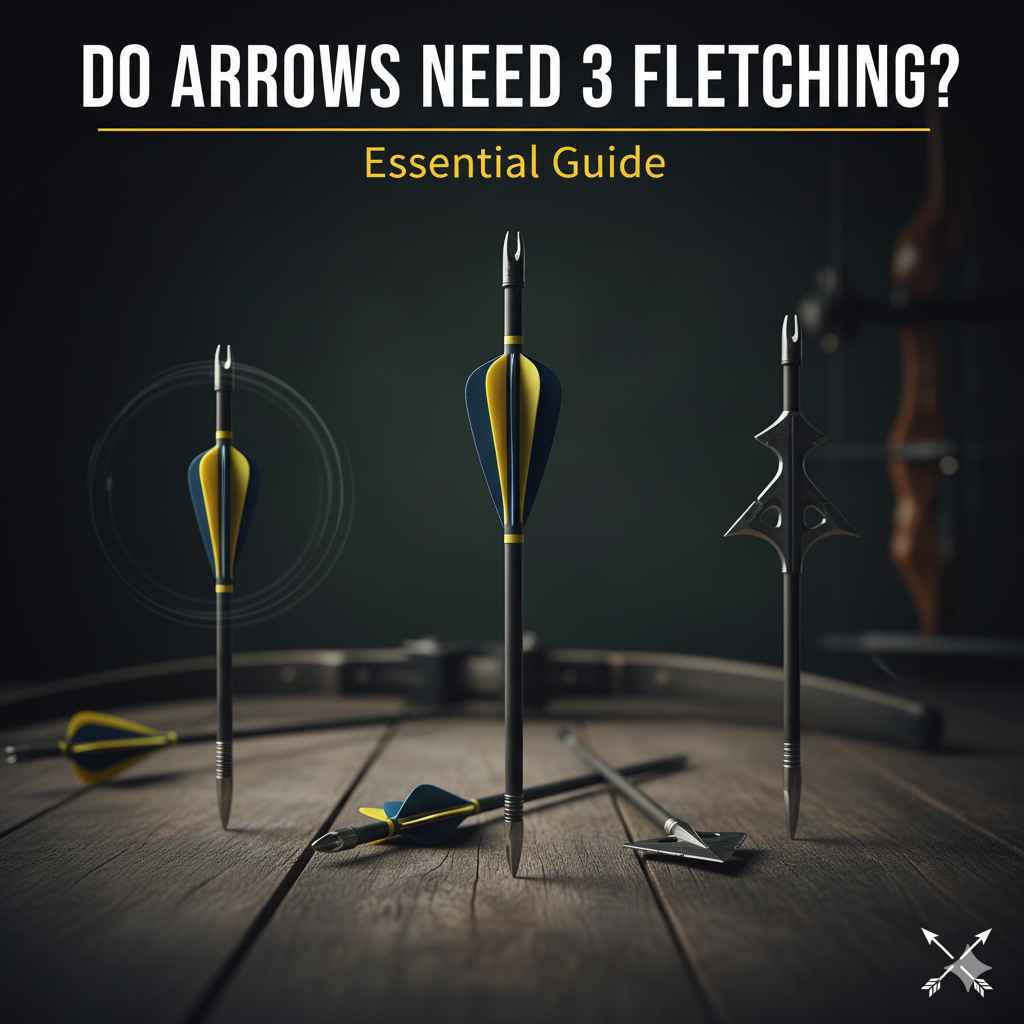
Yes, arrows typically need 3 fletchings (also called vanes or feathers) for stable flight. While 2 or 4 are possible, 3 offers the best balance of stability, forgiveness, and ease of application for most archers, especially beginners. For more on this, see our guide on Do Bows Scale With Strength In Grimrock.
For a related arrow setup, How Many Arrows To Get Drake Tail Wooden Arrows? Essential gives readers another detail to check before shooting.
For a related arrow setup, Different Kinds of Arrows: Essential Tools gives readers another detail to check before shooting.
Ever picked up an arrow and noticed those little fins at the back? They’re called fletchings, and they’re super important for making your arrow fly straight and true. You might be wondering, “Do arrows need exactly 3 fletchings?” It’s a common question for anyone just starting out in archery. Getting this right can make a big difference in how accurate your shots are, and it’s not as complicated as it might seem. We’re going to break down why fletchings matter, why 3 is usually the magic number, and what happens if you have more or fewer. Let’s get your arrows flying perfectly!
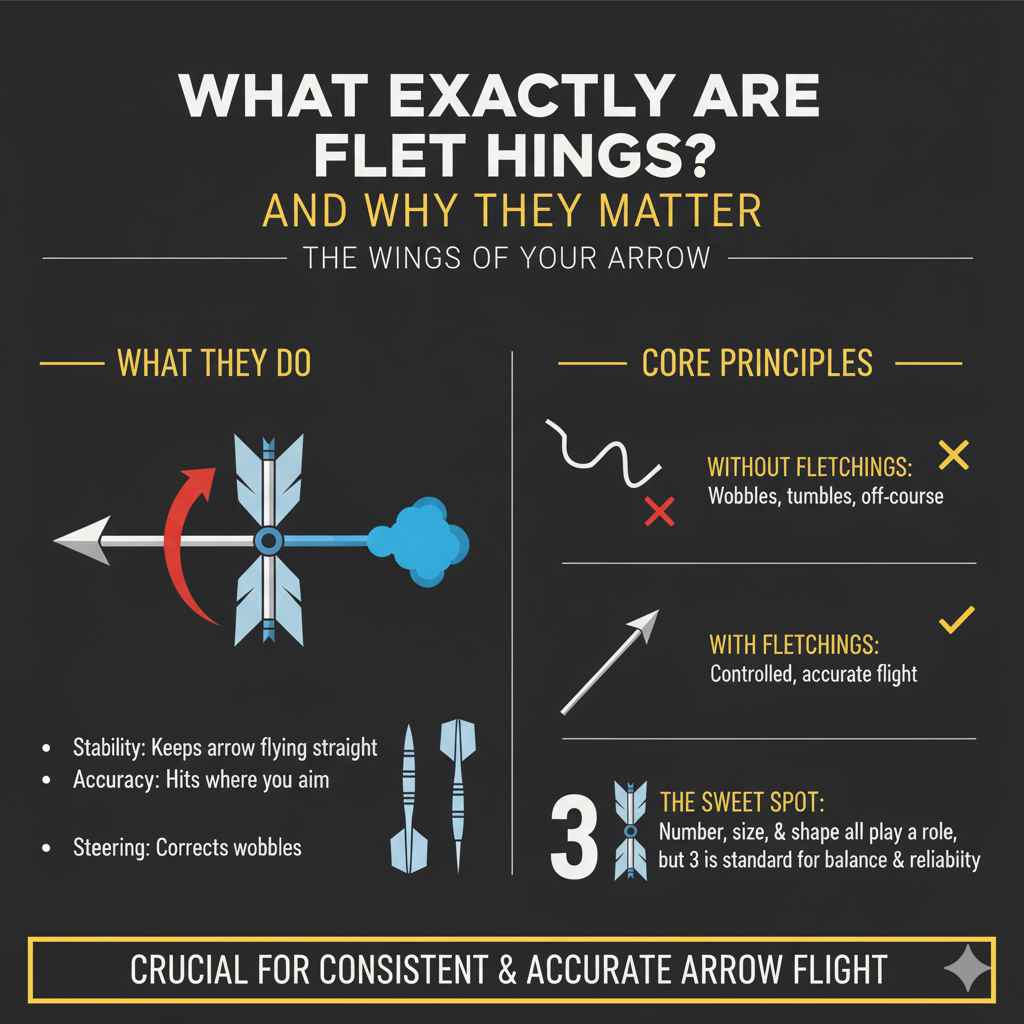
What Exactly Are Fletchings and Why Do They Matter?
Think of fletchings as the wings of your arrow. Just like a dart needs fins to fly straight, an arrow needs fletchings to stabilize its flight. When you shoot an arrow, it leaves your bow with a lot of speed. Without fletchings, this speed would cause the arrow to wobble uncontrollably, tumbling end over end or veering wildly off course. Fletchings act like tiny rudders, steering the arrow through the air and correcting any slight wobbles it develops.
The main job of fletchings is to create drag at the rear of the arrow. This drag helps to keep the front of the arrow pointed forward. Imagine trying to throw a stick – it tends to tumble. Now imagine throwing a javelin; its shape and often fins help it travel much straighter. Arrow fletchings do a similar job. They are crucial for:
- Stability: Keeping the arrow flying in a straight line after it leaves the bow.
- Accuracy: Ensuring your arrow hits where you aim by reducing erratic flight paths.
- Steering: Correcting for any sideways forces or initial inconsistencies in the shot.
The number, size, and shape of fletchings all play a role in how an arrow flies. But for most archers, especially those just getting started, the number 3 is a sweet spot that’s hard to beat.
Why 3 Is Usually the Magic Number
So, why is having three fletchings on an arrow so common? It comes down to a few key advantages that make them the standard choice for most situations and archers.
1. Optimal Gyroscopic Stability
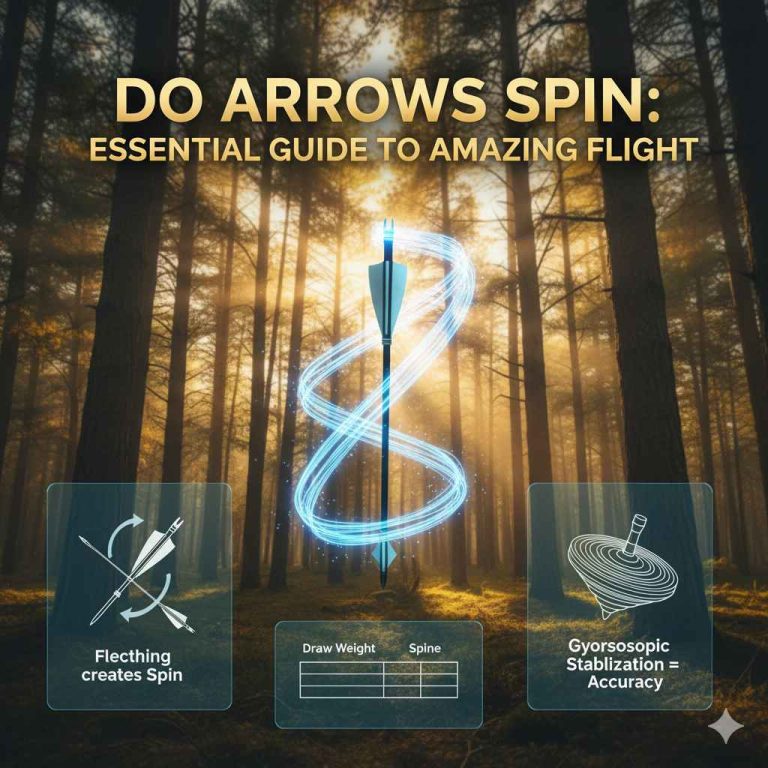
When an arrow spins (which it naturally does to a small degree as it leaves the bow), the fletchings act like the fins on a spinning top. This spinning motion, combined with the stabilizing force of the fletchings, creates gyroscopic stability. Three fletchings, spaced equally around the arrow shaft, create a perfectly balanced spin. This even distribution ensures that as the arrow flies, it maintains a straight trajectory without drifting significantly to one side.
Think of it this way: if you were to divide a circle into equal parts, three points create a very stable, balanced triangle. This symmetry is key to consistent arrow flight. Four fletchings can also achieve good stability, but sometimes they can interact with the bowstring or rest, causing issues. Two fletchings struggle to provide enough stabilizing surface area for consistent flight across all shooting conditions.
2. Easier Application and Fletching Jigs
For those who fletch their own arrows (which is a fun and rewarding part of the hobby!), 3 fletchings are generally the easiest to apply accurately. Most fletching jigs, the tools used to attach veins or feathers, are designed to accommodate 3 fletchings. These jigs ensure that each fletching is placed at the correct angle and spacing around the arrow.
If you’re buying pre-fletched arrows, 3-fletch is by far the most common configuration you’ll find. This makes it easy to replace a damaged fletching later on, as most replacement kits and tutorials assume a 3-fletch setup.
3. Balanced Drag and Flight Path
The three fletchings provide the right amount of drag without being excessive. Too much drag can slow the arrow down too much, reducing its velocity and potentially its energy upon impact. Too little drag, and you won’t get enough stabilization. Three fletchings offer a good balance, allowing the arrow to travel efficiently while remaining stable throughout its flight.
4. Forgiveness with Archery Equipment
A properly fletched arrow with 3 fletchings is more forgiving if your release isn’t perfectly clean. Small inconsistencies or imperfections in how the arrow leaves the bow are less likely to send it wildly off course due to the balanced stabilizing effect of three fletchings. This is a big plus for beginners who are still developing their shooting form.
Do Arrows Need 3 Fletching? Exploring Alternatives
While 3 fletchings are standard, you might see arrows with 2 or 4 fletchings. Let’s explore why these exist and their pros and cons.
Arrows with 2 Fletchings
Using only two fletchings is quite rare for modern archery. Historically, some primitive arrows might have had only two, or even one, stabilizing element. The main reason for using two fletchings would be to:
- Reduce Drag/Windage: Two fletchings create less drag than three, which could theoretically allow an arrow to fly slightly faster and be less affected by crosswinds.
- Clearance Issues: In extremely rare cases on certain specialized bow setups, two fletchings might be used if the arrow would otherwise contact the riser or rest with three fletchings.
However, the downsides of using only two fletchings are significant:
- Poor Stability: The biggest problem is significantly reduced aerodynamic stability. Two fletchings do not provide the same gyroscopic stability as three, leading to much more erratic flight, especially over longer distances or in windy conditions.
- Difficult to Consistent: Achieving consistent flight with only two fletchings requires a much cleaner release and greater arrow straightness.
- Less Common: Jigs and tools are typically not designed for 2-fletch setups, making them harder to apply consistently.
For practical archery, especially for beginners, 2 fletchings are generally not recommended due to the significant loss of accuracy and consistency.
Arrows with 4 Fletchings
Four fletchings are also used, though less commonly than three. They offer some potential benefits but also come with considerations:
- Increased Stability: With four fletchings, you have more surface area to provide stability. This can be beneficial for very heavy arrows or in situations where maximum stability is desired.
- Better Spin for Some Cases: Four fletchings can sometimes induce a more robust spin, which can counteract certain flight instabilities.
However, there are downsides to 4 fletchings:
- Clearance Issues: The most common problem is interference with the bow. Four fletchings can be more likely to hit the arrow rest, the bow riser, or even the string on the shot, causing flyers or deflecting the arrow. This is especially true for recurve bows with a full or partial arrow shelf.
- Increased Drag: More fletchings mean more drag, which can slow the arrow down more than a 3-fletch setup.
- More Difficult to Fletch: Applying four fletchings perfectly evenly and at the correct helical (spin) can be more challenging than with three.
- Not Necessary for Most: For the vast majority of archers and bows, the stability offered by 3 fletchings is more than sufficient.
Some compound bow shooters, particularly those using a “drop-away” arrow rest that lifts clear of the arrow, may opt for 4 fletchings to maximize stability, especially with larger diameter shafts or heavier arrows. However, for general target archery, hunting, or recreational shooting with traditional bows or basic compound setups, 3 fletchings are almost always the best choice.
Fletching Types: Feathers vs. Vanes
When we talk about fletchings, they can be made of two main materials: feathers and plastic vanes. Both have their place in archery.
Feathers
Feathers are the traditional choice for fletching arrows. They are typically made from bird flight feathers (like turkey or goose). Here’s what you should know about them:
Pros of Feathers:
- Excellent Spin: They impart a very smooth, consistent spin to the arrow, which is excellent for stability.
- Forgiving with Bows: They are very forgiving with the arrow rest and bow. They are softer and more flexible, meaning they are less likely to be damaged by contact with the bow or rest and are less likely to cause flyer arrows due to minor contact.
- Quieter: Generally, feathered arrows are quieter in flight than vaned arrows.
- Traditional Aesthetics: Many traditional archers prefer the classic look and feel of feathers.
Cons of Feathers:
- Durability: They are less durable than plastic vanes. They can be damaged by rain, humidity, or getting bent or crushed. If they get wet, they can lose their stiffness and shape, affecting flight.
- Maintenance: They may require some care, like using fletching cement to keep them in place or gently straightening them if they get bent.
- Wind Affected: Can be more susceptible to being blown around by strong winds if not perfectly stiff.
Feathers are often the preferred choice for traditional archery (recurve and longbow) and for archers shooting off the shelf of their bow. You’ll still see them used in target archery, especially for certain disciplines.
Plastic Vanes
Plastic vanes are the modern standard for most archery applications, especially for compound bows and many recurve setups that use advanced sights and arrow rests. They are made from various types of plastic and come in many shapes and sizes.
Pros of Vanes:
- Durability: They are much more durable than feathers. They can withstand moisture, impacts, and general rough handling better.
- Consistency: Once glued on, they maintain their shape and stiffness very consistently, leading to reliable flight.
- Aerodynamics: Modern vanes are designed with advanced aerodynamics in mind, providing excellent stability.
- Less affected by weather: They perform consistently in various weather conditions, including rain and high humidity.
Cons of Vanes:
- Potential for Contact Issues: They are stiffer than feathers and can be more prone to creating flyer arrows if they contact the arrow rest or bow riser upon release. This is why many compound shooters use drop-away rests.
- Noise:** Can be slightly noisier in flight compared to feathers.
- Less Traditional Look: Some archers find they lack the classic aesthetic of feathers.
Modern vanes come in various lengths, heights, and profiles (e.g., low-profile for compound bows, taller for more drag and stability). For beginners, vanes are often the more practical and lower-maintenance choice, especially if shooting a compound bow.
How Fletching Angle Affects Flight
Besides the number and type, the angle at which fletchings are attached to the arrow shaft is crucial for proper flight. There are two main types of angles:
1. Straight (Linear) Fletching
With straight fletching, the fletching is attached parallel to the arrow shaft. This doesn’t impart any spin to the arrow. While it provides some stabilization from the drag created by the fletching’s surface, it’s generally less effective than helical fletching.
Straight fletching can be useful in specific situations, such as when the arrow is designed to be shot from a very specialized rest that already imparts significant spin, or for certain types of barebow shooting where minimal contact is preferred. However, for most archers, it leads to less stable flight and can be less forgiving.
2. Helical Fletching
Helical fletching means the fletching is attached at a slight angle to the arrow shaft, causing the arrow to spin as it flies. This spin is key to achieving gyroscopic stability, just like a rifle bullet or a spinning top.
A good helical angle provides both stability and can help to straighten out an arrow that might be slightly bent or imperfect. This is why helical fletching is the preferred method for most archery applications, as it results in a truer, more consistent flight path. Most fletching jigs apply a helical angle automatically.
The degree of helix can also vary; a steeper helix imparts more spin but also more drag, while a shallower helix imparts less spin and drag. The optimal angle often depends on the fletching size, arrow spine, and shooting style.
To learn more about the physics of arrow flight, consider resources from organizations like the USA Archery, which often details the biomechanics and physics involved in the sport.
The Pros and Cons of 3 Fletchings: A Quick Look
Let’s summarize the benefits and potential drawbacks of the standard 3-fletching setup:
| Aspect | Pros | Cons |
|---|---|---|
| Stability | Excellent gyroscopic stability due to balanced spin. | Slightly less surface area than 4 fletchings, though usually sufficient. |
| Ease of Application | Most common and easiest to apply with standard fletching jigs. | Requires proper spacing and angle for optimal results. |
| Bow Clearance | Generally provides good clearance with most arrow rests and risers. | Can still cause contact issues with certain very sensitive setups or aggressive helical wraps. |
| Drag & Speed | Good balance of drag for stability without excessive speed loss. | More drag than 2 fletchings, leading to slightly reduced velocity. |
| Forgiveness | More forgiving of minor release imperfections than 2 fletchings. | Less forgiving than a perfectly tuned system where arrow contact is minimized. |
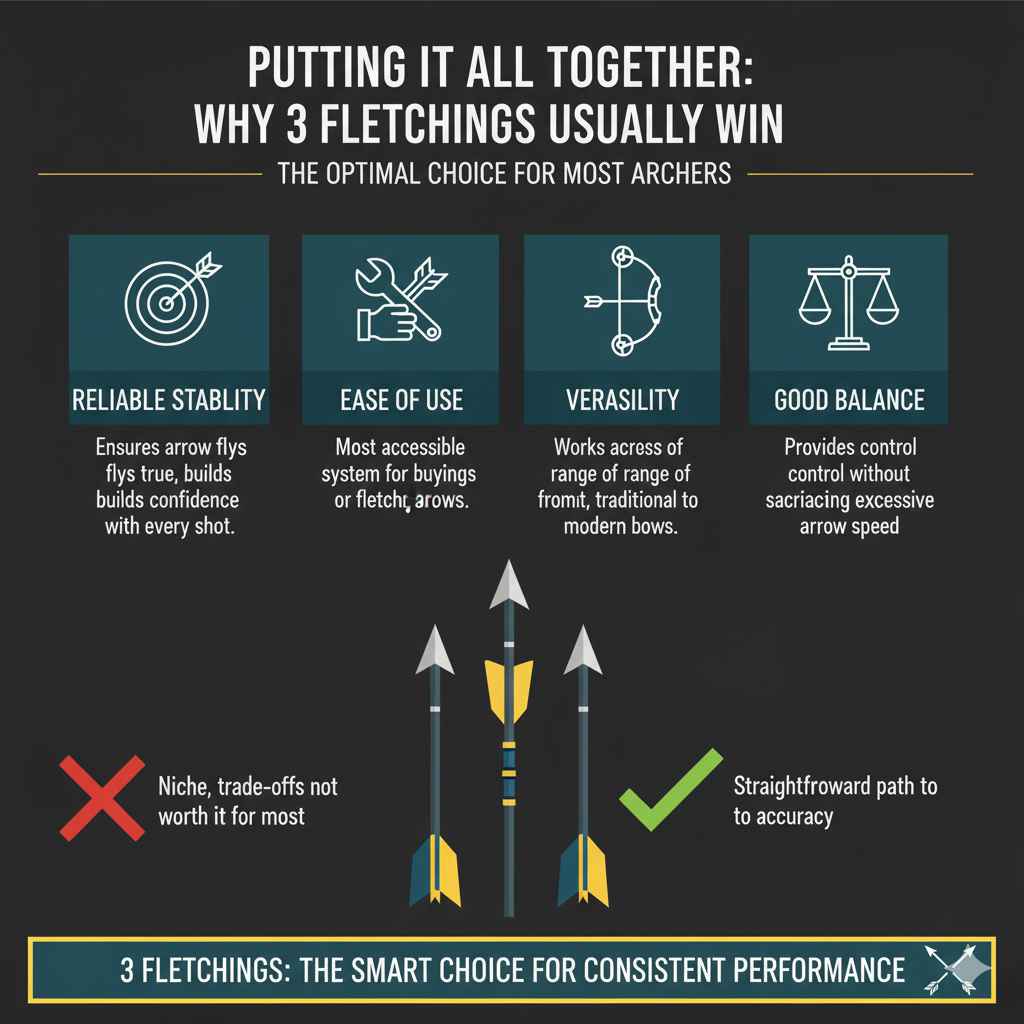
Putting it all Together: Why 3 Fletchings Usually Win
For beginners and most intermediate archers, the answer to “Do arrows need 3 fletchings?” is a resounding yes. This configuration offers the best combination of:
- Reliable Stability: It ensures your arrow flies true, helping you build confidence with every shot.
- Ease of Use: Whether you’re buying arrows or learning to fletch, the 3-fletch system is the most accessible.
- Versatility: It works well across a wide range of archery equipment, from traditional bows to modern compound bows.
- Good Balance: It provides the right amount of drag for control without excessively sacrificing arrow speed.
While there might be niche reasons for 2 or 4 fletchings, they come with significant trade-offs that are generally not worth it for most who are learning or honing their archery skills. Sticking with 3 fletchings is the most straightforward path to good arrow flight and improved accuracy.
Frequently Asked Questions (FAQs)
1. Can I shoot an arrow with only one fletching?
It is highly unlikely you would be able to shoot an arrow with just one fletching with any degree of accuracy. A single fletching would not provide enough aerodynamic stability to keep the arrow flying straight, causing it to tumble uncontrollably. Archery arrows require multiple fletchings to stabilize their flight.
2. Will more fletchings make my arrow fly straighter?
More fletchings (like 4 or 5) can increase stability by providing more surface area. However, they also create more drag, which slows the arrow down. Crucially, more fletchings can interfere with the arrow rest or bow riser, causing flyer arrows and reducing accuracy. For most applications, 3 fletchings offer the best balance of stability and efficiency.
3. What happens if my fletchings are damaged?
If your fletchings are damaged (bent, torn, or falling off), your arrow will likely fly erratically. It might wobble, veer off course, or even spin incorrectly. Damaged fletchings significantly reduce accuracy. It’s best to inspect your arrows before each shooting session and replace any fletchings that are compromised.