Aluminum vs Carbon Arrows for Target: A Beginner’s Guide
When I first got into archery, I stood in a store aisle, staring at rows of shiny aluminum and sleek carbon arrows, totally confused. My old recurve bow was ready, but I had no clue which arrows to pick for backyard target practice. Sound familiar? This article dives into aluminum vs carbon arrows for target shooting, breaking it down for beginners, enthusiasts, and even advanced archers in the USA. I’ll share what I’ve learned from years of shooting, plus simple tips, comparisons, and a fun example to get you started. Whether you’re aiming at a backyard target or a competition bullseye, I’ve got you covered with easy advice and a few laughs along the way!

BOWSOUL
BOWSOUL 31 Inch Carbon Target Hunting Arrows…
- Archery carbon arrows Shaft length: 30", whole arrow length: 31.5", 0D: 0.309", ID: 0.244" Spine: 500. For draw weight 30-60 pound…
- The arrow nocks and Pin Nock System , which will increasing the life and safety of the arrow. Nocks are not fixed by glue.
- The 3" Shield TPU vanes offer exceptional resilience and fast recovery. Brightly coloured plastic fletching ensures consistent fli…
As an Amazon Associate I earn from qualifying purchases.
What Are Aluminum and Carbon Arrows?
Arrows are the heart of archery, and picking the right ones is key. Aluminum arrows are made from a lightweight metal, while carbon arrows use a strong, woven material called carbon fiber. Both are great for target shooting, but they’re different in how they feel, fly, and hold up. Aluminum arrows were the go-to for years, but carbon arrows have taken over for many archers because they’re faster and tougher. Choosing between them depends on your bow, budget, and shooting style.
Why It Matters for Target Shooting
Target shooting is all about hitting the mark, so your arrows need to fly straight and stay reliable. Aluminum arrows are heavier, which can make them steadier in some setups. Carbon arrows are lighter and faster, which is awesome for tighter groups at long distances. I once shot aluminum arrows at 20 yards and loved their smooth feel, but switching to carbon gave me better speed for 50-yard targets. Let’s break down the differences to help you decide.
Comparing Aluminum and Carbon Arrows
Let’s look at how aluminum and carbon arrows stack up for target shooting. I’ve put together a simple table to show the key points, based on my own trial and error and what I’ve seen on ranges.
| Feature | Aluminum Arrows | Carbon Arrows |
|---|---|---|
| Weight | Heavier, slower flight | Lighter, faster flight |
| Durability | Can bend, but easy to fix | Hard to bend, but can crack |
| Cost | Cheaper, around $5–$10 per arrow | More expensive, $8–$15 per arrow |
| Best For | Beginners, indoor targets | Advanced shooters, long-range targets |
Table 1: Aluminum vs Carbon Arrows for Target Shooting Comparison
Aluminum Arrows: Pros and Cons
Aluminum arrows, like the Easton XX75, are a classic choice. They’re affordable and forgiving for newbies. When I started, I dented a few, but I could bend them back into shape with a little care. They’re great for short-range targets (20–30 yards) because their weight helps them fly steady.
- Pros: Cheap, easy to fix, great for indoor or short-range shooting.
- Cons: Can bend permanently, heavier, slower at long distances.
Carbon Arrows: Pros and Cons
Carbon arrows, like the Easton Carbon Raider, are light and zippy. They’re my go-to for outdoor ranges because they cut through wind better. But they’re pricier, and if they crack, they’re done for. I learned this the hard way when I Robinhooded one (yep, shot an arrow into another—cool but costly!).
- Pros: Fast, durable, great for long-range or outdoor shooting.
- Cons: More expensive, can shatter if damaged, need regular checks.
How to Choose the Right Arrow for Your Bow
Picking arrows starts with your bow’s draw weight and your shooting goals. Here’s a simple guide to match arrows to your setup, based on my own backyard experiments.
- Check Your Bow’s Draw Weight: Most bows list this (e.g., 20–30 pounds for beginners). Aluminum arrows work well for lower draw weights, while carbon shines with higher ones.
- Measure Arrow Length: Use a tape measure from your bowstring to about an inch past your rest. I use 30-inch arrows for my 28-inch draw length.
- Pick a Spine Rating: This measures arrow stiffness. For a 20–30-pound bow, try 600–800 spine for aluminum or 400–600 for carbon. Check manufacturer charts like those from Easton Archery.
- Test and Tune: Shoot a few arrows at a target. If they wobble, adjust your bow or try a different spine.
Tip: Start with a six-pack of arrows to test. It’s cheaper than buying a dozen you might not like!
A Fun Backyard Target Practice Setup
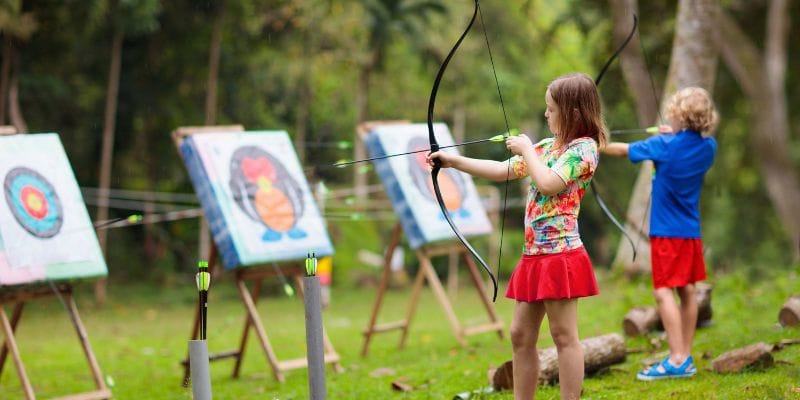
Want to try target shooting at home? Here’s a simple setup I use in my backyard to test aluminum and carbon arrows. It’s easy, safe, and fun for all skill levels.
- Get a Target: Grab a foam target block (about $30 at Dick’s Sporting Goods). They stop arrows safely.
- Set Up a Safe Space: Place the target 10–20 yards from where you shoot. Ensure no one’s behind it (pets included!).
- Choose Your Arrows: Try a mix of aluminum (e.g., Easton XX75) and carbon (e.g., Black Eagle Outlaw). I started with three of each.
- Shoot and Compare: Fire three shots with each type at 20 yards. Note how they feel and group on the target.
Last summer, I set this up for my niece’s first archery lesson. The aluminum arrows were easier for her to handle with her 20-pound bow, but she loved watching the carbon arrows zip faster. It was a blast, and we laughed when one shot went wild into the grass!
Safety Tips for Target Shooting
Archery is fun, but safety comes first. Here are three tips I wish I knew when starting:
- Check Arrows Before Shooting: Bend aluminum arrows gently to spot dents. Flex carbon arrows to check for cracks. A damaged arrow can break mid-shot, which is scary!
- Use a Backstop: A thick blanket or net behind your target catches stray arrows. I learned this after losing one in my neighbor’s yard (oops!).
- Wear an Armguard: It protects your forearm from string slap. Trust me, it stings!
Cost-Saving Ideas and Common Mistakes
Archery can pinch your wallet, but I’ve got tricks to save cash and avoid rookie errors.
Cost-Saving Tips
- Buy in Bulk: Six-packs of aluminum arrows (like Easton XX75) cost less per arrow than singles.
- Reuse Arrows: Straighten bent aluminum arrows with a flat surface. Carbon arrows need replacing if cracked, but they last longer if cared for.
- Shop Sales: Check sites like Lancaster Archery for deals on both arrow types.
Common Mistakes to Avoid
- Ignoring Spine Match: Wrong spine ratings make arrows wobble. Double-check your bow’s draw weight.
- Skipping Arrow Checks: I once shot a cracked carbon arrow, and it splintered mid-air. Always inspect first!
- Buying Too Many: Don’t splurge on a dozen arrows until you test a few. My first dozen carbons were too stiff for my bow—a pricey mistake!
Personal Insights from the Range
After years of shooting, I lean toward carbon arrows for outdoor targets because they’re fast and cut through wind. But I keep aluminum arrows for indoor practice—they’re cheaper, and I don’t cry if I dent one. My friend swears by aluminum for his kids’ NASP program since they’re durable for rough handling. Try both to see what feels right. It’s like picking a favorite ice cream—both are great, but one might suit you better!
Here’s a quick table to sum up when to choose each:
| Scenario | Best Arrow Type | Why |
|---|---|---|
| Beginner, indoor shooting | Aluminum | Cheaper, forgiving, easy to fix |
| Outdoor, long-range targets | Carbon | Faster, less wind drift, durable |
| Kids or rough handling | Aluminum | Stands up to dents, budget-friendly |
Table 2: When to Choose Aluminum or Carbon Arrows
Visual Idea: A simple diagram showing an arrow’s parts (shaft, nock, fletching, point) could help newbies understand terms. Another idea is a side-by-side sketch of aluminum vs carbon arrow flight paths to show speed differences.

Conclusion
Choosing between aluminum and carbon arrows for target shooting boils down to your bow, budget, and goals. Aluminum arrows are budget-friendly and great for beginners or indoor ranges, while carbon arrows shine for speed and long-range accuracy. Try the backyard setup I shared, test a few arrows, and see what clicks. Archery is all about practice and fun, so grab some arrows and start shooting! Got a favorite arrow type or a cool target story? Share it in the comments—I’d love to hear! For more tips, check out Archery Business to keep learning.
Frequently Asked Questions
What Are Aluminum Arrows Best For?
Aluminum arrows are great for beginners, indoor shooting, or kids’ programs like NASP. They’re cheaper (around $5–$10 each) and can be straightened if bent, making them forgiving for new archers.
Why Choose Carbon Arrows for Target Shooting?
Carbon arrows are faster and lighter, ideal for outdoor or long-range targets (30–70 yards). They resist bending but need checking for cracks to stay safe.
Can I Use Both Arrow Types with One Bow?
Yes, if the spine rating matches your bow’s draw weight. Test both to see which groups better. I’ve used both with my recurve, adjusting for spine.
How Do I Know If My Arrows Are Damaged?
Bend aluminum arrows gently to check for dents. Flex carbon arrows to listen for cracking sounds. Damaged arrows can break, so inspect before every shoot.
Are Carbon Arrows Worth the Extra Cost?
For long-range or competitive shooting, yes—carbon’s speed and durability shine. For casual backyard targets, aluminum’s affordability is hard to beat.
How Long Do Arrows Last?
Aluminum arrows last years if kept straight. Carbon arrows can last just as long but need regular checks for cracks, especially with frequent use.
Where Can I Buy Good Arrows?
Try Easton Archery or Lancaster Archery for quality aluminum and carbon arrows. Local shops often have deals too!
Related pick: Check today's price on Amazon