Hungarian Horse Bows: Recurve or Not?
Hey there! If you’re curious about whether Hungarian horse bows are recurve, you’re in for a treat. As someone who’s spent countless hours shooting, researching, and talking about archery, I’ve fallen in love with the elegance and history of Hungarian horse bows. These bows are steeped in tradition, and their unique design sparks a lot of questions, especially about their recurve nature. In this article, I’ll take you through everything you need to know about Hungarian horse bows, why they’re considered recurve, and what makes them so special. Whether you’re a beginner or a seasoned archer, I’m excited to share my journey with these incredible bows and help you understand their place in archery today. Let’s dive in!
longbowmaker
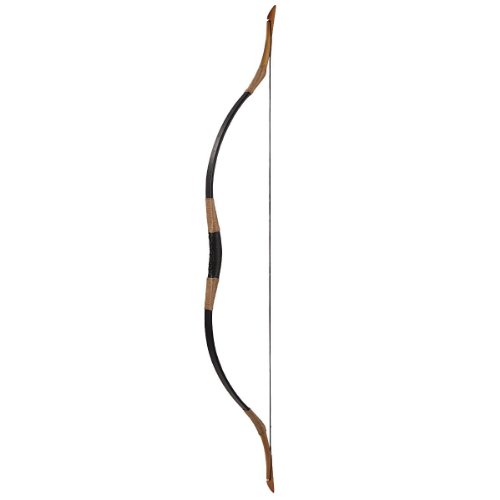
Hungarian Style Handmade Longbow Flagella Recurve Horsebow…
- ATTENTION: The original package is the unstrung status for safe transportation, NOT WRONG SIDE. Customer needs to strung it. If yo…
- Draw weight: 20-110LBS
- Bow Body Length: 54" ; String Length:50"; Draw Length: 28 inches ; Safe Draw Length:33 inchs
As an Amazon Associate I earn from qualifying purchases.
For a closely related bow or archery topic, Are Bear Super Kodiak Recurve Bows Sold? Essential gives readers a useful next step.
What Are Hungarian Horse Bows?
When I first heard about Hungarian horse bows, I pictured warriors galloping across the plains, firing arrows with deadly precision. That image isn’t far off! Hungarian horse bows are traditional bows rooted in the history of the Magyar people, the nomadic tribes who roamed the Eurasian steppes centuries ago. These bows were designed for horseback archery, a skill the Hungarians mastered during their conquests in the 9th and 10th centuries.
What makes these bows stand out is their compact size and incredible power. They’re shorter than modern longbows or even standard recurve bows, which made them perfect for use on horseback. I remember holding one for the first time—it felt light yet sturdy, with a sleek design that screamed both history and functionality. Typically, these bows are made with a combination of wood, horn, and sinew, though modern versions often use fiberglass and laminated wood for durability. The craftsmanship is a blend of ancient techniques and modern materials, creating a bow that’s both authentic and reliable.
The defining feature of Hungarian horse bows is their shape. When unstrung, they curve backward, away from the archer, in a dramatic reflex design. This is where the recurve question comes in, and I’ll explain that in detail soon. For now, know that these bows are built for speed, accuracy, and portability, making them a favorite for traditional archers and reenactors today.
Are Hungarian Horse Bows Recurve?
Let’s get to the heart of the question: Are Hungarian horse bows recurve? The short answer is yes, they are! But let me break it down for you, as I did when I was trying to wrap my head around this myself.
A recurve bow is any bow where the limbs curve away from the archer when unstrung, forming a “C” shape. When strung, the limbs bend back toward the archer, storing more energy than a straight-limbed bow. This design gives recurve bows their signature power and efficiency. Hungarian horse bows fit this definition perfectly. Their limbs have a pronounced backward curva when unstrung, and when strung, they take on a smooth, double-curved shape that maximizes energy storage.
I learned this firsthand when I shot a Hungarian horse bow at a local archery range. The draw felt smoother than I expected, and the arrow flew faster than with my old longbow. That’s because the recurve design allows the bow to store more energy early in the draw, releasing it with incredible force. The recurve shape also makes the bow shorter, which was crucial for the Hungarians who needed a compact weapon for horseback combat.
To make it clearer, here’s a quick comparison of Hungarian horse bows to other bow types:
| Bow Type | Limb Shape (Unstrung) | Length | Primary Use |
|---|---|---|---|
| Hungarian Horse Bow | Backward curve (recurve) | 48-56 inches | Horseback archery, hunting, target |
| Longbow | Straight or slight curve | 60-72 inches | Hunting, warfare, target shooting |
| Modern Recurve Bow | Backward curve (recurve) | 58-70 inches | Olympic archery, hunting, target |
| Composite Bow (General) | Backward curve (recurve) | 40-60 inches | Horseback archery, warfare |
The recurve design of Hungarian horse bows sets them apart from longbows and aligns them with other composite bows, like Mongolian or Scythian bows. But their unique history and construction make them a distinct category, which I’ll explore next.
The History Behind Hungarian Horse Bows
When I started digging into the history of Hungarian horse bows, I was fascinated by how deeply they’re tied to the Magyar people. The Magyars, who later became known as Hungarians, were nomadic warriors who arrived in the Carpathian Basin around 896 AD. They were feared for their lightning-fast horseback archery tactics, which relied heavily on their powerful recurve bows.
These bows weren’t just tools; they were symbols of survival and conquest. The Magyars used them to hunt, protect their herds, and wage war. Their enemies, like the Byzantine Empire, even paid tribute to avoid their raids! I read accounts, like one from Regino of Prüm in 908 AD, describing how the Magyars’ arrows were so skillfully shot that opponents could barely protect themselves. That’s the kind of legacy these bows carry.
Traditional Hungarian horse bows were composite bows, meaning they were made by laminating materials like wood, horn, and sinew. The horn on the belly (the side facing the archer) compressed during the draw, while the sinew on the back stretched, storing massive energy. This made the bows incredibly efficient for their size. However, these materials were sensitive to moisture, so the Magyars wrapped them in leather or bark to keep them dry.
Today, bowyers like Lajos Kassai and Imre Nagy have revived this ancient craft, blending traditional designs with modern materials like fiberglass. When I visited a bowyer’s shop, I saw how much care goes into crafting each bow. It’s like watching history come alive, and it gave me a deeper appreciation for the skill behind these recurve masterpieces.
Why Are Hungarian Horse Bows Recurve?
Now, let’s dive deeper into why Hungarian horse bows are recurve. When I first asked this question, I thought it might just be a design choice for aesthetics. But it’s so much more than that—it’s about function, physics, and survival.
The recurve design was a game-changer for nomadic archers like the Magyars. Here’s why:
- Compact Size: A recurve bow’s curved limbs allow it to be shorter than a longbow while delivering the same or greater power. This was critical for horseback archery, where a long bow would be cumbersome. I’ve tried shooting a Hungarian horse bow while moving (not on a horse, mind you!), and its compact size made it feel like an extension of my arm.
- Increased Power: The recurve shape stores more energy during the draw. When you release the string, that energy transfers to the arrow, giving it incredible speed and force. I was amazed at how fast my arrows flew compared to a straight-limbed bow.
- Smooth Draw: The recurve design makes the draw feel smoother, even at higher draw weights. When I pulled back a 40-pound Hungarian horse bow, it didn’t feel as taxing as I expected, thanks to the way the limbs flex.
- Versatility: The recurve shape allows for a longer draw length without stacking (when the bow becomes harder to pull). This is great for archers with longer arms, like me, who need that extra draw length for accuracy.
The recurve design wasn’t just a happy accident—it was a deliberate innovation by nomadic cultures to create a weapon that was portable, powerful, and precise. When I shoot my Hungarian horse bow, I feel connected to that ingenuity, like I’m channeling the spirit of those ancient warriors.
How Hungarian Horse Bows Compare to Other Recurve Bows
As I explored Hungarian horse bows, I couldn’t help but compare them to other recurve bows, like modern Olympic recurves or Mongolian horse bows. Each has its own strengths, but Hungarian horse bows have a unique charm.
Compared to modern recurve bows, Hungarian horse bows are shorter and lighter, making them ideal for dynamic shooting styles like horseback archery or instinctive shooting. Modern recurves, often used in Olympic archery, have longer limbs and are designed for precision with sights and stabilizers. I tried shooting a modern recurve after using a Hungarian bow, and while the modern bow was more forgiving for target shooting, it lacked the raw, traditional feel of the horse bow.
Mongolian horse bows, another type of composite recurve, are similar to Hungarian bows but differ in design. Mongolian bows tend to be bulkier and have wider limbs, which some archers find less comfortable for long sessions. I found the Hungarian bow’s slimmer profile easier to handle, especially when practicing thumb draw—a technique common in traditional archery.
Here’s a quick breakdown of how Hungarian horse bows stack up:
| Feature | Hungarian Horse Bow | Modern Recurve Bow | Mongolian Horse Bow |
|---|---|---|---|
| Length (Strung) | 48-56 inches | 58-70 inches | 50-54 inches |
| Draw Weight | 20-110 pounds | 20-50 pounds | 30-80 pounds |
| Materials | Wood, fiberglass, leather | Fiberglass, carbon fiber | Wood, horn, sinew |
| Primary Use | Horseback, traditional | Olympic, target shooting | Horseback, traditional |
| Draw Feel | Smooth, minimal shock | Very smooth, precise | Firm, slightly heavier |
For me, the Hungarian horse bow strikes a perfect balance between tradition and performance. It’s not as refined as a modern recurve, but that’s part of its appeal—it’s a bow with soul.
Benefits of Using a Hungarian Horse Bow
Shooting a Hungarian horse bow has been one of the most rewarding experiences in my archery journey. Here are some benefits I’ve discovered:
- Portability: Their compact size makes them easy to carry, whether you’re hiking to a range or practicing in a small backyard. I’ve taken mine on camping trips, and it fits easily in my pack.
- Versatility: These bows are great for multiple styles, from target shooting to hunting to reenactments. I’ve used mine for instinctive shooting, where you aim without sights, and it’s incredibly fun.
- Speed and Power: The recurve design delivers fast arrow speeds, even with lighter draw weights. I was surprised at how much punch a 30-pound Hungarian bow packed compared to a similar longbow.
- Cultural Connection: Shooting a Hungarian horse bow feels like stepping into history. It’s not just about hitting a target; it’s about honoring a tradition that’s centuries old.
- Forgiving Nature: Despite their power, these bows are forgiving for beginners. The longer length (compared to other horse bows) makes them easier to shoot accurately, which was a relief when I was starting out.
One thing to note: the suede arrow pass on some models can wear out quickly. I replaced mine with rayskin, as some archers recommend, and it made a big difference in durability.
Challenges of Using a Hungarian Horse Bow
No bow is perfect, and Hungarian horse bows have their quirks. Here’s what I’ve learned from my experience:
- Learning Curve: If you’re used to modern recurves or longbows, the thumb draw technique common with horse bows can be tricky. My thumb was sore for weeks until I built up strength and got a proper thumb ring.
- Maintenance: Traditional materials like horn and sinew are sensitive to moisture, so you need to keep the bow dry. Even modern versions with fiberglass need care to avoid damage to the leather wrapping.
- Length: At 52-56 inches when strung, Hungarian horse bows are longer than other horse bows, like Tatar or Turkish bows. This can make them slightly less agile for horseback archery, though they’re still manageable.
- String Wear: The included strings on some models are thick and can wear out fast. I swapped mine for a 50-inch Legend AMO string, which improved performance.
Despite these challenges, I found that with practice and care, the rewards of shooting a Hungarian horse bow far outweigh the drawbacks.
Who Should Use a Hungarian Horse Bow?
When I recommend Hungarian horse bows to friends, I always ask about their goals. These bows are perfect for:
- Traditional Archery Enthusiasts: If you love the history and craft of archery, these bows are a dream. They connect you to a time when archery was a way of life.
- Horseback Archers: While longer than some horse bows, they’re still compact enough for mounted shooting. I’ve seen reenactors use them with stunning accuracy.
- Beginners: The forgiving nature and range of draw weights (20-110 pounds) make them accessible for new archers. I started with a 30-pound model and worked my way up.
- Hunters: With higher draw weights, these bows are powerful enough for hunting deer or elk. I haven’t hunted with mine yet, but I’ve heard from others who swear by them.
If you’re into Olympic-style archery with sights and stabilizers, a modern recurve might suit you better. But for a raw, authentic experience, the Hungarian horse bow is hard to beat.
Tips for Choosing and Using a Hungarian Horse Bow
Here are some tips I wish I’d known when I started:
- Pick the Right Draw Weight: Start with a lower weight (20-30 pounds) if you’re new or practicing thumb draw. I made the mistake of jumping to 40 pounds too soon and regretted it!
- Use Feather Arrows: Feather fletching works best to avoid obstructing the arrow path. I use 500-spine arrows for my 35-pound bow, and they fly beautifully.
- Protect Your Arm: The string can slap your forearm, especially with thumb draw. I always wear an armguard and finger tab for safety.
- Replace the String: If the included string feels thick or wears out, upgrade to a high-quality one. It makes a big difference in speed and feel.
- Practice Instinctive Shooting: Hungarian horse bows shine in instinctive archery, where you aim by feel. I spent hours practicing this, and it’s now my favorite way to shoot.
Where to Buy Hungarian Horse Bows
Finding a quality Hungarian horse bow can be a journey in itself. I’ve bought mine from reputable sources like 3Rivers Archery and The Longbow Shop, which offer a range of models from bowyers like Kassai and Arcus. Online marketplaces like Amazon also have options, such as the Longbowmaker Hungarian Horse Bow, but be cautious of low-quality knockoffs. If you want an authentic experience, look for handcrafted bows from Hungarian makers like Imre Nagy or BY BEIER GERMANY.
Prices typically range from $150 to $500, depending on materials and craftsmanship. I’d recommend checking reviews and watching videos from archers like Armin Hirmer on YouTube for insights before buying.
My Personal Experience with Hungarian Horse Bows
I’ll never forget the first time I shot a Hungarian horse bow. It was at a traditional archery event, and the bowyer handed me a 35-pound model. The grip felt natural, and the draw was surprisingly smooth. When I released the arrow, it zipped to the target with a speed I didn’t expect. Since then, I’ve spent countless hours practicing, experimenting with thumb draw, and even joining a local reenactment group to try horseback archery (which was harder than it looks!).
What I love most is how these bows make me feel connected to history. Every shot feels like a nod to the Magyar warriors who relied on these bows for survival. Sure, there’s a learning curve, and my thumb took a beating at first, but the joy of mastering this bow is unmatched.
Conclusion
So, are Hungarian horse bows recurve? Absolutely, and that’s what makes them so remarkable. Their recurve design, rooted in centuries of nomadic ingenuity, delivers power, speed, and portability in a compact package. Whether you’re drawn to their historical significance, their performance, or their sheer beauty, these bows offer something special for every archer. For me, shooting a Hungarian horse bow has been a journey of discovery, connecting me to a tradition that’s as alive today as it was a thousand years ago.
If you’re thinking about trying one, I encourage you to take the plunge. Start with a lower draw weight, practice your technique, and embrace the challenge. You’ll be amazed at how these bows transform your archery experience. I’d love to hear about your adventures with Hungarian horse bows—drop a comment on my blog and let’s keep the conversation going!
FAQs
What Makes Hungarian Horse Bows Different from Other Recurve Bows?
Hungarian horse bows are shorter and designed for horseback archery, with a focus on portability and power. Unlike modern recurve bows used in Olympic archery, they lack sights and stabilizers, emphasizing instinctive shooting. Their construction often blends traditional materials like wood and leather with modern fiberglass for durability.
Can Beginners Use Hungarian Horse Bows?
Yes, beginners can use them! I started with a 30-pound draw weight, which was manageable. The bows are forgiving due to their longer length compared to other horse bows. Just be prepared for a learning curve if you try thumb draw.
Are Hungarian Horse Bows Suitable for Hunting?
Absolutely! With draw weights up to 110 pounds, they’re powerful enough for hunting large game like deer or elk. I’ve heard from hunters who love their speed and accuracy, though you’ll need a draw weight of at least 40 pounds for ethical hunting.
How Do I Maintain a Hungarian Horse Bow?
Keep it dry, especially if it has traditional materials like horn or sinew. Store it unstrung in a cool, dry place. For modern versions, check the leather wrapping and string regularly for wear. I replaced my string after a few months to maintain performance.
Where Can I Learn More About Hungarian Horse Bows?
Check out YouTube channels like Armin Hirmer’s for reviews and shooting tips. Websites like 3Rivers Archery and The Longbow Shop also have great resources. Joining a local archery club or reenactment group can connect you with other enthusiasts.
Related pick: Check today's price on Amazon