How Did Native Americans Shoot Bows: Mastering the Skill
Imagine stepping back in time, where the land stretched vast and untamed. You find yourself among Native Americans, who were masters of survival, tradition, and skill.
For a closely related bow or archery topic, Are Bows Cheaper to Shoot Than Guns? Uncover Savings gives readers a useful next step.
For a closely related bow or archery topic, Did The Mongols Create Composite Bows? Essential gives readers a useful next step.
For a closely related bow or archery topic, Do bows benefit from critical draw Secret gives readers a useful next step.
One of their most remarkable abilities was shooting bows with unmatched precision and artistry. Have you ever wondered how they achieved such mastery? This isn’t just a tale of ancient techniques; it’s an exploration of human ingenuity and the secrets behind a craft honed through generations.
Discover how these skilled individuals transformed simple materials into powerful weapons, and learn how you can apply their focus and dedication in your own life. As you delve deeper, you’ll uncover not just the mechanics of bow shooting, but the deeper cultural significance that made it a vital part of Native American life. Prepare to be intrigued and inspired by the legacy of these remarkable archers.
Historical Context Of Native American Archery
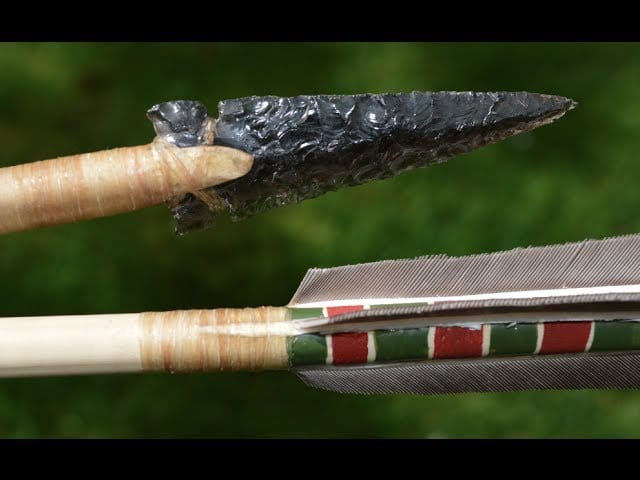
Native Americans have a rich history with archery. They crafted bows from wood and sinew. Each tribe had its own style and method. The bow was a vital tool for hunting and defense. It was light, strong, and easy to carry. Arrows were made with feathers for balance. Sharp stones served as the arrowheads.
Archery required great skill and patience. Hunters practiced to hit targets from far away. They learned to shoot quickly and quietly. This skill was passed down through generations. Young boys learned from their elders. Stories and teachings kept the tradition alive. Bows and arrows were more than tools. They were a part of daily life and survival.
Types Of Bows Used
Native Americans made bows from a single piece of wood. They crafted these bows by hand. Hardwoods like oak or hickory were popular choices. Tools were simple. They used stone or bone for cutting. The bow needed to be strong but also flexible. This helped in shooting arrows far. Straight branches were best for making these bows. Bending and shaping took time. But the result was effective in hunting and battle.
Composite bows were more complex. They used different materials like wood, horn, and sinew. This combination made the bow stronger. It could shoot further and faster. Making them took more skill. These bows were shorter than self bows. Glue held the parts together. Native Americans sometimes decorated them. They used paints or carvings. Composite bows worked well in different climates.
Materials And Craftsmanship
Native Americans chose the best wood for making bows. They often used yew, osage orange, and ash. These woods were strong and flexible. First, they cut the wood into long pieces. Then, they dried the wood slowly. This made it strong and less likely to break. Carving the wood was a careful process. Every bow was unique and special.
Bowstrings needed to be strong and flexible. Native Americans used animal sinew for making strings. Sinew is the tissue that connects muscles to bones. They also used plant fibers like milkweed and nettles. Braiding the fibers made the string strong. Wax or fat was applied to keep it waterproof.

Credit: www.kumeyaay.info
Bow Shooting Techniques
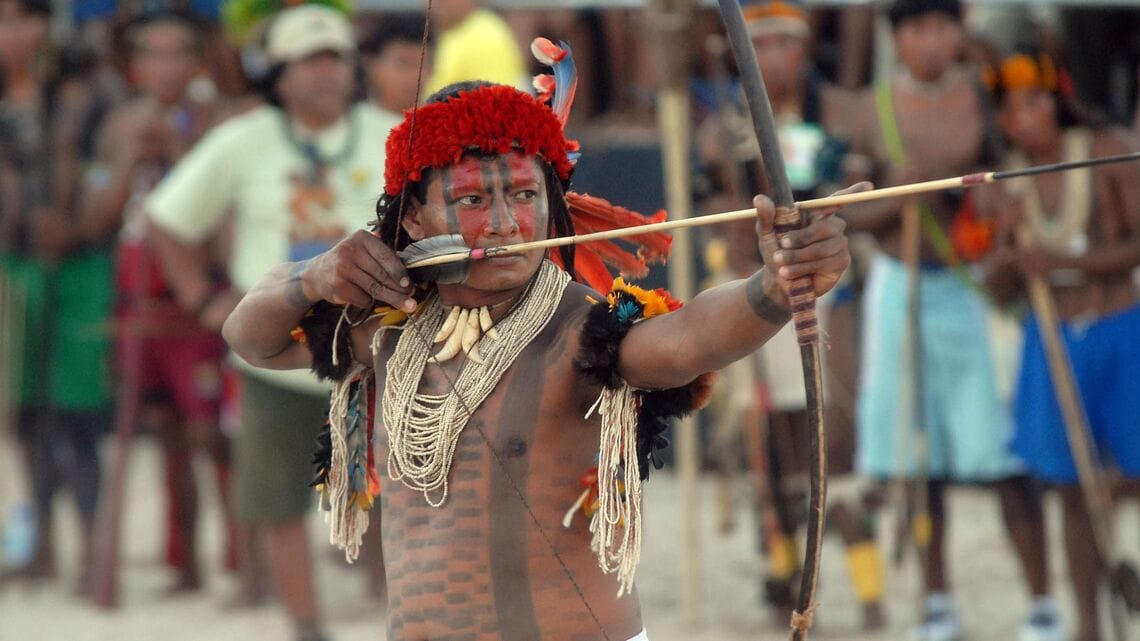
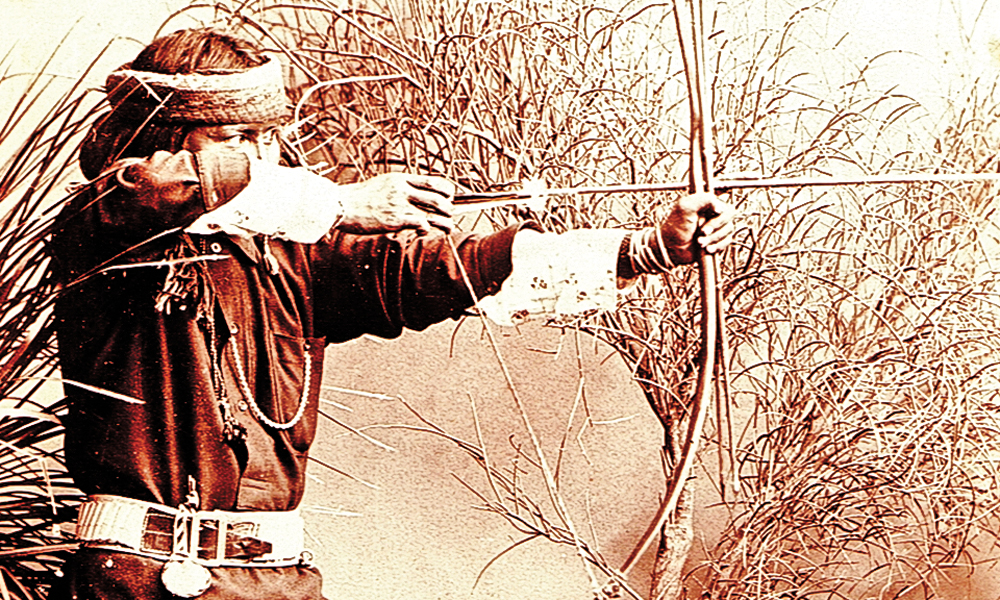
Native Americans stood strong. Feet apart. Balanced. A firm grip on the bow. Back straight. Shoulders relaxed. Eyes focused on the target. Arms steady. The bow held with care. Fingers positioned just right. This stance helped aim better.
Drawing the bowstring took skill. Pulling it back smoothly. Without rush. Using strength from the arms. Breathing steady. Eyes on the prize. Then, the release. Quick and precise. Fingers let go. The arrow flew. Fast and true. Hit the target with force.
Training And Skill Development
Native American archers learned from skilled mentors. Guidance and observation were key. Youngsters watched elders closely. They practiced daily. Skills grew over time. Mentorship created strong bonds. It built trust. Elders shared wisdom and techniques. Stories passed down taught lessons. These stories were important. They helped keep traditions alive.
Practice made archers precise. Daily routines improved aim. Short distances were first. Long distances came later. Precision grew slowly. Archers focused on accuracy. They learned steady hands. Breathing was important. Calm minds helped aim. Bows were tools. Tools needed care. Proper care ensured good performance. Archers respected their weapons.
Credit: www.tradtalk.com
Cultural Significance
Bows were sacred toolsfor Native Americans. Using a bow was part of rituals. Some tribes had special bow ceremonies. These ceremonies honored the spirit of hunting. Bows were decorated with symbols. Each symbol had a meaning. Some represented strength. Others showed courage. Bow-making was an art. Craftsmen passed down skills through generations. Elders taught young ones how to shoot. Shooting a bow was a skill. It showed respect for nature. Rituals brought communities together. They celebrated the hunt. Traditions kept stories alive. They preserved the way of life.
Bows were essentialfor hunting. They helped catch food for families. Hunters needed to be quiet. They walked silently in forests. Bows allowed them to shoot from afar. Animals did not hear the arrow coming. This made hunting easier. Bows were also used in warfare. Warriors carried bows in battles. Arrows flew fast and hit targets. Bows helped protect tribes. Fighters aimed with precision. Battles were fierce but brave. Bows were symbols of strength. They represented the warrior spirit. Every arrow told a story. Stories of heroism and survival.
Influence On Modern Archery
Native American archery techniqueshave shaped today’s archery. Their skills taught us precision and patience. Many archery sports today use their methods. Bow hunters mimic their quiet steps. This keeps the spirit of Native archery alive. Their legacy in contemporary sportsis vast and deep.
Even now, archery contests honor these traditions. Archers aim with the same focus. They respect the bow and arrow. Preservation of techniquesis vital. Many schools teach these age-old methods. This way, they live on for future generations. Learning these skills builds a link to the past. It keeps the art of archery alive for all.
Credit: truewestmagazine.com
Frequently Asked Questions
How Did Native Americans Make Their Bows?
Native Americans crafted bows using wood, such as yew or ash. They often reinforced them with sinew. The bowstrings were made from animal intestines or plant fibers. This craftsmanship ensured durability and flexibility, allowing for accurate and powerful shots.
What Techniques Did They Use For Shooting?
Native Americans employed instinctive shooting techniques. They relied on muscle memory and practice rather than aiming. This allowed them to shoot quickly and accurately. The close connection with their environment also enhanced their hunting skills.
What Types Of Arrows Did They Use?
They used arrows made from wood, with stone or bone tips. Feathers were attached for stability. The choice of materials depended on the available resources and intended use, such as hunting or warfare.
How Did They Ensure Accuracy With Bows?
Accuracy was achieved through extensive practice and skill. Native Americans trained from a young age, developing muscle memory. This practice, combined with instinctive shooting, allowed them to hit targets effectively even under pressure.
Conclusion
Native Americans excelled at bow shooting with skill and precision. Their bows were crafted from wood and sinew, ensuring durability. Arrows were lightweight, enhancing speed and distance. Techniques varied among tribes, each with unique styles. Shooting required strength, focus, and practice.
The bow was a vital tool for hunting and defense. It connected them to nature and survival. Learning from elders, young warriors honed their skills. Bow shooting held cultural significance, reflecting tradition and heritage. This legacy of craftsmanship and skill continues to inspire us today.
Understanding their methods enriches our appreciation of their history and expertise.