How Do Arrows Spin? Real Physics (Not Bernoulli)
Have you ever watched an arrow in flight and wondered why it spins? If you’re curious about the physics and mechanics behind this fascinating phenomenon, you’re in the right place. For more on this, see our guide on How Do You Score Points In Track And Field.

AFOLOREET
AFOLOREET Arrow Spinner Tester Arrow Squaring Device…
- Premium Material Built to Last: This arrow spinner tester combines sturdy Aluminum Alloy, ABS, and Stainless Steel for maximumreli…
- Universal Compatibility for Most Arrows:The AFOLOREET Arrow Spinner accurately checks arrow straightness. Its extended aluminum al…
- Smooth Stainless Steel Roller for Precision Testing:Features low-resistance stainless steel rollers that rotate smoothly and quiet…
As an Amazon Associate I earn from qualifying purchases.
For a related arrow setup, Do Arrows Spin In Flight: Secrets gives readers another detail to check before shooting.
For a related arrow setup, Do Arrows Spin: Essential to Amazing Flight gives readers another detail to check before shooting.
Understanding how arrows spin can enhance your appreciation for archery, whether you’re a seasoned archer or just intrigued by the sport. You’ll discover how this spinning motion improves accuracy and stability, transforming a simple act into a precise art. Keep reading to uncover the secrets behind the spin and how it affects your performance on the range.
Arrow Flight Dynamics
Arrows spindue to many factors. The shape of the arrowhead matters. It cuts through the air. Fletching, or the feathers at the back, also plays a role. They guide the arrow in flight. The shaft’s weight affects the spin too. Heavier shafts move differently than lighter ones.
Aerodynamics is key in arrow flight. It helps arrows fly straight. The smoother the arrow, the better it moves. Proper design reduces air resistance. This keeps the arrow stable. Good aerodynamics means more accurate shots. Arrows must be balanced. Balance ensures they don’t wobble.
The Role Of Spin
Arrows spin due to fletching, which stabilizes them during flight. This rotation helps maintain accuracy and balance. When shot, the spin reduces air resistance, ensuring a straighter path.
Gyroscopic Stability
Arrows spin for better stabilityin flight. This spinning helps create gyroscopic stability. Think of a spinning top. It stays upright because of its spin. Arrows work in a similar way. The spin keeps the arrow steady. It avoids wobbling. This makes the flight path more predictable. Archers need this for accurate shots. Without spin, arrows can veer off course. This is due to air pushing unevenly. Spin counters this uneven push.
Impact On Trajectory
Spin also affects the trajectoryof arrows. It influences how far the arrow goes. Spin can make the arrow fly straighter. It reduces air resistance. This allows the arrow to travel farther. It also helps the arrow hit targets more accurately. Archers practice to perfect their shot. Spin plays a big role in this. It is a key part of archery skills. Without proper spin, arrows can miss the mark.
Design Elements
Fletchingmakes arrows spin. It helps arrows fly straight. These feathers or vanes are at the back of the arrow. They guide the arrow through the air. Fletching causes a stabilizing spin. This spin keeps the arrow on target. Without fletching, arrows wobble and miss. Different shapes and sizes of fletching affect the spin. Longer fletching gives more spin, but slows the arrow. Shorter fletching gives less spin but faster speed. Choosing the right fletching is key. It balances speed and accuracy. Hunters and archers often experiment with fletching. This helps them find the best combination for their arrows.
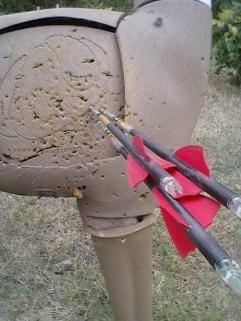
The shaftof an arrow is very important. It affects how arrows spin. Shafts must be straight and strong. Bent shafts cause poor flight. Different materials make different shafts. Wood, aluminum, and carbon are common. Each has pros and cons. Wood is traditional but heavy. Aluminum is light but can bend. Carbon is strong and light. It is popular with many archers. Shaft length also matters. Longer shafts can wobble. Shorter shafts are more stable. Choosing the right shaft helps the arrow spin well. It also helps the arrow hit the target accurately.
Credit: www.deeranddeerhunting.com
External Influences
Arrows spin due to external influences like air resistance and the fletching’s angle. The spin stabilizes the arrow, improving accuracy and flight. Understanding these factors helps in crafting more effective arrows.
Wind And Weather Conditions
Wind can push arrows off their path. Strong winds change how far arrows fly. Light winds may cause less change. Arrows fly differently in rain or sun. Rain makes arrows heavier. This can slow them down. Sunny days can make arrows fly faster. Wind and weather play a big role in an arrow’s journey. Watching weather helps archers shoot better.
Environmental Interactions
Trees and buildings can block wind. This affects arrow flight. Open fields have more wind. Forests might have less wind. Arrows can hit branches or leaves. This can change their direction. Animals might move near the target. This can distract archers. Knowing the surroundings helps archers aim well. Environment can change an arrow’s path.
Scientific Principles
Correction: the spin doesn’t come from Bernoulli’s principle or a pressure difference between the top and bottom of the arrow. It comes from the fletchings (feathers or vanes) being mounted at a slight angle, or in a helical (spiral) pattern, around the shaft. As the arrow flies forward, air catches these angled surfaces the same way wind catches a screw thread, forcing the shaft to rotate.
That rotation is what gives the arrow gyroscopic stability — the same principle that keeps a spinning top upright or a rifled bullet flying true. Once spinning fast enough, the arrow resists tumbling, and any small deviation from a straight line gets evenly distributed around the full 360-degree spin instead of compounding in one direction. This is why arrows with properly helical or offset fletching fly straighter through crosswinds than arrows with straight (non-helical) fletching.
Practical Applications
Arrows spin for better accuracy. This spin helps them fly straight. Archers use this spin to hit targets more precisely. It’s like a football player using a spiral throw. Good archers practice to control this spin. They use techniques that help the arrow spin just right. When an arrow spins well, it can reach the target easily.
Engineers design arrows for the best spin. They use special materials and shapes. Feathers on arrows, called fletching, are important. They help the arrow spin steadily. Engineers test different designs to find the best one. The right design makes arrows fly better. Even the slightest change can make a big difference. This helps both beginners and experts in archery.

Credit: www.youtube.com
Frequently Asked Questions
Why Do Arrows Spin In Flight?
Arrows spin due to the fletching or vanes attached to their shaft. These vanes create rotational force as the arrow moves forward, enhancing stability and accuracy. The spin helps to maintain a straight trajectory by counteracting any minor imbalances, similar to how rifling stabilizes bullets.
How Does Arrow Spin Affect Accuracy?
Arrow spin significantly improves accuracy by stabilizing its flight path. The rotational motion counteracts minor deviations, ensuring the arrow stays on course. This spin is essential for long-distance shooting, where even small inconsistencies can lead to noticeable misses. Consistent spinning helps archers achieve better precision.
What Causes An Arrow To Spin?
The fletching or vanes on an arrow cause it to spin. As air passes over these vanes, it creates a rotational force. This spinning motion is crucial for maintaining stability during flight, ensuring the arrow remains on target and minimizes the effect of external factors like wind.
Do All Arrows Spin The Same Way?
No, not all arrows spin the same way. The direction of spin depends on the fletching configuration. Most arrows are designed to spin clockwise, but some may spin counterclockwise. The chosen spin direction is based on the archer’s preference and the arrow’s design.
Conclusion
Arrows spinning is a fascinating process. It’s all about balance. The feathers, called fletching, guide the arrow. They create spin. Spin helps the arrow fly straight. It stabilizes the flight path. Archers rely on this technique. Precision matters in archery.
Understanding arrow spin enhances your skills. It’s not complex. Practice makes perfect. Try different fletching styles. Observe the results. Experiment with angles and materials. Every detail counts. Over time, you’ll improve. You’ll hit the target more often. Remember, each shot is unique.
Embrace the learning journey. Arrows spinning is both science and art. Enjoy the experience.
Related pick: Check today's price on Amazon