How Do Bow and Arrows Work? The Physics Explained
A bow and arrow work by storing energy in the bent limbs as you draw the string, then converting that stored (elastic) energy into the arrow’s speed the instant you release. The more you draw the string back, the more energy the limbs store, which is why draw weight and draw length both directly affect arrow speed. From there, fletching and arrow spin keep the shot flying straight to the target.
Here’s a closer look at each part of that process, from the bow’s components to the physics of the shot itself.
History Of Bow And Arrow
Bows and arrows are very old tools. People used them for hunting. Ancient people made them from wood and string. Cave paintings show early use. These tools were important for survival. Many cultures used them. They were simple but effective.
Over time, bows and arrows changed. Materials improved. People started using metal tips. Bows became stronger. Crossbows were invented later. They made aiming easier. Modern bows are very advanced. They use technology. But the basic idea is the same.
Bows and arrows hold cultural value. Many stories feature them. Heroes used them in legends. They symbolize bravery. Archery is a popular sport today. It connects us to the past. Many still practice it. It’s a link to ancient times.
Components Of A Bow
The bowstring connects the two ends of the bow. It stores energy when pulled. When released, it propels the arrow forward. It should be strong and durable. Materials like nylon or Dacron are common.
The limbs are the flexible parts of the bow. They bend when the string is drawn. They return to shape when released. This action sends the arrow flying. Limbs are usually made of wood or fiberglass.
The riser is the central part of the bow. It holds the limbs together. It provides stability and balance. It’s often made of metal or wood. A good riser helps in aiming the arrow precisely.
The arrow rest supports the arrow. It keeps the arrow steady before shooting. It ensures the arrow flies straight. Different designs can be found. Some are simple, others are more complex.
Types Of Bows
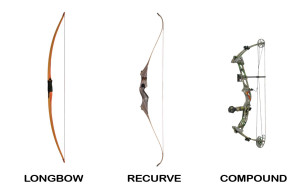
The recurve bowis popular and easy to use. It has a unique shape. The ends curve away from you. This shape gives it more power. Many people use it for sports and fun. It is light and simple.
A compound bowuses cables and pulleys. These parts help you pull the string back easily. This bow is very strong. It can shoot arrows very fast. Many hunters like using compound bows.
The longbowis very old. It is tall and straight. People used it in battles long ago. It is made from one piece of wood. Longbows are simple but need strength to use.
A crossbowlooks different from other bows. It has a horizontal design. You pull back a string and lock it in place. Then, you pull a trigger to shoot. It is easy to aim. Many beginners like crossbows.
Mechanics Of Shooting
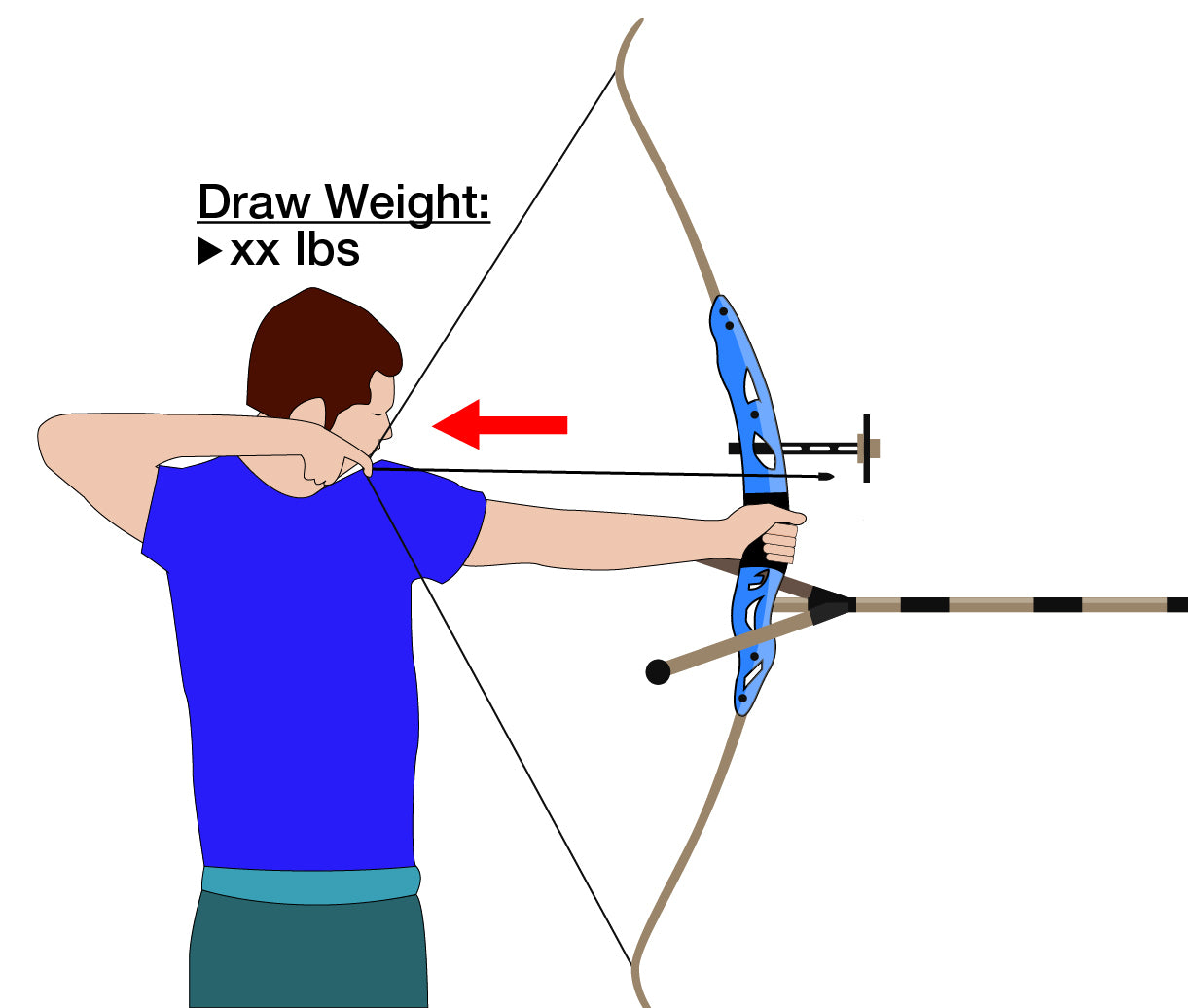
Drawing a bow needs strength and focus. The archer pulls the bowstring back. This makes the bow bend. Bending the bow stores energyin it. The more the string is pulled, the more energy it stores. This energy will soon help the arrow fly. Archers use their back muscles to pull the string. This helps them stay steady and strong.
Aiming with a bow takes practice and patience. Archers look at their target carefully. They might close one eye to focus better. The target must be in a straight line with the arrow. Some archers use sights. Sights are tools to help aim better. A steady hand is very important here.
Releasing the bowstring is a special skill. Archers must let go smoothly. A smooth release helps the arrow fly straight. Fingers should move quickly and gently. Some archers use a release aid. This tool helps them release the string better. Good release makes the arrow hit the target well.
Arrow Dynamics
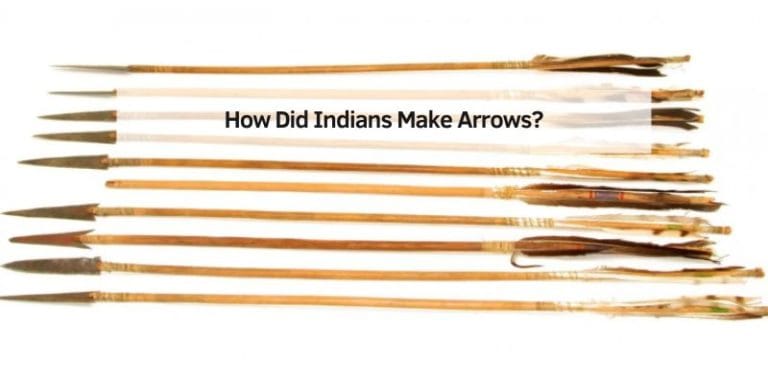
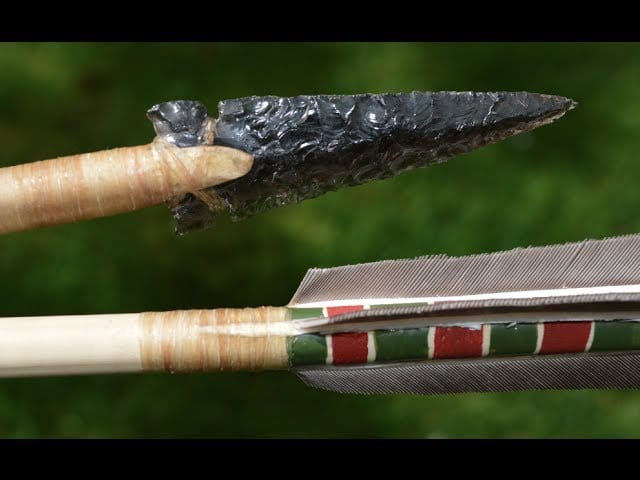
Arrows have three main parts: the shaft, the fletching, and the arrowhead. The shaft is the long, thin part. It must be strong but light. Fletching is at the end of the shaft. It helps arrows fly straight. The arrowhead is the tip. It is sharp for piercing targets.
Arrows spin in the air. This spin helps arrows stay on course. Windcan change the path. Archers must aim carefully. Different arrows have different flight patterns.
Arrows hit targets with force. The arrowhead pierces the target. Weightaffects how deep they go. Stronger arrows pierce more. Soft targets are easier to hit.
Credit: untamedscience.com
Physics Behind Archery
The bow stores energy when drawn. This energy comes from your muscles. Releasing the string sends the energy to the arrow. The arrow flies with the stored energy. This process is called energy transfer. The more energy the bow stores, the faster the arrow flies. Stronger bows store more energy. This helps arrows go farther.
Arrows follow a curved path. This path is called a trajectory. Gravity pulls the arrow down. Archers aim higher to hit distant targets. The arrow falls due to gravity. Knowing how high to aim is important. This helps to hit the target accurately.
Arrows have a special shape. This shape helps them fly smoothly. Fletchings at the back guide the arrow. They keep it stable. The arrow cuts through air easily. This is due to good aerodynamics. Proper aerodynamics make arrows fly straight and true.
Modern Innovations
Modern innovations highlight how bow and arrows work through tension and release. The string stores energy, propelling the arrow forward. Arrows fly straight due to their balanced design, reaching distant targets accurately.
Materials And Technology
Bow and arrows use strong materials like carbon and fiberglass. These materials make bows lighter and stronger. Arrows have special tips for better aim. Technology helps in making bows more accurate. Modern bows have adjustable parts for easy use. This makes shooting more fun and safe.
Precision Equipment
Precision matters a lot in archery. Bows have sights for better aim. Stabilizers keep bows steady when shooting. Release aids help in smooth arrow release. These tools improve accuracy. Archers hit the target with ease. Equipment keeps evolving for better precision.
Safety Measures
Safety is important in archery. Bows have guards to protect fingers. Arrows have tips that are not sharp. Proper gear is needed for safe practice. Eye protection helps in preventing accidents. Archery ranges follow strict safety rules. Safety measures make archery enjoyable for everyone.
Credit: legendarchery.com
Bow And Arrow In Sports
Archery is a popular sport worldwide. Competitions test skill and focus. Players aim at targets. Precision is key. Many enjoy the challenge. It’s not just for fun. Professional archers train hard. They compete in various events. Each event has unique rules. Archers must stay calm. Winning takes practice and dedication.
Olympic archery is prestigious. Athletes represent their countries. They compete for medals. The competition is fierce. Accuracy is essential. Bows and arrows must be perfect. Archers aim for the bullseye. The target is far away. Judges score each shot. Every point matters. Winning an Olympic medal is a great honor.
Many use bows and arrows for hunting. It’s a traditional method. Hunters need skill and patience. They must be quiet. Animals can hear well. Stealth is important. Bows are silent weapons. Arrows must be sharp. Accuracy ensures a quick, humane kill. Some cultures rely on this method for food.
Frequently Asked Questions
How Does A Bow And Arrow Function?
A bow and arrow work by converting potential energy into kinetic energy. The archer pulls back the string, storing energy. Releasing the string transfers this energy to the arrow. This propels the arrow forward with force and speed, allowing it to travel towards the target accurately.
What Are The Main Parts Of A Bow?
A bow consists of several key parts: the limbs, riser, string, and grip. The limbs store the energy, the riser connects the limbs, and the string propels the arrow. The grip is where the archer holds the bow, ensuring stability and accuracy.
How Does Arrow Flight Stability Work?
Arrow flight stability is achieved through fletching, which are small feathers or vanes. These are attached to the arrow’s rear. Fletching stabilizes the arrow’s flight by inducing a spin. This helps maintain a straight and accurate path towards the target.
What Materials Are Used For Arrows?
Arrows are made from various materials, including wood, aluminum, carbon, and fiberglass. Each material offers different benefits. Wood is traditional, carbon is lightweight, and aluminum is durable. The choice depends on the archer’s preference and specific needs for different activities.
Conclusion
Bow and arrows have a fascinating mechanism. The bow stores energy when you pull the string. This energy transfers to the arrow when released. The arrow flies straight due to its design. It has fletching at the back. This stabilizes the flight.
Understanding this basic science makes archery interesting. Practice improves accuracy and skill. Anyone can enjoy this ancient sport. It’s easy to start learning. With patience, archery offers rewarding experiences. It’s not just about hitting targets. It’s about connecting with history and nature.
Keep exploring and enjoy the journey of archery.