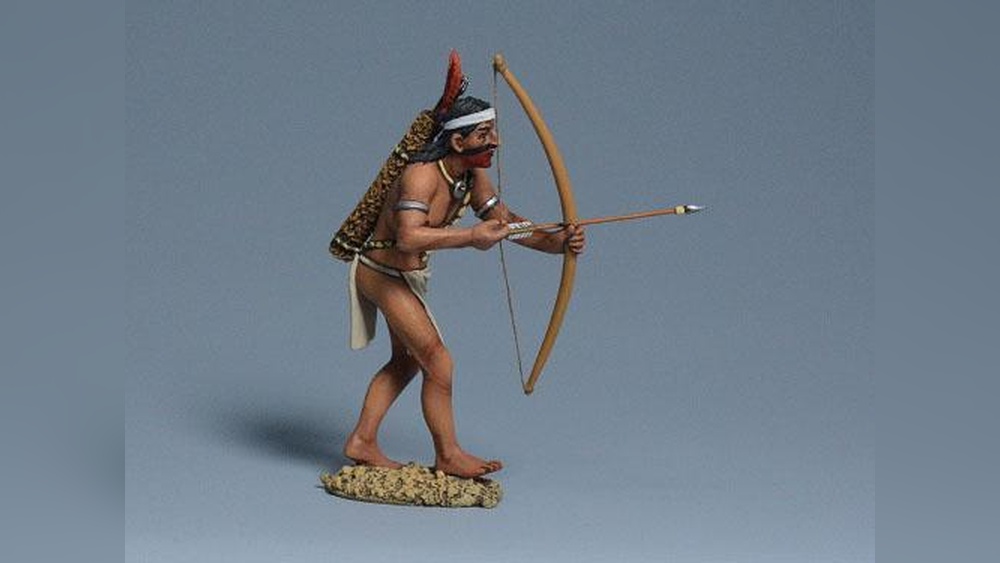
Did the Tainos Use Bows and Arrows? Uncovering the Truth
For many people interested in the history of the Caribbean, the Tainos remain a source of deep curiosity. As the first people Columbus met in the New World, the Tainos shaped much of what the Spanish and later historians thought about early Caribbean societies. One question often asked is simple but important: Did the Tainos use bows and arrows? The answer is not as straightforward as it seems. To understand it, we need to look at archaeology, Spanish records, Taino culture, and the weapons used by their neighbors. This article explores every angle to provide a full, clear answer.
Who Were The Tainos?
The Tainos were an Indigenous people living in the Caribbean before European arrival. They occupied the Greater Antilles, Cuba, Hispaniola (now Haiti and the Dominican Republic), Jamaica, and Puerto Rico, as well as parts of the Bahamas. The Tainos spoke an Arawakan language and had a complex society with chiefs, farmers, artists, and spiritual leaders. Their settlements ranged from small villages to large towns.
Taino culture was rich. They built caneyes (communal houses), played a ceremonial ball game called batey, and created beautiful pottery and carvings. Their societies were organized and had trading networks reaching distant islands. They grew crops like cassava, maize, and sweet potatoes, fished in coastal waters, and hunted small animals.
The Tainos were not isolated. They interacted with other Indigenous groups, like the Caribs and the Ciboney, sometimes trading, sometimes in conflict. These relationships often influenced what tools and weapons they used.
Weapons Of The Tainos: What Do We Know?
Understanding Taino weapons is key to answering whether they used bows and arrows. Spanish chroniclers, archaeology, and the weapons of related cultures all provide clues.
Main Weapons Used By Tainos
The Tainos are best known for a few specific weapons:
- Macana: This was a wooden sword or club, often made from hard tropical wood. The macana could be shaped flat like a paddle or club-shaped, sometimes with sharp edges.
- Spears: Tainos used spears for hunting and fishing, sometimes tipped with bone or shell points.
- Darts and Atlatls: Some evidence suggests they used throwing sticks (atlatls) to launch short spears or darts.
- Slings and Stones: Taino warriors used slings to throw stones at enemies or animals.
- Javelins: Shorter spears, designed for throwing, were also common.
Archaeological digs in Puerto Rico and Hispaniola have found many stone points and wooden clubs, but no clear evidence of bows, such as arrowheads or preserved bows, has been found.
How Did Spanish Accounts Describe Taino Weapons?
Spanish explorers wrote detailed (and sometimes biased) descriptions of the Tainos. Bartolomé de Las Casas, a Spanish priest who traveled in the Caribbean in the 1500s, described Taino weapons mainly as wooden clubs and spears. He wrote that the Tainos were gentle and not well-armed compared to the Caribs, who were known for fierceness and bow use.
Other chroniclers, like Gonzalo Fernández de Oviedo, also focused on the macana and spears, rarely mentioning bows among the Tainos. When bows and arrows were described, the writers usually referred to the Caribs or other mainland groups.
Example: In my experience reading colonial records, the descriptions of Taino warriors often highlight their use of wooden clubs in ceremonial dances and warfare, but almost never mention bows. This silence is important, if bows had been common, the Spanish would likely have noticed.

Credit: americanindian.si.edu
Did The Tainos Use Bows And Arrows? The Evidence
So, what is the answer? Did the Tainos use bows and arrows, or not? Let’s look at the evidence from different angles.
Archaeological Evidence
Archaeology is one of the best ways to understand past societies. In the case of the Tainos, hundreds of sites have been studied across the Caribbean. Archaeologists have found many tools, stone axes, bone points, fishing hooks, and club fragments. However, there is almost no physical evidence of bows or arrows in Taino sites.
Why is this important?
- If the Tainos had used bows and arrows widely, we would expect to find arrowheads or other remains.
- Bows and arrows made of wood and fiber can rot, but stone or bone arrowheads usually survive.
One possible explanation is that the Tainos used simple, all-wooden arrows that did not require stone or bone tips, but even so, some remains should have survived in dry caves or protected sites. Their absence is a strong clue.
Spanish Descriptions And Bias
Spanish records matter, but they can be biased. The Spanish often exaggerated the differences between the “peaceful” Tainos and the “warlike” Caribs. Still, most Spanish writers agreed that Tainos used clubs and spears, while Caribs used bows and arrows.
Spanish chroniclers described attacks by Caribs using arrows, which sometimes carried poison. In contrast, they described Taino resistance as less dangerous, with clubs and stones.
Pro Tip: Always read colonial accounts with care. The Spanish sometimes confused different groups or used stereotypes. But when dozens of writers agree on a detail, it becomes more trustworthy.
Comparison With Neighboring Peoples
Comparing Taino weapons with those of their neighbors helps fill the picture. The Caribs, who lived in the Lesser Antilles and parts of coastal South America, were famous archers. They used bows in raids against other islands, including Taino lands.
If the Tainos had bows, it is likely that the Spanish would have noticed, since they were so worried about Carib arrows. The fact that they did not mention Taino bows suggests the Tainos either did not use them, or used them very rarely.
Here is a simple comparison of weapons used by Tainos, Caribs, and Mainland Arawaks:
| Group | Main Weapons | Use of Bows and Arrows |
|---|---|---|
| Tainos | Macana, Spears, Javelins, Slings | Rare or Absent |
| Caribs | Bows and Arrows, Spears, Clubs | Frequent |
| Mainland Arawaks | Bows and Arrows, Spears | Common |
This table shows that among neighboring groups, bows and arrows were used widely, except by the Tainos.
Linguistic Clues
Languages can offer clues about technology. In the Taino language, there are words for clubs (macana), spears (darta), and slings (honda), but no native word for bow has been recorded. Words for bows exist in Carib and mainland Arawak languages.
This absence may be more than coincidence. It suggests that the bow and arrow were not part of Taino daily life.
Possible Exceptions And Minor Evidence
Some historians have proposed that the Tainos may have used small bows for hunting birds or as toys, but not as weapons of war. There are a few Spanish accounts that mention “arrows” used by Tainos, but these may refer to darts thrown by hand or with an atlatl, not arrows shot from a bow.
A few stone points found in caves in Cuba and Hispaniola could, in theory, be arrowheads. However, most experts believe these were spear points or tools, not evidence of widespread bow use.
Why Didn’t The Tainos Use Bows And Arrows?
The question then becomes: Why did the Tainos not use bows and arrows, when their neighbors did?
Environmental And Cultural Factors
The Tainos lived on large islands with thick forests, open fields, and many rivers. Their main enemies, before the Caribs, were small animals and fish, not large game or human attackers from a distance.
Bows and arrows are most useful for hunting large animals at a distance or fighting in open spaces. The Tainos relied on fishing and gardening for food, with only limited hunting. Their wooden clubs and spears were enough for self-defense and ritual combat.
Culturally, the Tainos valued ceremony and status. The macana was not just a weapon; it was a symbol of leadership and honor, used in dances as well as battles.
Warfare Style
Taino warfare was usually local, involving disputes over land or resources. Fights were often ritualized, with leaders challenging each other in front of the community. Clubs and stones fit this style better than bows and arrows, which are used for ambush or long-range attacks.
When the Caribs began raiding the Greater Antilles in the late 1400s and early 1500s, the Tainos were at a disadvantage. Carib archers could attack from a distance, making Taino defenses less effective.
Trade And Isolation
Another reason could be limited trade with groups that used bows. While the Tainos traded widely in the Caribbean, their main contacts, other Arawak-speaking groups, may not have brought the bow-and-arrow technology with them when they settled the islands.
Here’s a quick look at weapon technology spread in the Caribbean:
| Region | Weapon Technology | Main Uses |
|---|---|---|
| Greater Antilles (Taino) | Clubs, Spears, Slings | Ritual Combat, Defense, Hunting |
| Lesser Antilles (Carib) | Bows and Arrows, Clubs | Raiding, Ambush, Hunting |
| Mainland South America | Bows and Arrows, Blowguns | Hunting, Warfare |
This shows that bows and arrows were common on the mainland and the smaller islands, but not in the Taino heartlands.

Credit: foutztrade.com
Myths And Misunderstandings
Many modern books and movies show all Native Americans with bows and arrows. This is a stereotype, not a fact. Indigenous peoples across the Americas used many different tools, based on their environment and culture.
For the Tainos, the club and spear were the main weapons. Some people confuse the Tainos with the Caribs, or assume that all Arawakan peoples used the same tools. Careful research shows this was not the case.
Another common mistake is to assume that because the Tainos were “peaceful,” they did not use weapons at all. In fact, they had complex systems for defense and war, just not the bow and arrow.
The Impact Of Not Using Bows And Arrows
The lack of bows and arrows had real consequences for the Tainos.
Facing The Caribs
When the Caribs attacked, their bows gave them an advantage. Carib arrows could be fired from canoes at Taino villages, or used in ambushes. The Tainos had to rely on their clubs and spears, which were less effective at a distance.
Spanish writers sometimes blamed the Taino defeat on their lack of long-range weapons. While this is only part of the story (the Spanish had guns, horses, and armor), it did play a role in Taino vulnerability.
Spanish Colonization
When the Spanish arrived, the Tainos were not prepared for European weapons. The macana and spear could not match swords, crossbows, or firearms. The Spanish quickly took control of most Taino islands.
Some Tainos did try to learn from the Caribs or adopt new weapons, but centuries of tradition are hard to change quickly.
Cultural Identity
Despite these challenges, the Tainos kept their identity. Their weapons, especially the macana, remained important symbols of power and community. Even after Spanish conquest, Taino descendants continued some traditions in secret.

Credit: foutztrade.com
What Can We Learn From This?
The story of Taino weapons is a reminder that technology does not spread everywhere at the same speed. The bow and arrow is a simple tool, but it was not universal. Culture, environment, and history all shape what people use.
There is also a lesson in how we study the past. We need to look at all the evidence, archaeology, language, written records, and comparison with neighbors, to get a clear picture. Sometimes what is missing from the record is as important as what is found.
Finally, the Taino story warns against stereotypes. Not all Indigenous peoples were the same, and their choices were shaped by local needs and history.
Frequently Asked Questions
Did The Tainos Ever Learn To Use Bows And Arrows From The Caribs Or Spanish?
There is little evidence that the Tainos adopted bows and arrows after contact with the Caribs or Spanish. Some Taino groups may have learned to use bows in specific regions, but it never became a widespread weapon in their society.
Spanish records do not mention large-scale adoption of the bow by Tainos, even after Carib raids increased.
Were Taino Macanas Effective Against Spanish Weapons?
The Taino macana was a strong club, useful in hand-to-hand combat. However, it was not effective against Spanish steel swords, armor, or firearms. In open battles, the Tainos were at a big disadvantage, which helped the Spanish conquer their islands quickly.
Did The Lack Of Bows And Arrows Affect Taino Hunting?
Taino hunting focused on small animals and birds, which were often caught with traps, nets, or by hand. For fishing, they used spears and hooks. The lack of bows and arrows did not greatly affect their food supply, since they relied more on farming and fishing.
Are There Any Taino Artifacts That Look Like Arrowheads?
Some stone points found in Taino sites could be confused with arrowheads. However, most experts believe these were spear points or tools. There is not enough consistent evidence to say they were used as arrowheads for bows.
Where Can I Read More About Taino Weapons And Culture?
A good resource is the book “The Tainos: Rise and Decline of the People Who Greeted Columbus” by Irving Rouse. For more academic sources, check the Smithsonian National Museum of the American Indian, or visit Wikipedia’s Taino page for a