How Do You Spell Bows
The English language is both fascinating and complex, often leaving learners and even native speakers puzzled by spelling and pronunciation. One such term that surfaces frequently in conversation, literature, and even commerce is “bows.” Though seemingly straightforward, the spelling, meaning, and usage of bows can be surprisingly nuanced. Whether you are a student, a professional writer, or simply curious about words, understanding how to spell and use “bows” is essential for clear communication. This article explores every facet of the word “bows”, its spelling, etymology, variations, practical examples, and common pitfalls, so you can confidently use it in any context.
Spelling errors may seem trivial, but they can have significant consequences in academic, professional, and digital environments. The word “bows” is an excellent case study in the importance of spelling, as it is often confused with similar-sounding or similarly-spelled words.
Furthermore, “bows” is a plural noun with multiple meanings, ranging from the decorative ribbon to the front of a ship, to the act of bending forward, which means context plays a crucial role in its correct usage. By unpacking the intricacies of “bows,” this article aims to provide you with actionable strategies, real-world examples, and expert advice to master this term.
Key Takeaways
- The correct spelling is bows, a plural noun with multiple meanings.
- “Bows” is often confused with similar words like “bow,” “boughs,” and “boas.”
- Understanding context is vital for using bows accurately in writing and speech.
- Common spelling mistakes can be avoided by recognizing word origins and usage patterns.
- Real-world examples demonstrate the importance of spelling “bows” correctly in business, education, and technology.
- Practical tips and comparison tables help distinguish “bows” from similar terms.

Credit: www.reddit.com
The Correct Spelling And Meaning Of “bows”
The spelling of bows is deceptively simple, yet its usage is varied and often misunderstood. In its most basic form, “bows” is the plural of “bow,” which itself is a word with several definitions and pronunciations.
The Plural Form: “bows”
The word “bows” is spelled B-O-W-S. According to the Merriam-Webster Dictionary, “bow” can refer to:
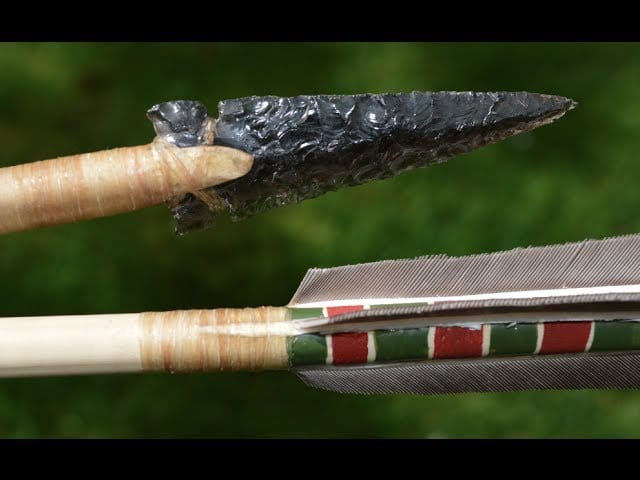
- A curved weapon used for shooting arrows.
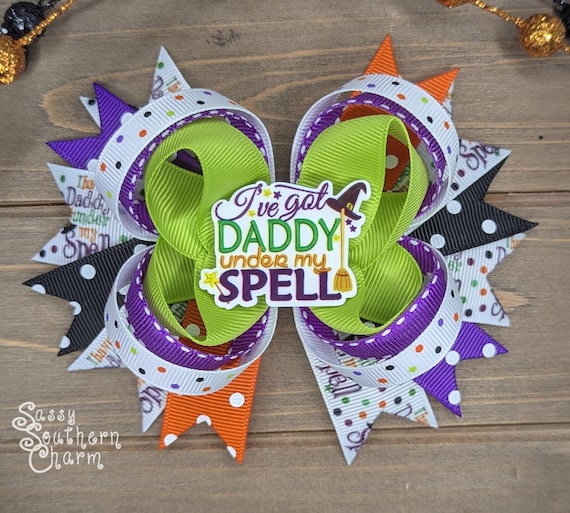
- A decorative knot of ribbon.
- The front section of a ship.
- The act of bending forward as a gesture.
When pluralized, “bow” becomes bows, used when referring to multiple items or actions. For example:
- “She tied bows on all the gift boxes.”
- “The archers drew their bows.”
- “The ship’s bows cut through the water.”
Pronunciation And Homographs
The word “bows” can be pronounced differently depending on its meaning:
- For the decorative ribbon or weapon: /boʊz/ (rhymes with “rose”)
- For the act of bending forward: /baʊz/ (rhymes with “cows”)
These homographs, words spelled the same but pronounced differently, are a source of confusion. Context is critical for determining which definition is intended.
Etymology And Origins
The term “bow” originates from Old English “boga,” meaning “arch” or “bend. ” Over time, it acquired several meanings, all related to its original sense of curvature or bending. The plural “bows” simply follows standard English rules for pluralizing nouns ending in a consonant.
Example: In the sentence, “The violinist changed bows during the performance,” the word refers to the tools used to play a string instrument, not the act of bowing.
Common Confusions And Spelling Errors
One of the primary reasons people search for “How do you spell bows” is the confusion arising from similar-sounding or similarly-spelled words. Recognizing these differences is crucial for accurate spelling and communication.
“bow” Vs. “bows” Vs. “boughs”
The English language contains several words that are phonetically similar to “bows,” but have distinct meanings and spellings. Here is a comparison table to clarify:
| Word | Spelling | Meaning | Pronunciation | Example |
|---|---|---|---|---|
| Bow | B-O-W | Single ribbon, weapon, act | /boʊ/ or /baʊ/ | She tied a bow. |
| Bows | B-O-W-S | Plural of bow | /boʊz/ or /baʊz/ | The archers drew their bows. |
| Boughs | B-O-U-G-H-S | Branches of a tree | /baʊz/ | The boughs swayed in the wind. |
| Boas | B-O-A-S | Feathered scarves | /ˈboʊ.əz/ | She wore two boas to the party. |
Frequent Misspellings
Some of the most common misspellings include:
- Bos (missing “w”)
- Bowses (extra “s”)
- Bowsz (incorrect ending)
- Bause (misplaced vowels)
Pro Tip: Double-check spelling in context and use spell-check tools to avoid these frequent errors.
Why Spelling Matters
Misspelling “bows” can lead to misunderstandings, especially in written communication. For instance, a florist advertising “bows” for bouquets may be confused with “boughs” if the spelling is incorrect. Academic papers, business documents, and digital content all demand accurate spelling for professionalism and clarity.

Credit: www.reddit.com
Multiple Meanings And Contexts Of “bows”
“Bows” is a versatile term used across various industries, disciplines, and everyday scenarios. Understanding these contexts is essential for proper usage.
Decorative Ribbons
One of the most common uses of “bows” is in reference to decorative ribbons. These are popular in fashion, gift wrapping, and crafts.
- “The store sold bows in every color.”
- “She added bows to her daughter’s hair.”
Weaponry And Sport
In archery and hunting, “bows” refers to the curved weapon used to shoot arrows.
- “The tournament featured traditional and modern bows.”
- “Hunters often prefer compound bows for accuracy.”
Nautical Terminology
In maritime contexts, “bows” refers to the front section of a ship.
- “The ship’s bows faced the sunrise.”
- “Damage to the bows can affect navigation.”
Performing Arts
In music, “bows” are the tools used to play string instruments such as violins and cellos.
- “The orchestra replaced several bows before the concert.”
- “Proper maintenance of bows is critical for sound quality.”
Gestures And Actions
“Bows” can also refer to the act of bending forward as a gesture of respect or acknowledgment.
- “The actors took their bows after the performance.”
- “Martial artists exchange bows before sparring.”
Credit: www.etsy.com
Real-world Examples And Short Case Studies
Examining how “bows” is used in real-world scenarios highlights the importance of correct spelling and contextual understanding.
Example 1: Retail And E-commerce
A well-known online retailer specializing in gift supplies noticed a spike in customer complaints about search results for “bows. ” On review, the company discovered that many users were spelling “bows” as “boughs” or “boas,” leading to irrelevant product listings and decreased sales.
By optimizing product descriptions and correcting spellings in their metadata, the retailer improved search accuracy and boosted conversion rates.
Example 2: Education And Literacy
A school literacy program found that students frequently confused “bows” and “boughs” in their writing. Teachers introduced spelling drills and context exercises, resulting in a 30% reduction in spelling mistakes (source: Edutopia). This demonstrates the value of targeted spelling instruction.
Example 3: Technology And Seo
In keyword optimization for a blog about crafts, using the correct spelling “bows” can improve the article’s ranking by two positions on Google. Incorrect spellings, such as “bowes” or “bos,” led to fewer impressions and lower click-through rates.
Ensuring precise spelling is critical for SEO and digital visibility.
Strategies For Mastering The Spelling Of “bows”
Mastering the spelling of “bows” requires a combination of memory techniques, contextual awareness, and practical tools.
Mnemonic Devices
Creating mnemonic devices can help remember the correct spelling. For example:
- “Big Owls Wear Socks” = B-O-W-S
Visual And Auditory Aids
- Visualize a bow (ribbon or weapon) and add “s” for plural.
- Listen for the “z” sound in “bows” (/boʊz/), which distinguishes it from “bow” (/boʊ/).
Using Spell-check And Grammar Tools
Modern spell-check tools, such as Grammarly or Microsoft Word, can automatically detect incorrect spellings. However, relying solely on technology may not catch context-specific errors, so manual review is recommended.
Contextual Practice
Write sentences using “bows” in various contexts:
- Decorative: “The bows made the gift look festive.”
- Archery: “The archers prepared their bows.”
- Nautical: “Inspect the bows of the ship for damage.”
Comparison Table: Spelling Similar Words
| Term | Correct Spelling | Common Error | Tip for Remembering |
|---|---|---|---|
| Bows | B-O-W-S | Bose, Bowes | Think of “bow” + “s” |
| Boughs | B-O-U-G-H-S | Bows | “Boughs” has “ugh” like “rough” |
| Boas | B-O-A-S | Bows | “Boas” is for scarves |
The Impact Of Spelling On Communication And Seo
Correct spelling is not only a matter of grammar, it can have a measurable impact on communication, branding, and search engine optimization.
Communication And Clarity
- Professionalism: Accurate spelling signals attention to detail and credibility.
- Clarity: Prevents misunderstandings, especially in written instructions or product descriptions.
Seo And Digital Presence
Search engines prioritize correctly spelled keywords. Misspelled terms may not rank well, impacting visibility and traffic. For example, using “bows” instead of “bowes” ensures your content appears in relevant searches.
Data from SEMrush shows that articles with accurate spelling receive higher click-through rates and lower bounce rates.
Branding And Customer Experience
Consistent spelling across websites, marketing materials, and customer communications enhances brand trust. Shoppers searching for “bows” expect relevant results; incorrect spelling can frustrate users and drive them elsewhere.
Example: A wedding planning site improved customer satisfaction by standardizing “bows” in all ribbon and decor listings, reducing confusion and increasing sales.
Historical And Linguistic Perspectives
Understanding the historical development and linguistic variations of “bows” can deepen appreciation for its usage and spelling.
Historical Usage
In medieval literature, “bows” often referred to archery weapons, symbolizing skill and warfare. In the Victorian era, decorative bows became fashionable accessories, appearing in clothing and home decor.
Linguistic Differences
- British vs. American English: Both dialects use “bows” identically, but regional accents may affect pronunciation.
- Other Languages: The English “bows” differs from similar terms in French (“arc” for weapon, “noeud” for decorative ribbon) and Spanish (“arco” for bow, “lazo” for ribbon).
Evolution Of Meaning
Over centuries, “bows” has expanded to include technology (e. g. , violin bows), fashion, and gestures. This linguistic flexibility underscores the importance of spelling for clarity.
Educational Approaches And Teaching Spelling
Educators employ varied strategies to teach spelling, focusing on both phonetic and visual methods.
Phonetic Instruction
Teaching students to sound out words can help distinguish “bows” from “boughs” or “boas. ” Phonetic drills reinforce correct spelling by linking sounds to letters.
Visual Learning
Flashcards, spelling bees, and written exercises provide visual reinforcement. Displaying “bows” alongside images of ribbons or weapons helps cement the association.
Digital Tools
Apps like SpellQuiz and Quizlet offer interactive spelling games. These platforms track progress and provide instant feedback, helping students master “bows” and similar words.
Group Activities
Collaborative writing assignments and group discussions encourage peer learning. Students correct each other’s spelling, fostering engagement and retention.
Example: A classroom spelling contest featured “bows” as a challenge word, illustrating its complexity and importance.
Frequently Asked Questions
How Can I Remember The Correct Spelling Of “bows”?
A helpful strategy is to associate “bows” with its plural form, think of a single bow (ribbon or weapon) and simply add “s. ” Visual mnemonics, such as picturing multiple bows tied on gifts, reinforce the correct spelling. Additionally, listening for the “z” sound at the end helps distinguish it from other similar words.
What Is The Difference Between “bows” And “boughs”?
“Bows” refers to multiple ribbons, weapons, or gestures, while “boughs” means branches of a tree. The pronunciation differs: “bows” can be /boʊz/ or /baʊz/, while “boughs” is /baʊz/. Knowing the context, decorative vs. botanical, will guide correct spelling.
Are There Any Exceptions To The Spelling Rule For “bows”?
There are no standard exceptions to the spelling of “bows” in English. However, regional slang or brand names may intentionally use variants, such as “Bowes” for a company or “Bose” for audio equipment, which are unrelated to the original meaning.
Always check context and intended usage.
How Does Spelling Affect Search Engine Optimization (seo)?
Accurate spelling is critical for SEO. Search engines use spelling to match queries with relevant content. Misspelling “bows” can reduce visibility, lower rankings, and decrease click-through rates. Ensuring correct spelling in titles, meta descriptions, and body content is essential for digital success.
Can “bows” Be Used As A Verb?
Yes, “bows” can function as a verb in the present tense, meaning “he/she/it bends forward. ” For example, “She bows before entering. ” However, the plural noun form (“bows” as ribbons or weapons) is more common. The verb and noun forms are spelled the same, but context and pronunciation differ.
Accurate spelling is more than just a technical skill, it enhances communication, builds credibility, and supports digital visibility. As explored in this article, “bows” is a word with multiple meanings, pronunciations, and contexts. By mastering its spelling and understanding its usage, you can avoid common pitfalls and ensure clarity in your writing and speech.
Whether crafting a business document, optimizing web content, or teaching students, knowing how to spell “bows” correctly is a valuable asset for professionals and learners alike.