Did Native Americans Bow Fish
Fishing with a bow conjures images of modern outdoor sports, but its origins are far more ancient. Centuries before recreational bowfishing tournaments, Indigenous peoples across North America mastered the art of using bows and arrows to harvest fish. This remarkable skill, honed through intimate knowledge of waterways and fish behavior, was not simply a matter of survival, it was a reflection of complex technology, environmental stewardship, and cultural tradition. Yet, the question lingers for many: Did Native Americans really bow fish, and if so, how did their methods differ from today’s practices?
To answer this, we must examine historical accounts, archaeological findings, and oral traditions. Understanding Native American bow fishing offers profound insight into their ingenuity and adaptability. By comparing tools, techniques, and regional traditions, we uncover a diverse tapestry of fishing strategies that highlight both resourcefulness and respect for aquatic ecosystems.
This article explores the evidence, methods, and legacy of Native American bow fishing, providing a comprehensive look at an ancient practice that still inspires fascination today.
Key Takeaways
- Native Americans across North America practiced bow fishing using specialized bows, arrows, and techniques adapted to local environments.
- Archaeological and historical evidence supports the use of bow fishing by various tribes, with regional variations in methods and tools.
- Bow fishing was both a subsistence and cultural activity, often integrated with broader ecological knowledge and spiritual beliefs.
- Modern bowfishing gear owes much to Indigenous innovation, though contemporary practices differ in materials and technology.
- Preserving and respecting traditional fishing knowledge remains crucial, especially as modern bowfishing grows in popularity.
- Environmental impact and ethical considerations were deeply embedded in Native bow fishing traditions, offering lessons for today’s anglers.

Credit: www.youtube.com
The Historical Roots Of Native American Bow Fishing
Early Accounts And Archaeological Evidence
Numerous historical sources and archaeological sites confirm that Native Americans engaged in bow fishing long before European contact. Early explorers such as John Smith and missionaries like Father Jacques Marquette documented Indigenous peoples using bows and arrows to catch fish in rivers, lakes, and coastal waters. Archaeologists have unearthed barbed arrow points and specialized fishing implements at sites across North America, dating back hundreds to thousands of years.
For instance, in the Pacific Northwest, the Chinook and Salish peoples used wooden bows and long, barbed arrows to spear salmon during seasonal runs. In the Southeast, the Creek and Choctaw tribes adapted similar methods for catching gar and catfish in slow-moving waters. Such findings are supported by the presence of projectile points with distinctive barbs, optimized for aquatic prey.
Oral Traditions And Cultural Memory
Oral histories from various tribes reinforce the importance of bow fishing. Elders recount stories of youths learning to fish with bows as a rite of passage, with techniques passed down through generations. These narratives often emphasize respect for water spirits and the importance of taking only what is needed.
Example: Among the Ojibwe, bow fishing for sturgeon was accompanied by songs and offerings, reflecting a worldview where fishing was not only a practical skill but also a spiritual act.
Regional Variation In Bow Fishing Practices
The diversity of North American waterways fostered a range of fishing techniques. In clear, shallow streams, tribes used long, slender arrows with detachable heads, designed to penetrate water efficiently. In murkier swamps, they relied on heavier, multi-pronged tips to maximize their chances of success. Such adaptability highlights the sophistication of Indigenous fishing knowledge.
| Region | Tribes | Common Bow Fishing Methods | Typical Target Fish |
|---|---|---|---|
| Pacific Northwest | Chinook, Salish | Barbed arrows, platforms | Salmon, trout |
| Southeast | Creek, Choctaw | Multi-pronged arrows, night fishing | Gar, catfish |
| Great Lakes | Ojibwe, Menominee | Ice bow fishing, detachable points | Sturgeon, pike |
| Southwest | Hopi, Zuni | Seasonal pools, reed blinds | Carp, suckers |
Credit: www.themeateater.com
Tools And Techniques: How Native Americans Bow Fished
Bow And Arrow Design For Aquatic Use
Indigenous bow fishing equipment was carefully crafted for aquatic environments. Bows were often shorter and sturdier than those used for hunting game, allowing for quick, accurate shots at moving fish. Arrows were typically long, with heavy shafts and barbed or forked tips to prevent fish from escaping once struck.
- Barbed Arrowheads: Designed to hold slippery fish, made from bone, antler, or later, metal.
- Detachable Points: Some arrows featured points that detached from the shaft, tethered with sinew, facilitating retrieval of fish.
- Specialized Shafts: Heavier to resist water deflection and maintain trajectory.
Fishing Platforms And Watercraft
Many tribes constructed wooden platforms along rivers or used canoes and rafts to access prime fishing spots. Standing above the water improved visibility and allowed fishers to target fish more effectively.
Example: The Menominee built raised platforms over spring-fed streams, enabling them to spot and shoot large sturgeon during spawning runs.
Night Fishing And Use Of Light
Night bow fishing was popular in many regions. Fishers used torches or fires to illuminate the water, attracting fish and making them easier to target. This method increased success rates, especially for nocturnal species.
- Pine resin torches were common in the Southeast.
- In the Great Lakes, fishers sometimes used birch bark lamps on canoe bows.
Seasonal And Ecological Knowledge
Bow fishing was closely tied to seasonal fish migrations and spawning cycles. Indigenous fishers possessed deep ecological knowledge, timing their efforts to coincide with peak abundance while ensuring the long-term health of fish populations.
Pro Tip: Native American fishers often practiced selective harvesting, targeting only certain sizes or species to avoid depleting stocks.
Case Studies: Indigenous Bow Fishing In Practice
Pacific Northwest: Chinook Salmon Harvest
The annual salmon runs of the Columbia River were central to the cultures of the Chinook and other Northwest tribes. Fishers stood on platforms or rocks with barbed arrows and shot at the salmon as they navigated upstream. Success required not only skill but also timing and patience, as salmon were most vulnerable during specific stages of their journey.
- Tools: Yew wood bows, multi-barbed bone tips.
- Technique: Targeting fish from elevated platforms, sometimes in collaboration with net fishers.
Great Lakes: Ojibwe Sturgeon Spearing
In the icy waters of the Great Lakes, the Ojibwe developed a unique approach to bow fishing for sturgeon. During spring, fishers cut holes in lake ice and used long, detachable-point arrows. By peering into the clear water, they could spot and shoot sturgeon swimming below.
- Tools: Maple bows, detachable bone or copper points.
- Technique: Ice fishing shelters (shanties) to block sunlight and improve underwater visibility.
Southeast Woodlands: Creek Night Fishing For Gar
The Creek and other Southeastern tribes perfected night bow fishing, leveraging the predatory nature of gar, which hunt near the surface after dark. Fishers paddled canoes or stood in shallow water, using pine torches to attract and stun fish, then shot them with multi-pronged arrows.
- Tools: Hickory bows, multi-tined iron tips.
- Technique: Torchlight to draw gar, rapid shooting at illuminated targets.
Credit: tribaltradeco.com
Comparing Traditional And Modern Bowfishing
Materials And Technology
While the core concept of bow fishing remains unchanged, modern technology has introduced significant differences in materials, accuracy, and retrieval systems.
| Feature | Traditional Native Bows | Modern Bowfishing Equipment |
|---|---|---|
| Bows | Wood (yew, hickory, maple) | Fiberglass, carbon fiber, composite |
| Arrows | Wooden shafts, bone/antler tips | Aluminum, fiberglass, steel tips |
| Arrow Tips | Barbed, detachable (bone, antler, copper) | Replaceable steel, multi-pronged |
| Retrieval | Hand-tied sinew cord | Reel and line system |
| Lighting | Torch, fire, lamp | LED spotlight, headlamps |
Techniques And Tactics
Modern bowfishing often involves motorized boats, sophisticated reels, and bright LED lights, allowing for longer outings and more efficient fish targeting. In contrast, traditional methods relied on stealth, patience, and deep environmental knowledge.
- Traditional: Emphasis on sustainability, taking only what was needed.
- Modern: Recreational focus, sometimes involving invasive species removal.
Environmental Impact And Conservation
A critical distinction is the environmental ethos embedded in Native bow fishing traditions. Many tribes observed seasonal closures, spiritual rituals, and taboos to protect fish populations. By contrast, some modern bowfishing practices, especially tournaments, have raised concerns about overharvesting and waste, particularly when targeting native species.
Example: Contemporary efforts to remove invasive carp with bowfishing can benefit ecosystems but require careful management to avoid unintended harm.
Cultural Significance And Ethical Dimensions
Spiritual And Ceremonial Aspects
For many Native American groups, bow fishing was more than a subsistence activity; it was woven into spiritual and ceremonial life. Rituals honoring water spirits, songs sung before fishing, and community feasts all reflected a profound respect for aquatic life.
- Offerings were made before and after fishing.
- Ceremonial arrows were sometimes crafted for special occasions.
Social Structure And Gender Roles
Bow fishing also played a role in social organization. In some cultures, fishing with a bow was a skill taught to young men as part of their transition to adulthood, while in others, women and children participated actively, especially during communal fishing events.
Example: Among the Menominee, entire families gathered on platforms to fish for sturgeon during spring spawning runs, reinforcing bonds and sharing knowledge.
Knowledge Transmission And Oral Tradition
The passing down of bow fishing techniques was central to cultural continuity. Elders taught the younger generation not only the mechanics of shooting a bow but also reading water, understanding fish behavior, and interpreting seasonal cues.
Pro Tip: Today, some tribes offer cultural education programs to revive and share traditional bow fishing skills with youth.
Environmental Knowledge And Sustainability Practices
Selective Harvesting And Fish Population Management
Traditional bow fishing practices demonstrated an acute awareness of sustainable harvesting. Many tribes avoided fishing during spawning, targeted only surplus populations, and left smaller or breeding-age fish to ensure future abundance.
- Selective targeting: Only certain fish sizes or species taken.
- Seasonal restrictions: Observing natural cycles to avoid overfishing.
Habitat Conservation
Indigenous fishers protected the health of rivers, lakes, and wetlands, recognizing that clean water and intact habitats were essential for fish survival. This stewardship extended to controlling pollution, maintaining spawning grounds, and respecting migration routes.
Example: The Salish practiced stream management by removing obstructions and avoiding fishing in vulnerable areas.
Lessons For Modern Anglers
Modern bowfishers can learn from Native approaches by:
- Practicing selective harvesting.
- Respecting closed seasons and spawning periods.
- Participating in habitat restoration projects.
For additional guidance on sustainable fishing practices, refer to the NOAA Fisheries Sustainable Fisheries resource.
Real-world Examples: Revitalizing Traditional Bow Fishing
Ojibwe Youth Programs
Contemporary Ojibwe communities in Minnesota and Wisconsin have launched youth education initiatives to revive bow fishing traditions. These programs pair elders and youth for hands-on instruction in bow making, arrow crafting, and ethical fishing. Not only do participants gain practical skills, but they also reconnect with ancestral knowledge and develop a sense of environmental responsibility.
Menominee Sturgeon Festivals
The Menominee Tribe’s annual Sturgeon Festival celebrates traditional fishing, featuring demonstrations of bow fishing from platforms, storytelling, and communal meals. The event serves as both a cultural touchstone and a means of educating the wider public about Indigenous fishing heritage.
Academic Research And Museum Exhibits
Universities and museums increasingly highlight Native bow fishing. For example, the Smithsonian National Museum of the American Indian has curated exhibits showcasing original fishing bows, arrows, and oral histories. Academic studies, such as those published in the Journal of Ethnobiology, document the evolution and persistence of these practices.
| Program/Event | Location | Focus | Impact |
|---|---|---|---|
| Ojibwe Youth Bow Fishing | Minnesota/Wisconsin | Skills education, cultural revival | Youth engagement, tradition preservation |
| Sturgeon Festival | Menominee Reservation, Wisconsin | Community celebration, public outreach | Increased awareness, intergenerational learning |
| Smithsonian Exhibits | Washington, D.C. | Artifacts, oral history | Public education, research support |
The Legacy And Influence Of Native American Bow Fishing
Influence On Modern Bowfishing
Many aspects of modern bowfishing, from the use of barbed arrows to platform shooting, trace their roots to Indigenous innovation. While today’s gear is often made from synthetic materials, the underlying principles remain the same. Respect for the skill and knowledge of Native fishers has inspired renewed interest in traditional methods among both Indigenous and non-Indigenous anglers.
Revitalization And Cultural Pride
Reviving bow fishing traditions has become a source of cultural pride for many Native communities. Through festivals, educational programs, and media, tribes are reclaiming their heritage and sharing it with the wider world. This resurgence not only strengthens identity but also reinforces the importance of ethical resource management.
Legal And Regulatory Recognition
Some tribes hold treaty rights guaranteeing access to traditional fishing grounds, including the right to use bows and arrows. These rights have been upheld in various court cases, recognizing the distinctiveness and legitimacy of Indigenous fishing practices.
Example: The 1836 Treaty of Washington affirms the Ojibwe’s right to fish with traditional methods in parts of Michigan, Wisconsin, and Minnesota, a precedent that continues to shape fisheries policy today.
Educational And Research Contributions
Ongoing research by anthropologists, biologists, and Indigenous scholars is deepening our understanding of traditional bow fishing. Collaborations between tribes and academic institutions are producing new insights and resources, such as digital archives and curriculum guides.
For further reading, visit the Wikipedia Bowfishing page, which provides a broad overview of both historical and modern practices.
Frequently Asked Questions
Did All Native American Tribes Practice Bow Fishing?
Not all tribes practiced bow fishing, as methods depended on local water conditions, available resources, and cultural traditions. Tribes in regions with clear, shallow waters and abundant fish species, such as the Pacific Northwest, Great Lakes, and Southeast, were more likely to use bows and arrows for fishing.
In contrast, tribes in arid or densely forested regions often relied more on nets, traps, or spears.
What Fish Species Were Typically Targeted With Bow Fishing?
Native American bow fishers targeted a variety of species based on local availability and seasonal abundance. Common targets included salmon, trout, sturgeon, gar, catfish, carp, and pike. Selection was influenced by migration patterns, spawning behavior, and the size of fish that could be effectively taken with a bow and arrow.
How Did Native Americans Retrieve Fish After Shooting Them With Arrows?
To retrieve fish, Native Americans often tied a cord or sinew line to the arrow or used detachable arrow points connected by a line. This allowed the fisher to pull in both the arrow and the fish after a successful shot. In some cases, fishers waded into shallow water or used canoes to recover their catch.
Are There Any Surviving Examples Of Traditional Native American Fishing Bows And Arrows?
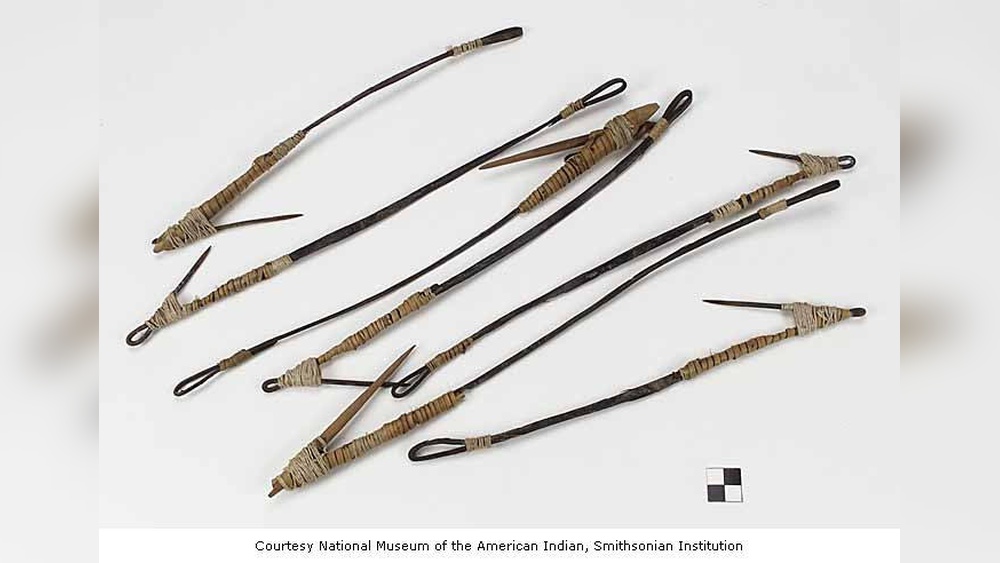
Yes, several museums and private collections house authentic examples of Native American fishing bows and arrows. These artifacts typically feature shorter, robust bows and specialized arrows with barbed or multi-pronged tips. Some are displayed in institutions such as the Smithsonian National Museum of the American Indian, while others remain in tribal communities as cultural treasures.
How Can Modern Anglers Respectfully Learn From Native American Bow Fishing Traditions?
Modern anglers can learn from Native traditions by prioritizing sustainability, respecting closed seasons, and practicing selective harvesting. Engaging with Indigenous-led education programs, reading reputable research, and consulting tribal authorities are excellent ways to deepen understanding. Above all, acknowledging the cultural and spiritual dimensions of bow fishing fosters greater respect for both the practice and the people who developed it.
The ingenuity and ecological wisdom of Native American bow fishers continue to resonate today. Whether through revived cultural programs, ongoing legal battles for fishing rights, or the growing popularity of bowfishing as a sport, the legacy of Indigenous innovation endures.
By honoring traditional knowledge and integrating its principles into modern practice, anglers and conservationists alike can help ensure that the art of bow fishing, and the aquatic ecosystems that sustain it, remain vibrant for generations to come.