How To Bow Hunt Fish
Bowfishing combines the thrill of archery with the excitement of fishing, offering outdoor enthusiasts a uniquely challenging pursuit. Unlike traditional fishing, bowfishing demands precision, quick reflexes, and a deep understanding of aquatic environments. Whether you’re seeking invasive carp in Midwest rivers or targeting gar in southern swamps, bow hunting for fish is rapidly gaining popularity across the United States.
This sport is not only a test of skill, but also an effective way to control populations of certain species, helping maintain ecological balance.
With roots stretching back centuries, modern bowfishing has evolved thanks to advances in gear and technology. Today’s bowfishermen use specialized bows, reels, and arrows designed to penetrate water and secure fish efficiently. Beginners and veterans alike enjoy bowfishing for its accessibility, requiring minimal equipment to get started, and its adaptability to different habitats, from clear lakes to murky rivers.
If you’re ready to learn how to bow hunt fish, this comprehensive guide will walk you through the essentials, from equipment selection to advanced techniques, ensuring you’re prepared for your next aquatic adventure.
Key Takeaways
- Bowfishing is a dynamic sport combining archery and fishing, ideal for controlling invasive fish species.
- Choosing the right gear, bow, arrows, reel, and accessories, is crucial for success and safety.
- Understanding fish behavior and water conditions greatly improves your chances of a successful hunt.
- Legal regulations vary by state; always check local bowfishing laws before heading out.
- Proper technique, safety practices, and ethical considerations enhance your bowfishing experience.
Credit: www.bowhunting.com
Understanding Bowfishing Basics
Bowfishing is distinct from both traditional fishing and archery, requiring unique skills and tools. Before heading to the water, it’s important to grasp the fundamentals of how bow hunting for fish works.
What Is Bowfishing?
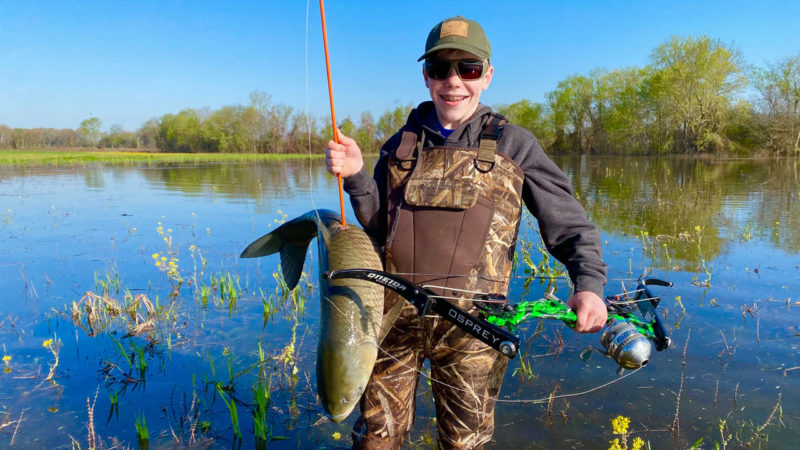
Bowfishing involves shooting fish with a barbed arrow attached to a line, using a bow designed for aquatic environments. Unlike conventional fishing, you visually locate fish and aim directly, rather than relying on bait or lures. The most common targets are non-game species such as carp, gar, and bowfin, fish that often impact native ecosystems.
Legal And Ethical Considerations
Each state in the US has its own regulations regarding bowfishing. These laws typically specify:
- Permitted species: Most states allow bowfishing for rough fish, not game fish.
- Seasons and locations: Some waters have restricted seasons or bans.
- Licensing: A fishing license is usually required.
Always consult your state’s fish and wildlife agency. For example, the Minnesota Department of Natural Resources requires a fishing license and restricts bowfishing to certain bodies of water. Ethical bowfishing also means:
- Targeting species that are safe to harvest
- Avoiding waste by properly disposing of or utilizing the fish
How Does Bowfishing Work?
The process is straightforward but demands skill:
- Spot fish visually, often in shallow, clear water.
- Aim at the fish, compensating for water refraction.
- Shoot the arrow, which is attached to a line and reel.
- Retrieve the fish by reeling in the arrow.
Success depends on timing, aim, and understanding how light bends in water. In my experience, even seasoned archers find the refraction factor a challenge at first.
Credit: www.bowhunting.com
Selecting The Right Bowfishing Gear
Quality gear is essential for both effectiveness and safety. Unlike standard archery equipment, bowfishing gear is designed to withstand wet environments and deliver powerful shots.
Choosing The Bow
There are three main types of bows used for bowfishing:
- Compound bows: Offer adjustable draw weights and let-off, suitable for longer sessions.
- Recurve bows: Simple, lightweight, and easy to maneuver in tight spaces.
- Specialized bowfishing bows: Designed specifically for aquatic use, often with corrosion-resistant materials.
Compound bows are most popular due to their versatility, but recurve bows are favored for their simplicity.
| Bow Type | Draw Weight (lbs) | Ease of Use | Best For |
|---|---|---|---|
| Compound Bow | 30, 50 | Moderate | All skill levels |
| Recurve Bow | 25, 40 | Easy | Beginners, shallow water |
| Specialized Bowfishing Bow | 25, 45 | Easy | Frequent bowfishers |
Selecting Arrows And Tips
Bowfishing arrows are heavier than standard arrows and usually made from fiberglass or carbon. Tips are barbed to hold fish securely. Key factors include:
- Material: Fiberglass is affordable and durable; carbon is lighter but pricier.
- Barb design: Single or multiple barbs for secure holding.
- Safety slides: Prevent line tangling and improve retrieval.
Reel Systems
Reels are critical for retrieving arrows and fish. There are three main types:
- Drum reels: Simple, manual winding, reliable.
- Spincast reels: Like fishing reels, allow fast retrieval, suitable for beginners.
- Retriever reels: Specialized for bowfishing, smooth and tangle-free.
Example: The AMS Retriever Pro is a leading model, praised for its reliability and ease of use.
| Reel Type | Retrieval Speed | Complexity | Recommended For |
|---|---|---|---|
| Drum Reel | Slow | Low | Traditionalists |
| Spincast Reel | Fast | Moderate | Beginners |
| Retriever Reel | Fast | Low | Experienced bowfishers |
Accessories And Safety Gear
Accessories enhance efficiency and safety:
- Polarized sunglasses: Reduce glare, improve fish spotting.
- Gloves: Protect hands during retrieval.
- Boat or waders: Access shallow waters.
- Line cutters: Essential for emergencies.
Pro Tip: Always wear eye protection, arrows can ricochet unexpectedly.
Preparing For A Bowfishing Trip
Preparation is key to a successful outing. Planning involves choosing the right location, time, and ensuring all gear is ready.
Selecting The Right Water Body
Bowfishing works best in shallow, clear waters, rivers, lakes, reservoirs, and ponds. Key factors:
- Visibility: Clear water makes spotting fish easier.
- Depth: Shallow areas (1, 4 feet) are ideal.
- Species: Research which fish are abundant and legal to target.
Example: The Mississippi River is famous for its carp population, making it a prime bowfishing destination.
Timing Your Trip
Fish are most active during:
- Spring and early summer: Spawning season brings fish to shallow waters.
- Nighttime: Many species feed and move more at night.
Night bowfishing requires powerful lights, LED floodlights mounted on boats are common.
Pre-trip Checklist
A thorough checklist ensures nothing is forgotten:
- Inspect bow and reel for damage
- Sharpen arrow tips and check barbs
- Pack spare arrows and lines
- Confirm fishing license and local regulations
- Prepare boat, lights, and safety gear
Weather And Environmental Factors
Monitor weather forecasts, rain, wind, and temperature affect water clarity and fish behavior. Extreme conditions can make bowfishing unsafe or unproductive.
Credit: www.bowhunting.com
Mastering Bowfishing Techniques
Success in bow hunting fish depends on mastering specific shooting and retrieval techniques, as well as understanding fish behavior.
Compensating For Refraction
Water bends light, making fish appear higher than they are. To compensate:
- Aim below the fish’s apparent position.
- The deeper the fish, the lower you aim.
In my experience, beginners often miss because they aim directly at the fish. Practice is essential.
Spotting Fish
Polarized sunglasses and patience are your best tools. Look for:
- Movement or ripples
- Silhouettes against the bottom
- Groups of fish during spawning
Shooting And Retrieval
- Draw smoothly to avoid spooking fish.
- Release arrow quickly, hesitation gives fish time to escape.
- Retrieve arrow and fish by reeling in steadily; avoid jerking to prevent line breakage.
Example: Veteran bowfishers often practice “snap shooting”, a rapid shot with minimal draw time.
Boat Vs. Shore Bowfishing
- Boat bowfishing: Offers mobility, access to more fish, and use of lights at night.
- Shore bowfishing: Ideal for beginners, more affordable, and less gear-intensive.
| Method | Mobility | Gear Required | Best For |
|---|---|---|---|
| Boat Bowfishing | High | Boat, lights, more gear | Experienced, group hunts |
| Shore Bowfishing | Low | Minimal gear | Beginners, solo hunts |
Fish Species Commonly Targeted In Bowfishing
Bowfishing is typically used to control invasive or rough fish species. Understanding which fish to target ensures legal and ethical hunting.
Carp
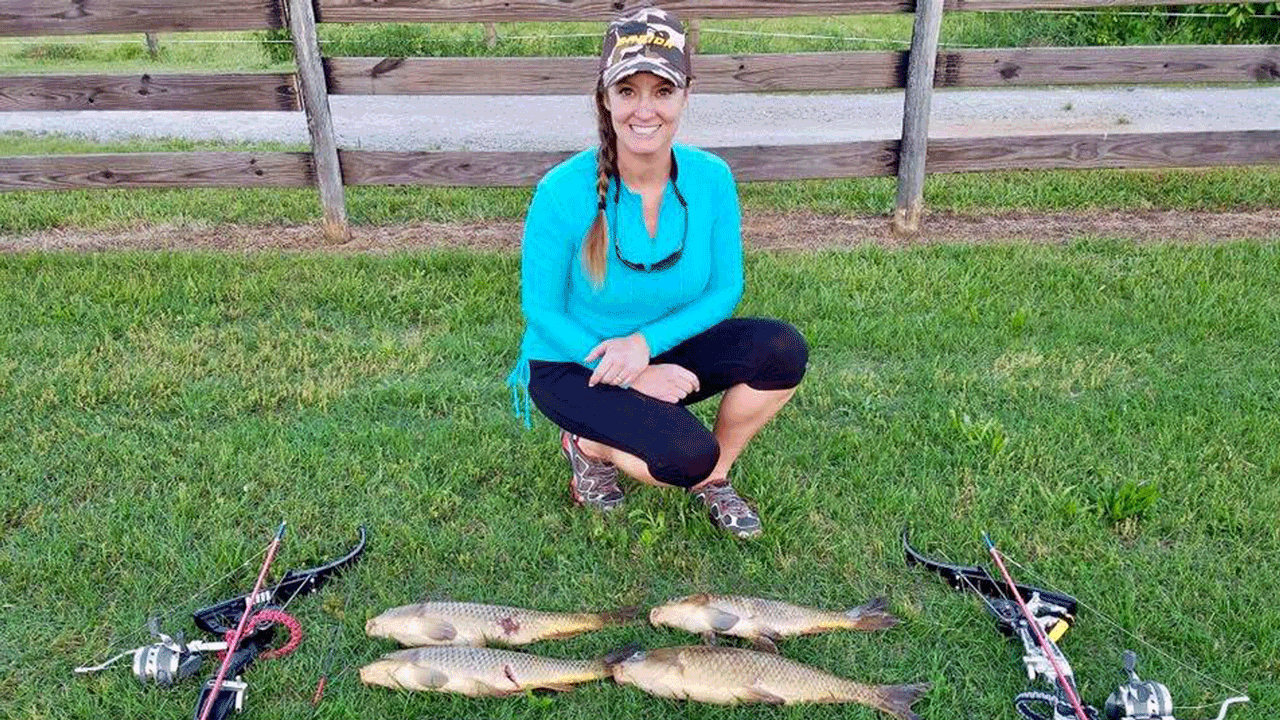
Carp are the most popular bowfishing target in North America. They reproduce rapidly and disrupt native habitats. Bowfishing helps manage their populations.
- Found in rivers and lakes
- Often visible in shallows during spring
Gar
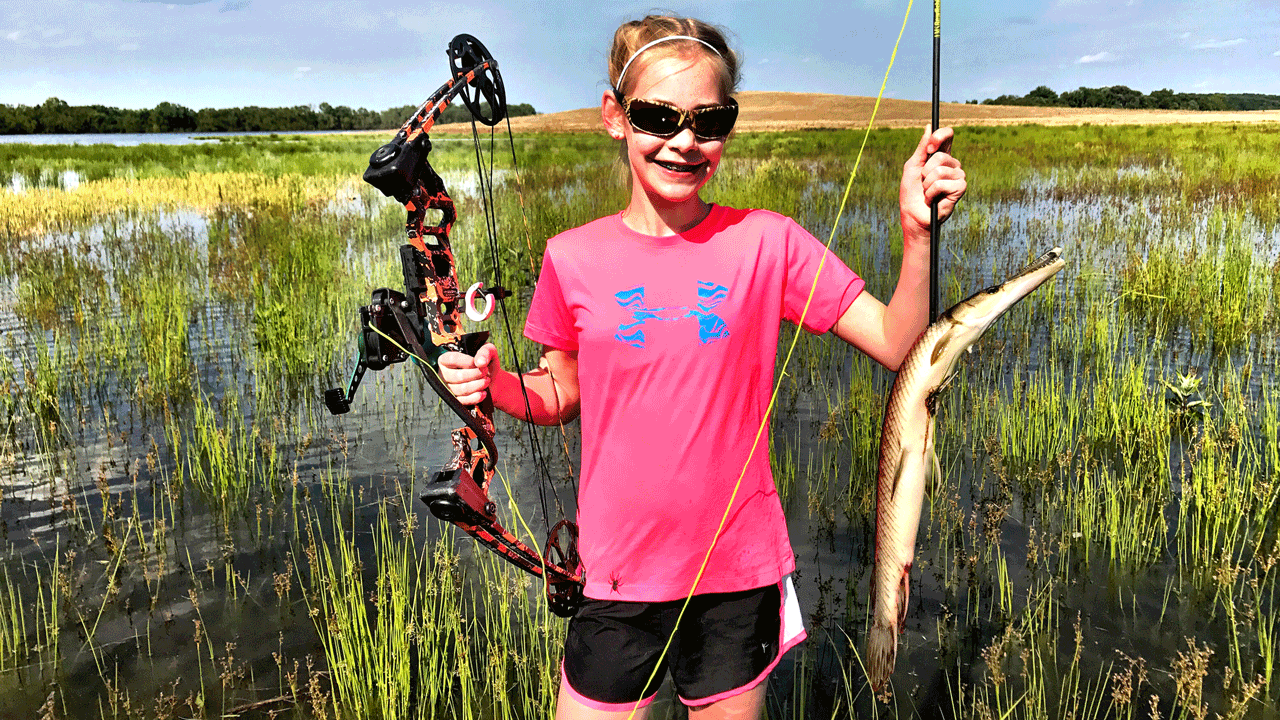
Gar are prehistoric-looking fish with hard scales and long bodies. They’re challenging targets due to their armor-like scales.
- Prefer slow-moving waters
- Active during warm months
Bowfin
Bowfin are native to eastern US waters. They’re known for aggressive behavior and resilience.
- Found in swamps, backwaters
- Active year-round
Catfish
Catfish can be legally bowfished in some states, though regulations vary.
- Hide in mud and vegetation
- Often found in large rivers
Invasive Species Management
Bowfishing is a recognized method for controlling invasive species. For example, the Asian carp population in the Mississippi River basin is managed partly through bowfishing, according to the Wikipedia Bowfishing page.
Real-world Bowfishing Examples And Case Studies
Learning from actual bowfishing experiences can help you refine your approach. Here are three concrete examples:
Example: Managing Carp In Illinois
The Illinois Department of Natural Resources reported that bowfishing tournaments removed over 20,000 pounds of Asian carp in 2019, aiding local ecosystems. Tournament participants used both boat and shore methods, emphasizing teamwork and efficient retrieval.
Example: Night Bowfishing In Texas
A group of anglers in Texas successfully harvested gar and carp during night bowfishing trips using LED lights mounted on boats. The combination of powerful lights and retriever reels enabled them to spot and secure fish quickly. Their catch rates doubled compared to daytime outings.
Example: Shore Bowfishing For Bowfin In Florida
Solo bowfishers in Florida’s swamps have reported consistent success targeting bowfin during early morning hours. Using recurve bows and polarized sunglasses, they adapted to dense vegetation and shallow waters, demonstrating that shore bowfishing can rival boat methods in the right conditions.
Advanced Bowfishing Strategies
Once you’ve mastered the basics, advanced strategies can boost your effectiveness and enjoyment.
Using Technology
- GPS mapping: Track productive spots and fish movement.
- Underwater cameras: Identify fish species and behavior.
- Mobile apps: Log catches, share locations, and access regulations.
Example: Some bowfishers use sonar to locate schools of carp in large lakes, increasing their odds of a successful hunt.
Tournament Bowfishing
Competitive bowfishing is growing, with events in states like Illinois, Texas, and Florida. Tournaments often:
- Set limits on target species and quantity
- Require adherence to strict safety and ethical rules
- Offer prizes for largest or most fish
Environmental Stewardship
Advanced bowfishers often contribute to conservation efforts by:
- Reporting invasive species catches to local agencies
- Educating newcomers about ethical bowfishing
- Participating in habitat restoration projects
Pro Tip: Always clean up after your trip, discarded gear and fish waste can harm local ecosystems.
Team Bowfishing
Team bowfishing involves coordinated efforts from multiple anglers. Benefits include:
- Covering more area
- Sharing gear and expertise
- Improving safety
In my experience, team outings create a social, educational environment and often yield higher success rates.
Safety And Ethics In Bowfishing
Safety and ethics are vital, ensuring a positive experience for you and the environment.
Personal Safety
- Always wear eye protection and gloves.
- Use caution when handling sharp arrows and barbed tips.
- Never shoot at movement without identifying the target.
Water Safety
- Wear a life jacket when bowfishing from a boat.
- Monitor weather and water conditions.
- Avoid alcohol consumption during outings.
Ethical Harvesting
- Target only legal, non-game species.
- Utilize harvested fish, many bowfishers compost, donate, or eat their catch.
- Avoid overharvesting from sensitive habitats.
Pro Tip: Check local regulations regarding fish disposal, some areas require specific handling of invasive species.
Respecting Local Communities
Bowfishing can impact local communities and recreation areas. Always:
- Follow posted rules and respect private property.
- Communicate with other anglers and boaters.
- Keep noise and waste to a minimum.
Frequently Asked Questions
Is Bowfishing Allowed Everywhere In The United States?
Bowfishing laws vary widely across states and even local jurisdictions. Some states allow bowfishing only for non-game fish, while others restrict it further by species and season. Always consult your state wildlife agency before planning a trip.
What Is The Best Time Of Year For Bowfishing?
The most productive bowfishing occurs in spring and early summer, when fish move to shallow water to spawn. However, some species can be targeted year-round, especially in warmer climates or during nighttime with proper lighting.
Can Bowfishing Be Done In Saltwater?
Yes, bowfishing is possible in saltwater environments, targeting species such as stingrays and flounder. However, regulations are often more stringent in coastal areas. Equipment must be corrosion-resistant due to the harsh conditions.
How Do You Clean And Prepare Fish Caught By Bowfishing?
Cleaning bowfished fish follows standard fish cleaning procedures: scale, gut, and fillet. Many bowfishers use carp for smoked dishes, and gar is considered a delicacy in some regions. Always ensure fish are safe to eat and follow local health advisories.
Are There Risks Of Injury In Bowfishing?
Bowfishing carries risks like any outdoor sport, cuts from barbed arrows, eye injuries, and water-related hazards. Using proper safety gear, maintaining equipment, and practicing situational awareness minimizes these risks. Consult a medical professional if injuries occur.
Bow hunting for fish offers a rewarding blend of skill, adventure, and environmental stewardship. With the right gear, preparation, and respect for regulations, bowfishing can be enjoyed by individuals and groups alike. Whether you’re tackling invasive carp or exploring new waters, the sport provides endless opportunities for growth and connection to nature. For further reading, visit the Bowfishing Association of America for the latest news and resources.