How to Adjust Diamond Infinite Edge: Guide
Quick Summary: Adjusting your Diamond Infinite Edge bow’s draw length is straightforward with the correct tools and a clear understanding of the process. This guide will walk you through safely and effectively setting the perfect draw length for improved accuracy and comfort, ensuring a better archery experience. For more on this, see our guide on How To Bow Hunt Groundhogs. For more on this, see our guide on How To Bow Hunt Cow Moose.
Welcome, fellow archers! Ever feel like your bow just isn’t quite right for you? Maybe the draw feels a little too long, or perhaps it’s a bit too short. This can really throw off your aim and make shooting uncomfortable. If you’re shooting a Diamond Infinite Edge, you’re in luck! This bow is designed to be adjustable, meaning you can fine-tune it to perfectly fit your body and shooting style. It’s not as complicated as it might sound, and getting it right makes a world of difference. We’ll go through this step-by-step, making it easy for you to adjust your Diamond Infinite Edge for maximum comfort and accuracy.
Understanding Bow Draw Length: Why It Matters
Before we dive into adjusting your Diamond Infinite Edge, let’s chat about why draw length is so important. Think of it like finding the right shoe size. If your shoes are too big or too small, you’re going to trip, be uncomfortable, and not perform at your best. The same goes for your bow. Your draw length is the distance your drawing hand travels back when the bowstring is fully drawn. Getting this measurement just right ensures:
- Consistent Accuracy: A proper draw length allows you to anchor your hand in the same spot every single time you shoot. This consistency is the foundation of good aim.
- Comfortable Shooting: When your draw length is correct, you won’t have to overextend or feel strained. This makes shooting feel natural and enjoyable.
- Optimal Performance: Each bow is designed to perform best at specific draw lengths. Matching your draw length helps you get the most speed and power out of your Diamond Infinite Edge.
- Reduced Fatigue: Shooting with a bow that’s the wrong size can lead to muscle strain and fatigue over time.
The Diamond Infinite Edge is a fantastic choice for beginners and intermediate archers because its ease of adjustment means you can grow with the bow. As you get stronger or your technique develops, you can easily make small tweaks to keep your bow perfectly suited to you.
What You’ll Need: Tools for Adjustment
To successfully adjust the draw length on your Diamond Infinite Edge, you’ll need a few common tools. Don’t worry if you don’t have these already; most aspiring archers find them easy to acquire. Having the right tools makes the process smooth and prevents any damage to your bow.
Essential Tools:
- Bow Press: This is the most critical tool. A bow press is used to safely compress the bow’s limbs, allowing you to relieve tension on the string and cables so you can change the cam modules. You can often find these at archery shops, and they are essential for any significant bow tuning. If you’re new to using a bow press, it’s highly recommended to have an experienced person guide you through its use the first time.
- Allen Wrenches (Hex Keys): You’ll need a set of metric and/or imperial Allen wrenches, as most bow manufacturers use these for adjustments. The Diamond Infinite Edge typically uses specific sizes found in a standard set.
- String Wax: A good quality bowstring wax will help maintain the condition of your bowstring and cables during and after the adjustment.
- Measuring Tape or Bow Square: For verifying your draw length and ensuring the bow is properly squared up after adjustments.
- The Owner’s Manual: Always consult your Diamond Infinite Edge owner’s manual. It will have specific details about your bow model, including information on how to adjust the draw length and any particular instructions from the manufacturer. You can usually find a PDF version on the Diamond Archery website if you’ve misplaced yours.
Optional but Recommended:
- Gloves: To protect your hands from the bowstring, cables, and limbs.
- Cleaning Cloth: For wiping down parts as you work.
- Pen and Paper: To record your starting settings and any changes you make.
How to Find Your Ideal Draw Length
Before you start making any adjustments, you need to know your current draw length and what feels comfortable for you. There are a couple of ways to determine this:
1. Measuring Your Wingspan
This is a common and fairly accurate method for beginners to get an approximate draw length. Stand with your back against a wall and your arms extended straight out to your sides, like a T. Have someone measure the distance from the tip of one middle finger to the tip of the other middle finger. Then, divide that number by 2.5. The result is your approximate draw length in inches.
Example: If your wingspan is 60 inches, your approximate draw length is 60 / 2.5 = 24 inches.
2. Professional Measurement
The most accurate way is to visit a local archery pro shop. They have experienced technicians who can measure your draw length precisely using specialized tools and can also assess your shooting form. This is highly recommended if you’re completely new to archery.
3. Using a Draw Length Arrow (Less Common for Beginners)
Specialized arrows with markings can be used, but this usually requires someone to help you draw the bow and mark the arrow accurately.
Remember, the wingspan method is a guideline. Your shooting comfort and form should be the ultimate deciding factors. What feels right when you draw the bow back and achieve a solid anchor point is key.
Adjusting the Diamond Infinite Edge: A Step-by-Step Guide
The Diamond Infinite Edge bow typically uses a system of rotating cam modules to adjust draw length. This means you don’t need to change the entire cam, just reposition it. This method is generally safe and efficient.
Important Safety Note: Always ensure your bow is securely held in a bow press before attempting to adjust cam modules that carry limb load. Releasing tension under pressure without proper equipment can cause injury or damage to the bow. If you are uncomfortable or unsure at any step, seek assistance from a qualified archery technician.
Step 1: Identify Your Cam Modules
Locate the cams at the ends of your bow limbs. The Infinite Edge usually has modules on these cams that are marked with numbers. These numbers correspond to specific draw lengths or draw lengths ranges. Consult your owner’s manual to decipher what each number represents on your specific bow model.
Step 2: Use a Bow Press to Relieve Limb Tension
This is where the bow press comes in. Place your bow securely in the bow press according to the press manufacturer’s instructions. Slowly and evenly compress the bow limbs. You’re looking to relieve enough tension so that the string and cables are loose, but you don’t need to completely de-tension the bow completely.
Step 3: Locate and Loosen the Cam Module Fasteners
Once the limbs are compressed and the string is slack, you’ll see screws or bolts that hold the cam modules in place. These are usually on the face of the cam. You will only need to loosen these screws; they do not need to be removed entirely. Just loosen them enough so that the module can be rotated.
Step 4: Rotate the Cam Module to the Desired Setting
Now, carefully rotate the cam module. You should feel or see indicators that help you align it to the correct position for your desired draw length from the options available on the module. Ensure the module is aligned with any alignment marks or indicators on the cam itself. Refer back to your owner’s manual to confirm the number and corresponding draw length you are setting.
The Diamond Infinite Edge often has a range of draw lengths it can accommodate, typically differing by 0.5-inch increments. For example, a module might offer settings for 24.5″, 25″, 25.5″, and so on. Select the setting closest to your measured ideal draw length.
Step 5: Tighten the Cam Module Fasteners
Once the module is in the correct position, re-tighten the screws or bolts. Tighten them evenly, alternating between screws if there are multiple, to ensure the module is secured without any stress on one side. Tighten them until they are snug, but do not overtighten, as you could strip the threads or damage the module. Again, consult your manual for specific torque recommendations if available.
| Adjustment Type | Cam Module Rotation |
|---|---|
| Decreasing Draw Length | Rotate module towards the limb tip (usually counter-clockwise when viewed from the outside). |
| Increasing Draw Length | Rotate module towards the riser (usually clockwise when viewed from the outside). |
Step 6: Slowly Release Tension from the Bow Press
With the cam modules securely tightened, you can now slowly and carefully release the tension from the bow press. Undo the press mechanism gradually, allowing the limbs and string to come back into their natural position. Make sure there are no binding noises or unusual movements of the limbs or cams. If anything seems off, re-compress the bow and check your work.
Step 7: Check String and Cable Alignment
Once the bow is out of the press, visually inspect your string and cables. Ensure they are tracking cleanly through any cable slides or rollers and that the cams are rotating smoothly. You can use a bow square to check if your cams are in sync, meaning they are both angled the same way when the string is fully drawn. This is crucial for balanced arrow flight.
Step 8: Test Draw and Verify Draw Length
Carefully draw the bow back (it’s best to do this with a release aid attached, but a gentle finger draw can work for verification). Feel how the draw length feels. Does it feel more comfortable? Too long? Too short? If possible, have a friend check your draw length using a draw length arrow or by observing your form with a measuring tape or bow square. The goal is to reach your proper anchor point without straining.
Step 9: Make Small Adjustments as Needed
It’s common to need a couple of minor adjustments. If it still doesn’t feel quite right, repeat steps 2-7 to either slightly increase or decrease the draw length until it’s perfect. Small changes can make a big difference.
Step 10: Apply String Wax
After making adjustments, especially if you noticed any dryness or fraying during the process, apply a good quality string wax to your bowstring and cables. Rub it into the strands until they appear dark and saturated. This protects them from wear and tear and ensures they remain in good condition.
Understanding Draw Weight and its Relationship to Draw Length
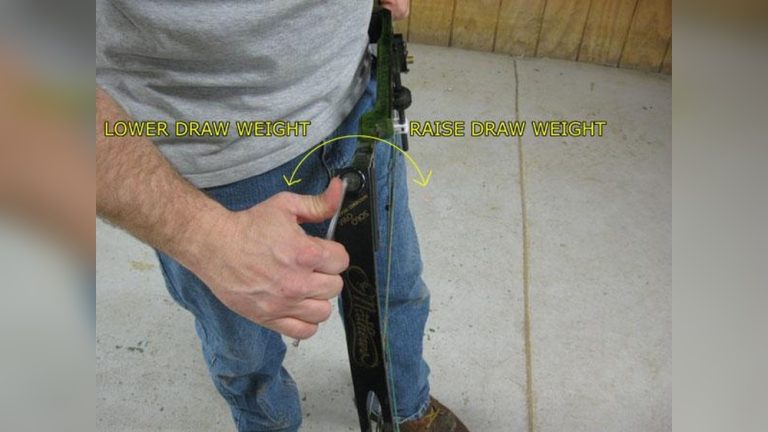
While adjusting draw length, it’s worth noting that sometimes changing your draw length (especially if your bow allows for it significantly) can subtly affect your bow’s draw weight. For most modern adjustable bows like the Diamond Infinite Edge, the draw weight adjustment is a separate mechanism, often located at the limb bolts where the limbs attach to the riser. However, rotating cam modules can sometimes influence the peak draw weight slightly.
The Archery Trade Association often provides resources on bow tuning and maintenance, highlighting the importance of ensuring all aspects of your bow are set up correctly for optimal shooting.
If your bow does have adjustable limb bolts, remember to only adjust them according to the manufacturer’s specifications (usually a maximum of 10-15 pounds total difference, and only by a specified number of turns of the limb bolt). Never back out the limb bolts so far that they are no longer fully engaged in the riser, as this can be extremely dangerous and cause limb failure.
| Characteristic | Draw Length Adjustment | Draw Weight Adjustment |
|---|---|---|
| Method | Rotating cam modules. | Adjusting limb bolts (turning them in or out). |
| Primary Goal | Fit the bow to the archer’s physical dimensions and comfort. | Adjust the force required to draw the bow and optimize arrow speed. |
| Impact on Feel | Affects shooting form, anchor point, and overall comfort. | Affects physical effort, holding time, and arrow velocity. |
| Potential Side Effects | Minor changes in draw weight or performance if not set precisely. | Can affect arrow speed significantly; over-tensioning can damage the bow. |
The Diamond Infinite Edge is designed for ease of use, so adjusting draw weight is usually done via the limb bolts. Always record the number of turns you make on the limb bolts, as you’ll want to ensure even adjustment on both sides for cam synchronization.
Troubleshooting Common Adjustment Issues
Even with clear instructions, you might run into a few minor hiccups. Here’s how to address them:
Issue: Cam Module Won’t Rotate
- Cause: Screws are still too tight, or the limbs are not compressed enough to relieve sufficient tension on the module.
- Solution: Ensure the bow press has compressed the limbs adequately. Loosen the module screws a bit more, but remember not to remove them.
Issue: Cams Are Out of Sync (One is significantly further forward or backward than the other when drawn)
- Cause: The modules on each cam were not set to the same corresponding setting, or the limb bolts were adjusted unevenly.
- Solution: Re-compress the bow in the press. Ensure both cam modules are set to the identical numerical setting. If the issue persists, check that the limb bolts are turned an equal number of turns from a baseline setting.
Issue: String or Cables Look Tangled or Worn After Adjustment
- Cause: The string or cables may have shifted during the press process, or there might be existing wear.
- Solution: Carefully inspect the full length of the string and cables. If you see any fraying or damage, it’s time to consider replacing them. Apply string wax to protect them. If they are simply out of alignment, try to gently guide them back into their channels while the bow is compressed.
Issue: The Draw Still Doesn’t Feel Right, Even with a New Setting
- Cause: Your initial measurement might have been slightly off, or your perceived “comfort” point might differ from standard measurements.
- Solution: Try small incremental adjustments (0.5-inch increments) until you find a comfortable and consistent anchor point. Sometimes, trying different release aids or bow grips can also influence perceived comfort.
Maintaining Your Diamond Infinite Edge After Adjustment
Once you’ve perfected your draw length, it’s important to keep your bow in top condition. Regular maintenance ensures consistent performance and longevity.
- Regular String Waxing: Apply string wax every few hundred shots or whenever the string looks dry. This protects the strands and prevents premature wear, especially in humid conditions.
- Check for Loose Parts: Periodically inspect all screws and bolts on your bow, especially the cam module fasteners and limb bolts, to ensure they remain snug.
- Inspect Cables and String: Keep an eye out for any fraying, nicks, or damage on your string and cables.
- Clean Your Bow: Wipe down your bow’s riser and limbs with a soft, dry cloth to remove dirt and debris.
- Proper Storage: Store your bow in a cool, dry place, ideally in a bow case, away from extreme temperatures and humidity. Never store your bow in a hot car for extended periods.
- Annual Professional Check-up: Consider having your bow professionally inspected by an archery shop once a year, even if you’re comfortable doing your own maintenance. They can spot potential issues you might miss. Learn more about proper bow maintenance from resources like the USA Archery website, which offers valuable tips for all levels of archers.
Frequently Asked Questions (FAQ)
Q1: How often should I adjust my draw length?
You should only need to adjust your draw length if you feel discomfort, your accuracy suffers, or if a significantly different person is using your bow. For your own shooting, once it’s set correctly, it should remain stable unless you’re making significant changes to your shooting form or physical condition.
Q2: Can I adjust the draw length without a bow press?
For the Diamond Infinite Edge, which uses rotating cam modules, you generally need a bow press to safely relieve the tension on the limbs and cables. Attempting to do this without a press can be dangerous and could damage your bow.