Are Old Recurve Bows Safe? Essential Guide
Yes, old recurve bows can be safe to shoot if they are carefully inspected for damage, properly maintained, and handled with consistent safety practices. Age alone doesn’t make a recurve bow unsafe, but wear and tear over time can introduce risks if not addressed. For more on this, see our guide on Do I Need More Than a 45Lb Recurve Bow? Expert Guide & Tips.
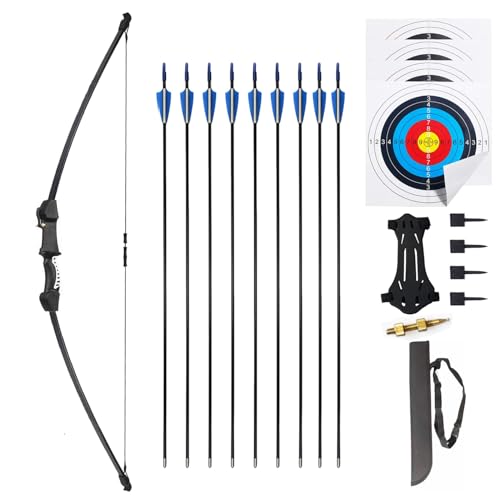
Mxessua
45" Bow and Arrow for Kids 8-12,…
- Ideal Gift for Beginners: This 45-inch bow and arrow set is perfect for kids and teens aged 8-12, 12-14, and 14-16, and even suita…
- Sturdy Materials & Safe for Kids: The bow and arrow set is made from robust fiberglass limbs, with an upgraded high-strength grip…
- Safety Guaranteed: The bow and arrow set features blunt-tipped arrows to ensure that kids won’t get injured during use. The finger…
As an Amazon Associate I earn from qualifying purchases.
For a closely related bow or archery topic, Affordable Bows: Essential gives readers a useful next step.
For a closely related bow or archery topic, Are Gold Necklaces Or Dwarven Bows Better for Leveling Smithing? gives readers a useful next step.
For a closely related bow or archery topic, Apex Wingman Vs Longbow: Essential Showdown gives readers a useful next step.
For a closely related bow or archery topic, Different Crossbow Bolt Nocks: Essential gives readers a useful next step.
Welcome to the exciting world of archery! You might have stumbled upon a beautiful old recurve bow, perhaps from a family member or at a flea market, and wondered if it’s ready for some action. It’s a great question, and one that’s very important to ask before you draw back that first arrow. Many older recurve bows are perfectly safe and can offer a fantastic shooting experience. However, like any piece of equipment that’s seen time, they need a careful look-over. We’re here to guide you through just how to do that, making sure your archery adventures are both thrilling and secure.
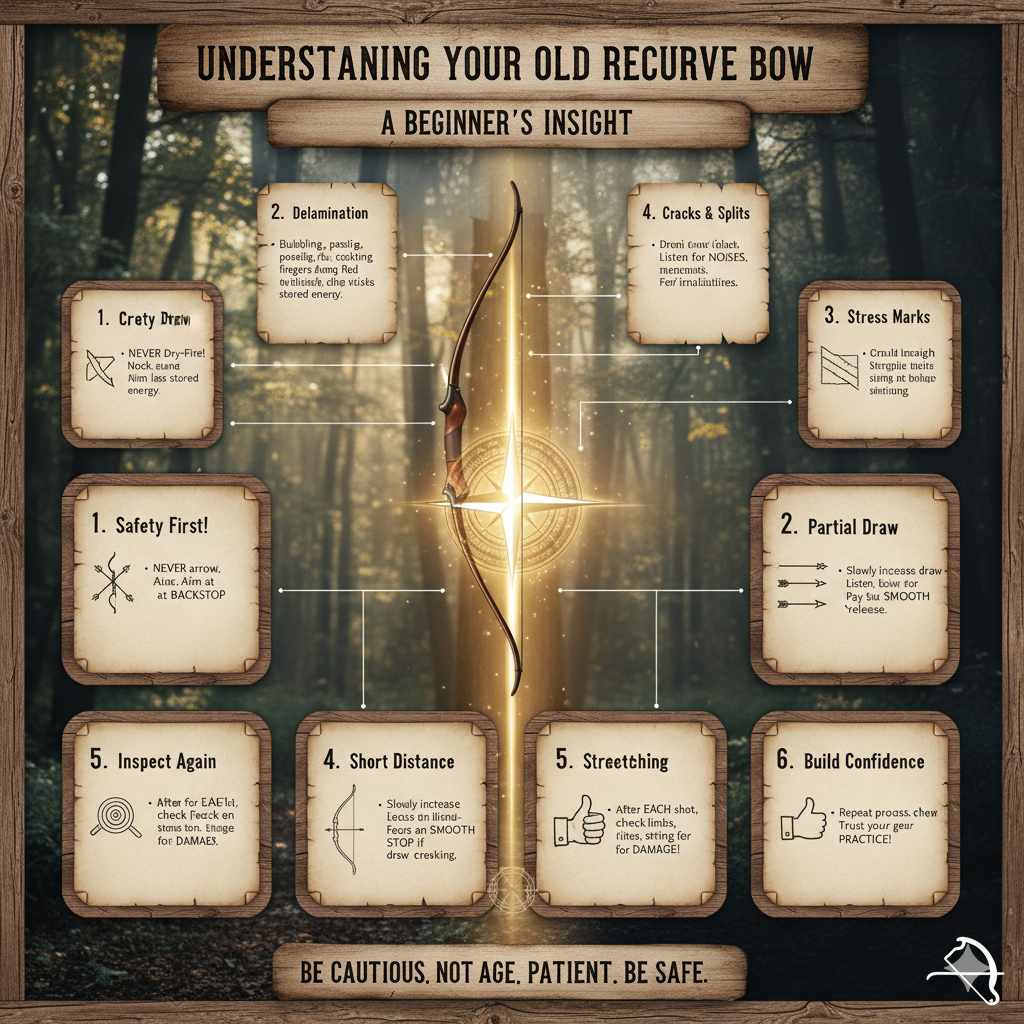
Understanding Your Old Recurve Bow: A Beginner’s Insight
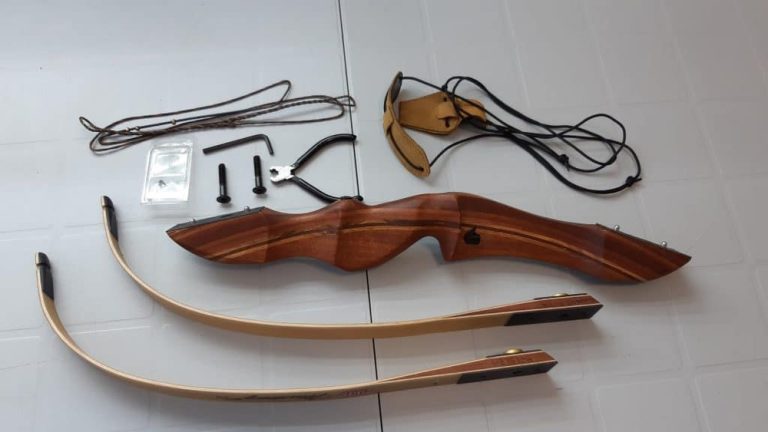
Recurve archery has a rich history, and many of these traditional bows are built to last. Unlike modern compound bows with their complex pulleys and cables, recurve bows are elegantly simple. They consist of the riser (the handle) and two limbs that curve away from the archer. This simplicity means fewer parts to break, but it also means that the integrity of the materials themselves is paramount. Wood, fiberglass, and even older composite materials can degrade over time, which is why a thorough inspection is key to determining if your old gem is safe to shoot.
Why Age Matters, But Isn’t Everything
When we talk about “old” recurve bows, we’re not just talking about a bow made in the 1980s versus one from this year. We’re considering bows that might be decades, or even a century, old. The materials used in older bows can be different. For instance, early fiberglass might be more brittle, or wooden components could be susceptible to moisture damage, pests, or warping. However, a well-made and well-cared-for bow from the mid-20th century might be in better condition than a poorly stored bow from just a decade ago. It’s the bow’s condition, not just its birth year, that dictates its safety.
The Heart of the Matter: Assessing the Limbs
The limbs are the most critical part of your recurve bow. They store and release the energy that propels the arrow. If the limbs fail during a draw, it can be extremely dangerous, potentially sending pieces of the bow flying. Here’s what to look for:
- Delamination: This is when the layers of the limb start to separate. Look for any bubbling, peeling, or cracking along the surface of the limbs, especially where the fiberglass meets the core material. Pay close attention to the belly (the side facing you) and the back (the side facing away).
- Cracks and Splits: Carefully examine the entire length of both limbs. Even small, hairline cracks can be a sign of weakness. Run your fingers gently over the surface to feel for any irregularities.
- Twisting or Warping: When unstrung, the limbs should be relatively straight, with the characteristic recurve shape at the tips. If they appear significantly twisted or bent out of shape, they may have lost their structural integrity.
- Stress Marks: Sometimes, dark or lighter spots can indicate stress points or damage within the material.
- The Tip Overlays: The string nocks at the limb tips should be securely attached and free from cracks or chips.
The Riser: More Than Just a Handle
The riser provides grip and stability. While generally more robust than the limbs, it’s not immune to issues, especially in older wooden risers.
- Cracks: Inspect the riser carefully, especially around the grip area, the arrow rest, and where the limbs attach (if it’s a two-piece takedown bow).
- Loose Joints: If you have a takedown bow, ensure the limb bolts are secure and that there’s no excessive play or wobble where the limbs meet the riser.
- Wood Condition: For wooden risers, check for any signs of rot, insect damage, or severe warping.
The Bowstring: A Surprising Point of Failure
The bowstring is under immense tension and is directly responsible for transferring energy. A worn-out string is a significant safety hazard.
- Fraying: Look for any broken strands, particularly around the loops where the string attaches to the limb tips or in the serving (the reinforced wrapping in the center).
- Wear: The serving can wear down over time. If it looks thin, frayed, or is missing in places, it’s time for a new string.
- Stretching: While strings can stretch, a severely stretched string might also be a sign of internal damage to its fibers. If the string length has significantly changed or it feels “loose” even when properly strung, it’s a concern.
Essential Safety Checks Before You Shoot
Once you’ve given your bow a good visual inspection, it’s time to move on to functional safety checks. These steps are crucial for any archer, regardless of the bow’s age.
1. The Stringing and Unstringing Ritual
How to Safely String a Recurve Bow
Stringing a recurve bow incorrectly can damage the bow and injure you. Always use a bow stringer. Never try to “step through” the stringing process, as this puts immense stress on the limbs and can lead to breakage. A proper bow stringer is a relatively inexpensive tool that makes this process safe and easy.
Here’s the basic process using a stringer:
- Place one end of the stringer cord loop over the bottom limb tip.
- Place the other loop over the top limb tip.
- Position the bow upright, with the stringer cord under the belly of the bow.
- Gently bend the bow by stepping on the stringer cord loop at the bottom (as per the stringer’s instructions) while pushing down on the riser. This creates enough slack to place the string loop into its nock on the top limb.
- Carefully unhook the stringer cord loops from the limb tips.
- Check that the string is seated correctly in both limb nocks.
For detailed instructions and visual guides, resources like the Archery GB how-to video on stringing a bow are invaluable.
Unstringing Safely
Unstringing is the reverse process and is just as important to do correctly to avoid injury or damage.
- Ensure the bow is unstrung before storing or transporting it.
- Use the bow stringer tool again by placing the loops on the limb tips.
- Gently flex the bow to remove tension from the string.
- Carefully unhook the string from the top limb nock.
- Slowly release the tension on the bowstringer by easing the pressure.
- Remove the stringer loops from the limb tips.
2. Inspecting the String While Strung
Once the bow is strung, take another look at the string. Are the strands evenly distributed? Is the nocking point (where you place the arrow) clearly visible and intact? The string should be centered and appear taut and ready.
3. The Dry Fire: A Bow’s Worst Nightmare
A “dry fire” is when you draw a bowstring back and release it without an arrow nocked. This is incredibly damaging to any bow, especially recurve bows, and can cause catastrophic limb failure. It sends uncontrolled energy back into the limbs, often breaking them. Never, ever dry fire your bow. If you have any doubt about whether your bow has been dry-fired, err on the side of caution and assume it might have been, which signals a need for extra scrutiny or professional inspection.
4. Checking Draw Weight and Draw Length Consistency
While not a direct safety check in terms of structural integrity, understanding your bow’s limitations is crucial. An old bow might have lost some of its original draw weight, or its draw length might need to be adjusted for your shooting style. An inconsistent draw can affect accuracy and, more importantly, can put undue stress on the limbs if you’re drawing it further than it was designed for.
If you’re unsure about the draw weight, a bow scale can measure it. For draw length, it’s best to consult with an experienced archer or coach. Drawing too far can be just as dangerous as a damaged limb.
Maintenance and Care for Longevity
Even if your old recurve bow passes its initial safety checks, proper maintenance is key to keeping it safe and prolonging its usable life.
Lubrication and Cleaning
A clean bow is a happy bow. Periodically clean the riser and limbs with a soft, dry cloth. For wooden risers, a very light application of furniture polish or beeswax can help protect the wood, but use sparingly and ensure it doesn’t attract dirt.
The string itself can benefit from a bit of string wax. Apply it gently by rubbing the wax over the strands (not the serving) and then buffing it with a soft cloth until it disappears. This helps protect the string from moisture and wear.
Stropping Wax: A Bowstring’s Best Friend
Bowstring wax is essential for maintaining the integrity of your bowstring. It’s designed to lubricate and protect the synthetic fibers from drying out, fraying, and breaking. Apply a thin, even layer along the length of your string, avoiding the loops and the serving. Then, use a piece of soft cloth to gently rub the wax into the fibers until it’s no longer visible. This simple step can significantly extend the life of your string and prevent a potentially dangerous failure.
Storage Matters
How you store your bow is critical. Storing it in a cool, dry place, away from direct sunlight and extreme temperature fluctuations, is vital. Avoid leaning it against a wall for extended periods, as this can cause the limbs to warp. A padded bow case or a dedicated bow stand is ideal. Never store a strung bow for long periods; unstring it to relieve tension on the limbs and string.
When to Seek Professional Help
There comes a point where amateur inspection isn’t enough. If you find any of the following, it’s time to consult a qualified bow technician or archery professional:
- Any signs of delamination or deep cracks in the limbs.
- Significant warping or twisting of the limbs.
- A damaged riser that compromises the structural integrity.
- Uncertainty about the bow’s history or condition.
An expert can assess damage you might miss, perform necessary repairs (though limb replacement is often not feasible on older bows), or advise you on whether the bow is safe to shoot or should be retired.
You can often find skilled bowyers or archery shops through local archery clubs or by searching online for ‘archery repair shops’ in your area. Organizations like the National Field Archery Association (NFAA) can also be a good resource for finding local experts.
Table: Common Signs of Wear and Tear on Old Recurve Bows
This table highlights common issues you might encounter and what they mean for your bow’s safety.
| Potential Issue | Where to Look | Safety Implication | Recommended Action |
|---|---|---|---|
| Delamination (bubbling/peeling) | Limbs (back and belly) | High risk of limb failure, catastrophic damage. | Immediate stop. Seek professional inspection. Likely unsafe. |
| Cracks/Splits | Limbs, Riser | Weakens structural integrity, potential for sudden breakage. | Immediate stop. Seek professional inspection. Likely unsafe. |
| Significant Twisting/Warping | Limbs | Compromises performance and can lead to stress failure over time. | Seek professional assessment. May be unsafe. |
| Frayed Bowstring | String, Loops, Serving | Risk of string breakage under tension, leading to dry fire and bow damage. | Replace the bowstring immediately. |
| Loose Limb Mounts (Takedown Bows) | Where limbs attach to riser | Instability during draw, potential for limb detachment. | Tighten bolts. If still loose or damaged, seek expert advice. Avoid shooting. |
| Chips/Cracks on String Nocks | Limb Tips | Can cause string to slip or fray, leading to failure. | Seek professional repair or assessment. May be unsafe. |
The Importance of the Right Arrow
Shooting an old recurve bow safely also involves using the correct arrows. The spine (flexibility) of the arrow needs to match the draw weight and draw length of your bow.
If an arrow is too stiff (over-spined), it might not flex correctly, putting undue pressure on the bow or riser as it leaves. If it’s too weak (weak-spined), it can flex too much, break, and potentially cause dangerous shrapnel. For older bows, it’s often best to start with a slightly heavier, more forgiving arrow, especially if you’re unsure of the exact specifications.
Consulting resources like the Merriam-Webster definition of spine, while not directly about arrows, highlights the concept of structural rigidity which is key to understanding arrow flex. Understanding how arrow spine works is crucial for safe archery.
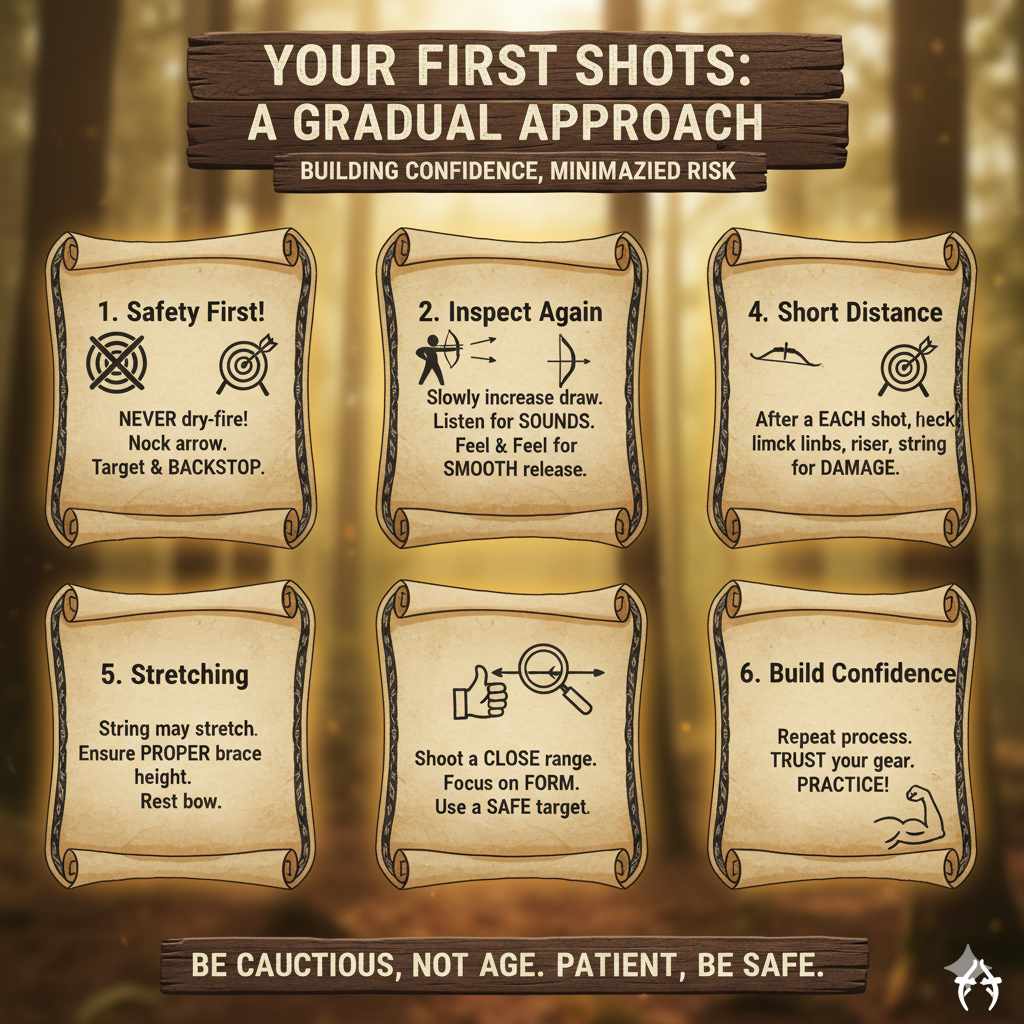
Your First Shots: A Gradual Approach
If your old recurve bow passes all your inspections, don’t just go out and start shooting at full draw immediately. Take a gradual, cautious approach:
- Partial Draw: Start by drawing the bow back only a few inches. Listen for any strange noises, feel for any irregularities in the draw cycle, and observe the limbs and string.
- Gradual Increase: Slowly increase your draw length over several shots, always paying attention. If you feel anything unusual or hear any creaking, stop immediately.
- Short Distance: Shoot at a close range to a safe target. Focus on a smooth draw and release, and check the bow again after each shot.
This cautious method allows you to build confidence in the bow’s safety and your ability to handle it, while minimizing risk.
Frequently Asked Questions (FAQ)
Q1: Can I use a modern bowstring on an old recurve bow?
A: Generally, yes! Modern bowstrings are made from much stronger and more durable materials (like Dacron or FastFlight) than older strings. Ensure you get the correct length and string type for your bow’s model and draw weight. Always use a bow stringer to attach it.
Q2: My old recurve bow makes creaking noises. Is it unsafe?
A: Creaking can be a sign of a few things. It could be a dry string, a loose limb, or potentially stress in the wood or fiberglass. It’s not always an immediate sign of danger, but it warrants careful inspection. If the creaking persists or is accompanied by any other unusual sensations, it’s best to stop and have it checked by a professional.
Q3: Will an old wooden recurve bow be less powerful than a new one?
A: Possibly. Over time, wood can lose some of its elasticity due to age, environmental exposure, and repeated stress. While it might still be plenty powerful for many applications, it’s unlikely to have the same energy retention as a brand-new bow made with modern materials and designs. Don’t try to “push” it to achieve modern draw weights, as this can be dangerous.
Q4: How do I know the original draw weight of my old bow?
A: This can be tricky. Often, there’s no marking on very old bows. If there is a marking, it might be faded or difficult to decipher. The best way to know is to carefully measure it with a bow scale. For safety, assume it’s within a reasonable range for traditional bows (e.g., 30-50 lbs) unless you measure it otherwise. Avoid drawing it to what you think might be a modern standard weight.
Related pick: Check today's price on Amazon