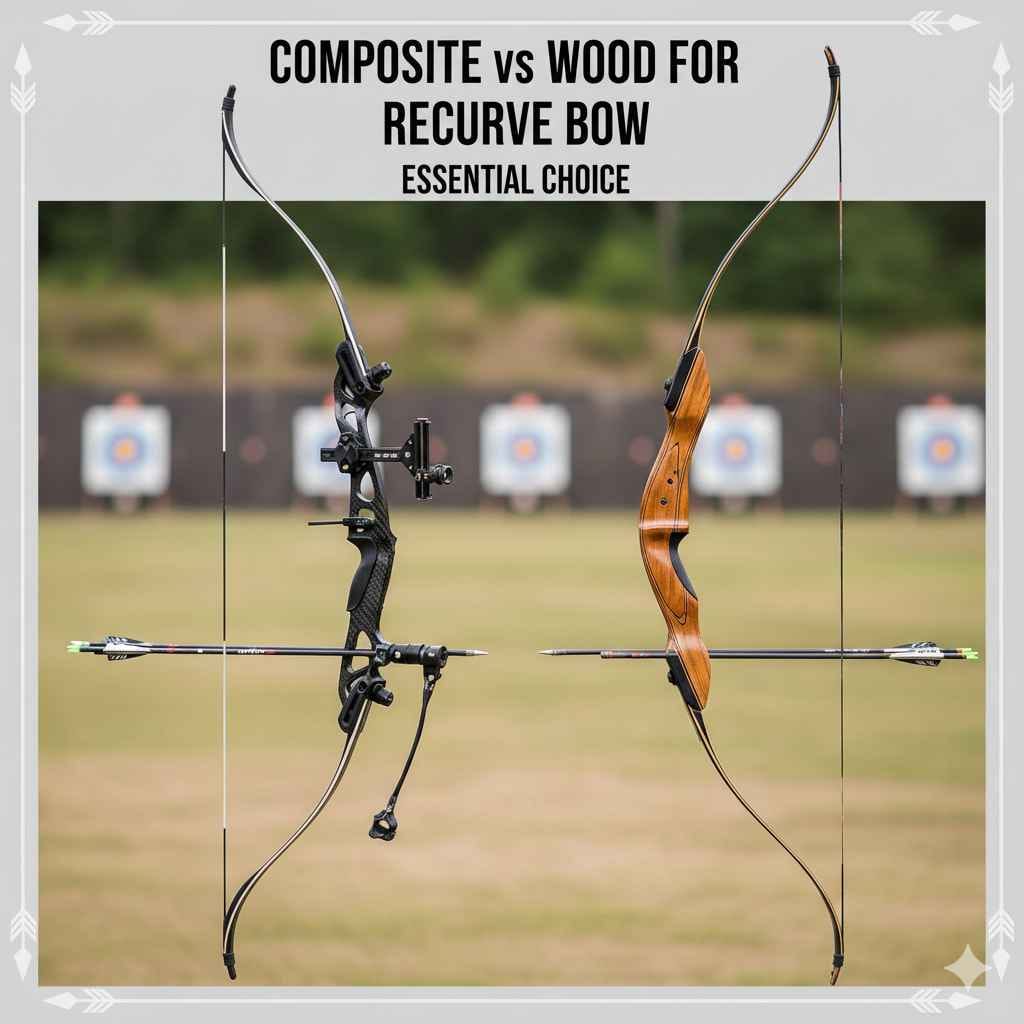
Composite vs Wood for Recurve Bow: Essential Choice
For beginners selecting a recurve bow, understanding the difference between composite and wood materials is key. Wood offers a classic feel and traditional aesthetics, often at a lower entry cost. Composite materials provide greater durability, weather resistance, and consistent performance, making them excellent long-term investments for new archers seeking reliability and less maintenance. The best choice depends on your budget, playing style, and how you plan to use your bow.
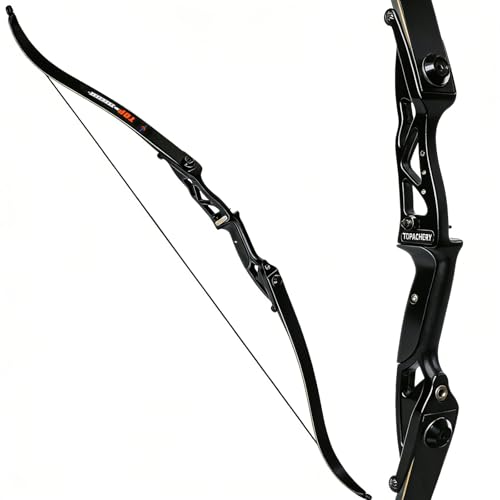
TOPARCHERY
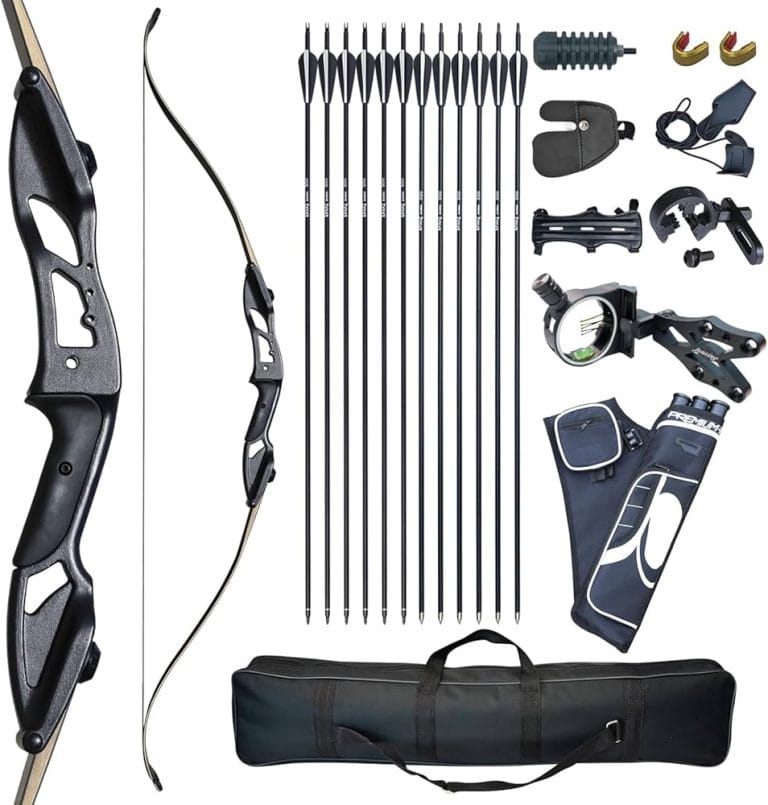
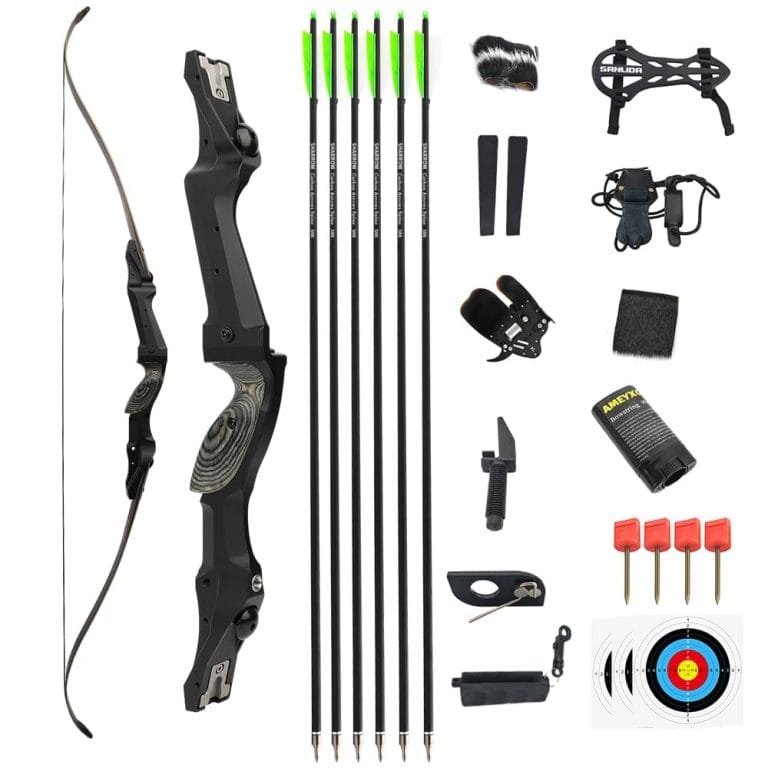
Toparchery Archery 56" Takedown Hunting 35lbs Recurve…
- Recurve Bow Specification: Total bow length: 56", bow riser length: 17", bow limb length: 53", Max draw length: 30". The long bow…
- Innovative Riser: Our hunting bow forged from High-quality metal aluminum alloy, eliminates traditional lamination cracks、bow hand…
- Unparalleled Performance: This black hunter recurve bow offers extremely fast arrow speed, extremely precise shooting and simple d…
As an Amazon Associate I earn from qualifying purchases.
Choosing your first recurve bow can feel like a big decision, and you might be wondering about the materials they’re made from. You’ll often hear about “wood” and “composite” bows. It’s completely normal to feel a little unsure about which is right for you! Don’t worry, we’ll break down what makes them different in a way that’s easy to understand. By the end of this guide, you’ll know exactly what to look for. Let’s make this fun and simple so you can get out there and start shooting! We’ll explore the pros and cons of each, so you can feel confident in your choice.
Why the Material Matters for Your Recurve Bow
The material your recurve bow is made from isn’t just about looks; it directly impacts how the bow performs, how long it lasts, and how much care it needs. For beginners, this is especially important because you’re learning the ropes and want an enjoyable, frustration-free experience. A bow that’s too sensitive to weather or prone to damage can put a damper on your enthusiasm.
Think of it like choosing between a sturdy, all-weather jacket and a stylish, delicate coat. Both have their uses, but one is built for durability and everyday adventure, while the other is for special occasions. Your bow material plays a similar role in your archery journey.
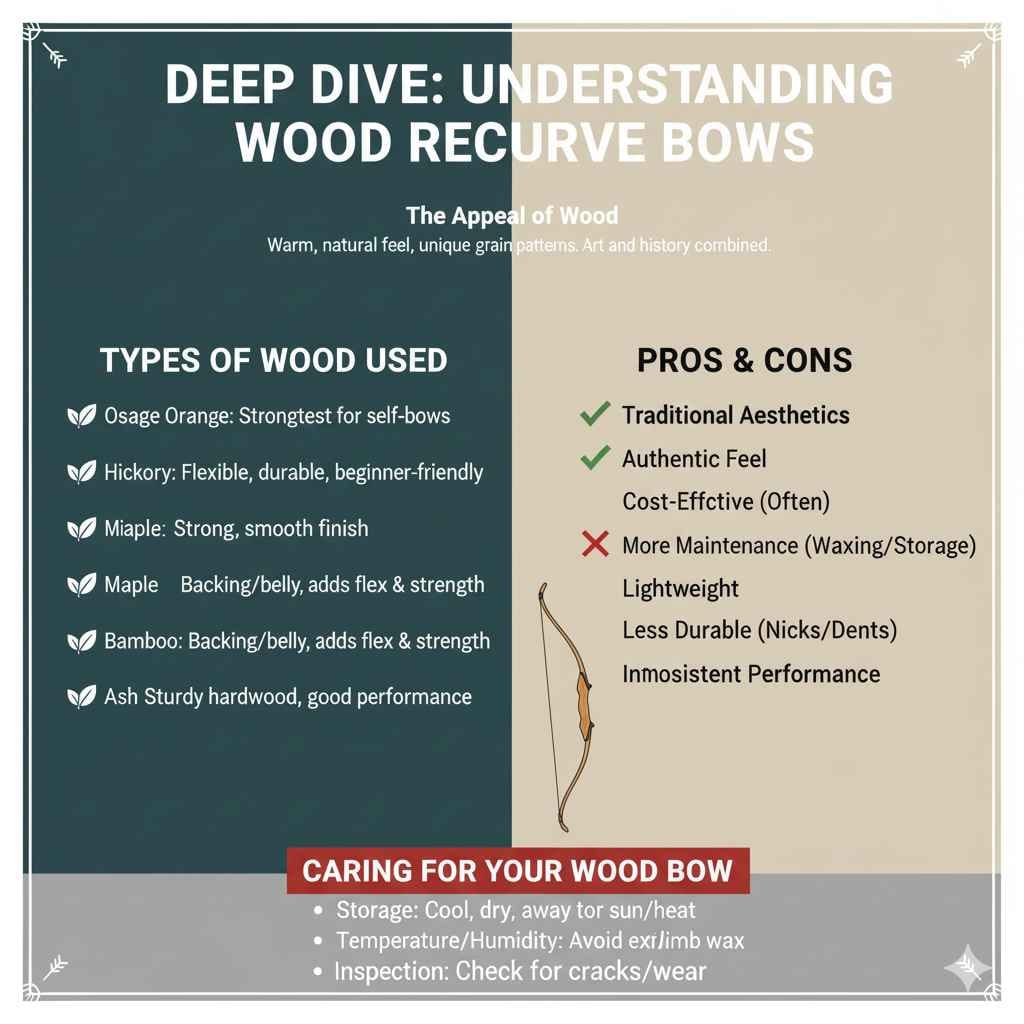
Deep Dive: Understanding Wood Recurve Bows
Wood has been the heart and soul of archery for centuries. When you picture an archer from history or a classic movie, they’re likely holding a wooden bow. This tradition continues today, offering a deeply satisfying and authentic archery experience.
The Appeal of Wood
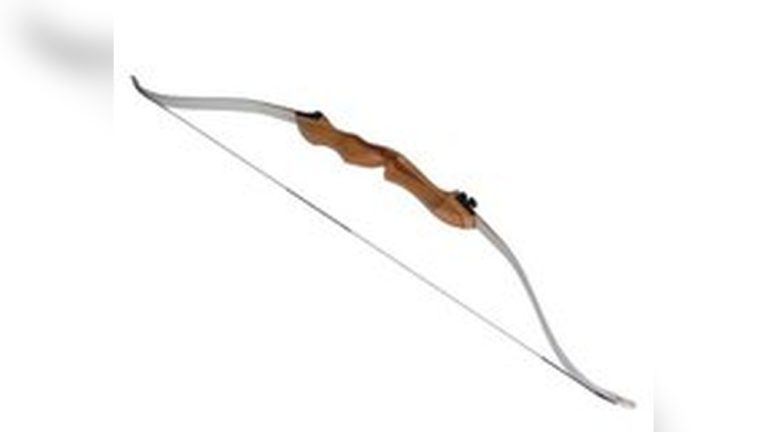
Wood offers a warm, natural feel that many archers fall in love with. Each wooden bow can have unique grain patterns, making every bow a work of art. For traditional archery enthusiasts, this aesthetic is a major draw.
Types of Wood Used
Many different types of wood are used in bow making, each with its own properties:
- Osage Orange: Often considered the “king” of staves for self-bows, it’s incredibly strong and resilient.
- Hickory: A strong, flexible wood that’s durable and forgiving, making it a good choice for beginners.
- Maple: A common hardwood, known for its strength and smooth finish.
- Bamboo: Often used as a backing or belly material, it adds flexibility and strength.
- Ash: Another sturdy hardwood that offers good performance.
Pros of Wood Recurve Bows
- Traditional Aesthetics: Beautiful, natural look with unique grain patterns.
- Authentic Feel: Offers a classic, tactile archery experience.
- Cost-Effective (Often): Can be more affordable, especially for entry-level models.
- Lightweight: Generally lighter than many composite options.
- Repairable: Skilled archers might be able to repair minor damages to wooden bows.
Cons of Wood Recurve Bows
- Susceptible to Moisture: Can warp, crack, or weaken if exposed to humidity or extreme temperature changes.
- Requires More Maintenance: Needs regular waxing and careful storage to prevent damage.
- Less Durable: More prone to nicks, dents, and breakage compared to composite materials.
- Inconsistent Performance: Performance can degrade over time if not properly cared for or if wood quality varies.
Caring for Your Wood Bow
To keep your wooden bow in top shape, follow these tips:
- Storage: Always store it in a cool, dry place, away from direct sunlight and heat sources. A bow sock or case is a good idea.
- Temperature and Humidity: Avoid leaving it in a hot car or damp basement.
- Waxing: Regularly apply bowstring wax to the string and sometimes to the limbs to keep them supple and protected.
- Inspection: Check for any cracks, splinters, or signs of wear before and after each shooting session.
Exploring Composite Recurve Bows
Composite recurve bows represent a modern approach to bow design, blending different materials to create a bow that’s often more forgiving and resilient. These bows are built for performance and longevity.
What Are Composite Bows?
Composite bows are typically made from a combination of materials. The core might be wood or fiberglass, but the limbs (the bending parts of the bow) are often reinforced with materials like fiberglass, carbon, or epoxy resins. This layering creates a strong, flexible, and durable limb.
The Advantage of Modern Materials
Materials like fiberglass and carbon fiber offer significant advantages:
- Strength and Flexibility: They can withstand more stress and flex more consistently than pure wood.
- Weather Resistance: These materials are far less affected by changes in humidity and temperature.
- Durability: They resist chipping, cracking, and warping much better than wood.
- Consistent Performance: Composite limbs tend to hold their shape and power for longer, providing more reliable shooting.
Pros of Composite Recurve Bows
- Excellent Durability: Highly resistant to damage from drops, impacts, and general wear and tear.
- Weather Resistant: Performs reliably in various conditions without warping or becoming brittle.
- Low Maintenance: Requires minimal care compared to wooden bows, often just needing to be kept clean.
- Consistent Performance: Shoots reliably and retains its draw weight and speed over time.
- User-Friendly for Beginners: Their resilience and weather resistance make them ideal for those learning and practicing outdoors.
Cons of Composite Recurve Bows
- Less Traditional Aesthetic: May not appeal to archers seeking a purely classic look.
- Potentially Heavier: Some composite bows can be heavier than equivalent wooden models, though this is not always the case.
- Higher Initial Cost: Generally, composite bows can have a higher upfront price than basic wooden bows.
- Less “Feel”: Some archers feel they lack the natural, tactile feedback of a wooden bow.
Choosing a Composite Bow Material
While we often use the term “composite,” the specific materials matter:
- Fiberglass: The most common and affordable composite material. It’s strong, flexible, and weather-resistant, making it perfect for beginner and intermediate bows.
- Carbon Fiber: Lighter and stronger than fiberglass. Carbon fiber limbs offer excellent speed and stability but are typically found in higher-end bows.
- Laminated Limbs: Many modern recurve bows feature laminated limbs, where layers of wood, fiberglass, and/or carbon are bonded together. This combines the benefits of different materials, such as the resilience of fiberglass with the aesthetic of wood.
Comparing Composite vs Wood Bows: A Side-by-Side Look
To help solidify your understanding, let’s put wood and composite recurve bows head-to-head in a clear comparison. This table highlights the key differences to consider when making your choice.
| Feature | Wood Recurve Bow | Composite Recurve Bow |
|---|---|---|
| Aesthetics | Natural, traditional, unique grain patterns. | Modern, clean, often uniform appearance. |
| Durability | Moderate; susceptible to nicks, dents, and environmental damage. | High; resistant to breakage, warping, and impacts. |
| Weather Resistance | Low to Moderate; sensitive to humidity and temperature changes. | High; performs well in various weather conditions. |
| Maintenance | Requires regular waxing and careful storage. | Low; mostly needs to be kept clean. |
| Performance Consistency | Can vary with material quality and care; may degrade over time. | Consistently reliable, maintains performance over time. |
| Feel/Tradition | Offers a classic, authentic feel; preferred by traditionalists. | Modern feel, prioritizes performance and resilience. |
| Cost (Entry-Level) | Often more affordable. | Can be slightly higher, but offers better long-term value. |
| Ideal For | Traditional archery, casual shooting, those who appreciate aesthetics and care routines. | Beginners, field archery, hunting (where legal), those seeking durability and low maintenance. |
When to Choose a Wood Bow
A wood recurve bow might be your perfect companion if:
- You’re drawn to the traditional beauty and historical connection of archery.
- You plan to shoot mostly indoors or in very controlled weather conditions.
- You enjoy the tangible connection to natural materials and don’t mind a bit of bow care.
- Your budget is a primary concern, and you’re looking for a lower initial investment for casual use.
- You are interested in learning to make or repair your own bows in the future.
Consider a beautifully crafted wooden bow if you value the journey of owning and caring for your equipment as much as the shooting itself. The feel of wood in your hand is unlike any other material.
When to Choose a Composite Bow
A composite recurve bow is likely the better choice for you if:
- You want a bow that can withstand the rigors of frequent practice and outdoor shooting in various weather.
- You’re a beginner and want a bow that’s forgiving and durable, reducing the chance of accidental damage.
- You prefer a low-maintenance option so you can focus more on shooting and less on upkeep.
- You’re looking for a reliable performance that won’t be significantly affected by temperature or humidity changes.
- You plan to use your bow for activities like field archery or hunting (check local regulations), where durability is paramount.
Composite bows offer peace of mind, allowing you to focus on honing your skills without constant worry about your equipment. For many beginners, this resilience is a huge confidence booster.
Hybrid Bows: The Best of Both Worlds?
It’s important to note that the distinction isn’t always black and white. Many modern recurve bows are actually “hybrid” bows. These bows feature wood in the riser (the handle section) for its feel and aesthetics, but have limbs constructed from composite materials (like fiberglass and carbon) for strength and durability.
These hybrid designs are incredibly popular for a reason. They offer a fantastic balance:
- Comfortable Grip: The wooden riser feels natural and familiar in the hand.
- Durable Limbs: The composite limbs ensure consistent performance and resistance to weather and use.
- Tuned Performance: Modern engineering allows these bows to be designed for optimal speed and accuracy.
For many beginner and intermediate archers, a well-made hybrid recurve bow is often the sweet spot, offering the best combination of traditional appeal, modern performance, and practical durability. You can find excellent examples from reputable manufacturers. For instance, many bows designed for target archery utilize such constructions. You can often find detailed specifications and reviews on archery equipment sites or through organizations like USA Archery.
What About Bow Weight and Draw Length?
While material is a big factor, don’t forget these crucial considerations when choosing any recurve bow:
Bow Weight (Draw Weight)
This is how much force it takes to pull the string back to your anchor point. For beginners, it’s vital to start with a lighter draw weight.
- Men: Often start with 25-35 lbs.
- Women: Often start with 20-30 lbs.
- Youth: Even lighter, typically 15-25 lbs.
Starting too heavy can lead to poor form, fatigue, and potential injury. You can always move up to a heavier draw weight as you get stronger and more skilled. The draw weight is measured at a specific draw length, usually 28 inches, but this can vary between manufacturers.
Draw Length
This is the distance from the grip of the bow to the string when you’re at full draw. It’s unique to each archer.
- Measure: Extend your arm and measure from the nock point on your bow (or a comparable point where the bow grip would be) to the corner of your mouth.
- Bow Specificity: While this personal measurement is key, bows themselves are usually made with standard draw lengths in mind. Many beginner bows come in lengths suitable for common draw lengths.
- Consistency is Key: Knowing your draw length helps ensure the bow shoots consistently for you.
Getting fitted by an experienced archery shop professional is highly recommended to ensure you select a bow with the correct draw weight and suitable limb length for your draw length.
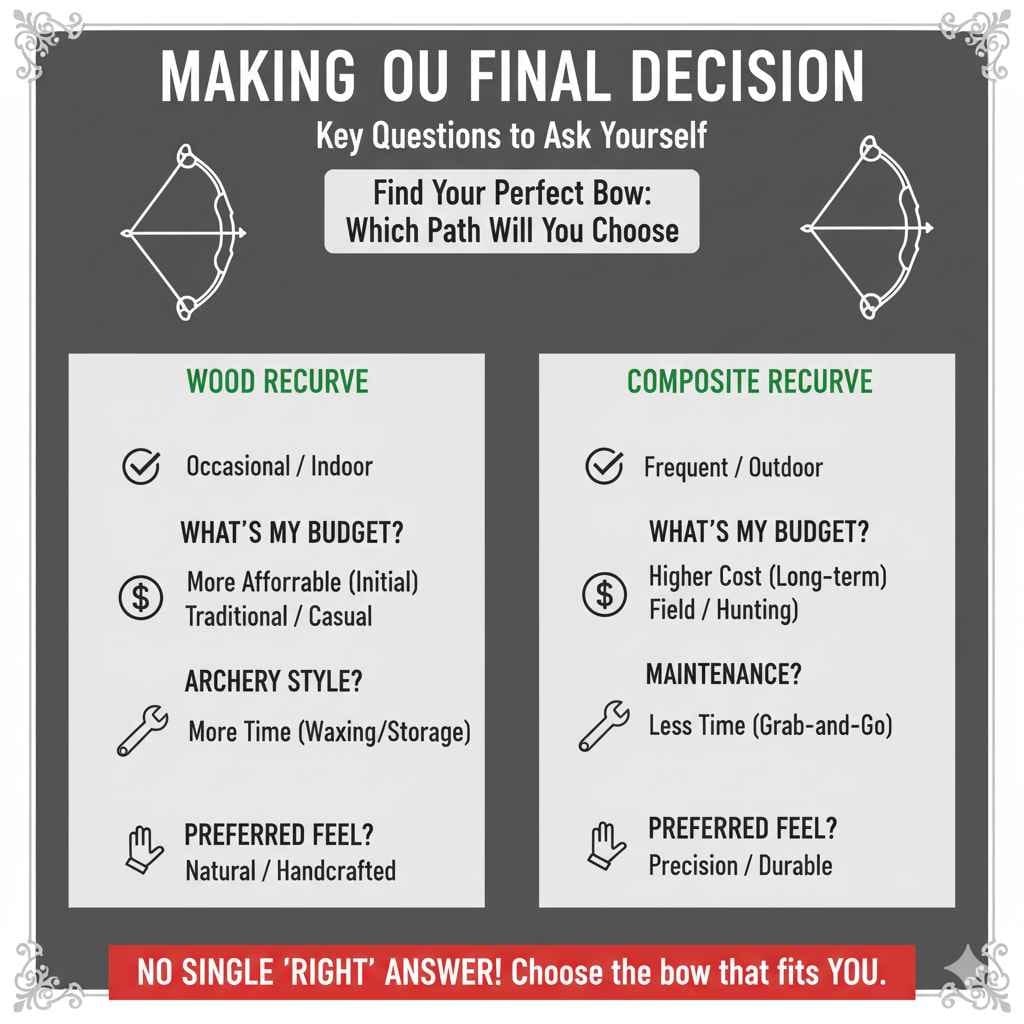
Making Your Final Decision: Key Questions to Ask Yourself
As you stand at the crossroads of wood versus composite, consider these questions to guide your choice:
- How often will I practice? Daily outdoor practice leans toward composite. Occasional indoor shots might favor wood.
- What’s my budget? While wood can be cheaper initially, a durable composite might offer better long-term value if you’re serious about the sport.
- What kind of archery will I do? Traditional target archery might lean wood. Field archery or hunting (where legal) points towards composite.
- How much time do I want to spend on maintenance? If you prefer a grab-and-go experience, composite is your friend.
- What feel do I prefer? Do you love the natural, handcrafted feel of wood, or do you prioritize the precision and resilience of modern materials?
There’s no single “right” answer for everyone. The best bow is the one that fits your needs, budget, and shooting style, and that you enjoy using!
Frequently Asked Questions About Composite vs. Wood Recurve Bows
Q1: What is the main difference between a wood and a composite recurve bow?
The main difference lies in their construction and material properties. Wood bows are primarily made from natural wood, offering a traditional feel and aesthetic, but are more susceptible to weather and damage. Composite bows use materials like fiberglass, carbon, and epoxy resins, making them more durable, weather-resistant, and requiring less maintenance.
Q2: Are composite bows better for beginners than wood bows?
For many beginners, composite bows are often recommended due to their durability and weather resistance. They can withstand accidental bumps and dings better, and their performance is less affected by environmental changes. This resilience can lead to a more positive and less frustrating learning experience.
Q3: Can wood bows be used outdoors?
Yes, wood bows can be used outdoors, but with careful consideration and maintenance. They are more sensitive to humidity, rain, and extreme temperatures, which can cause them to warp, crack, or lose their performance. It’s crucial to protect them from the elements and store them properly.
Q4: Do composite bows feel less authentic than wood bows?
This is subjective and depends on the archer’s preference. Some archers feel that wood bows offer a more traditional, tactile, and “alive” feel due to the natural material. Composite bows are engineered for performance and durability, which some might find less rustic, while others appreciate their consistent modern feel.
Q5: Which type of bow is generally more expensive: wood or composite?
Entry-level wood bows can often be purchased at a lower price point than entry-level composite bows. However, high-quality traditional wooden bows can be very expensive, and durable, high-performance composite bows also range in price. For long-term value and resilience, composite bows often prove more cost-effective.
Q6: What kind of maintenance is needed for each type of bow?
Wood bows require regular waxing of the string and sometimes the limbs, careful storage in controlled environments, and regular inspection for any signs of damage like cracks or splinters. Composite bows typically require very little maintenance beyond occasional cleaning and ensuring they are stored safely.
Related pick: Check today's price on Amazon