Wood Vs Fiberglass Recurve Bow: Essential Choice Revealed
Wood vs. Fiberglass Recurve Bow: For beginners, a wood recurve bow offers a classic, affordable start, while a fiberglass recurve bow provides greater durability and consistent performance, especially in varying weather. The “essential choice” depends on your budget, intended use, and priorities for longevity and weather resistance.

Samick Sage
Samick Sage Archery Takedown Recurve Bow 62-inch…
- 【Size & Strength】 The Samick Sage Recurve Bow has a length of 62" and a draw length of 28". Choose a draw weight between 25 and 60…
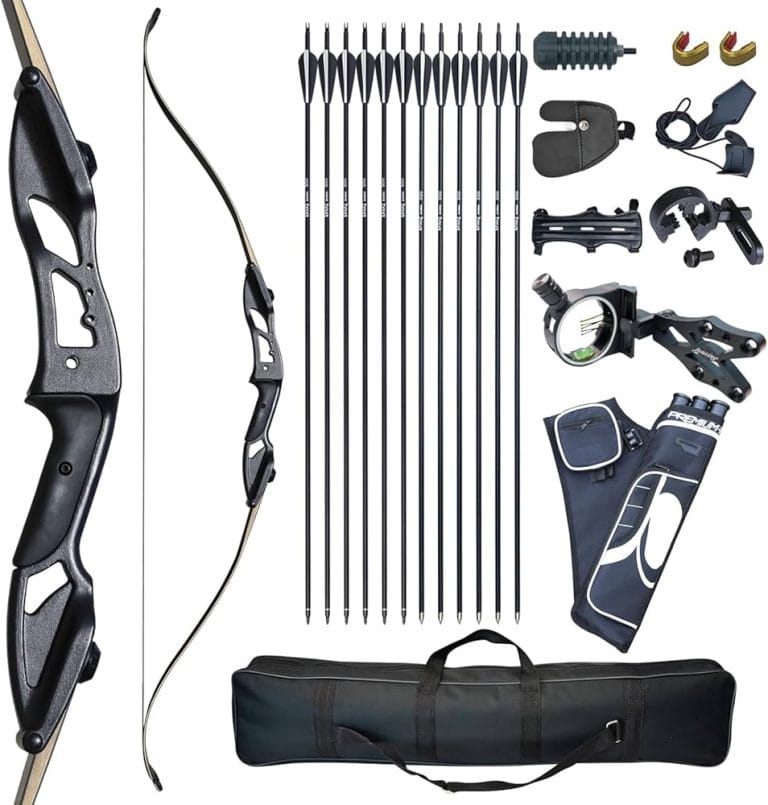
- 【Complete Archery Set】 The set comes with an assembly manual, a stick-on arrow rest for recurve, two fiberglass-laminated bow limb…
- 【Hand Orientation】 Use your left hand to hold the bow and your right to draw the string. Using your left hand, pull the string whi…
As an Amazon Associate I earn from qualifying purchases.
Choosing your first recurve bow can feel like a big decision, especially when you’re just getting started in the exciting world of archery. You’ve probably seen different bows, maybe some made of wood and others that look a bit more… modern. This is where the question often pops up: wood or fiberglass? It’s a common point of confusion for new archers, but don’t worry, we’ll break it down simply. Think of me as your friendly coach, here to guide you through this choice so you can pick the bow that feels just right for you and helps you enjoy every shot.
We’ll explore each type, look at what makes them tick, and figure out which one might be your perfect archery partner. By the end, you’ll have a clear picture and feel confident in your decision, ready to hit the range!
Understanding Your Recurve Bow Options
Recurve bows are fantastic for beginners because they’re intuitive and fun to shoot. They get their name from the way the limbs – the flexible parts of the bow – curve away from the archer at the tips. This design stores more energy, giving your arrow more speed. When you’re looking at recurve bows, you’ll mainly see two types of materials used for the limbs: wood and fiberglass.
The material isn’t just about looks; it impacts how the bow performs, how long it lasts, and even how it feels in your hands. Let’s dive into what each one brings to the table.
The Classic Charm: Wood Recurve Bows
Wood recurve bows are where many archers begin their journey. They evoke a sense of tradition and craftsmanship. You’ll often find beautifully crafted wooden bows that feel natural and satisfying to hold.
Pros of Wood Recurve Bows:
- Affordability: Generally, wood bows are more budget-friendly, making them an excellent entry point for those new to the sport.
- Traditional Feel: Many archers appreciate the natural aesthetics and feel of wood, connecting them to archery’s long history.
- Lightweight: Wood bows are typically lighter than their fiberglass counterparts, which can be more comfortable for extended practice sessions, especially for younger or less physically intense shooters.
- Repairability: Minor damage to a wooden limb can sometimes be repaired by skilled individuals, though this is often not recommended for structural issues.
Cons of Wood Recurve Bows:
- Durability: Wood can be susceptible to moisture, temperature changes, and physical damage. Bracing (stringing) and de-bracing incorrectly can also cause stress.
- Weather Sensitivity: Extreme heat, cold, or humidity can affect the wood, potentially leading to warping or cracking over time. This means taking extra care during storage and use in various climates.
- Performance Consistency: Wood limbs might not offer the same level of consistent performance as fiberglass, especially under less-than-ideal conditions.
- Brittleness: While durable for their intended use, wood can become brittle with age or if exposed to harsh conditions, increasing the risk of breakage.
The Modern Workhorse: Fiberglass Recurve Bows
Fiberglass recurve bows are built for performance and resilience. They are engineered using modern materials to withstand the demands of regular use and varying environments. These bows often look sleek and modern.
Pros of Fiberglass Recurve Bows:
- Durability: Fiberglass is significantly more robust and resistant to damage than wood. It’s less prone to nicks, dents, and scratches from accidental drops or bumps.
- Weather Resistance: These bows handle changes in temperature and humidity much better than wood. You can often take a fiberglass bow out in more adverse weather conditions without as much worry.
- Performance Consistency: Fiberglass limbs tend to offer more consistent draw weights and energy transfer over time, leading to predictable arrow flight and performance.
- Low Maintenance: They require less fuss. Once you’ve set it up, a well-made fiberglass bow is ready to go with minimal upkeep beyond basic cleaning.
- Smooth Draw: Many fiberglass bows are designed for a smooth draw cycle, which is important for beginners to maintain good form without struggling.
Cons of Fiberglass Recurve Bows:
- Cost: While not always, fiberglass bows can sometimes be more expensive upfront than basic wood models.
- Less Traditional Aesthetic: For those who prefer the classic look and feel of wood, fiberglass might not appeal as much aesthetically.
- Potential for Cracking: Though durable, under extreme stress or if manufactured poorly, fiberglass can develop cracks, which often means the limb needs replacement as it can compromise structural integrity.

Key Factors to Consider When Choosing
When you’re trying to decide between a wood and a fiberglass recurve bow, think about your personal archery path. Where will you be shooting? How often? What’s your budget like? Answering these questions will point you towards the best option for your needs.
Intended Use and Shooting Environment
Where you plan to shoot your bow is a major factor. If you’re aiming for indoor target archery or practice in a controlled environment, a wood bow might be perfectly fine. You’ll have less concern about changing weather or rough handling.
However, if you envision yourself venturing outdoors, shooting in different parts of the season, or perhaps even dabbling in field archery where your equipment might get more knocked around, a fiberglass bow will likely serve you better. Its resilience against moisture and physical impact is a significant advantage in these scenarios.
For instance, if you live in a region with humid summers or very dry winters, wood can expand or contract. This isn’t ideal for maintaining a bow’s performance or longevity. A fiberglass bow, on the other hand, is far less affected by these environmental shifts, offering more stable shooting characteristics across different conditions.
Budget and Value
For beginners, budget is often a primary concern. Wood recurve bows are typically more budget-friendly. This allows you to get started in archery without a huge financial commitment. You can learn the fundamentals, see if you love the sport, and upgrade later if needed.
A more advanced or high-quality wood bow can still be pricey, but entry-level models are very accessible. Fiberglass bows, especially those from reputable brands, can sometimes carry a higher price tag. However, consider the long-term value. A more durable fiberglass bow might last longer and require fewer replacements or repairs due to environmental factors, potentially saving you money in the long run if you become a serious archer.
It’s a bit like buying shoes: a cheap pair might work for a short while, but a slightly more expensive, well-made pair can offer better comfort and durability for countless adventures. The best value depends on your expected usage and how long you plan to stick with the sport.
Durability and Longevity
No one wants a bow that breaks after a few months. Durability is a key consideration. Fiberglass is inherently less prone to damage from everyday use, weather, and accidental drops. If you’re a bit clumsy or tend to be in situations where your gear might take a beating, fiberglass offers peace of mind.
Wood bows, while beautiful, require more careful handling. They need to be stored properly, away from extreme temperatures and humidity, and handled with a bit more gentleness. If you’re someone who enjoys the meticulous care of traditional equipment, a wood bow might be a rewarding choice. But if you’re looking for a more robust, “grab-and-go” option, fiberglass wins in this department.
Think about it this way: a well-maintained wood bow can last for many years, but it requires consistent attention. A fiberglass bow, with basic care, will likely maintain its structural integrity and performance characteristics for a very long time, often outlasting a wood bow in tougher conditions.
Maintenance and Care
The level of maintenance required can also influence your decision. Wood bows often need more attention. You might need to use a bow stringer diligently, store them in a case, and inspect them regularly for any signs of stress or damage, especially after exposure to weather.
Fiberglass bows are generally low-maintenance. A quick wipe-down to remove dirt or debris is usually all that is needed. They are more forgiving of minor neglect, making them ideal for those who want to spend more time shooting and less time worrying about equipment care. However, even with fiberglass, it’s always good practice to follow the manufacturer’s recommendations for care and storage to ensure optimal performance and lifespan. For example, keeping any bow out of prolonged direct sunlight when not in use is a general good practice.
Comparing Key Features: A Snapshot
To help you visualize the differences, let’s put some key features side-by-side. This can give you a quick reference point as you weigh your options.
| Feature | Wood Recurve Bow | Fiberglass Recurve Bow |
|---|---|---|
| Typical Cost | Lower to Moderate | Moderate to Higher |
| Durability | Good, but can be susceptible to damage/weather | Excellent, highly resistant to damage and weather |
| Weather Resistance | Fair, sensitive to moisture/temperature | Excellent, stable across various conditions |
| Maintenance | Requires more careful storage and handling | Low, generally durable and forgiving |
| Aesthetic Appeal | Classic, natural, traditional | Modern, sleek, often functional |
| Performance Consistency | Good, but can be influenced by environment | Very good, maintains performance reliably |
| Weight | Generally Lighter | Can be slightly heavier, but often well-balanced |
This table highlights the core differences. For example, if you’re looking at a bow for a child who might not be as careful, or for use in a summer camp setting where conditions can be unpredictable, the durability and weather resistance of fiberglass make it a more practical choice. On the other hand, if you’re building a quiet, traditional setup for backyard practice and have a dedicated, climate-controlled space for storage, a beautifully appointed wood bow could be your perfect fit.
Getting Started: Practical Tips for Beginners
Now that you understand the nuances between wood and fiberglass recurve bows, let’s talk about making your first purchase and getting out there to shoot. Archery is incredibly rewarding, and the right equipment makes all the difference.
What to Look For in a Beginner Bow
Regardless of whether you choose wood or fiberglass, there are some universal things to keep in mind for your first recurve bow:
- Draw Weight: This is the amount of force needed to pull the string back to your anchor point. As a beginner, start light! For most adult women, 20-25 pounds is a good starting point. For adult men, 25-30 pounds is often recommended. For younger archers, even less might be appropriate – always err on the side of caution to focus on form. See the USA Archery guide for more on equipment basics.
- Bow Length: Shorter bows (around 60 inches) are easier to handle, especially indoors or in confined spaces. Longer bows (64-70 inches) tend to be more stable and offer a smoother draw for target shooting. For a beginner, a moderate length (around 62-66 inches) is usually a good balance.
- Riser Material: The riser is the handle section of the bow. For entry-level bows, they are often made from durable, affordable materials. Some wood bows will have a solid wood riser, while others might use a combination. Fiberglass bows often have risers made of strong, lightweight synthetic materials.
- Smooth Limbs: Look for bows that describe their draw cycle as “smooth.” This means the resistance doesn’t increase too sharply as you pull the string back, making it easier to learn proper shooting technique.
When Might a Wood Bow Be the Best Fit?
A wood recurve bow could be your ideal choice if:
- Your budget is very tight, and you want the most affordable entry into archery.
- You are primarily shooting indoors or in a very controlled, dry environment.
- You are drawn to the classic, traditional look and feel of wooden archery equipment and are prepared to care for it properly.
- You plan to use it for occasional recreational shooting and are comfortable with its limitations in terms of weather and robustness.
When Might a Fiberglass Bow Be the Best Fit?
A fiberglass recurve bow is likely a better option if:
- You anticipate shooting outdoors frequently or in varying weather conditions (rain, humidity, temperature changes).
- You want a bow that is very durable and can withstand more wear and tear from regular use, or if you’re prone to accidental drops.
- You prioritize consistent performance and reliability in your equipment.
- You prefer a lower-maintenance option that requires less specialized care.
- You are looking for a bow that will last you well into your archery journey without needing an immediate upgrade due to durability concerns.
Consider a bow like the Samick Sage, which is a very popular takedown recurve bow and comes in various finishes, including wood options. Many beginner packages also utilize resilient materials, offering a good balance for newcomers. The National Field Archery Association (NFAA) also offers great resources and guidance for new archers exploring equipment options. You can find their resources for beginners here.
Taking Care of Your New Bow
Proper care ensures your bow lasts longer and performs its best. Whether wood or fiberglass, these general tips will help.
Essential Bow Care for Longevity
- Storage: Always store your bow in a safe place, ideally in a bow case or sleeve, away from direct sunlight, extreme heat, or humidity. A climate-controlled environment is best.
- Inspection: Before and after each shooting session, give your bow a quick once-over. Look for any cracks, splinters, or signs of wear on the limbs, riser, and string.
- Stringing and De-stringing: Always use a proper bow stringer. Never try to string or de-string a recurve bow by stepping on the limb and pulling the string; this can cause severe damage. For advanced bows, follow manufacturer guidelines closely.
- Cleaning: For wood bows, a soft, dry cloth is usually enough. For fiberglass, a damp cloth can be used for tougher dirt, but avoid harsh chemicals.
- Avoid Dry Firing: Never dry fire your bow! This means drawing and releasing the string without an arrow nocked. The energy released can severely damage the bow’s limbs and structure.
If you are unsure about any aspect of bow maintenance, don’t hesitate to ask experienced archers at your local archery club or shop. They are usually happy to share their knowledge and ensure you’re taking the best care of your equipment.

Frequently Asked Questions (FAQ)
Q1: Can I start archery with a wooden recurve bow?
Absolutely! A wooden recurve bow is an excellent choice for beginners. They are often more affordable and provide a classic archery experience. Just be mindful of its care, especially regarding moisture and temperature to ensure its longevity.
Q2: Is fiberglass better for archery than wood?
It depends on what “better” means to you. Fiberglass is generally more durable, weather-resistant, and offers consistent performance, making it a more robust choice for regular or outdoor use. Wood offers a traditional feel and can be lighter and more budget-friendly for casual indoor use. Neither is universally “better”; it’s about matching the material to your needs.
Q3: How long does a typical recurve bow last?
With proper care and regular use, a good quality wood or fiberglass recurve bow can last for many years, often a decade or more. Fiberglass bows, due to their material properties, may potentially have a longer lifespan under more demanding conditions compared to wood bows, which can degrade faster if not maintained correctly.
Related pick: Check today's price on Amazon