Are Bows And Arrows Hard to Pull Back: Expert Insights
Imagine standing in a field, the wind whispering through the trees, and in your hands, a bow and arrow ready to unleash your inner adventurer. You’re poised to join the ranks of legendary archers, but there’s one question lingering in your mind: Are bows and arrows hard to pull back? For more on this, see our guide on Is a Field Goal and Extra Point the Same Thing? Explained Simply.
For a closely related bow or archery topic, How Much Are Composite Bows: Essential gives readers a useful next step.
For a closely related bow or archery topic, Do Stabilizers Help on Bows? A Surprising Essential gives readers a useful next step.
This question might be the deciding factor in whether you pursue archery or leave it to the pros. You’re not alone in wondering about this; it’s a question asked by many who are drawn to the allure of the bowstring. Flexibility affects the draw too — see whether shoulder flexibility like touching your elbows together actually matters for your form.
The answer isn’t just about muscle strength or technique; it’s a blend of understanding your equipment, body, and mind. You’ll discover the secrets behind the pullback challenge—whether you’re a curious beginner or someone looking to refine your skills. We’ll explore the factors that influence the difficulty, the techniques that can make it easier, and the thrilling satisfaction of mastering the art. So, if you’re ready to demystify this aspect of archery, keep reading. You might find that pulling back a bow is not just a test of strength, but a rewarding journey into the world of focus and precision.
Types Of Bows
Recurve bows are traditional in style. They have a curved design. This design helps store more energy. These bows are easier for beginners. They are light and simple. They need less strength to pull back. The curved shape helps in shooting arrows faster.
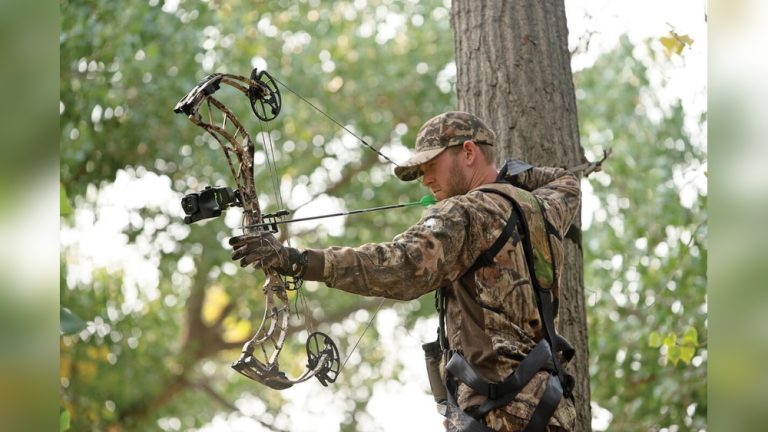
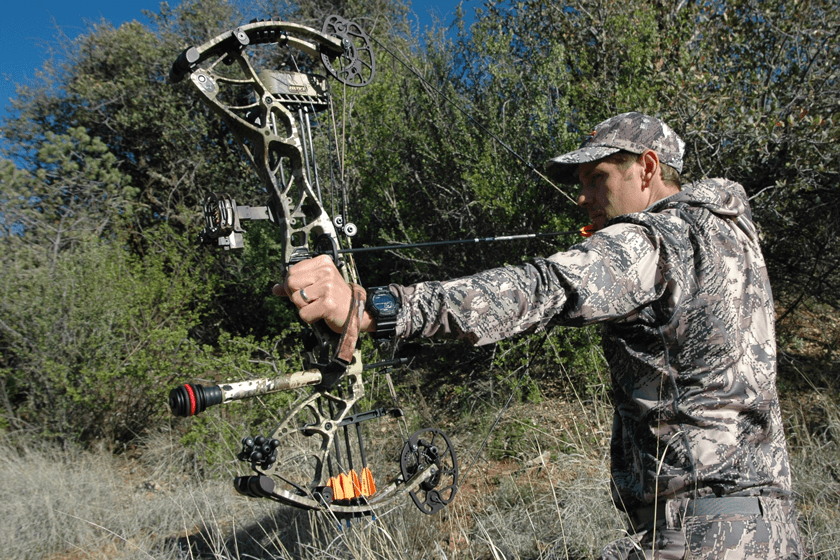
Compound bows have pulleys and cables. They are modern and strong. These bows have a unique pulley system. This system makes pulling easier. They need less effort at full draw. You can hold them steady for a long time. They are perfect for hunting.
Longbows are very tall. They are usually as tall as the archer. They are made from one piece of wood. Pulling them back needs more strength. They are less complicated. But they offer less power than modern bows. Longbows are a part of history.
Crossbows are different from other bows. They have a horizontal design. You pull a string back and lock it. This makes aiming easier. You can hold it steady like a gun. Crossbows need less arm strength. They are easy to use for beginners.
Factors Affecting Ease Of Pulling
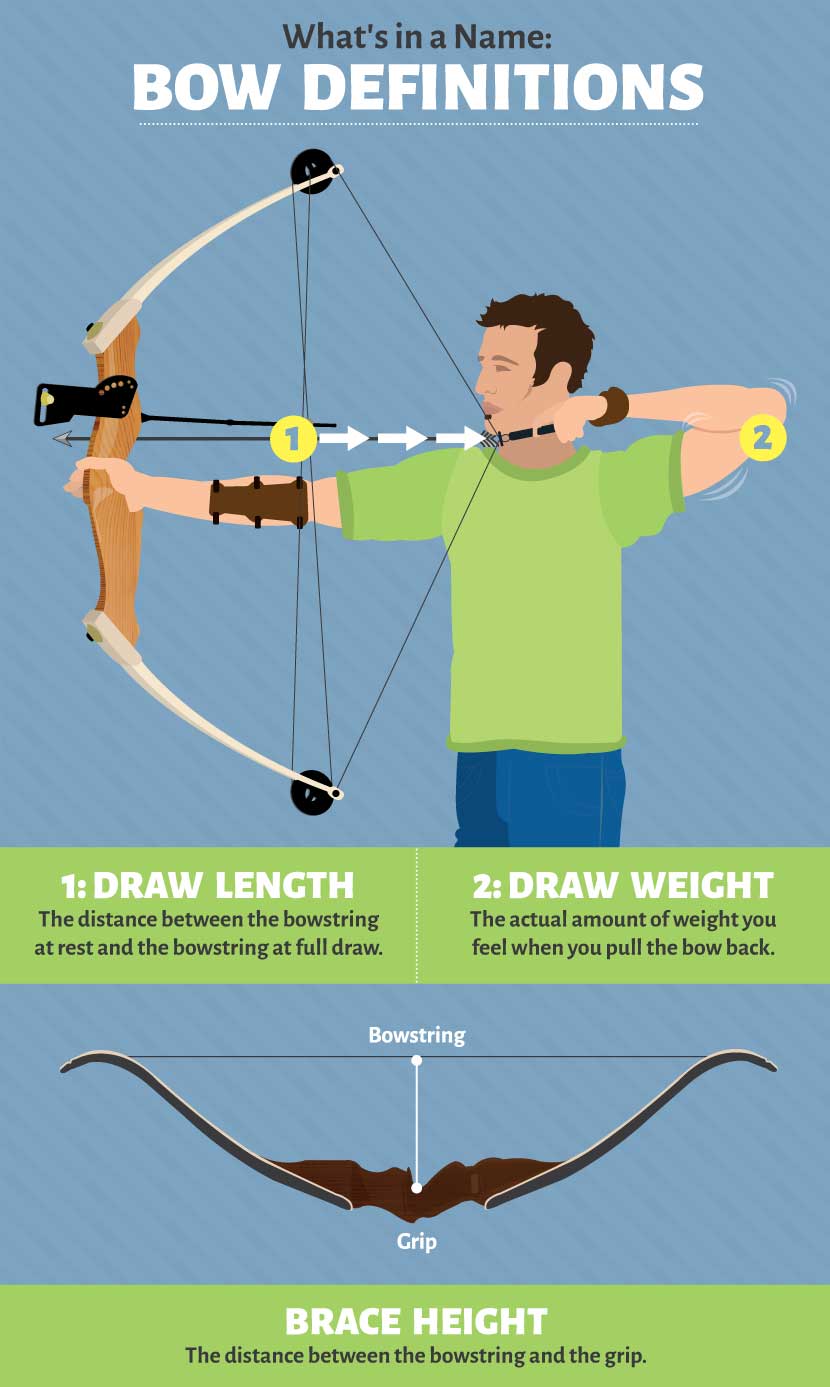
Draw weight tells how hard you pull the bow. A bow with high draw weight is tough to pull. Bows with low draw weight are easy. Kids use bows with lower draw weight. Adults use bows with higher draw weight.
Bow length matters. Long bows are easier for tall people. Short bows suit short people better. A long bow needs more space to pull back. Short bows are handy in small areas.
Materials affect bow strength. Wood bows bend easily. Metal bows are harder to pull. Plastic bows are light. Strong materials mean strong bows. Strong bows are often harder to pull back.
String tension changes pull ease. Tight strings are hard to pull. Loose strings are easy. Adjusting string tension can help. Beginners often prefer loose strings. Experts might use tight strings for power.
Technique And Form
Stand with your feet shoulder-width apart. Keep your body balanced. Face your target. Your body should be at a slight angle. Keep your knees slightly bent. This helps you stay steady. A good stance makes pulling easier.
Hold the bow firmly but gently. Don’t squeeze too tight. Your fingers should wrap around the bow’s handle. Keep your wrist straight. This grip gives control. It makes pulling back the bowstring easier.
Raise your bow arm straight ahead. Keep it parallel to the ground. Your shoulder should be relaxed. Pull the string back with your other hand. Keep your elbows at the same height. This position helps you pull the string smoothly.
Physical Strength And Conditioning
Pulling back a bow uses different muscles. The shoulders, back, and arms are key. Your core also helps a lot. Strong muscles make it easier to pull. Practice makes them stronger.
Start with light weights. Increase them slowly. Push-ups and pull-ups help too. They build strength in your arms. Try lifting small dumbbells. This helps your shoulders.
Stretch your arms and back before practice. This helps with flexibility. Jogging or cycling builds endurance. It helps keep you strong longer. Yoga can improve your flexibility too.
Tools And Accessories
Release aids help archers with their aim. They make shooting easier and more accurate. Using them reduces finger strain. This tool can be a glove or a mechanical device. Each type offers a different grip. Choose one that feels best in your hand.
Stabilizers keep the bow steady. They help balance the weight. With them, you can aim better. They also reduce vibrations. This makes shooting more comfortable. Some are short. Others are long. Pick one that matches your bow.
Bow sights help you aim at your target. They have pins or dots. These show where your arrow will go. Adjust the sights for better accuracy. They make hitting a target easier. Using them can improve your confidence. Good for both new and old archers.

Credit: www.wikihow.com
Common Challenges And Solutions
Pulling back a bow can be tiring. Muscles get tired quickly. Take breaks often. Rest your arms. Stretch your muscles. Drink water to stay strong. Build strength by practicing. Practice helps muscles grow. Start with easy bows. Gradually use tougher bows. Fatigue will lessen with time.
Hitting the target can be hard. Focus your eyes on the target. Keep your hand steady. Practice regularly. More practice means better aim. Use simple bows first. Stand straight and tall. Keep your balance. Take deep breaths. Calm hands mean better shots.
Pulling bows can cause pain. Use the right bow size. Don’t strain your muscles. Warm up before shooting. Stretch your arms and shoulders. Use safety gear. Wear guards on your arms. Protect your fingers with gloves. Listen to your body. If it hurts, stop.
Expert Tips For Beginners
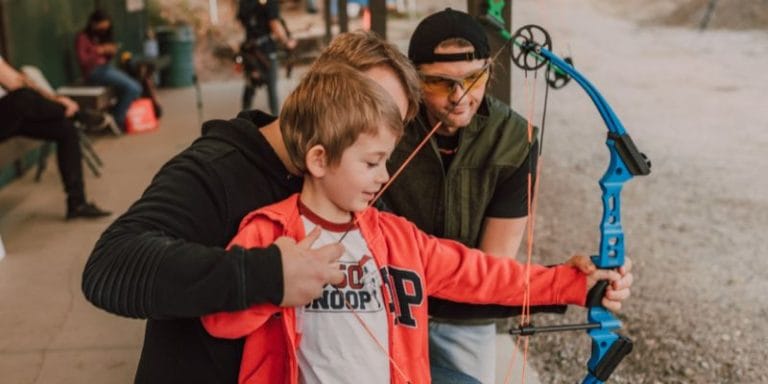
Beginners should use bows with low draw weight. This makes pulling easier. Low draw weight helps build confidence. It prevents muscle strain. It allows better focus on learning form. Starting easy makes archery fun. Progress comes with practice.
A professional can teach the right way. They offer great tips and tricks. Lessons ensure safe practice. Professionals correct mistakes early. Learning is quicker with expert help. Time with a coach pays off.
Practice builds strength. Make it a habit. Even short practice helps. Consistency is key. Skills improve with time. Regular routinesboost confidence. Practicing different skills is fun. Keep it interesting and varied.
Credit: www.bowhunter.com
Advancements In Bow Technology
Bows today use stronger and lighter materials. These materials make pulling the bow easier. Carbon fiber and aluminum are common. They provide strength without extra weight. This helps archers aim better.
Modern bows have better designs. Engineers focus on user comfort. Handles are more ergonomic. The bow shape is more efficient. This makes it easier for users to hold and pull back. Even kids can handle them with less effort.
New materials and designs enhance bow performance. Arrows fly faster and straighter. Archers have improved accuracy. Less force is needed to pull back the bow. This makes archery more enjoyable for all.

Credit: www.beararchery.com
Frequently Asked Questions
Why Is It Hard To Pull Back A Bow?
Pulling back a bow is challenging due to its draw weight. The force needed varies by bow type and design. Practice and technique can help, but beginners might struggle initially. Strength and endurance also play roles in handling the bow smoothly and effectively.
How Can Beginners Make Pulling A Bow Easier?
Beginners can start with lower draw weight bows. This helps build strength and technique gradually. Regular practice and focusing on proper form are crucial. Using resistance bands for strength training can also assist. Joining archery classes provides guidance on improving pulling techniques.
What Affects The Difficulty Of Pulling A Bow?
Several factors affect bow pulling difficulty, including draw weight, bow type, and individual strength. Compound bows offer let-off, making them easier to hold at full draw. Recurve and longbows require continuous strength, adding to the challenge. Proper form and technique are essential for easier handling.
Do Different Bows Require Different Strengths?
Yes, different bows require varying strengths. Compound bows often have mechanical advantages, needing less holding strength. Recurve and longbows typically demand more physical power. Selecting the right bow type and draw weight for your strength is essential for comfortable shooting experiences.
Conclusion
Bows and arrows require practice. Building strength helps pull back the bow. Start with lighter bows for easier handling. Gradually increase strength for better control. Technique matters. Practice often for improvement. Comfort grows with time and effort. Understanding equipment aids efficiency.
Choose the right bow for skill level. Focus on posture and grip. Patience leads to progress. Enjoy learning the sport. It’s rewarding and fun. Embrace the challenge. Celebrate small victories. Keep exploring and practicing. Progress happens step by step. Bows and arrows can be mastered.
Stay committed and enjoy the journey.