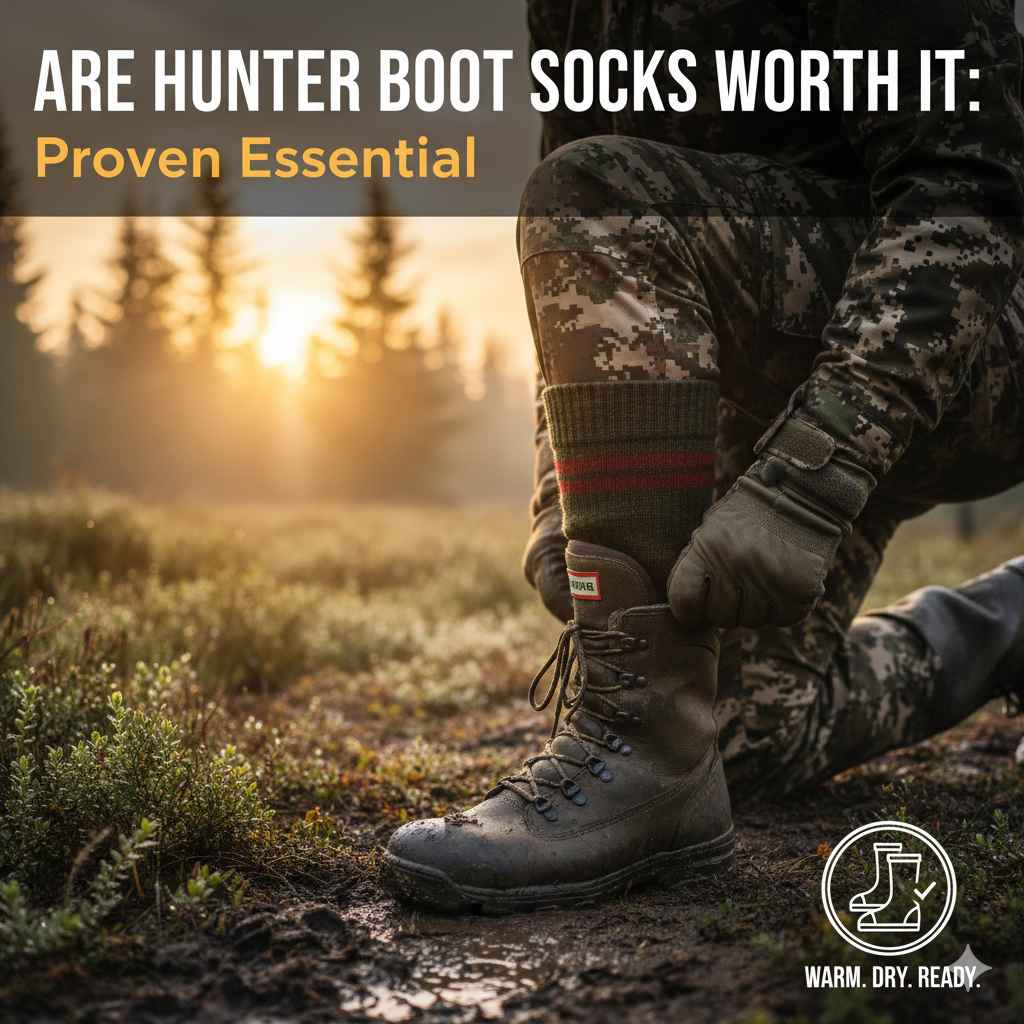
Are Hunter Boot Socks Worth It: Proven Essential
yes, Hunter Boot Socks are absolutely worth the investment, especially if you wear your Hunter wellington boots often or for extended periods. They are essential equipment designed specifically to solve the common problems of rubber boots: poor insulation, internal rubbing, and lack of moisture management. Think of them as necessary liners that protect your feet, keep you warm, and drastically improve the comfort and lifespan of your boots.
Welcome, friends! Just like choosing the right arrow spine makes all the difference in your shot, choosing the right accessories for your gear changes your whole experience. If you own a pair of classic Hunter wellington boots, you know they are unbeatable for keeping water out. But let’s be honest: rubber boots can be cold, stiff, and uncomfortable after a short time. This common issue leads many people to ask the big question: Are Hunter Boot Socks worth the extra money?
It’s easy to grab cheap, thick socks, but those often bunch up, causing blisters and cold feet. You need gear designed for the job. In this guide, we will break down exactly why the dedicated Hunter socks are proven essentials—not just luxury items. We’ll look at the materials, the benefits, and the long-term value so you can make a confident choice and enjoy maximum comfort outdoors.
Understanding Hunter Boots and the Comfort Challenge
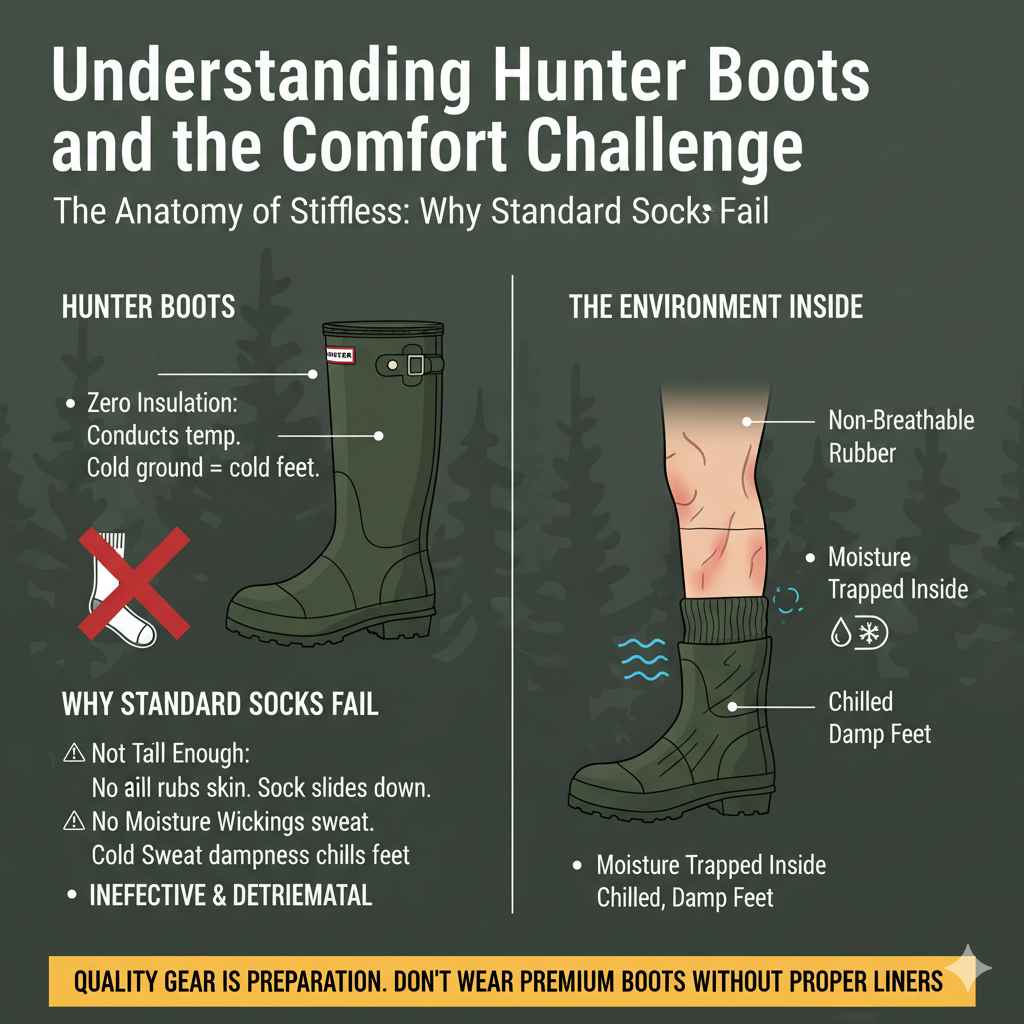
Before we analyze the socks, we need to understand the environment they are designed to manage: the inside of a rubber wellington boot. Hunter boots are fantastic for durability and waterproofing. They are made primarily of vulcanized rubber, which is inherently protective. However, rubber has two major drawbacks when worn directly against the skin or even thin layers of cotton:
- Zero Insulation: Rubber conducts temperature incredibly well. If the ground is cold, your boots quickly become cold. If the sun is out, they can become ovens. They offer no thermal barrier.
- Friction and Stiffness: The interior of the boot is relatively smooth and rigid, leading to major rubbing, especially around the ankle and heel, which is the fast track to painful blisters.
These issues mean that simply wearing standard cotton or thin wool socks inside a wellington boot will lead to discomfort, cold feet, and moisture buildup. Quality gear is preparation, and just like you wouldn’t shoot a high-powered bow without proper arm protection, you shouldn’t wear premium rubber boots without the proper liners.
The Anatomy of a Wellington Boot: Why Standard Socks Fail
A typical crew or hiking sock is not tall enough to clear the top of the standard Hunter boot. This causes two immediate problems: the top edge of the rubber boot rubs against your bare skin, and the sock slides down, bunching up at the arch or the toes. Standard socks are also not designed to wick moisture away efficiently inside a non-breathable environment like rubber.
When your feet sweat inside a rubber boot (and they will, even when it’s cold), that moisture has nowhere to go. Cotton absorbs it, keeping the dampness pressed right against your skin. This quickly chills your feet, leading to a condition called “cold sweat.” This moisture buildup is the primary enemy of foot comfort and warmth, making standard socks not just ineffective, but actively detrimental.
The Core Question: Are Hunter Boot Socks Worth the Investment?
Let’s get right to the heart of the matter. Hunter boot socks, often called “liners” or “fleece welly socks,” typically range from $30 to $50 per pair. This is a significant cost compared to multi-packs of department store socks. So, does the benefit justify the price?
Absolutely, yes. They are worth it because they transform the performance and comfort profile of the boot from a waterproof container into a comfortable, insulated piece of footwear. You are paying for engineered comfort, specialized fit, and superior material science.
Choosing high-quality, purpose-built equipment minimizes variables that lead to failure or discomfort. When you step out in the mud, snow, or rain, your feet should be the last thing you worry about. The Hunter sock liner ensures this.
Feature Breakdown: What Makes Them Different?
The specific features built into Hunter liners directly counter the common flaws of rubber boots. They are designed to fit the specific contours and height of the boots, making them a seamless addition to your setup. Here is a look at the key elements:
1. The Material Science: Fleece and Microfiber
Most Hunter boot socks are made from thick, insulating polyester fleece, sometimes blended with synthetic materials like microfleece or specialized moisture-wicking fibers. Unlike cotton, these materials excel at thermal insulation and moisture management.
- Insulation: The fleece creates a layer of dead air around your foot. This air warms up from your body heat and is trapped, preventing the cold rubber from chilling your skin. This thermal barrier is the single most important function.
- Wicking: Synthetic fleece pulls moisture (sweat) away from the skin and holds it in the outer layer of the fabric, where it can slowly evaporate, keeping your feet drier and warmer.
2. Superior Fit and Height
Hunter liners are engineered to be boot-specific. They are taller than standard socks, ensuring the fluffy cuff or material folds over the top edge of the boot. This is critical for two reasons:
- Protection Against Rubbing: The soft fleece cushion protects your calf and ankle from the stiff, sharp edge of the rubber boot. This eliminates the primary source of calf irritation.
- Secure Fit: They often feature a snugger fit around the arch or ankle to prevent them from slipping down inside the boot, eliminating the bunching that causes toe and heel blisters.
3. Customizable Style (The Cuff)
While often viewed as cosmetic, the signature cuff that folds over the top of the boot serves a practical purpose: it helps anchor the sock in place and provides a neat finish, preventing debris or light moisture from sneaking past the top edge of the boot and down into the sock.
To summarize, the value of the Hunter sock is in its specialized design. It is not just a thick sock; it is a thermal, protective sleeve built to optimize the specific environment of the Hunter wellington boot.
Durability and Maintenance (Long-Term Value)
When investing in gear, we always look at longevity. Are you buying a cheap piece of equipment you’ll replace next season, or a durable item that lasts? Hunter socks are generally built to last several seasons of heavy use. High-quality synthetic fleece is highly resistant to wear, pilling, and losing its shape, especially when compared to cheaper cotton blends.
Proper cleaning is simple, usually requiring a delicate cycle wash and air-drying, which maintains the integrity of the fleece and its thermal properties. This long lifespan helps justify the initial cost, reducing your long-term expense compared to constantly replacing standard hiking socks that quickly degrade under the stress of rubber boot wear.
| Feature | Hunter Boot Socks (Specialized Liner) | Standard Cotton/Wool Socks |
|---|---|---|
| Primary Material | Thick, insulating polyester fleece/microfiber | Cotton, thin wool, or synthetic blend |
| Fit and Height | Boot-specific height; folds over the top cuff. Secure ankle/arch fit. | Often too short; slides down inside the boot; bunches up. |
| Insulation | Excellent thermal barrier; traps air to keep feet warm in freezing conditions. | Poor; conducts cold through the rubber easily. |
| Moisture Management | High wicking ability; pulls sweat away from the skin, keeps feet dry. | Low; cotton absorbs and holds moisture, leading to cold, damp feet. |
| Friction Reduction | High; thick cushioning protects the ankle and calf from stiff rubber edges. | Low; thin fabric means direct rubbing against the rubber surface. |
Deciding Factors: When Are They an Absolute Essential?
While the socks improve comfort in all situations, there are specific scenarios where they shift from being a “nice-to-have” accessory to a critical piece of preparatory gear. If your activities fall into these categories, purchasing the liners should be non-negotiable.
Essential Scenarios
When planning your outdoor activity, whether you are spending a day outside or just doing yard work, preparedness is key. If your activity involves any of the following, the Hunter liners are vital:
- Cold or Freezing Temperatures: If the temperature drops below 40°F (4°C), the rubber of the boot quickly chills. The thick fleece liner is the primary defense against freezing toes.
- Extended Wear (Over 3 Hours): Wearing rubber boots for more than a couple of hours drastically increases friction and moisture buildup. The specialized socks maintain cushion and dryness over a long period.
- High Activity Levels: If you are walking, hiking, or working hard (e.g., clearing brush, gardening), your feet will sweat significantly. Effective moisture wicking is essential to prevent painful blisters and hypothermia risks associated with damp, cold feet.
- Uneven Terrain: When navigating rough ground, your foot moves and shifts inside the boot more, increasing the need for a secure, anti-friction layer around the heel and ankle.
- Wearing Mid-Calf or Short Boots: While less common, if you wear shorter Hunter boots, the cuff ensures the top edge of the boot does not rub your calf skin directly.
Think about this: The National Park Service stresses the importance of proper footwear and layering to prevent cold weather injuries, noting that synthetic materials are superior for insulation and moisture control in challenging environments. The specialized liner is your essential inner layer inside the non-breathable rubber shell.
Step-by-Step Guide to Choosing and Wearing Your Hunter Socks
Choosing and wearing your liners correctly is just as important as the purchase itself. Follow these simple steps to ensure maximum comfort and performance:
Measuring and Sizing Guide
Hunter socks are usually sized based on the boot size (S, M, L, XL), corresponding directly to UK/US foot sizes. Do not try to size up or down significantly; they need to fit snugly against the boot wall.
- Match the Boot Size: Always purchase the liner size that exactly matches the size of your Hunter boot. The socks are designed to take up the necessary volume inside the boot without making the fit too tight.
- Consider the Climate: If you live in a severely cold region and plan to wear extra-thick socks underneath the liner, you might consider going up a half-size in the boot itself (if available) to accommodate the extra layers, though this is rarely necessary with the fleece liner’s high insulation.
- Check the Material: Hunter offers different weights of fleece. If you plan on wearing the boots mostly in cool spring/fall rain, a lighter microfleece might suffice. For true winter protection, opt for the thickest thermal fleece offered.
How to Wear the Liner for Optimal Comfort
This seems simple, but getting the liner adjusted correctly is key to preventing bunching and blisters:
- Wear a Thin Base Layer (Optional but Recommended): For the longest days, consider wearing a thin, performance hiking sock (preferably merino wool or synthetic) directly on your foot first. This acts as an initial wicking layer, pulling moisture away quickly before the fleece takes over.
- Smooth the Liner: Pull the Hunter liner up fully over your calf. Before inserting your foot, run your hand down the inside of the boot to ensure the liner is completely flat against the interior rubber—no wrinkles, especially around the heel or arch.
- Step Carefully: Slide your foot in slowly, ensuring the heel cup of the liner settles perfectly around your heel.
- Fold the Cuff: Once the boot is on and adjusted, fold the fleece cuff neatly over the top edge of the boot. This locks the liner in place and provides the necessary padded buffer against the rubber edge.
Maximizing the Value of Your Hunter Boot Socks
Investment in quality gear should always be paired with proper care. A little maintenance goes a long way toward ensuring your socks maintain their thermal properties and comfortable fit for years.
Storage and Cleaning Best Practices
Because these liners are made from synthetic fleece, avoid high heat during cleaning. High heat can melt the fibers or cause them to stiffen, destroying the soft, trapped air pockets that provide insulation.
- Washing: Use a gentle detergent and wash inside out on a delicate cycle in cool water.
- Drying: Never put them in a high-heat dryer. Air drying is always the safest option. If you must use a dryer, use the “no heat” or “air dry” setting.
- Deodorizing: Rubber boots are non-breathable, which means odor can build up easily. Occasionally sprinkle a small amount of baking soda inside the liners and shake it out to keep them fresh.
By treating the liners like specialized athletic gear, you preserve the wicking and insulating capacity, thereby maximizing the return on your initial investment.
| Factor | Initial Cost ($30 – $50 per pair) | Long-Term Cost & Benefit |
|---|---|---|
| Protection from Cold | High initial cost. | Avoids the need for expensive electric sock warmers or doubling up on multiple pairs of thin socks. Prevents discomfort and potential cold injuries (like frostnip). |
| Durability & Replacement | Premium price point. | Lifespan is 3–5 seasons of heavy use. Reduces the need to replace cheap hiking socks every 6–12 months due to friction wear. |
| Foot Health & Safety | Required accessory for comfort. | Eliminates the risk of friction blisters and sores caused by stiff rubber rubbing on the skin. Ensures the ability to remain active longer outdoors. |
| Boot Protection | Minor cost compared to boots. | Protects the inner lining of the actual Hunter boot from excessive wear and tear caused by friction from rough cotton or wool socks. |
Hunter Boot Socks and Practical Preparedness
As a guide focused on the outdoors, safety, and performance, I always emphasize that the right tools make the job easier and safer. You invest in quality boots because you need reliable waterproofing. You need to complete that investment by adding the component that manages the internal environment of the boot.
If you have ever been stuck outside in damp, cold conditions with freezing toes and blistered ankles, you know that saving a few dollars on socks is a decision you quickly regret. Preparedness means having gear that works in the moment you need it most.
Hunter boot socks provide the essential cushioning and thermal layering required to turn a rugged, waterproof shell into a comfortable, all-day piece of footwear. They are a non-negotiable part of maximizing your comfort and extending your time enjoying the outdoors, regardless of the weather. For anyone who uses their Hunter boots regularly—for gardening, dog walking, fishing, or just battling the elements—these socks are truly essential gear. They are an investment in your comfort, and that comfort is always worth it.

FAQ: Common Questions About Hunter Boot Socks
Q1: Can I just wear thick wool socks instead?
While high-quality merino wool is an excellent insulator and wicks moisture, standard wool socks usually lack the specialized fit and height needed for Hunter boots. They may still slip down, and they don’t provide the structured, cushioned lip required to protect your calf from the rigid rubber edge. For true boot compatibility, the dedicated liner works best.
Q2: Do Hunter socks make the boots feel too tight?
If you purchased the correct size Hunter boot, the socks should not make the boot feel too tight. Hunter boots are designed with the allowance for the liner built into the sizing. The sock is thick, but it compresses slightly, providing cushioning without severely restricting circulation. If the boots feel too tight, check that your liners are wrinkle-free and that the boot size is correct.
Q3: Are the fleece socks too hot to wear in the summer?
Yes, the thick fleece liners are designed specifically for cold weather and are generally too warm for peak summer temperatures. For warm, rainy weather, look for Hunter’s specialized “Welly Socks” made of a thin, breathable synthetic cotton blend, or simply wear a quality, high-rise moisture-wicking synthetic hiking sock.
Q4: How do I clean my Hunter fleece socks?
Machine wash on a cool, gentle cycle using mild detergent. Turn the socks inside out to protect the fleece fibers. The most important step is air drying; never tumble dry the fleece liners on high heat, as it can damage the synthetic fibers and ruin the insulating fluffiness.
Q5: Do I have to buy the official Hunter brand liners?
While the official liners offer the most precise fit for the brand’s boots, you can use high-quality, aftermarket synthetic fleece wellington boot liners. Key requirements are that the aftermarket sock is full height (tall enough to fold over the top cuff) and made of a durable, wicking synthetic material to provide adequate insulation and rubbing protection.
Q6: Can Hunter boot socks be worn with other brands of wellies?
Yes, if the other wellington boots are a similar height and volume. Since the Hunter socks are engineered for generic wellington boot structure, they often fit other high-quality rubber boots (like Muck Boots or Le Chameau) well, provided they are the same sizing category (e.g., US size 9 boots need a size Large Hunter sock).
Q7: What is the difference between the Knit and Fleece versions?
The fleece version is generally thicker, providing maximum thermal insulation for severe cold. The knit version (often a cable knit) is typically a slightly lighter weight, offering a stylish look while still providing some protection and comfort. If warmth is your primary goal, choose the classic fleece or microfiber version.
Conclusion: Investing in Comfort and Performance
When you are serious about your outdoor activities, you recognize that performance comes from preparation, and preparation involves using the right equipment. Hunter wellington boots are excellent for protection, but they are incomplete without the inner management system designed to keep your feet warm, dry, and comfortable.
The specialized Hunter boot socks are not just a branded accessory; they are a necessary functional component that handles insulation, moisture, and friction—the three major drawbacks of rubber footwear. By investing in these liners, you are making a confident choice that ensures your feet stay protected, allowing you to focus on your activity without the distraction of cold toes or painful blisters. Go ahead and step out prepared; the enhanced comfort and protection are truly worth the price.