How to Adjust Cam Timing on a Compound Bow (Safely)
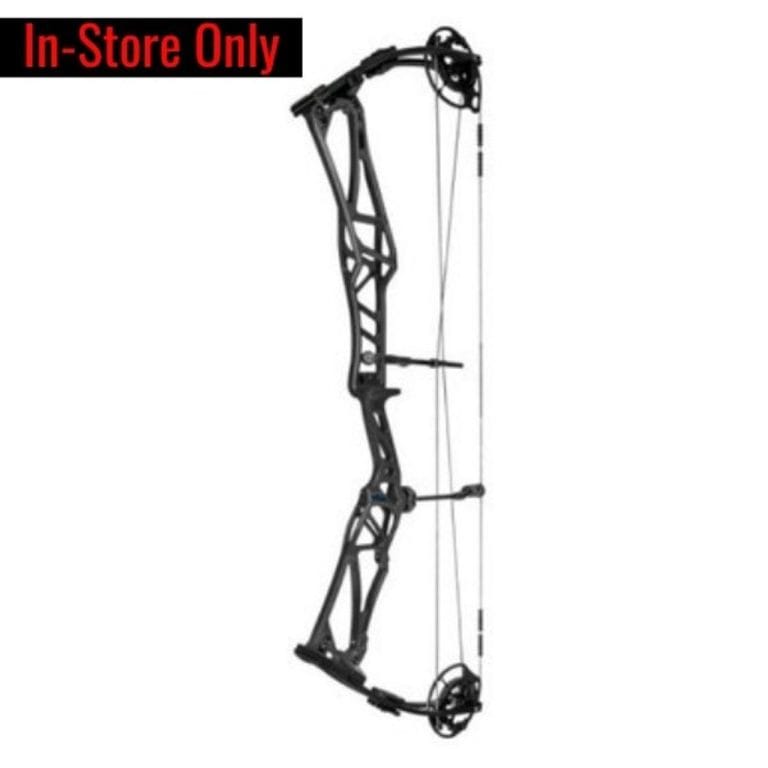
Cam timing is whether both cams on a dual-cam or hybrid-cam compound bow reach full draw at the same instant. Out-of-time cams cause inconsistent let-off and poor arrow flight. Check it by watching both draw stops contact the cable at full draw, and check cam lean by holding an arrow shaft against the cam — it should run parallel to the string. Adjustments need a bow press; don’t force the limbs by hand. For more on this, see our guide on Is a 300 Spined Arrow Stiffer Than a 400 Spine? Expert Guide.
Getting your cams in sync fixes inconsistent accuracy and lets your bow perform the way it was designed to. This guide walks through checking timing and lean, making the adjustment safely, and confirming the fix worked.
What Is Compound Bow Cam Timing?
On a dual-cam or hybrid-cam compound bow, both cams need to rotate in sync as you draw the string. If they’re out of sync (out of “time”), one cam reaches full draw before the other, causing inconsistent let-off, poor arrow flight, and reduced accuracy. Cam timing and cam lean are related but different issues — timing is about WHEN each cam reaches full rotation, lean is about whether the cam sits flat and perpendicular to the string or tilts to one side.
Tools You’ll Need
You’ll need a bow press for most timing and lean adjustments — don’t attempt this by forcing the limbs by hand. A compound bow’s limbs are under significant tension, and working on the cams without a proper press can cause injury or damage the bow. Other tools: an Allen wrench set for module/mod adjustments, a draw board or a partner to hold the bow at full draw for inspection, and a spare arrow shaft to check cam lean alignment.
How to Check If Your Cams Are Out of Time
Have a partner draw the bow to full draw (or use a draw board) and watch both cams’ draw stops as they approach the cables or limb. Both draw stops should make contact at the same moment. If one cam’s stop hits before the other, your cams are out of time — the early cam needs adjustment so both reach full rotation together.
How to Check Cam Lean With a String or Arrow
At full draw, hold a spare arrow shaft flush against the side of a cam. The shaft should run roughly parallel to the bowstring. If it doesn’t, that cam has lean. The goal isn’t necessarily zero lean on every bow — it’s whatever lean the manufacturer specifies as correct for that model, so check your bow’s manual or the manufacturer’s tuning guide first.
Best Pick for a Safe Adjustment
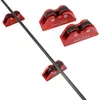
SOPOGER Portable Compound Bow Press
The safe way to adjust cam timing and lean, instead of forcing the limbs by hand as this guide warns against.
- Best for: safely adjusting yoke cables or reaching the cams for shimming
- Why we picked it: portable ratchet design works without a full bench press setup
- Main drawback: still takes some practice to use confidently the first time
Compare more options
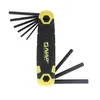 Option 1 NEW ARCHERY PRODUCTS Hex Key Tool
|  Option 2 ZSHJGJR Arrow Spinner Straightness Tester
|  Option 3 KHAMPA DIY Archery Paper Tuning Kit
|
As an Amazon Associate we earn from qualifying purchases.
Adjusting Timing and Lean
On bows with a yoke cable system, a bow press is used to shorten or lengthen one side of the buss cable yoke, which changes that cam’s lean and helps bring timing into sync. On binary cam systems (no yoke), there’s no cable adjustment point — instead, timing and lean are corrected with shims at the axle. In both cases, small adjustments matter: change one side a little, re-check, and repeat rather than making one big adjustment.
Common Mistakes
Working on cams without a bow press is the most common and most dangerous mistake. Others include over-adjusting in one session instead of making small changes and re-checking, ignoring the manufacturer’s specified lean value and chasing “zero lean” instead, and not re-checking arrow flight and paper-tuning after any cam adjustment, since even a correct-looking timing fix can still need a nock point or rest tweak afterward.
Post-Adjustment Checks
After adjusting, re-check both draw stops contact together at full draw, re-check cam lean with the arrow shaft method, and shoot a few arrows through paper to confirm the fix actually improved flight. If flight got worse, don’t keep adjusting blindly — many archers take the bow to a pro shop at this point rather than risk further mistuning.
Frequently Asked Questions
What Is Cam Timing on a Compound Bow?
Cam timing is whether both cams on a dual-cam or hybrid-cam bow reach full draw at the same moment. Out-of-time cams cause inconsistent let-off and poor arrow flight.
Can I Adjust Cam Timing Without a Bow Press?
No, not safely. The limbs are under significant tension, and forcing an adjustment by hand can injure you or damage the bow. Use a bow press, or have a pro shop do it if you don’t own one.
How Do I Know If My Cam Timing Is Off?
At full draw, both cams’ draw stops should contact the cable or limb at the same instant. If one hits first, or if arrow flight is inconsistent despite good form, timing is likely off.
Does Cam Timing Affect Accuracy?
Yes. Out-of-time cams cause inconsistent let-off feel and poor arrow flight, which directly hurts accuracy and can cause the arrow to porpoise or fishtail.
Conclusion
Getting your compound bow’s cams in time and free of unwanted lean is a precision job, but it directly pays off in accuracy and consistent arrow flight. Always use a bow press rather than forcing the limbs, make small adjustments and re-check rather than one big change, and confirm with paper tuning afterward. If it’s not improving after a reasonable attempt, a pro shop visit is worth it.