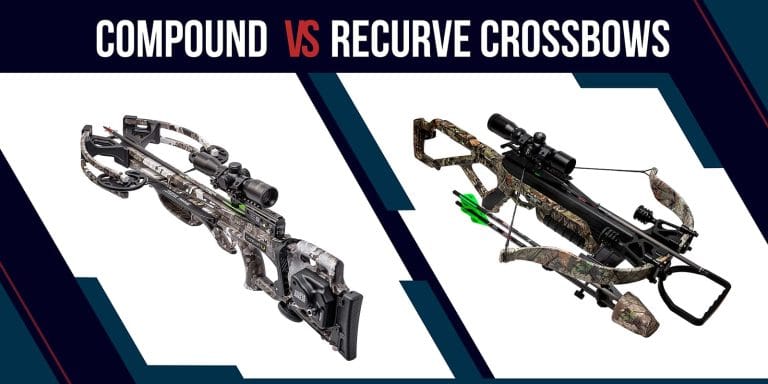
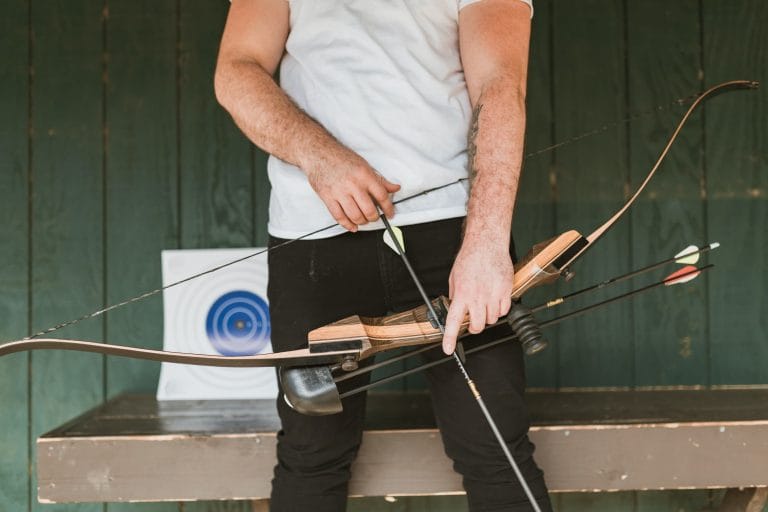
Compound vs. Recurve Bow: Key Differences for Beginners
A compound bow uses a cam-and-pulley system that reduces the holding weight at full draw, making it easier to aim steadily; a recurve bow is fully hand-drawn with no let-off, so you hold the full draw weight every shot. Picking a recurve without accounting for that full-weight hold often means struggling with accuracy as your arm tires mid-shot. This guide compares both bows, the gear each needs, and which fits a first-time archer. For more on this, see our guide on Do Side Bars Come Individually Bow Recurve.
This guide is part of our Archery basics: beginner guide to bows and shooting series.
Compound vs. Recurve Bow: Making Your First Choice
Archery is a fantastic sport that offers both a physical challenge and a mental escape. As you embark on this journey, understanding the fundamental differences between a compound bow and a recurve bow is key to selecting equipment that suits your learning style and future goals. Think of it like learning to drive; you wouldn’t start with a race car! Similarly, the right bow will make your learning experience smoother and more enjoyable.
A compound bow uses a system of cables and wheels (cams) to make it easier to hold the bow at full draw. This means less effort is required to keep the arrow aimed, allowing for greater accuracy, especially for beginners who might struggle with bow arm fatigue. They are often the preferred choice for hunting and target shooting where precision at longer distances is important.
A recurve bow, on the other hand, is often seen as the “traditional” bow. Its limbs curve outwards away from the archer. It’s simpler in design, requiring more strength and technique to hold steady at full draw. However, many archers find the recurve bow offers a more pure archery experience and is excellent for developing fundamental shooting skills. It’s a popular choice for Olympic archery and for those who appreciate the minimalist approach to archery.
Let’s dive deeper into what makes each of these bows a great option for beginners, and also explore their differences.

Understanding the Compound Bow
The compound bow is a modern marvel of archery engineering. Its defining feature is the pulley system, known as cams, located at the ends of the limbs. These cams work in conjunction with a series of cables and pulleys to multiply the force you apply when drawing the string. What does this mean for you, the beginner? Primarily, it significantly reduces the holding weight at full draw.
When you pull back the string on a compound bow, the cams rotate, making it feel progressively easier to draw. More importantly, at the point where you stop drawing (the “let-off” point), the cams hold the energy efficiently, meaning you only need to exert a fraction of the peak drawing weight to keep the bow at full draw. This “let-off” can range from 50% to 90%, making it much simpler to aim without your arm shaking.
Key Components of a Compound Bow
Familiarizing yourself with the parts of a compound bow will help you understand its mechanism and how it functions:
- Riser: The central frame of the bow, which you hold. It’s typically made of machined aluminum or strong composite materials.
- Limbs: These are the flexible arms of the bow that store energy when drawn.
- Cams/Wheels: The elliptical or circular wheels at the ends of the limbs that manage the draw cycle and let-off.
- Bowstring: The string that connects the cams and is drawn back by the archer.
- Control Cables: Cables that run between the cams, synchronizing their movement.
- Sight: An aiming device attached to the riser, helping you align your shot.
- Arrow Rest: A device that supports the arrow before and during the shot.
- Stabilizer: A rod extending from the riser to help absorb vibration and improve balance.
- Peep Sight: A small loop on the string that you nhìn through to align with the bow sight.
Pros of a Compound Bow for Beginners
The compound bow offers several distinct advantages, particularly for those just starting out:
- Easier to Hold Aim: The let-off feature significantly reduces the effort needed to hold the bow at full draw, making it easier to aim steadily and for longer periods. This is a huge confidence booster.
- Higher Accuracy Potential: The mechanical advantage and often included sights contribute to improved accuracy, allowing beginners to see results quickly.
- Faster Arrow Speeds: Compound bows are generally more efficient and can propel arrows at higher speeds, which translates to a flatter arrow trajectory and less need to compensate for drop.
- Adjustable Draw Weight: Many compound bows allow for adjustments to the draw weight and draw length, meaning the bow can grow with the archer without needing to be replaced immediately.
- Forgiving of Minor Errors: The stability provided by the design and accessories can make it more forgiving of small technique inconsistencies, which are common when learning.
Cons of a Compound Bow for Beginners
While excellent, compound bows do have a few considerations:
- Higher Cost: Compound bows and their accessories can be more expensive upfront compared to a basic recurve bow.
- Complexity: The intricate system of cams, cables, and accessories can be intimidating for some, and requires more knowledge for maintenance and tuning.
- Heavier and Bulkier: Due to the added components, compound bows are generally heavier and larger than recurve bows.
- Maintenance: Cables and strings can stretch over time and may need occasional replacement or adjustment by a qualified technician.
Understanding the Recurve Bow
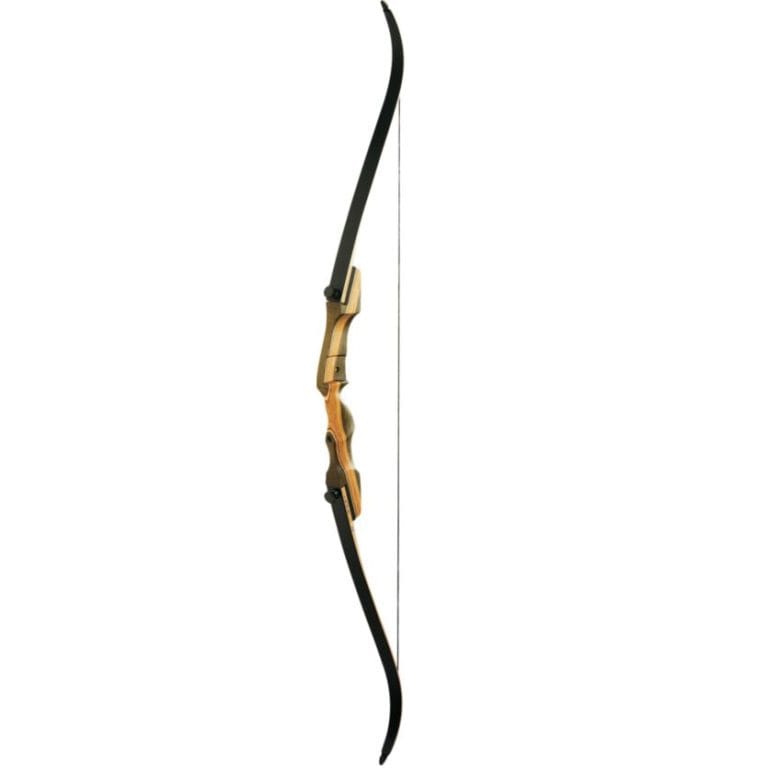
The recurve bow is the archetype of the archery world. Its name comes from the way the limbs curve outwards, away from the archer, at their tips. This design differs from a straight-limbed longbow and gives the recurve more power for its size. When unstrung, the tips of a recurve bow’s limbs will naturally curve forward. When tension is applied by drawing the string, these curves straighten out and then curve back inwards, storing energy more efficiently than a simple straight limb.
Recurve bows are often described as offering a “pure” archery experience because they rely solely on the archer’s strength, technique, and form. There are no mechanical aids like cams or pulleys. You draw the string directly using your own muscle power and hold that tension for as long as you can steadily aim. This makes it a fantastic tool for building foundational archery skills, like consistent draw length, anchor point, and release.
Recurve bows come in two main categories relevant to beginners: takedown recurves and one-piece recurves. For most beginners, a takedown recurve is highly recommended because it can be easily disassembled into three main parts: the riser and two limbs. This makes it very portable and easy to store, and it also allows for easier upgrading of limbs as your strength increases.
Key Components of a Recurve Bow
The simplicity of the recurve bow means fewer parts, making them easier to understand:
- Riser: The central grip section of the bow. They can be made of wood (traditional) or metal (modern takedown bows).
- Limbs: The upper and lower arms of the bow that bend to store energy. They attach to the riser.
- Bowstring: The string connecting the tips of the limbs, which is pulled back by the archer.
- Arrow Rest: A small shelf or blade on the riser where the arrow sits before being shot.
- Sight (Optional): Many modern recurve bows can have sights attached, but traditional archery often eschews them.
- Stabilizer (Optional): Used on some recurves and often on Olympic-style bows to balance and reduce vibration.
- Arrow Nock: The plastic or metal component at the end of an arrow that snaps onto the bowstring.
Pros of a Recurve Bow for Beginners
The recurve bow offers compelling benefits for those new to the sport:
- Focus on Fundamentals: The recurve bow demands good form and technique. This direct learning process builds a strong foundation that benefits archers regardless of the bow type they eventually use.
- Lower Cost for Entry: A basic takedown recurve bow package is typically much more affordable than a comparable compound bow setup.
- Simplicity and Ease of Use: With fewer moving parts, recurve bows are straightforward. This makes them less intimidating and easier to handle for many beginners.
- Lightweight and Portable: Recurve bows are generally lighter and much easier to transport and store, especially takedown models.
- Quieter Shot: Without cams and cables, recurve bows tend to be quieter when fired.
- Excellent for Skill Progression: As you get stronger, you can simply upgrade the limbs on a takedown recurve to a higher draw weight, allowing you to progress without buying a whole new bow.
Cons of a Recurve Bow for Beginners
There are a few points to consider with recurve bows:
- Steeper Learning Curve for Stability: Holding the bow steady at full draw requires more physical strength and consistent technique, which can be challenging initially.
- Less Forgiving of Technique Errors: Because there are no mechanical aids, minor lapses in form can have a more noticeable impact on arrow accuracy.
- Limited Let-off and Higher Holding Weight: You must maintain the full drawing weight while aiming, which can lead to arm fatigue faster than with a compound bow.
- Slower Arrow Speeds: Generally, recurve bows shoot arrows at slower speeds than compound bows, meaning a more pronounced arrow drop and requiring more awareness of range.
Compound vs. Recurve Bow: Key Differences at a Glance
To help solidify your understanding, here’s a direct comparison of the two bow types:
| Feature | Compound Bow | Recurve Bow |
|---|---|---|
| Mechanism | Cams, cables, and pulleys to reduce holding weight (let-off). | Simple limbs that flex to store energy. No mechanical aid. |
| Ease of Holding Aim | Very easy due to let-off; minimal fatigue. | More difficult; requires consistent strength and form. |
| Initial Learning Curve | Steeper initial setup complexity, but easier to shoot accurately due to stability. | Simpler setup, but requires more practice to develop consistent form for accuracy. |
| Complexity | High; intricate design with many parts. | Low; simple, elegant design. |
| Cost (Entry Level) | Generally higher. | Generally lower. |
| Arrow Speed | Higher. | Lower. |
| Maintenance | Requires periodic tuning, cable/string checks. | Minimal; basic string care and limb alignment. |
| Portability | Bulkier and heavier. | Lighter and more portable (especially takedown models). |
| Target Archery Discipline | Often used in 3D, field archery, and competitive target archery (non-Olympic). | Olympic Archery, traditional archery, field archery. |
| Hunting Versatility | Very popular for hunting due to range, speed, and accuracy capabilities. | Used by traditional hunters, but generally limits effective range more than compounds. |
Which Bow is Right for You: A Beginner’s Guide
Deciding between a compound and a recurve bow hinges on your personal preferences, goals, and what you’re hoping to get out of archery. There’s no single “better” bow, only the better bow for you at this stage of your archery journey.
Consider a Compound Bow If:
- You want to shoot accurately relatively quickly: The stability and ease of aiming offered by the let-off can lead to faster satisfaction in hitting targets.
- You plan to hunt: Compound bows are the standard for modern bowhunting due to their accuracy, power, and distance capabilities. For hunters, a reliable resource on ethical hunting practices can be found through organizations like the International Hunter Education Association (IHEA).
- You have physical limitations or fatigue easily: The reduced holding weight makes it accessible for archers who might struggle with prolonged exertion.
- You are interested in 3D or field archery: These disciplines often favor the accuracy and speed of compound bows.
- Budget is less of a concern for your initial setup: While more expensive, the value is often in the advanced technology and performance.
Consider a Recurve Bow If:
- You want to build a solid foundation in archery fundamentals: The recurve teaches discipline, form, and strength in a way that translates across all archery disciplines.
- You are on a tighter budget: An entry-level recurve package is a very cost-effective way to start archery.
- You prefer a simpler, more traditional experience: There’s an undeniable purity and connection to traditional archery with a simple recurve.
- You’re interested in Olympic archery: The Olympic Games feature only recurve bows.
- You value portability and ease of storage: Takedown recurves are exceptionally travel-friendly.
Many experienced archers recommend that absolute beginners try both types if possible. Visiting a local archery shop or range that offers rentals can be invaluable. You can feel the draw cycle of a compound and the direct pull of a recurve to see which feels more natural and enjoyable.

Getting Started: Essential Additions
Regardless of which bow you choose, you’ll need a few essential accessories to get started safely and effectively. The National Field Archery Association (NFAA) provides excellent resources for safe shooting practices, which are vital for all new archers. You can explore their rulebooks and safety guidelines for comprehensive information.
For Both Compound and Recurve Bows:
- Arrows: These need to be matched to your bow (draw weight, draw length) and your shooting style. Carbon arrows are common and durable for beginners.
- Finger Tab or Release Aid: A finger tab protects your fingers from the bowstring on a recurve, while a mechanical release aid is used with a compound bow to draw and release the string.
- Armguard: Protects your arm from the sting of the bowstring. Essential for both bow types.
- Quiver: Holds your arrows. Types vary for compound (hip or back quivers) and recurve (side quiver, often worn at the hip).
- Bowstringer: A specialized tool used to safely string and unstring a bow, especially a recurve or traditional bow. This is crucial for preventing damage and injury.
- Basic Field Kit: Often includes a bow square for setup, serving thread for minor string repairs, and Allen wrenches for compound bow adjustments.
Specific to Compound Bows:
- Peep Sight: Allows you to align with the bow sight.
- Nock Loop: A small loop installed on the bowstring for the release aid to attach to.
- Bow Case: Highly recommended to protect the intricate mechanics of the bow during transport.
Specific to Recurve Bows:
- Arrow Rest: Simple rests are common, while more advanced ones offer adjustability.
- Plunger Button: A small adjustable spring-loaded pin that tunes arrow flight.
- Clicker: An audible device attached to the riser that helps archers achieve a consistent draw length.
Best Compound Bow Release Pick
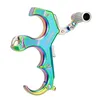
Adjustable Thumb Release Aid – $79.99
This guide’s Essential Additions list calls out a mechanical release aid as the compound-bow equivalent of a recurve finger tab — this is that release, adjustable for 3 or 4 finger grips.
- Best for: drawing and releasing a compound bow string cleanly, without finger torque
- Why we picked it: matches the release aid this guide recommends specifically for compound shooters
- Main drawback: takes practice to trigger consistently compared to a finger release
Compare more compound vs. recurve starter gear
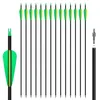 Option 1 Carbon Arrows (14-Pack) – $24.99
| 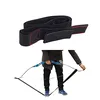 Option 2 Bow Stringer Tool – $8.99
| 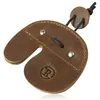 Option 3 Leather Finger Tab – $12.99
|
As an Amazon Associate we earn from qualifying purchases.
Frequently Asked Questions (FAQ)
Is a compound bow easier to learn on than a recurve?
For many absolute beginners, a compound bow can feel easier to start with. The ‘let-off’ feature significantly reduces the effort needed to hold the bow at full draw, making it simpler to aim without fatigue. However, mastering the fundamental technique and a consistent shot process is key for both. A recurve demands more from your form but builds those core skills directly.