How Did Archery Become an Olympic Sport? 1900 to 1972
Archery debuted at the 1900 Paris Olympics, appeared three more times through 1920, then vanished for a 52-year gap before returning for good at the 1972 Munich Games. The gap happened because no international body existed yet to standardize rules, equipment, or scoring across countries. This guide covers how archery started as an ancient survival skill, why it disappeared, and how a newly formed federation brought it back.

Remuuly
Remuuly 20/30 Pcs Gold Awards Medals Metal…
- Ample Quantity: this comprehensive set comes with 30 archery medals, each attached with a ribbon in white, red, and blue colors; T…
- Considerable Quality: made from robust but lightweight metal, these archery award medals with neck ribbon stands long time use; Th…
- Attentive Design: our archery medals bulk are made of solid metal with vivid reliefs; And the attached ribbons ensure these gold m…
As an Amazon Associate I earn from qualifying purchases.
The Ancient Roots of Archery
Archery is one of those skills that’s been around forever. I mean, humans have been shooting arrows for thousands of years! It started as a tool for survival. Early humans used bows and arrows to hunt animals and protect themselves. Think about it—way before guns or fancy tech, the bow was the ultimate weapon. Cave paintings from 20,000 years ago show people using bows, so it’s safe to say archery is woven into our history.
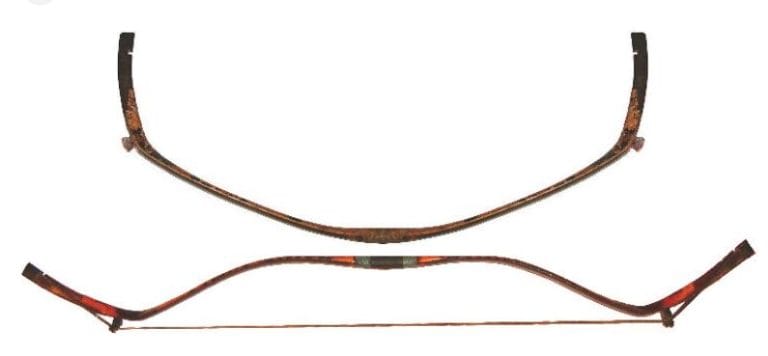
As time went on, archery became more than just a survival tool. It turned into a way to show off skill and strength. Ancient civilizations like the Egyptians, Greeks, and Persians held archery contests to celebrate their warriors. I can almost picture them cheering as arrows hit their targets! These early competitions laid the groundwork for archery as a sport. By the Middle Ages, archery was a big deal in places like England, where longbowmen were practically rock stars. Tournaments were held, and archers competed for glory, kind of like the Olympics of their day.
But here’s the thing—archery wasn’t always about sport. It was a serious skill for warfare. That’s why, when the modern Olympics began, archery wasn’t an obvious choice. It needed to evolve from a battlefield necessity to a structured competition. And that’s where the story gets interesting.
The Birth of the Modern Olympics
Let’s fast-forward to the late 1800s. The Olympic Games, as we know them today, were revived by a French guy named Pierre de Coubertin. He wanted to bring nations together through sport, inspired by the ancient Greek Olympics. I love how his vision was all about unity and friendly competition. When the first modern Olympics happened in 1896 in Athens, the focus was on sports like running, wrestling, and swimming. Archery didn’t make the cut right away, but it wasn’t far behind.
Why the delay? Well, archery was still seen as more of a military or hunting skill. Plus, organizing a standardized competition wasn’t easy. Different countries had their own styles of archery, with unique bows, arrows, and rules. Imagine trying to get everyone to agree on one way to compete! But the idea of archery as a sport was gaining traction, especially in Europe, where clubs and societies were popping up to promote it.
Archery’s Olympic Debut
Archery finally got its big break at the 1900 Paris Olympics. I can’t help but smile thinking about how exciting that must’ve been for archers back then. It was the second modern Olympics, and France, being a hub for archery enthusiasts, decided to include it. The events were a bit chaotic, though. There were multiple archery competitions, and the rules weren’t exactly standardized. Some events were more like local traditions than a unified sport.
For example, in 1900, there were events like “Au Cordon Doré” and “Au Chapelet,” which were French archery styles. The records from that time are a bit messy, so it’s hard to know exactly how many people competed or what the vibe was like. But I imagine archers standing in a grassy field, squinting at targets, with crowds cheering them on. Over 100 medals were awarded, which shows how popular archery was, even if it was a bit disorganized.
Archery also appeared in the 1904 St. Louis Olympics and the 1908 London Olympics. In St. Louis, it was mostly American archers because, well, not many international athletes made the trip. Women got to compete for the first time, which was a huge deal! I love that archery was one of the first Olympic sports to include women. By 1908, the British put their own spin on it with events like the York Round for men and the National Round for women. Archery also appeared once more at the 1920 Antwerp Games, mostly as popinjay-style shooting among just three nations, before disappearing from the Olympics for over 50 years. Why? Let’s dive into that.
Why Archery Left the Olympics
Here’s where things get a bit tricky. After its early appearances, archery vanished from the Olympic program for over 50 years. I was surprised when I first learned this! The main issue was standardization. Different countries had their own archery traditions, and there wasn’t a global governing body to set universal rules. Without clear guidelines, it was hard to make archery a fair and consistent Olympic event.
Another factor was the rise of other sports. The Olympics were growing, and new events like basketball and volleyball were stealing the spotlight. Archery, with its niche appeal, got pushed to the sidelines. Plus, organizing archery competitions was expensive and logistically tricky. You needed proper ranges, equipment, and officials, which wasn’t always easy to arrange.
During this gap, archery didn’t fade away completely. Clubs and national organizations kept the sport alive. In the United States, the National Archery Association (now USA Archery) was formed in 1879 and helped keep competitive archery going. In Europe, archery societies were hosting their own tournaments. I think it’s amazing how passionate archers kept the sport thriving, even without the Olympic stage.
The Return of Archery in 1972
Archery made a triumphant comeback at the 1972 Munich Olympics, and I get goosebumps thinking about it. By then, the sport had changed a lot. The big game-changer was the creation of the International Archery Federation (now World Archery) in 1931. This group worked hard to standardize rules, equipment, and scoring. They made sure everyone was on the same page, whether they were shooting in Paris, Tokyo, or New York.
The 1972 Olympics introduced a format called the Double FITA Round, which was a big step toward fairness. Archers shot at targets from different distances—90, 70, 50, and 30 meters for men, and 70, 60, 50, and 30 meters for women. The scoring was clear, and the events were exciting to watch. I can imagine the tension as archers aimed for the bullseye, knowing the world was watching.
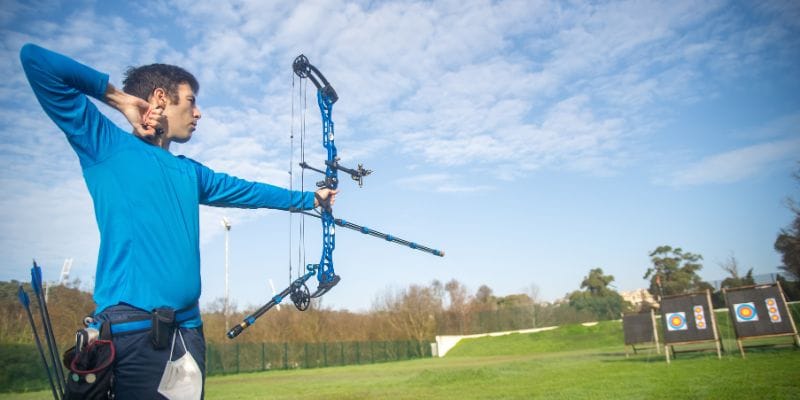
Since 1972, archery has been a permanent fixture in the Olympics. It’s evolved over the years, with tweaks to the format and equipment. Today, it’s all about precision and consistency, with archers using high-tech recurve bows and competing in both individual and team events.
How Archery Evolved in the Olympics
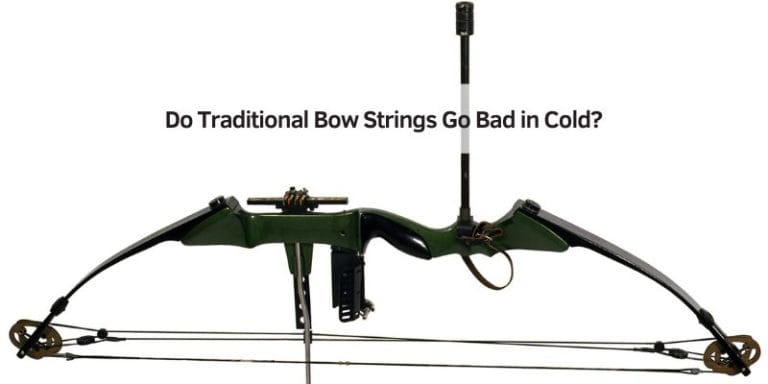
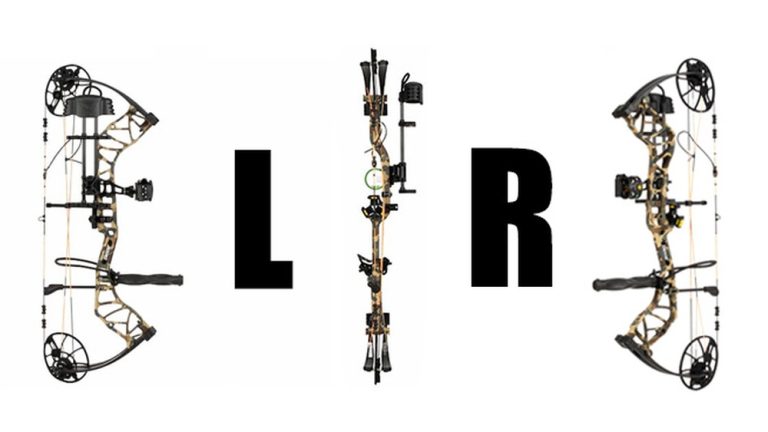
Let’s talk about how Olympic archery has changed over time. When it first started, the equipment and rules were all over the place. Early Olympic archers used traditional bows, and the targets varied in size and distance. Now, everything is super precise. Modern Olympic archery uses recurve bows, which have curved limbs that store more energy for a powerful shot. Compound bows, with their pulleys and cables, are popular in other competitions but aren’t allowed in the Olympics.
The scoring system is another big change. Today, archers shoot at a target with concentric rings, and each ring has a point value (10 for the bullseye, down to 1 for the outer ring). They compete in head-to-head matches, which makes it thrilling for spectators. I love watching those intense moments when it all comes down to one arrow!
Team events were added in 1988, and mixed team events (one man, one woman) debuted in 2020. These additions have made archery more dynamic and inclusive. I think it’s awesome how the sport keeps evolving to stay fresh and exciting.
Here’s a quick look at how Olympic archery has changed over the years:
| Year | Key Milestone |
|---|---|
| 1900 | Archery debuts at Paris Olympics with multiple events. |
| 1904 | Women compete for the first time in St. Louis. |
| 1908 | Last Olympic archery event until 1972. |
| 1931 | International Archery Federation formed to standardize rules. |
| 1972 | Archery returns to the Olympics in Munich with modern format. |
| 1988 | Team events introduced. |
| 2020 | Mixed team events added in Tokyo. |
Why Archery Stays Popular in the Olympics
So, why has archery stuck around in the Olympics? I think it’s because it’s such a unique sport. It’s not about speed or strength—it’s about focus and precision. Anyone can learn to shoot a bow, regardless of age or size. I’ve tried archery myself, and let me tell you, it’s harder than it looks! But it’s also incredibly satisfying when you hit the target.
Archery also has a universal appeal. It’s a sport that feels both ancient and modern. The bows may be high-tech now, but the core skill—aiming and shooting—hasn’t changed in centuries. Plus, it’s a sport where men and women compete on equal footing, which I think is pretty special.
The Olympics also showcase archery’s global reach. Countries like South Korea, the United States, and China dominate, but archers from all over the world compete. South Korea, by the way, is a powerhouse—they’ve won more archery medals than anyone else. I’m always amazed by their precision!
Archery’s Cultural Impact
Archery in the Olympics isn’t just about competition—it’s also about culture. Think about all the movies and books that feature archers, like Robin Hood or Katniss Everdeen from The Hunger Games. The Olympics amplify that fascination. When I watch Olympic archers, I feel like I’m seeing a piece of history come to life.
The sport also inspires people to give archery a try. After the 2012 London Olympics, archery clubs in the U.S. saw a huge spike in interest, thanks to movies like Brave and The Avengers. I think it’s so cool how the Olympics can spark a love for a sport that’s been around forever.
Challenges and Future of Olympic Archery
Archery isn’t without its challenges. One big issue is accessibility. Bows, arrows, and proper training can be expensive, which makes it hard for some people to get started. The Olympics help by showcasing the sport, but more work is needed to make it affordable for everyone.
Another challenge is keeping the sport exciting for new audiences. The head-to-head format and team events have helped, but there’s always room for innovation. Maybe we’ll see new formats or technology in the future, like augmented reality targets. Who knows?
Looking ahead, I’m excited for archery’s future in the Olympics. The 2024 Paris Olympics were a big moment, with stunning performances and packed crowds. The 2028 Los Angeles Olympics are next, and I can’t wait to see how the sport evolves.
Conclusion
What a journey archery has had! From ancient hunting tool to Olympic sport, it’s come a long way. I’ve loved diving into this topic and sharing it with you. Archery’s Olympic story is one of resilience, evolution, and passion. It’s a sport that tests the mind as much as the body, and that’s what makes it so special. Whether you’re a history buff, a sports fan, or just curious, I hope you’re as inspired by archery as I am. Maybe you’ll even pick up a bow and give it a try! The Olympics have shown us that archery is more than just hitting a target—it’s about focus, determination, and connecting with a tradition that spans centuries.
FAQs
How Did Archery First Get Into the Olympics?
Archery debuted at the 1900 Paris Olympics. It was included because France had a strong archery tradition. The events were based on local styles, and women competed in 1904, making it one of the first Olympic sports to include women.
Why Was Archery Removed From the Olympics?
Archery disappeared after the 1920 Antwerp Games due to a lack of standardized rules. Different countries had their own archery styles, making it hard to create fair competitions. It returned in 1972, a 52-year gap, after the International Archery Federation set global standards.
What Kind of Bows Are Used in Olympic Archery?
Olympic archers use recurve bows. These bows have curved limbs that store energy for powerful shots. Compound bows, with pulleys, aren’t allowed in the Olympics but are used in other competitions.
Which Country Is Best at Olympic Archery?
South Korea is the top performer in Olympic archery. They’ve won more medals than any other country, thanks to their intense training programs and focus on precision.
How Has Olympic Archery Changed Over Time?
Archery has become more standardized since its early days. Modern events use recurve bows, fixed distances, and a clear scoring system. Team and mixed events were added in 1988 and 2020, making it more exciting.
Related pick: Check today's price on Amazon