Aluminum vs. Carbon: The Recurve Arrow Showdown
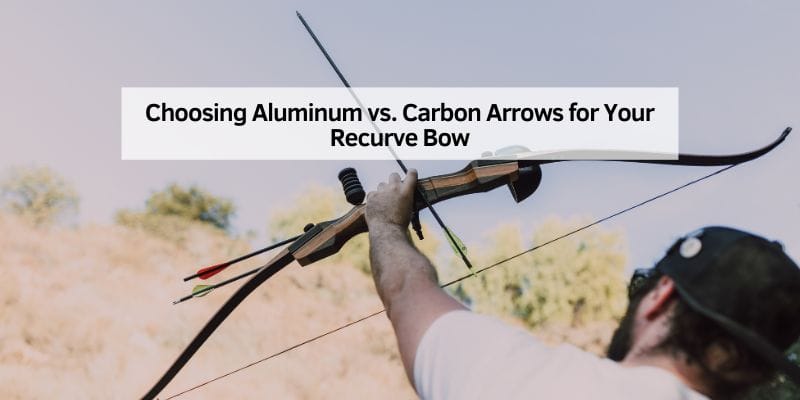
When I first picked up a recurve bow, I was thrilled but totally lost on picking arrows. Aluminum or carbon? It felt like choosing between pizza and tacos—both great, but which fits my vibe? In this article, I’ll break down the aluminum vs. carbon arrows recurve debate in a way that’s easy for beginners, exciting for enthusiasts, and helpful for pros. I’ll share my own stumbles, simple tips, and clear comparisons to help you choose arrows that fly straight and make you smile. Expect practical examples, cost-saving ideas, and answers to common questions—all written like we’re chatting over a backyard target session.
For a related arrow setup, Aluminum or Carbon: The Crossbow Arrow Showdown gives readers another detail to check before shooting.
What Are Aluminum and Carbon Arrows?


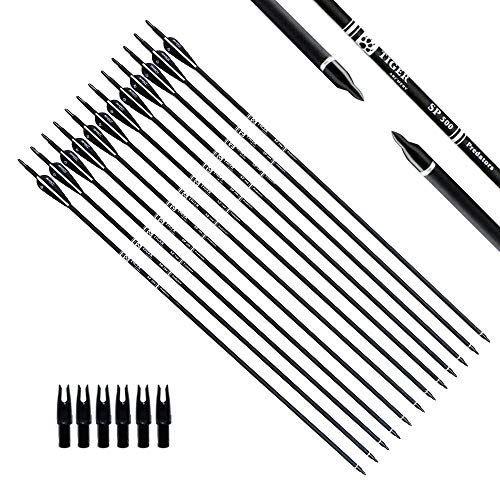
Arrows are the heart of archery. They’re the bits that fly from your recurve bow to the target. But not all arrows are the same! Aluminum arrows are made from a lightweight metal, while carbon arrows are crafted from strong, woven carbon fibers. Both work with recurve bows, but they feel and perform differently. Choosing between them matters because the right arrow makes your shots more accurate and fun.
Aluminum arrows are like the trusty pickup truck of archery—reliable, affordable, and great for short distances. Carbon arrows are more like sleek sports cars—light, fast, and tough, but pricier. Your choice depends on what you’re shooting for: target practice, hunting, or just backyard fun.
Why Aluminum Arrows Shine
Aluminum arrows have been around forever, and for good reason. They’re super consistent, which means each arrow flies almost the same as the last. My first set was aluminum, and I loved how they hit the target with a satisfying thunk. Here’s why they’re awesome:
- Cheap and cheerful: Aluminum arrows cost less, so you can buy more without breaking the bank.
- Super accurate indoors: Their heavier weight makes them steady for short-range shots, like 20 yards.
- Easy to tune: You can tweak them to match your bow by changing point weights.
But there’s a catch. Aluminum arrows can bend if you yank them out of a target wrong or hit something hard. I learned this the hard way when I bent two arrows in one day! They’re also heavier, so they drop faster at long distances.
Why Carbon Arrows Rock
Carbon arrows are the modern champs of archery. They’re made of tough carbon fibers, so they’re light and crazy durable. When I switched to carbon, my shots felt faster, like upgrading from a bike to a skateboard. Here’s what makes them cool:
- Tough as nails: Carbon arrows rarely bend or break, even after rough shots into dirt or brush.
- Fast and far: Their light weight means they fly flatter and hold up better at long ranges, like 50-60 yards.
- Less wind trouble: Their slim design cuts through wind, keeping shots on point.
The downside? They’re pricier, and if they do break, they can splinter. I once found a cracked carbon arrow after a bad shot—yikes! Also, tuning them can be trickier since they come in specific spine ratings.

Comparing Aluminum vs. Carbon Arrows: A Simple Table
To make things clear, here’s a side-by-side look at aluminum and carbon arrows for recurve bows. I’ve used both, and this sums up what I’ve learned.
| Feature | Aluminum Arrows | Carbon Arrows |
|---|---|---|
| Cost | $5-10 per arrow, budget-friendly | $10-20 per arrow, pricier |
| Weight | Heavier, great for indoors | Lighter, better for long distances |
| Durability | Can bend if mishandled | Very tough, but can splinter if broken |
| Accuracy | Super consistent for short ranges | Great for long ranges, less wind drift |
| Tuning | Easy to adjust with point weights | Trickier, needs correct spine |
Caption: This table compares aluminum vs. carbon arrows for recurve bows based on my shooting experience.
How to Choose Arrows for Your Recurve Bow
Picking arrows is like picking shoes—you need the right fit for your style. Here’s a simple step-by-step guide to help you choose between aluminum and carbon arrows:
- Know your bow’s draw weight: Check the pounds (e.g., 35#) on your recurve bow. This decides the arrow’s spine (stiffness). Too stiff or too soft, and your arrows won’t fly straight.
- Decide your shooting style: Indoors or short-range (20 yards)? Go aluminum. Outdoors or long-range (50+ yards)? Try carbon.
- Set a budget: If you’re just starting, aluminum is cheaper and forgiving. If you’re serious, carbon’s durability is worth the cost.
- Test a few arrows: Buy a small set (3-6) of each type. Shoot them at a range to see what feels best.
- Check arrow length: Measure your draw length (usually 28-30 inches for adults) and add 1 inch for safety.
Visual Idea: A diagram showing how to measure draw length by pulling back a bowstring to your anchor point (e.g., corner of your mouth).
My First Try: A Funny Flop with Arrows
When I started archery, I bought aluminum arrows because they were cheap. Big mistake! I didn’t check the spine, and my shots wobbled like a bad dance move. After bending a few, I tried carbon arrows. They flew so fast I missed the target completely! It was a total flop, but I learned to match arrows to my 40# recurve bow. Now, I use aluminum for indoor practice and carbon for outdoor fun. Moral of the story? Test before you invest!
Tips to Save Money and Avoid Mistakes
Archery can get pricey, but you can keep costs down and avoid my rookie errors. Here are my top tips:
- Buy in small batches: Start with 3-6 arrows to test. It’s cheaper than buying a dozen you don’t like.
- Check for bends: Always inspect aluminum arrows before shooting. A bent arrow is like a wobbly wheel—bad news!
- Use a bow scale: Weigh your bow’s draw weight to pick the right spine. I use a simple luggage scale—it’s a lifesaver.
- Practice pulling arrows: Pull aluminum arrows straight out of targets to avoid bending. Twist gently, no yanking!
Visual Idea: A chart showing arrow spine ratings (e.g., 500, 600) matched to common recurve bow draw weights (20-50#).
Aluminum vs. Carbon Arrows: Which Is Best for You?
There’s no “perfect” arrow—it depends on you. If you’re shooting indoors or on a budget, aluminum arrows are your best buddy. They’re accurate, cheap, and easy to tune. For outdoor shooting or hunting, carbon arrows shine with their speed and toughness. I mix both: aluminum for my basement range and carbon for field archery. Try both to see what sings for your recurve bow.
Here’s a quick table to match arrows to your goals:
| Shooting Goal | Best Arrow | Why |
|---|---|---|
| Indoor target (20 yards) | Aluminum | Heavier, more stable, cheaper |
| Outdoor target (50+ yards) | Carbon | Lighter, faster, less wind drift |
| Hunting | Carbon | Durable, better penetration |
| Beginner practice | Aluminum | Affordable, forgiving for newbies |
Caption: This table helps you pick aluminum or carbon arrows based on your recurve bow shooting goals.
Safety Tips for Shooting Arrows
Safety is huge in archery. A bad arrow choice can mess up your shot or even hurt someone. Here’s how to stay safe:
- Inspect arrows every time: Check for cracks (carbon) or bends (aluminum). A damaged arrow can shatter or veer off.
- Use the right spine: Wrong spine can make arrows fly wild. Use a spine chart from a trusted site like Easton Archery.
- Shoot in a clear area: Make sure no one’s downrange. My buddy once shot an arrow into a tree—oops!
Visual Idea: A simple sketch of an arrow inspection checklist (e.g., check nock, shaft, fletching, point).

Frequently Asked Questions
What’s the difference between aluminum and carbon arrows for recurve bows?
Aluminum arrows are heavier, cheaper, and great for indoor shooting due to their consistency. Carbon arrows are lighter, tougher, and better for long-range or outdoor shooting because they resist wind and fly faster.
Which arrow is better for beginners using a recurve bow?
Aluminum arrows are best for beginners. They’re affordable, easy to tune, and forgiving for short-range practice. Start with a small set to test what works with your bow.
Can I use carbon arrows for indoor recurve shooting?
Yes, but carbon arrows shine outdoors due to their light weight and speed. For indoor ranges (20 yards), aluminum arrows are often more stable and cost less.
How do I know if my arrow spine is right for my recurve bow?
Match your bow’s draw weight to the arrow’s spine using a spine chart. For example, a 35# recurve needs a 600-700 spine for carbon or a 1816 for aluminum.
Are carbon arrows worth the extra cost for recurve bows?
If you shoot outdoors or hunt, carbon arrows are worth it for their durability and speed. For indoor or casual shooting, aluminum arrows save money without losing much accuracy.
How do I avoid damaging my aluminum arrows?
Pull aluminum arrows straight out of targets without twisting hard. Check for bends before each shot, and store them in a quiver to keep them safe.
Can I mix aluminum and carbon arrows in a recurve session?
You can, but it’s tricky. They have different weights and spines, so your aim will change. Stick to one type per session for consistent shots.
Wrapping It Up
Choosing between aluminum vs. carbon arrows for recurve bows is all about your goals. Aluminum arrows are budget-friendly and great for indoor practice, while carbon arrows fly fast and tough for outdoor adventures. Try a few of each to see what feels right—my first bent aluminum taught me that! Use my tips to save cash and shoot safely. Grab your recurve bow, pick some arrows, and hit the range. Share your favorite arrow type in the comments—I’d love to hear what works for you! For more archery tips, check out Archery 360 or Victory Archery.