Aluminum vs. Carbon Recurve Arrows: A Guide
Hey there, fellow archer! If you’re diving into the world of recurve archery, one question probably keeps popping up: Should I go with aluminum arrows or carbon arrows? I get it—choosing the right arrow can feel like a big decision. It’s not just about picking something that flies straight; it’s about finding the perfect match for your bow, your shooting style, and your goals. I’ve spent countless hours on the range, experimenting with both aluminum and carbon arrows, and I’m here to share everything I’ve learned. Whether you’re a beginner or a seasoned shooter, this guide will break down the differences, benefits, and drawbacks of aluminum and carbon arrows for recurve bows. Let’s get started and figure out which arrow is your best bet!
TIGER ARCHERY
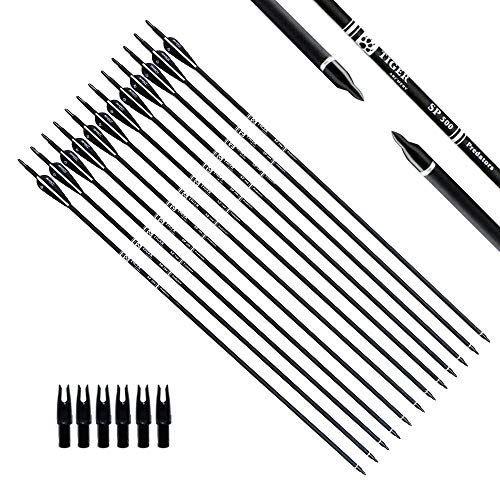
TIGER ARCHERY 30" Carbon Arrows for Compound…
- Length:30", Outer diameter: 0.309 inch. Fletching with 2 black 1 white vanes. For draw weight 35-60 pounds recurve, compound, or l…
- They are solid & well made. Precision carbon hunting arrows made for extended durability and long lasting target practice.
- Colored plastic fletching make flight always pointed the right way. The tips are nickel plated stainless steel which is perfect fo…
As an Amazon Associate I earn from qualifying purchases.
What Are Aluminum Arrows?
When I first started archery, aluminum arrows were my go-to. There’s something classic about them—they’ve been around for decades, and for good reason. Aluminum arrows are made from, you guessed it, aluminum, a lightweight but sturdy metal. They’re crafted with precision, often with a hollow tube design, which makes them consistent and reliable.
What I love about aluminum arrows is their versatility. They come in a wide range of spine sizes (that’s the stiffness of the arrow), so you can find one that matches your recurve bow’s draw weight perfectly. They’re also known for their straightness and uniform weight, which means every arrow in a set feels almost identical. For me, that consistency was a game-changer when I was learning to shoot tight groups.
But aluminum arrows aren’t perfect. They can bend if you mishandle them or hit a hard target. I remember one time when I accidentally clipped a tree stump at the range—yep, my arrow was toast! That said, they’re generally durable for regular use, and they’re often easier on the wallet than carbon arrows, which is a big plus if you’re just starting out or shooting on a budget.
What Are Carbon Arrows?
Now, let’s talk about carbon arrows. These are the modern darlings of the archery world, and I can see why. Carbon arrows are made from carbon fiber, a material that’s incredibly strong yet super lightweight. When I first switched to carbon arrows, I was amazed at how fast they flew out of my recurve bow. That speed can make a real difference, especially if you’re shooting at longer distances.
Carbon arrows are also tough as nails. Unlike aluminum, they don’t bend—they either stay intact or break entirely. I’ve shot carbon arrows into some pretty tough targets, and they’ve held up beautifully. Another thing I noticed is that carbon arrows tend to have a smaller diameter than aluminum ones. This makes them slice through the air more efficiently, which is great for cutting through wind on outdoor ranges.
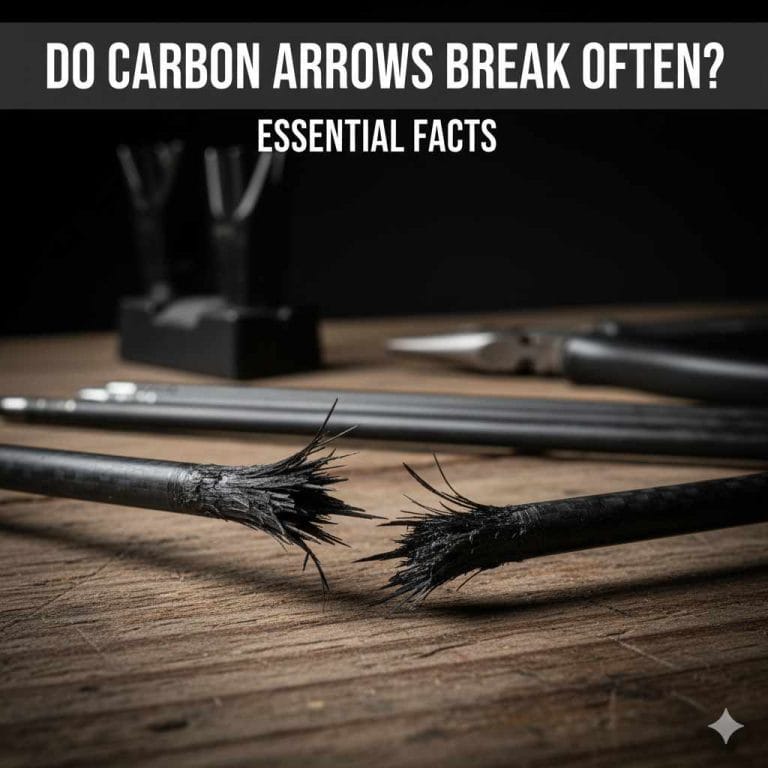
On the flip side, carbon arrows can be pricier, and they require a bit more care. For example, you need to inspect them regularly for cracks or splinters, as a damaged carbon arrow can be dangerous to shoot. I learned this the hard way when I didn’t check one closely enough and it cracked mid-shot—scary stuff! But with proper care, carbon arrows are a fantastic option for recurve archers.

Key Differences Between Aluminum and Carbon Arrows
So, what sets these two apart? I’ve put together a table to give you a quick side-by-side comparison, based on my experience with both types of arrows.
| Feature | Aluminum Arrows | Carbon Arrows |
|---|---|---|
| Material | Aluminum metal | Carbon fiber |
| Weight | Slightly heavier | Lighter, faster |
| Durability | Can bend but durable for regular use | Very durable, but can crack or splinter |
| Cost | More affordable | Generally more expensive |
| Diameter | Larger diameter, more air resistance | Smaller diameter, better for wind resistance |
| Spine Range | Wide range, easy to match to bow | Wide range, but more sensitive to tuning |
| Repairability | Can sometimes be straightened if bent | Cannot be repaired if cracked |
| Best For | Beginners, target shooting, budget-conscious | Competitive shooting, outdoor ranges |
This table sums up the big differences, but let’s dig deeper into the factors that matter most when choosing between aluminum and carbon arrows.
Performance: Speed, Accuracy, and Distance
When I’m out on the range, performance is everything. I want my arrows to fly straight, hit the target hard, and perform consistently shot after shot. Both aluminum and carbon arrows can deliver, but they shine in different ways.
Aluminum arrows are a bit heavier, which can make them slower than carbon arrows. But that weight can be a good thing for recurve archers. The extra mass helps stabilize the arrow in flight, which is great for indoor shooting or shorter distances (like 18 meters). I’ve found that aluminum arrows are incredibly accurate for target archery because of their consistency. Every arrow in a set is almost identical, so you don’t have to worry about one flying differently from the rest.
Carbon arrows, on the other hand, are all about speed. Their lighter weight means they zip out of the bow faster, which is a huge advantage for outdoor shooting or longer distances (like 50 or 70 meters). I noticed a big difference when I used carbon arrows for field archery—the smaller diameter and faster speed helped them cut through windy conditions and still hit the mark. However, carbon arrows can be a bit trickier to tune to your bow, so you’ll need to spend some time getting the spine and point weight just right.
In my experience, if you’re shooting for precision at shorter ranges, aluminum arrows are hard to beat. But if you’re aiming for speed and performance at longer distances, carbon arrows take the lead.
Durability and Maintenance
Let’s talk about durability because, trust me, arrows take a beating! I’ve lost count of how many arrows I’ve damaged over the years, either from bad shots or just wear and tear. Both aluminum and carbon arrows are durable, but they handle damage differently.
Aluminum arrows are tough, but they can bend if you hit something hard, like a rock or a metal target frame. I’ve had a few arrows get a little wonky after a bad shot, but the good news is that you can sometimes straighten them out with the right tools. Maintenance is pretty straightforward—just check for bends and clean them off after shooting. They’re forgiving for beginners who might not always hit the target dead-on.
Carbon arrows are like the superheroes of durability. They don’t bend; they’re built to withstand a lot of abuse. But here’s the catch: if a carbon arrow gets damaged, it’s usually game over. A crack or splinter means the arrow is unsafe to shoot. I make it a habit to flex my carbon arrows and listen for any cracking sounds before every session. It’s a small step, but it’s saved me from potential disasters. Carbon arrows also need to be stored carefully to avoid crushing or puncturing, which can weaken the shaft.
In short, aluminum arrows are more forgiving for minor damage, while carbon arrows are tougher overall but require diligent inspection to ensure they’re safe.
Cost and Accessibility
Let’s be real—archery isn’t a cheap hobby, and arrows are a big part of the cost. When I was starting out, I was always looking for ways to save a few bucks without sacrificing quality. Aluminum arrows were my saving grace. They’re generally more affordable than carbon arrows, especially for entry-level or mid-range models. A decent set of aluminum arrows can cost anywhere from $50 to $100 for a dozen, depending on the brand and quality.
Carbon arrows, on the other hand, tend to lean toward the pricier side. A good set can run you $80 to $150 or more for a dozen. That said, you can sometimes find budget-friendly carbon arrows, but they might not have the same consistency or durability as higher-end models. I’ve learned that investing in quality arrows pays off in the long run, especially if you’re shooting competitively.
Both types of arrows are widely available, whether you’re shopping at a local archery store or online. Brands like Easton, Gold Tip, and Carbon Express offer great options for both aluminum and carbon arrows, so you won’t have trouble finding something that fits your recurve bow.
Tuning and Customization
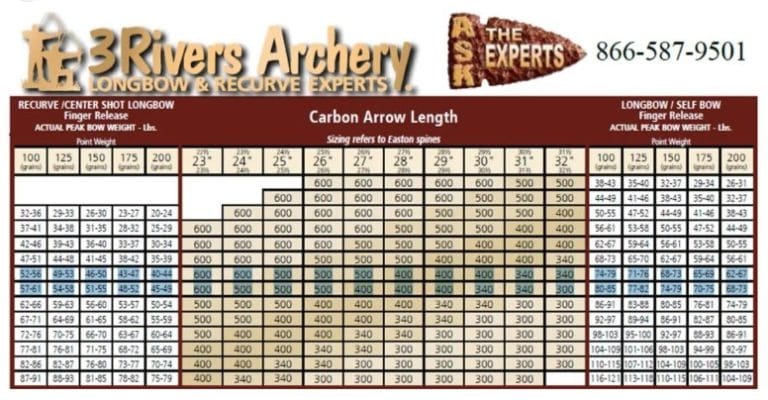
One thing I’ve learned over the years is that tuning your arrows to your bow is critical. If your arrows aren’t properly matched to your recurve bow’s draw weight and draw length, you’re going to have a bad time. Both aluminum and carbon arrows can be tuned, but they each have their quirks.
Aluminum arrows are super easy to tune because they come in a wide range of spine sizes and lengths. You can also cut them to your preferred length and add different point weights to fine-tune their performance. I spent a lot of time experimenting with different point weights on my aluminum arrows to get them flying just right, and it was a straightforward process.
Carbon arrows are a bit more finicky. They also come in a range of spine sizes, but their lighter weight and smaller diameter mean small changes in setup can make a big difference in flight. I’ve had to be extra precise when tuning carbon arrows, especially when it comes to nock fit and fletching. But once you get them dialed in, they perform like a dream.
Both types of arrows allow for customization with fletchings, nocks, and points, so you can tailor them to your shooting style. I like to play around with different fletching sizes to see what works best for my recurve bow—bigger fletchings for stability or smaller ones for speed.
Which Is Better for Beginners?
If you’re new to archery, you’re probably wondering which arrow is best for getting started. I remember being in your shoes, overwhelmed by all the choices! In my opinion, aluminum arrows are the way to go for beginners. They’re affordable, forgiving, and easy to tune, which makes them perfect for learning the ropes. You can focus on improving your form without worrying about breaking the bank or dealing with complex maintenance.
That said, if you’re planning to stick with archery for the long haul, carbon arrows are worth considering as you progress. They’re a bit more of an investment, but their speed and durability make them ideal for advancing your skills, especially if you’re eyeing outdoor or competitive shooting.
My Personal Experience: What I’ve Learned
Over the years, I’ve shot both aluminum and carbon arrows, and each has its place in my quiver. When I’m practicing indoors or teaching a friend, I grab my aluminum arrows. They’re reliable, budget-friendly, and perfect for honing my accuracy. But when I’m out in the field or competing at longer ranges, I switch to carbon arrows. Their speed and wind-cutting ability give me an edge, especially on windy days.
One thing I’ve learned is that there’s no one-size-fits-all answer. Your choice depends on your goals, budget, and shooting environment. If you’re shooting for fun or just starting out, aluminum arrows are a safe bet. If you’re chasing performance and don’t mind the extra cost and maintenance, carbon arrows are fantastic.

Conclusion
After spending years shooting both aluminum and carbon arrows, I can confidently say that both have their strengths. Aluminum arrows are like the trusty old pickup truck of archery—reliable, affordable, and great for everyday use. Carbon arrows are more like a sleek sports car—fast, high-performing, but requiring a bit more care and investment.
Think about what you want from your archery experience. Are you shooting for fun at the local range? Aluminum might be your best friend. Are you aiming to compete or shoot long distances in tricky conditions? Carbon could be the way to go. Whatever you choose, make sure to match your arrows to your recurve bow and spend some time tuning them. Trust me, it’s worth the effort.
At the end of the day, archery is about finding what feels right for you. Grab a few of each type, hit the range, and see which one makes you smile when you hit that bullseye. Happy shooting!
FAQs
Are aluminum arrows safer than carbon arrows?
Aluminum arrows are generally considered safer for beginners because they don’t splinter like carbon arrows can. If a carbon arrow cracks and you shoot it, it could shatter, which is dangerous. That’s why I always check my carbon arrows for damage before shooting. Aluminum arrows might bend, but they’re less likely to break catastrophically.
Can I use the same arrows for both recurve and compound bows?
In most cases, yes, but it depends on the arrow’s spine and your bow’s setup. I’ve used both aluminum and carbon arrows with my recurve and compound bows, but you need to make sure the spine matches your bow’s draw weight and draw length. Always double-check with a pro shop or tuning guide to be safe.
How often should I replace my arrows?
It depends on how much you shoot and how well you care for them. I replace my aluminum arrows if they get bent beyond repair or start showing wear. For carbon arrows, I replace them if I spot any cracks or splinters. With regular use, I usually replace my arrows every year or two, but if you shoot a lot, you might need to replace them sooner.
Are carbon arrows worth the extra cost?
For me, carbon arrows are worth it if you’re shooting competitively or at longer distances. Their speed and wind resistance are hard to beat. But if you’re just shooting for fun or on a tight budget, aluminum arrows are plenty good. It’s all about what fits your needs and wallet.
How do I know if my arrows are properly tuned?
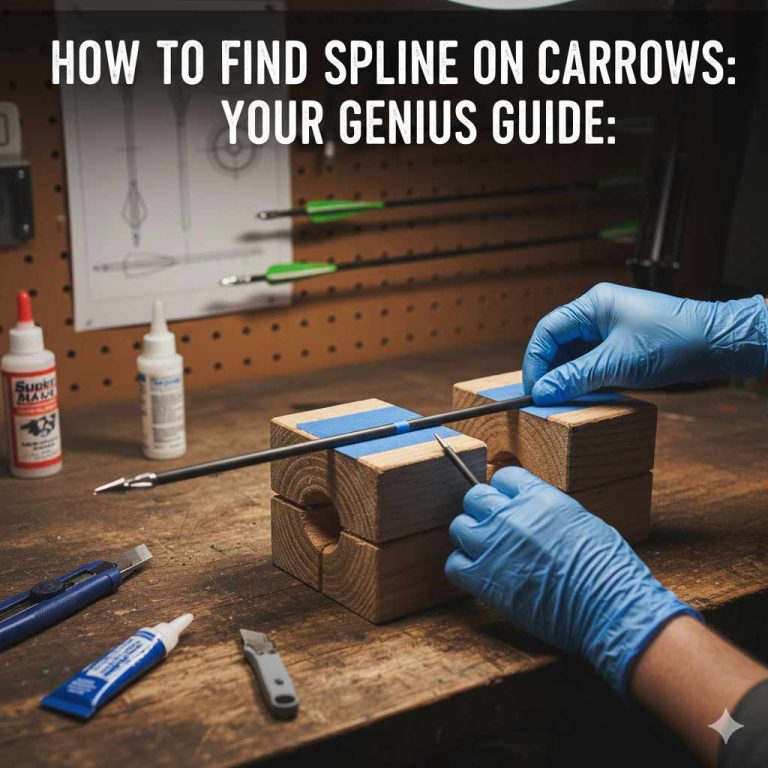
Tuning takes some trial and error, but I start by checking my arrow’s spine against my bow’s draw weight. Then, I shoot a few arrows and watch how they fly. If they’re wobbling or not hitting where I aim, I adjust the point weight or nock position. If you’re new to tuning, I recommend asking a coach or pro shop for help—it makes a huge difference!
Related pick: Check today's price on Amazon