Best 3D Arrows: Genius Flight Control
Mastering the best 3D arrows is key for precise flight control in archery. Choosing the right arrow, understanding its components, and proper setup will dramatically improve your accuracy and consistency, transforming your shooting experience.

As an Amazon Associate I earn from qualifying purchases.
Ever feel like your arrows have a mind of their own? You aim carefully, draw smoothly, and release cleanly, but the arrow veers off target. It’s a common challenge for archers, especially those new to the sport or looking to improve their accuracy in 3D archery. The frustration of inconsistent shots can be disheartening. But what if I told you that the secret to better flight control lies right in your hands – specifically, in the arrows you choose and how you use them? This guide will break down everything you need to know about selecting and using the best 3D arrows to achieve genius flight control. Get ready to lock in your aim and watch your arrows fly true!
Understanding the Basics: What Makes an Arrow Fly Straight?
Before we dive into the specifics of 3D arrows, let’s quickly touch on the fundamental principles of arrow flight. Think of an arrow like a tiny rocket; for it to go where you want it to, it needs to be stable and balanced. Several factors contribute to an arrow’s flight path, and understanding these will help you appreciate why different arrows perform differently.
- Straightness: An arrow that isn’t perfectly straight will wobble as it flies, creating unpredictable deviations.
- Weight: The weight of the arrow affects its speed and how it handles wind. Heavier arrows are generally less affected by wind.
- Stiffness (Spine): This is crucial. The stiffness of the arrow shaft needs to match the draw weight of your bow and your shooting style. An incorrectly spined arrow will bend excessively upon release, causing it to fishtail or porpoise mid-flight.
- Fletching: These are the “feathers” or “vanes” at the back of the arrow. They act like the tail of a kite, stabilizing the arrow in flight and correcting any slight wobbles.
- Balance (Center of Gravity): The balance point of the arrow, influenced by the point weight and the shaft itself, also plays a role in its stability.

The Heart of the Matter: Choosing the Best 3D Arrows
For 3D archery, where accuracy at various distances is paramount, selecting the right arrow is non-negotiable. We’re not just picking any arrow; we’re choosing a tool that will work in harmony with your bow and your shooting technique. Let’s break down the key characteristics to look for.
Shaft Material: The Bedrock of Your Arrow
The material your arrow shaft is made from significantly impacts its durability, weight, stiffness, and overall performance. For 3D archery, you’ll primarily encounter a few main types:
- Carbon: This is the most popular choice for 3D archery today. Carbon arrows are lightweight, strong, and relatively stiff. They resist bending and maintain their straightness well, offering excellent consistency. They are also quite durable, capable of withstanding impacts better than aluminum.
- Aluminum: While once the standard, aluminum arrows are less common in competitive 3D now. They are heavier than carbon and can bend or dent upon impact, which can permanently affect their flight. However, they are known for their consistency in spine and straightness out of the box.
- Composite (Carbon-Aluminum): These arrows combine the benefits of both materials, offering excellent straightness and durability. They tend to be more expensive but provide top-tier performance.
For beginners and most 3D archers, carbon arrows offer the best all-around performance, durability, and value. They are forgiving and perform consistently.
Spine: The Unsung Hero of Flight Control
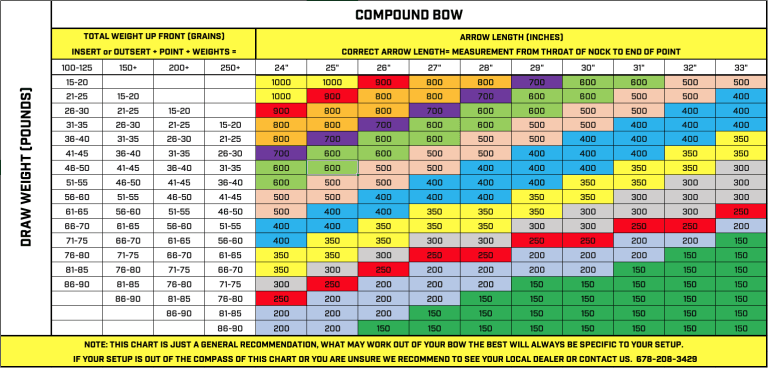
This is perhaps the MOST critical factor for arrow flight. Spine refers to the stiffness of the arrow shaft. When you draw and release your bow, the arrow flexes around the riser (the handle part of the bow). If the arrow is too stiff, it won’t flex enough, leading to erratic flight. If it’s too weak, it will over-flex, causing dangerous “arrow kick” or porpoising. The correct spine depends on:
- Bow’s Draw Weight: A higher draw weight requires a stiffer arrow.
- Arrow Length: Longer arrows are weaker (more flexible), and shorter arrows are stiffer.
- Point Weight: Heavier points on the arrow make it effectively weaker, as they increase the leverage acting on the shaft.
Most arrow manufacturers provide spine charts on their websites. You’ll input your bow’s draw weight, your required arrow length, and the point weight you intend to use, and the chart will tell you the recommended spine rating for that arrow model. Always consult these charts or your local pro shop for the most accurate selection.
Weight: Speed vs. Stability
Arrow weight is measured in grains per inch (GPI). Generally:
- Lighter Arrows: Fly faster, resulting in a flatter trajectory and less arrow drop over distance. This can be advantageous in 3D, where you need to estimate distances accurately. However, lighter arrows are more susceptible to wind drift.
- Heavier Arrows: Fly slower, have a more noticeable arc, and are less affected by wind. They also deliver more kinetic energy on impact, which is good for hunting but less of a primary concern for target accuracy in 3D, though it contributes to stability.
For 3D, a balance is often sought. Many archers opt for arrows in the medium-to-heavy range for better wind resistance and stability, while still maintaining good speed. A GPI between 7-9 is a common sweet spot for many 3D setups.
Fletching: Guiding Your Arrow Home
Fletching stabilizes the arrow in flight by creating drag. You’ll see either traditional feathers or modern synthetic vanes.
- Feathers: Offer excellent broadhead flight and are traditional. They are forgiving and can adapt to cleat pressure. However, they can be damaged by moisture and rough handling.
- Vanes: Modern synthetic vanes are durable, waterproof, and come in various shapes and sizes. For 3D archery, vanes are generally preferred due to their durability and consistency.
For 3D, larger vanes (around 3 or 4 inches) and higher profile vanes can offer more stabilization, especially in windy conditions. You’ll also find options for straight or helical (curved) fletching. Helical fletching spins the arrow more, aiding in stabilization.
Components: The Fine-Tuning Details
The various parts that make up your arrow need to be chosen carefully to ensure they work together:
1. Points/Blunts (Field Points):
These are screwed into the front of the arrow shaft. For 3D, you’ll primarily use field points. The weight of the point is critical for tuning (as we discussed with spine). Common weights range from 75 to 125 grains. Heavier points generally improve stability and wind resistance but require a stiffer arrow or a shorter arrow length. Experimenting with point weight can help fine-tune your arrow’s flight.
2. Nocks:
The nock fits onto the back of the arrow and into the bowstring. They come in different sizes to match your arrow shaft’s inner diameter. Ensure your nocks fit snugly but not too tightly on your string. Some nocks are designed to be “capture nocks” that hold the string better, offering more consistent alignment. Blazer vanes or similar smaller, stiff vanes are very popular in 3D for their durability and less contact with the bow shelf.
3. Inserts:
These are small adapters that screw into the end of the arrow shaft, providing a secure thread for field points or other points. They also add a little weight to the front of the arrow. Choose inserts compatible with your arrow shaft’s inner diameter.
Putting It All Together: Building Your 3D Arrow Arsenal
Now that we understand the components, let’s talk about how to assemble the best 3D arrow and some popular choices. Remember that the “best” arrow is ultimately the one that shoots best from your bow.
Popular 3D Arrow Choices and Considerations
While specific models change, certain brands and arrow types are consistently favored in 3D archery for their performance characteristics. These often offer a good balance of weight, straightness, and durability.
Here’s a table of commonly sought-after characteristics in 3D arrows:
| Characteristic | Ideal for 3D Archery | Why? |
|---|---|---|
| Shaft Material | Carbon or Carbon/Aluminum Composite | Durability, consistent straightness, good weight options. |
| Spine | Correctly spined for your bow and draw length | Essential for stable, predictable arrow flight. Prevents fishtailing. |
| Weight (GPI) | Medium to Heavy (e.g., 7-9 GPI) | Better wind resistance and stability, though slightly slower. |
| Fletching | Durable synthetic vanes (e.g., 2-3 inches), often slightly offset or helical | Consistent flight, waterproof, less contact with bow shelf. |
| Point Weight | 100-125 grains (often) | Adds consistency and stability to the front of the arrow. |
Some highly regarded brands known for quality 3D arrows include Easton, Victory Archery, Gold Tip, andbeiter. These brands typically offer a range of models designed for target archery, which translates well to 3D.
For example, Easton’s FMJ (Full Metal Jacket) series, while often seen in hunting circles, can be excellent for 3D due to their weight and durability. Their Axis and Pro Comp lines are very popular for target and 3D. Victory Archery’s VAPs (Victory Armour Piercing shafts) are known for their extreme durability and tight tolerances, making them a favorite among elite 3D shooters. Gold Tip offers a variety of popular shafts like the XT 500 and Pro Hunter, known for their durability and consistency.
Tuning Your Arrows for Optimal Flight
Even the best arrows won’t fly perfectly if they aren’t tuned to your bow. Bow tuning is a process of making slight adjustments to your equipment to ensure your arrows leave the bow cleanly and consistently.
- Paper Tuning: A classic method. You shoot your arrow through a sheet of paper held a few feet in front of your bow. Tears in the paper tell you if your arrow is too stiff, too weak, or if there’s an issue with your rest or fletching contact. A clean hole is the goal. You can adjust to achieve this by changing point weight or, if possible, the arrow rest’s height.
- Bare Shaft Tuning: This involves shooting arrows without fletching alongside fletched arrows. If they fly together, your spine is likely correct.
- Walk-Back Tuning: You shoot at progressively farther targets and observe how the arrows group. This helps diagnose nock-travel issues.
- Arrow Rest Adjustment: The arrow rest’s height and levelness are critical. Even a slight misalignment can cause porpoising. Most modern rests allow for micro-adjustments.
- Broadhead Tuning (Not for 3D, but related): If you were hunting, you’d also tune with your broadheads to ensure they fly like field points.
Crucially, if you’re a beginner, seek advice from an experienced archer or a pro shop for tuning. Improper tuning can not only affect accuracy but also be dangerous. For a deeper dive into bow tuning, resources from organizations like the USA Archery often provide valuable insights into equipment setup and performance.
Achieving Genius Flight Control: Tips and Tricks
Beyond selecting the right arrows, a few practices can significantly enhance your flight control:
- Consistency is Key: Every aspect of your shot process – grip, stance, anchor point, draw, and release – needs to be as consistent as possible. Your arrows can only fly as straight as your shooting form allows.
- Practice at Various Distances: 3D courses have targets at unknown distances. Practice shooting at 10, 20, 30, and 40 yards, and beyond if your equipment allows. This helps you develop good range estimation skills and understand your arrow’s trajectory.
- Focus on the Release: A clean, surprise release is vital. Avoid “punching” the trigger or consciously trying to guide the arrow. Let your release aid do the work smoothly.
- Wind Management: Wind is a significant factor in 3D. Heavier arrows and vanes with more surface area can help. When shooting in wind, focus on your aiming point relative to the wind direction. Practice reading the wind and making appropriate adjustments. For instance, if there’s a crosswind coming from the left, you’ll need to aim slightly to the right of the target.
- Maintain Your Equipment: Regularly check your arrows for damage like cracks or bent nocks. Ensure your fletching is in good condition. A damaged arrow can fly erratically and is dangerous.
- Know Your Trajectory: Understand how much your arrows drop at different distances. Most modern archery sights have adjustable pins for this purpose. Practice sight marks for common 3D distances.

Frequently Asked Questions About 3D Arrows
Q1: What is the best arrow spine for a beginner in 3D archery?
A: The best spine depends entirely on your bow’s draw weight and your draw length. Always use an arrow manufacturer’s spine chart. For a typical beginner’s recurve or compound bow (e.g., 40-50 lbs draw weight), you’ll likely be looking at mid-range spines like 400 or 500 for carbon arrows, but this is a general guide. It’s best to confirm with a chart or expert.
Q2: How important is arrow weight for 3D archery?
A: Arrow weight is important for stability and wind resistance. While lighter arrows are faster with a flatter trajectory, heavier arrows generally handle wind better and offer more consistent flight at longer distances. Many 3D shooters find a balance in the 7-9 grains per inch range.
Q3: Should I use feathers or vanes for 3D archery?
A: For 3D archery, synthetic vanes are usually preferred. They are more durable, water-resistant, and less prone to damage than feathers. Smaller, stiffer vanes like Blazers are very popular due to their stability and minimal contact with the bow shelf.
Q4: How much does a good set of 3D arrows cost?
A: A good quality set of 3D arrows (a dozen) made of carbon can range anywhere from $80 to $200 or more. High-end, specialized arrows used by competitive shooters can cost even more. As a beginner, investing in a reliable mid-range set is a great starting point.
Q5: What is ‘arrow paradox’ and how does it relate to arrow flight?
A: The arrow paradox is the phenomenon where a flexible arrow bends or “bricks” around the bow riser during the shot, then straightens out as it travels. Proper spine and a well-tuned arrow rest help minimize the erratic movement associated with the paradox, leading to more stable flight.
Q6: Can I use the same arrows for hunting and 3D archery?
A: You can, with some considerations. For hunting, broadheads are used, which require specific tuning to fly like field points. Also, hunting arrows are often built for maximum kinetic energy, sometimes being heavier than optimal for pure 3D target accuracy. However, many arrows are versatile enough for both disciplines if tuned correctly.
Conclusion: Your Path to Pinpoint Accuracy
Choosing and using the best 3D arrows is a journey towards mastering your archery skills. By understanding the role of shaft material, spine, weight, and fletching, you can select arrows that work perfectly with your bow. Remember that proper tuning, consistent shooting form, and practice are equally important. Don’t be discouraged by initial challenges; every experienced archer started as a beginner. Take your time, learn from your shots, and most importantly, enjoy the process. With the right arrows and dedicated practice, you’ll be well on your way to achieving that genius flight control and hitting your targets with confidence and precision.
Related pick: Check today's price on Amazon