How to Adjust Compound Bow Draw Weight: ~2 lbs Per Turn
Turn the limb bolts clockwise to raise the draw weight on a compound bow, counterclockwise to lower it, and expect roughly 2 pounds of change per full turn on each bolt. Adjust both limb bolts equally and in small steps, since an uneven turn throws off balance and can damage the limbs. This guide covers the tools you need, how to check your current draw weight, and the safety checks to run before and after every adjustment. If you specifically shoot a Hoyt, see our Hoyt-specific draw weight walkthrough for model details and turn limits. For more on this, see our guide on Is an AO Scope Good for Hunting? Pros, Cons, and Expert Tips.
Understanding Draw Weight
Draw weight is the force needed to pull back a bowstring. It affects how far and fast an arrow travels. Knowing the right draw weight is important for accuracyand comfort. Bows with higher draw weights shoot arrows faster. But they can be harder to pull. Lower draw weights are easier on the arms. They are good for beginners. Always choose a draw weight you can handle easily. It helps in enjoying archery without straining.
Adjusting draw weight is simple. Most bows have adjustment bolts. Turn these bolts to change the weight. Make small changes and test. This way, you find the most comfortable setting. Remember, practice makes perfect. Spend time understanding your bow. A well-set draw weight makes a big difference. It improves both accuracy and enjoyment.
Tools Needed
Changing the draw weighton a compound bow is easy with the right tools. First, you need an Allen wrench. This tool helps you adjust the bow’s limbs. Make sure the wrench fits your bow. Next, a bow scaleis important. It measures the draw weight. This ensures you adjust correctly. A bow pressmight be needed. It holds the bow safely. Not all adjustments need a bow press. Lastly, keep a notepadhandy. Record your adjustments. This helps track your changes. Always have these tools ready. They make the process simple and safe.
Best Bow Scale Pick
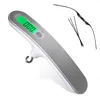
Digital Bow Scale for Draw Weight – $12.99
This guide lists a bow scale as essential for measuring draw weight correctly — this digital model reads up to 110 lbs on an LCD display.
- Best for: checking your current draw weight before making any limb-bolt adjustments
- Why we picked it: digital readout removes the guesswork of an analog scale
- Main drawback: still needs a steady, slow pull for an accurate reading
Compare more draw-weight adjustment tools
 Option 1 Allen Wrench Set + Holster – $20.73
|  Option 2 Portable Bow Press – $34.99
|  Option 3 Bowstring Wax – $4.99
|
As an Amazon Associate we earn from qualifying purchases.
Safety Precautions
Changing the draw weight on a compound bow needs care. Safety is very important. Make sure the bow is not loaded. Check the bowstring and limbs for damage. Always use proper tools for adjustments. Avoid changing the weight too fast. It can harm the bow. Adjust in small increments for safety. Wear protective gear like gloves. This helps prevent injuries. Keep children away while adjusting. Ensure a clear area around you. This avoids accidents. Follow the bow’s instruction manual. It gives specific guidance. Stay focused and take your time. Rushing can lead to mistakes. Always recheck the bow after changes. This ensures it’s safe for use.
Checking Current Draw Weight
Check the label on the bow. It shows the current draw weight. You can also use a bow scale. This tool measures the draw weight. Hold the bow and pull the string. The scale shows the weight as you pull. Make sure the bow is steady. This helps in getting an accurate reading. If you have no scale, visit an archery shop. They have the tools to check the draw weight. Knowing the current weight is important. It helps in making the right adjustments.
Always remember, draw weight affects accuracy. It also impacts the comfort of shooting. Ensure the weight is right for you.
Adjusting Limb Bolts
The limb bolts are key parts on your compound bow. You will find them near the bow’s limbs. These bolts connect the limbs to the riser. Use your eyes to spot them. They are usually big and easy to see. Bolts are often black or silver. Knowing their location is the first step. This helps you adjust the draw weight. Proper adjustment makes your bow work better. Safe and smart use is vital.
Turning the limb bolts changes the draw weight. Turn clockwise to increase it. Turn counter-clockwise to decrease it. Each turn is small. Small turns are important. Big turns can harm the bow. Use a wrench to turn the bolts. Careful turns keep the bow safe. Check the weight after each turn. Testing is a good practice. A scale can help with testing. Turning carefully helps you get the right weight.
Testing Adjustments
Adjusting the draw weight on a compound bow involves turning the limb bolts. Turn clockwise to increase weight, counterclockwise to decrease. Ensure both bolts are adjusted equally for balance.
Using A Bow Scale
A bow scale helps check the draw weight. Attach the scale to your bowstring. Pull the string back slowly. Read the number on the scale. This number is your draw weight. Make sure the scale is steady. If it shakes, you might get a wrong number. Always check the draw weight twice. This helps keep your bow safe.
Ensuring Consistency
Consistency is very important. Each time you pull the string, it should feel the same. If it feels different, check the settings again. Use the same grip every time. Keep your hands in the same place. This helps your aim. Practice makes perfect. Repeat these steps often. Your bow will work better, and you will shoot better.
Fine-tuning For Comfort
Having the right draw weightmakes a big difference. It affects your shooting comfort and accuracy. Try pulling the bowstring back. See how it feels. Is it easy or hard? This test helps find the best weight for you. Remember, the right draw weight should feel smoothbut not too easy.
Adjusting the draw weight is simple. Use an Allen wrenchfor this task. Turn the limb bolts. Clockwise increases the weight. Counter-clockwise decreases it. Make small adjustments each time. Check your aim after each change. This ensures better precisionand comfort. Always be careful and patient.

Credit: www.archerytalk.com
Maintenance Tips
Check your bow often. Look for cracks or damaged parts. Worn-out strings can break. Replace them quickly. Loose bolts can cause problems. Tighten them firmly. Inspect the limbs for any bends. Bent limbs affect accuracy.
Use a good lubricant. Apply it to moving parts. Lubricate the cables and pulleys. This helps them move smoothly. Avoid excess lubricant. It attracts dirt. Dirt can damage the bow.
Troubleshooting Common Issues
Adjusting the draw weight on a compound bow involves turning the limb bolts. Use an Allen wrench for precise adjustments. Make sure to turn each bolt equally to maintain balance and ensure safety.
Identifying Problems
Small problems can affect your compound bow. Strings might be loose. Check the camsfor damage. Inspect the limbs for cracks. A bow with uneven draw weightis hard to use. Look for frayed cablesor strings. Ensure the arrow restis stable. Check that all screws are tight. Loose parts can cause trouble. Regular checks help spot problems early. Fix issues before they grow. Keep your bow in top shape.
Seeking Professional Help
Sometimes problems need an expert. An experienced archery techniciancan help. They know how to fix bows. Problems can be complex. Experts have the right tools. They ensure your bow is safe. Professional help can save time. It can prevent damage. It’s wise to get expert advice. Especially for big issues. Trust a professional for tricky repairs. They keep your bow working well.

Credit: shootingcabin.com

Credit: www.wikihow.com
Frequently Asked Questions
What Tools Are Needed To Adjust Draw Weight?
To adjust the draw weight on a compound bow, you’ll need an Allen wrench set. This tool will help you loosen or tighten the limb bolts. Ensure you have the correct size for your bow’s limb bolts to make precise adjustments effectively.
Can Beginners Change Draw Weight Safely?
Yes, beginners can safely change draw weight with proper guidance. Start by understanding your bow’s manual. Adjust gradually and check the bow’s performance. If unsure, consult a professional at an archery shop to avoid potential damage.
How Does Draw Weight Affect Shooting?
Draw weight influences arrow speed and penetration. Higher draw weights increase power but require more strength. Lower draw weights are easier to handle, offering better control and accuracy for beginners. Choose a draw weight that suits your skill level and shooting purpose.
How Often Should Draw Weight Be Adjusted?
Adjust draw weight based on your physical strength and shooting goals. Regular assessment is crucial, especially if your strength changes or you switch targets. Ensure your bow is comfortable to draw, allowing for consistent performance.
Conclusion
Changing the draw weight on a compound bow is straightforward. Follow the steps carefully for best results. Start by checking your bow’s manual. Next, adjust the limb bolts evenly. Ensure the bow maintains its balance. Test the bow after adjustments.
See if the new weight feels comfortable. Make small changes if needed. Regular practice is important to adapt. The right draw weight enhances your shooting skills. It also boosts your confidence. Enjoy your archery journey with your optimized bow. Happy shooting!