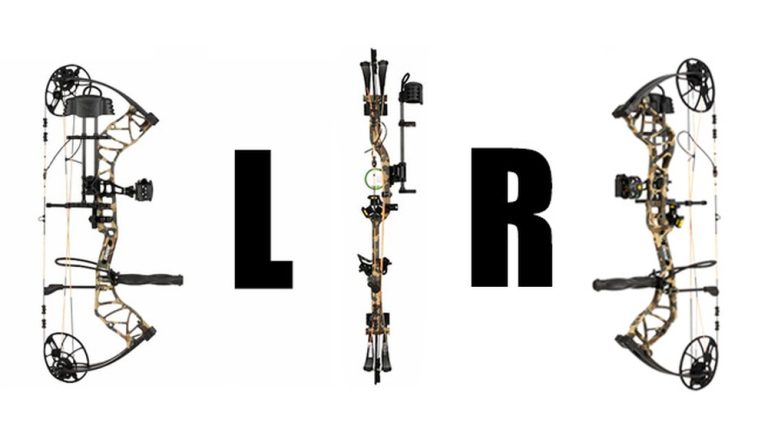
Are Arrows More Affective at Point Blank: Myth or Reality?
Have you ever wondered if arrows are more effective at point blank range? It’s a question that might not cross your mind every day, but it’s one that sparks curiosity once it does. For more on this, see our guide on Is Baby Standing Bowed Legs True? Myths vs. Medical Facts. For more on this, see our guide on Are There Better Bows for Leveling Than Hurrcan WoW Classic.

BOWSOUL
BOWSOUL 31“ Archery Arrows Training Practice Target…
- 【Product details】6mm fiberglass arrow shaft.; Length: 30inch arrow Shaft / 31inch full arrow. Weight: 30g each of arrow.
- 【Arrow vanes】2.5inch high elasticity rubber vanes, Multiple colors to choose from. If it deforms after use, it can be restored wit…
- 【Nocks&Point】Arrow nocks and points fixed with glue. This can protect the arrow shaft and make it more durable. The nocks use mate…
As an Amazon Associate I earn from qualifying purchases.
Picture this: you’re in the middle of an intense archery session or perhaps imagining a thrilling historical battle scene. Suddenly, the thought hits you – does the closeness of your target really change the power of your shot? You want to know, because understanding this could transform the way you view archery or even enhance your strategic thinking.
We’ll unravel the surprising truths about arrow dynamics and distance, giving you insights that could change how you approach your next archery challenge. Keep reading to discover how distance can alter effectiveness and what that means for your skills and strategies.
Credit: hipkneeinfo.org
Historical Perspectives On Arrow Use
Ancient people used bows and arrows in hunting and war. Archers trained for many years to become skilled. They aimed carefully and shot arrows from far away. Some archers used special techniques to shoot arrows fast. They held many arrows in one hand for quick use. It was important to have strong and straight arrows. This made them fly better and hit the target.
Arrows were important in many cultures. Warriors used them in battles and for protection. Arrows were also symbols of power and skill. Some tribes had special ceremonies with arrows. They believed arrows brought good luck and safety. Many stories and legends talked about brave archers. Arrows were not just tools; they were a part of life and history.
Physics Of Arrow Impact
Arrows fly fast. Their speedchanges how hard they hit. At point blank, arrows move with maximum velocity. This creates strong impact. The arrow’s speed affects its forceand strength. Faster arrows have more force. This makes them hit harder. The bow plays a role too. A strong bow can make arrows faster. This boosts their power at close range.
Arrows can pierce deeply at point blank. Their penetration poweris high. Close distance means less air resistance. The arrow stays strong and steady. It can go through tough materials. The arrowhead shape matters. Sharp arrowheads pierce better. Heavy arrowheads add weight. This helps with deeper penetration. Close range impacts are more effective. The arrow uses all its energy.
Comparative Analysis: Arrows Vs. Other Projectiles
Arrows are silent. Bullets make loud noise. Arrows can be reused. Bullets can’t. Arrows move slower. Bullets are fast. Arrows can pierce armor. Bullets can too. Arrows need skill to aim. Bullets do too. Arrows are good for stealth. Bullets are not. Arrows have long history. Bullets are new.
Arrows are quiet in the forest. Animals don’t hear them. Arrows can be recovered. Bullets are lost after use. Arrows require practice. Hunters must learn to aim well. Arrows don’t scare other animals. Bullets can cause panic. Arrows are part of tradition. Many hunters prefer them. Arrows are less harmful to environment.

Credit: westernhunter.net
Modern Archery Equipment
Modern archery equipment enhances precision and power, especially at close range. Arrows can penetrate targets effectively, showcasing their strength and accuracy. Understanding their impact at point blank is crucial for archers seeking optimal performance.
Advancements In Bow Technology
Bows today are stronger and faster. They are made with new materials. Carbon fibers and composite materials are popular. Bows can shoot arrows farther now. They are also more accurate. Adjustable sights help aim better. Stabilizers keep bows steady. Cam systems make pulling easy. Archers can now shoot with less effort.
Material Innovations In Arrow Design
Arrows are lighter and tougher now. Aluminum and carbon are used for arrows. These materials do not break easily. Fletching on arrows helps them fly straight. Broadheads are sharp and cut through targets. Nocks make arrows fit snugly on the string. Arrows can fly faster and hit harder. Point blank shots are more powerful with these arrows.
Mythbusters: Debunking Common Beliefs
Arrows are not always accurate at close range. Many believe they are. But arrows need room to fly straight. At point blank, they struggle to stabilize. This can affect precision. Bowstrings are also tight. This makes aiming harder. Bow size matters too. Larger bows can be hard to control up close. Small bows might be easier.
Real-world tests show mixed results. Professionals sometimes miss at close range. Practice can help improve accuracy. But even skilled archers face challenges. Wind and movement can impact the arrow’s path. Understanding these factors is key. So point blank shots aren’t always best. It’s important to know your bow and arrow.
Expert Opinions And Case Studies
Experts and case studies explore whether arrows are more effective at point blank range. Insights reveal intriguing perspectives on the impact and accuracy of arrows when used up close. These findings challenge traditional views and offer fresh understanding on arrow effectiveness in close combat.
Testimonials From Archery Professionals
Archery professionals often say arrows are very powerfulat close range. Their speed and force can be surprising. An expert named John said, “Arrows hit harder up close.” Another professional, Sarah, mentioned, “Short distance makes arrows more deadly.” They agree on the impact of arrows. Close range is a key factor. Many archers practice for such situations. They focus on accuracyand control. These skills are vital. Many say they feel more confident when shooting from a short distance.
Case Studies In Practical Applications
A study showed arrows are often more effectiveup close. In one case, hunters used arrows in dense woods. The arrows worked better there. Another study focused on target practice. Archers found close shots more accurate. The arrows flew true and fast. Results showed improved precisionat short range. Archery schools use these studies to train students. They teach about the power of close shots. Many students find this information useful. It helps them become better archers.
Safety Considerations In Archery
Archery requires careful attention to safety, especially with arrows at close range. Arrows can cause severe injuries at point blank. Always maintain a safe distance and ensure proper handling to prevent accidents.
Risks Of Point Blank Shooting
Shooting arrows at point blank can be dangerous. Arrows travel very fast. This makes it hard to stop them. At close range, arrows can cause serious harm. They can hurt people or damage things. It’s important to keep a safe distance. Always aim away from people and animals. Never shoot if someone is nearby. The arrow might not go where you want. Safety must come first in archery.
Best Practices For Safe Archery
Always wear protective gear like arm guards. Keep the shooting range clear. Practice in designated areas only. Check your bow and arrows before use. Make sure they are not damaged. Never shoot damaged arrows. They can break and cause injury. Follow the rules of the archery range. Listen to instructors if you have them. Stay focused and alert while shooting. Safety is everyone’s responsibility.
Credit: pointblankrange.com
Does Close Range Mean More Accuracy?
Not automatically. Point blank removes much of the flight time, but it does not remove aiming error, arrow setup problems, or release mistakes. A shot can still drift if the bow is held poorly, the arrow does not leave the string cleanly, or the target is not lined up with the bow’s natural point of aim. Close range can make the arrow’s path shorter, yet the release still has to be clean.
The best way to think about short distance is that it reduces some variables, not all of them. A stable stance, a smooth draw, and a consistent anchor point matter just as much at close range as they do farther out. If the setup is off, point blank can make the mistake more obvious because there is less time for the arrow to correct itself in flight. That is why accuracy and effectiveness are separate questions. A shot can be accurate but not penetrate well, or hit hard but still miss the most useful part of the target.
For better close-range results, focus on consistent form first. Keep the bow arm steady, release cleanly, and confirm that the arrow rests and nock fit the string correctly. Those details matter more than the simple fact that the target is close.
What Makes An Arrow Hit Harder?
An arrow hits harder when the bow sends more energy into the shaft and broadhead, and when the arrow carries that energy efficiently into the target. Bow power, arrow weight, arrowhead shape, and setup match all work together. A sharper point can start penetration sooner, while a poor match between arrow spine and bow can waste energy through poor flight or weak impact.
Short distance does not create new power by itself. It mainly preserves the energy the bow already gave the arrow. That is why a well-matched setup matters so much. If the arrow is too light, too stiff, or too weak for the bow, the shot may leave the string poorly and lose some of its usable force. If the broadhead or point is blunt, energy can spread out instead of driving forward.
To improve close-range impact, match the arrow to the bow, keep the arrow straight, and choose a point or head suited to the intended target. Clean arrow flight helps more than forcing extra speed. A shot that flies true usually transfers energy better than one that wobbles on the way in.
What Can Go Wrong Up Close?
Several problems can make a close shot worse instead of better. An overdraw can ruin form and throw the arrow off line. A poor spine match can cause the shaft to flex too much or too little, which hurts both accuracy and penetration. A target that is too hard or too close to the wrong kind of arrow setup can also cause bounce-through or shallow impact.
These failures matter because point blank shots leave little room for correction. If the arrow leaves the bow with a bad release or the rest is out of tune, there is not much distance for the flight to settle. The result can be a shot that looks powerful but performs poorly. Close range can also make unsafe rebounds more likely if the target material does not match the arrow type.
The safest fix is to treat close shots like any other shot: use proper form, inspect the equipment, and match the arrow to the bow and target. Check for bent shafts, damaged fletching, loose nocks, and poor broadhead alignment before shooting. A clean setup reduces the chance of a weak hit or a dangerous bounce-back.
Frequently Asked Questions
Are point-blank arrow shots always more accurate?
No. Short distance removes some of the arrow’s flight time, but it does not fix poor aim, bad release, or an untuned setup. Accuracy still depends on steady form, proper arrow fit, and a clean shot path.
What safety concerns apply to close-range bow shots?
Close shots can increase the chance of errant impacts, bounce-through, or rebound if the target or setup is wrong. Safe shooting starts with matched equipment, an undamaged arrow, and a target that suits the arrow type being used.
Are Arrows Effective At Point Blank Range?
Yes, arrows can be very effective at point blank range. At such close distances, the arrow’s velocity and impact force are maximized. This can lead to deeper penetration and more damage. However, the effectiveness also depends on the type of arrow and the bow’s draw weight.
What Factors Influence An Arrow’s Effectiveness?
Several factors influence an arrow’s effectiveness, including its speed, weight, and design. The bow’s draw weight and the archer’s skill also play crucial roles. At point blank range, these factors collectively determine the arrow’s penetration and impact.
How Does Arrow Speed Affect Impact?
Higher arrow speed increases impact force, leading to better penetration. At point blank range, the arrow travels faster, maximizing its impact. This is why speed is a crucial factor in an arrow’s effectiveness, especially in close-range scenarios.
Is Arrow Weight Important For Close Range?
Yes, arrow weight is important for close range effectiveness. Heavier arrows can deliver more kinetic energy upon impact. This results in increased penetration and damage, making weight a crucial factor for point blank effectiveness.
Conclusion
Arrows at point blank can be surprisingly effective. The close range increases their impact. Speed and precision make them powerful. Yet, it requires skill and practice. Archers must aim accurately for best results. Safety is crucial in such situations. Always ensure proper technique and equipment.
Remember, distance plays a key role. Not every scenario suits point blank shots. Consider your surroundings carefully. Evaluate the benefits and risks. Choose wisely based on your needs. Arrows have unique advantages in close encounters. Understanding their dynamics helps in making informed decisions.
Keep practicing for improved accuracy and confidence.
Related pick: Check today's price on Amazon