Is Bow a Fishing Term? Unraveling the Angler’s Vocabulary
Every hobby or profession has its own language. Fishing is no different. If you’ve ever talked to anglers or watched fishing shows, you might have heard the word “bow. ” But is “bow” actually a fishing term? Or is it something people borrow from other activities?
Many people get confused, especially if they’re new to fishing or learning English. This article explores what “bow” means in fishing, where it comes from, how it’s used, and why it matters. You’ll learn about the term’s real role in fishing, see examples, and get clarity on when and how to use it.
By the end, you’ll understand “bow” in the fishing world, avoid common mistakes, and feel more confident talking with other anglers.
The Meaning Of “bow” In General English
To understand if “bow” is a fishing term, it helps to know what “bow” means in everyday English. The word has a few different uses:
- Bow (noun): The front of a boat.
- Bow (verb): To bend forward, like when greeting someone.
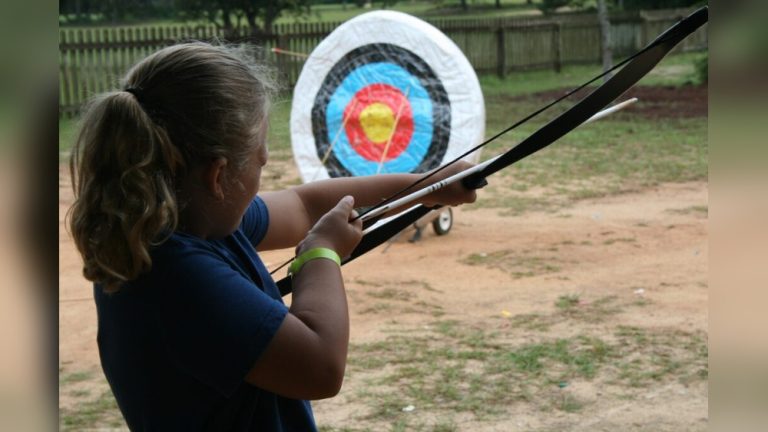
- Bow (noun, pronounced ‘boh’): A curved weapon for shooting arrows.
- Bow (noun, pronounced ‘bau’): A tied ribbon, like on a gift.
In the fishing world, the first meaning, the front of a boat, is most relevant. Anglers often fish from boats, and boat terms are common in fishing talk. But “bow” can mean more than just a boat’s front, depending on the context.
“bow” As A Fishing Term: The Core Uses
“Bow” is not a fishing-only word, but it’s used in several fishing situations. These include:
- Talking about the front of the boat
- Describing the curve in a fishing line
- Bowfishing (using a bow and arrow to catch fish)
Let’s look at each meaning in detail.
1. The Bow Of A Boat In Fishing
In boating, bow always means the front end. When anglers fish from boats, they often use this term. For example:
- “Cast your line off the bow.”
- “There’s a fish jumping near the bow.”
Knowing boat directions is important for safety and teamwork. The bow is opposite the stern (the back of the boat), and other key terms include port (left side facing forward) and starboard (right side facing forward).
| Boat Term | Meaning | Common Fishing Use |
|---|---|---|
| Bow | Front of the boat | “Fish off the bow” |
| Stern | Back of the boat | “Drop anchor at the stern” |
| Port | Left side (facing front) | “Fish moved to port” |
| Starboard | Right side (facing front) | “Cast to starboard” |
Practical example: When fishing for bass in a lake, an angler might say, “Move to the bow for a better angle.” This is not unique to fishing, but it’s very common in boat fishing.
2. “bow” As The Curve In A Fishing Line
Some anglers talk about “bowing” the line. Here, “bow” means a curve or slack in the fishing line. It happens when wind, current, or casting style causes the line to form a curve instead of being straight.
- “There’s too much bow in your line.”
- “Bow your rod to the fish.”
This use is more technical and relates to controlling your line and rod. When fighting a fish, you sometimes “bow to the fish”, lower the rod tip to reduce tension and prevent the line from breaking, especially when a fish jumps.
Pro Tip: If you see slack in your line after casting, check for a bow. Extra bow can reduce sensitivity, making it harder to feel bites. Adjust by reeling in or changing your rod position.
3. Bowfishing: Using A Bow And Arrow
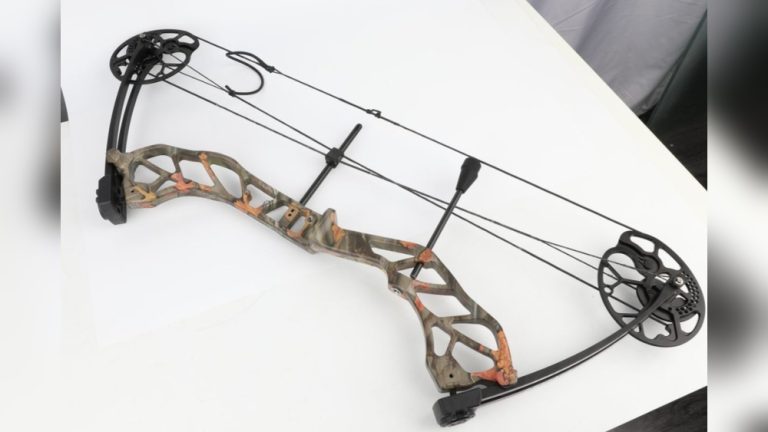
“Bow” is also used in bowfishing, a style where you shoot fish with a specially adapted bow and arrow. This is not the same as fishing with a rod and reel, but it’s a recognized fishing method in many places.
- “He caught a carp with his bow.”
- “Bowfishing requires different skills than rod fishing.”
Bowfishing combines archery and fishing. You aim at fish in shallow water and shoot with a reel-attached arrow.
| Fishing Method | Main Tool | Target Fish | Skill Required |
|---|---|---|---|
| Rod and Reel | Fishing rod, reel, line, hook | Bass, trout, catfish | Casting, reeling, patience |
| Bowfishing | Bow, arrow, reel | Carp, gar, rays | Aiming, shooting, quick reaction |
This method is growing in popularity, especially in the United States, but is not allowed everywhere. Always check local rules before trying bowfishing.
How “bow” Is Used In Different Types Of Fishing
Not all fishing types use “bow” the same way. Let’s see how it appears in popular fishing styles.
Boat Fishing
Bow is almost always used for the front of the boat. Directions like “move to the bow” or “drop anchor at the bow” are standard.
Fly Fishing
In fly fishing, “bow” often means the curve in the line. Wind or water flow can bow the line, changing how the fly drifts. Expert fly fishers watch the bow to control their presentation.
Example: “Mend the line to remove the bow for a natural drift.”
Saltwater Fishing
On big saltwater boats, “bow” means the front area. It’s also where the best fishing spots can be, especially when chasing moving schools of fish.
Bank Or Shore Fishing
If you fish from land, “bow” is rarely used unless you’re talking about bowfishing or line control. Most shore anglers won’t use “bow” for boat directions.
Bowfishing
Here, bow means the archery tool. Bowfishing tournaments and clubs use the term often. It’s a specialized area with its own gear and lingo.
“bow” Compared To Other Fishing Terms
Some fishing words are easy to confuse. Let’s compare “bow” with other terms.
| Term | Main Meaning | Fishing Context |
|---|---|---|
| Bow | Front of boat / curve in line / archery tool | Boat fishing, line control, bowfishing |
| Stern | Back of boat | Boat fishing |
| Rod | Fishing pole | All fishing types |
| Line | Fishing line | All fishing types |
| Reel | Device to wind line | Rod and reel, bowfishing (special reel) |
| Cast | Throwing bait or lure | All fishing types |
| Bite | When fish takes bait | All fishing types |
When you hear “bow” in fishing, check the context. Are people talking about a boat, a line, or archery? This helps avoid mistakes.

Credit: www.youtube.com
Why “bow” Matters: Practical Reasons
Some terms in fishing sound fancy but don’t change how you fish. “Bow” is not one of them. Understanding “bow” can help you:
- Communicate clearly with other anglers on a boat
- Control your line for better fishing results
- Try new styles like bowfishing safely
Let’s look at these points.
Communication On A Boat
If you fish with others, using boat terms like “bow” and “stern” keeps everyone safe and efficient. For example, if a fish runs toward the front, someone might shout, “Fish at the bow!” Everyone knows where to look.
Pro Tip: Before heading out, review boat directions with your group. Misunderstanding “bow” could mean missing a catch or risking an accident.
Line Control And Catching More Fish
In fly fishing, having a bow in your line can make the difference between catching and missing fish. A bowed line can cause your bait to drift unnaturally, warning fish away.
Learning to “mend” (adjust) your line to remove bow takes practice. In my experience, beginners often ignore line bow, leading to fewer catches. Paying attention to line shape is a sign of a skilled angler.
Bowfishing: A Unique Challenge
Bowfishing brings archery skills to the water. It’s not for everyone, but it’s a growing sport. You need to know both fishing and shooting basics. Laws are strict in some areas, never try bowfishing without checking rules.
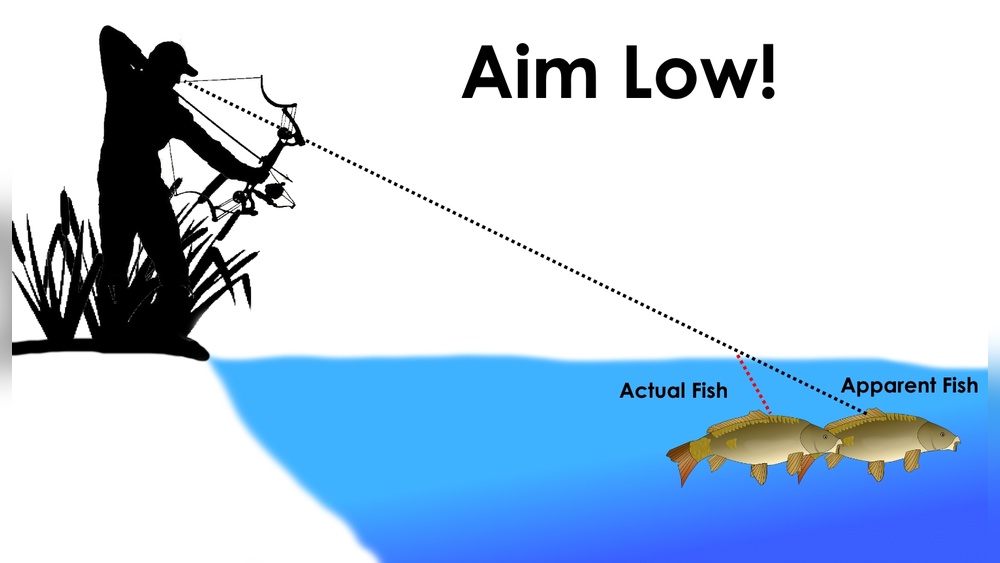
Bowfishing gear is different from regular fishing. The bow has a special reel, and arrows are heavier. You aim slightly below the fish due to water refraction, a detail that beginners often miss.
Common Mistakes And Misunderstandings
Many new anglers (and even some experienced ones) get confused about “bow.” Here are common mistakes:
- Thinking “bow” always means the archery tool: In most fishing talk, “bow” means the boat’s front, not a weapon.
- Ignoring line bow in fly fishing: Slack or curve in your line can ruin your presentation.
- Forgetting about boat direction: If you don’t know “bow” from “stern,” you might cast in the wrong spot or get in someone’s way.
- Trying bowfishing where it’s not allowed: Some places ban bowfishing for safety or conservation reasons.
- Using the term “bow” on shore: On land, “bow” is rarely needed unless talking about bowfishing.
Pro Tip: When learning fishing language, ask questions if you’re unsure. Most anglers are happy to explain, and it prevents mistakes.

Credit: www.frontiersin.org
The Role Of “bow” In Fishing Culture
Fishing is more than just catching fish; it has its own culture and language. Using terms like “bow” correctly shows respect for tradition and experience.
- Guides and charter captains use “bow” and other boat terms to direct clients.
- Fishing tournaments often use “bow” in rules and instructions.
- Fishing magazines and videos use the term when talking about boat setups or tactics.
Some regions have their own variations, but “bow” is widely understood in English-speaking fishing communities.
“bow” In Other Languages And Regions
If you travel or fish with international groups, you’ll notice “bow” is not always translated directly. For example, in French, the front of the boat is “proue,” and in Spanish, it’s “proa. ” But English-speaking anglers around the world use “bow” for clarity.
In Asia and Europe, bowfishing is less common than in North America, so the archery meaning is less used. Boat terms are more universal.
Credit: www.thefisherman.com
Non-obvious Insights About “bow” In Fishing
Most articles stop at the basics, but there are a few details beginners miss:
- Line bow can help or hurt: In fly fishing, a slight bow in the line can help your fly drift naturally downstream, especially in tricky currents. Skilled anglers use this on purpose.
- Bow position matters for boat stability: On smaller boats, too many people at the bow can make the boat unstable, especially in rough water. Always balance weight between bow and stern.
- Bowfishing needs special safety steps: Because arrows are sharp and travel fast, always use a safety slide on your arrow to prevent “snapback” injuries.
- Wind and current affect bow usage: In windy conditions, boat captains may point the bow into the wind to keep the boat steady while fishing.
- Not all “bows” are welcome: In some fishing tournaments, using a bow and arrow is banned to keep competition fair.
When To Use “bow” And When Not To
Use “bow” when:
- Giving or following directions on a boat
- Discussing line shape in fly fishing
- Talking about bowfishing or related gear
Avoid using “bow” when:
- Fishing from shore, unless it’s about bowfishing
- Talking to beginners who may not know boat terms (unless you explain)
- Using the word for things unrelated to fishing (like a ribbon or greeting)
How To Learn More About Fishing Terms
If you want to expand your fishing vocabulary, read articles, watch fishing videos, and join local angling clubs. The American Sportfishing Association and other groups have glossaries and guides for beginners. For a deeper look at boat terms, visit the Wikipedia Nautical Glossary.
Frequently Asked Questions
What Does “bow To The Fish” Mean In Fishing?
“Bow to the fish” is a phrase used mostly in fly fishing, especially when catching strong fish like tarpon. When the fish jumps, you lower (bow) your rod tip toward the water. This reduces tension so the line doesn’t snap.
It looks like you’re bowing to the fish, and it’s a useful trick to land more catches.
Is “bow” Used In Every Fishing Style?
No. “Bow” is common in boat fishing, fly fishing (for line control), and bowfishing. In bank fishing or ice fishing, you rarely hear the term unless you’re talking